















· By Daylon Gardner
A Wisconsin Lover’s Guide (That Won’t Betray Your Stomach)
Alright, cheese lovers, gather ‘round! If you’ve ever gazed longingly at a gorgeous wedge of sharp cheddar while your stomach issued a stern warning, we’ve got some fantastic news for you. Many of your favorite Wisconsin cheeses are naturally low in lactose, which means you might not have to break up with dairy after all. Let’s dive into the delicious science of low lactose cheese and discover how you can eat cheese without staging a rebellion in your gut!
Key Takeaways
-
Many Wisconsin-style aged cheeses (like cheddar aged 8-12+ months, Parmesan-style, and aged Gouda) are naturally low in lactose, often containing under 0.5 grams per ounce. That’s significantly less lactose than a glass of milk.
-
Several Gardner’s Wisconsin Cheese favorites can be solid options for lactose intolerant people who want to enjoy delicious cheeses without the drama.
-
Lactose intolerance is not the same as a milk allergy; many people tolerate low lactose cheeses just fine in moderate portions, especially when eaten with other foods.
-
The cheesemaking process naturally removes most lactose through whey drains, and the aging process lets lactic acid bacteria convert remaining lactose into lactic acid, giving you a tangy flavor and a happier belly.
-
Gardner’s ships these cheeses cold-packed to all 50 states, with free shipping on orders $69+, so you can test your lactose limits from the comfort of your kitchen.

What Is Low Lactose Cheese, Really?
Let’s break this down in plain English, no dairy science degree required!
Low lactose cheese is simply cheese that contains roughly 0-2 grams of lactose per 1-ounce serving. Compare that to whole cow’s milk, which packs about 4.8% lactose, and you’ll see why cheese lovers with sensitive stomachs get excited about aged varieties.
Here’s the beautiful truth about the cheesemaking process: most of the lactose (that sugar found naturally in milk) hangs out in the whey, that watery liquid that gets drained off when curds form. So before aging even begins, a significant chunk of lactose has already left the building.
Hard cheeses and aged cheeses take this even further. As cheese ages over months, the lactic acid bacteria in starter cultures slowly consume lactose and convert it into lactic acid. That’s what gives aged cheddar its tangy bite and your digestive system a much easier time.
Important distinction: “Low lactose” is not the same as “lactose free cheese” or “dairy-free.” Label rules vary depending on who’s doing the labeling, so always check nutrition panels when you need specifics.
Here at Gardner’s Wisconsin Cheese and Sausage, we don’t market our cheeses as medical “lactose-free” products. But many of our traditionally aged Wisconsin cheeses are naturally very low in lactose thanks to time-honored recipes and proper aging. It’s just how good cheese is made!
Lactose Intolerance 101 (Without Scaring You Off Cheese)
Before you avoid cheese entirely, let’s talk about what lactose intolerance simply means.

When you’re lactose intolerant, your small intestine doesn’t produce enough of the enzyme lactase to properly digest lactose (the natural sugar in milk products). Without enough lactase, that undigested lactose heads to your colon, where bacteria have a field day fermenting it. The result? Not fun.
Common symptoms after eating high-lactose dairy products include:
-
Bloating that makes you feel like a balloon animal
-
Gas (the socially awkward kind)
-
Stomach pain and cramping
-
Diarrhea
-
A general feeling that your digestive system is staging a protest meeting
But here’s what’s crucial: lactose intolerance is NOT a milk allergy. A milk allergy is an immune reaction to milk proteins (like casein), which can cause hives, vomiting, difficulty breathing, and other serious symptoms. If you have a true milk allergy, all dairy cheeses are off the table, including low lactose varieties.
The good news? Lactose intolerance exists on a spectrum. Some folks can happily consume an ounce or two of well-aged cheese with zero issues, while others need to be stricter. Many people find they can digest lactose in small amounts, especially when cheese is eaten alongside other foods.
If you’re not sure what you’re dealing with, chat with your healthcare provider. And when you’re ready to experiment, start with small, food-combined portions, think a slice of aged cheddar with crackers or veggies rather than demolishing half a block solo (tempting as that might be).
How Cheesemaking and Aging Cut Down Lactose
This is where things get really cool and where nutrition science meets delicious tradition!

The journey from milk to low lactose cheese goes something like this:
-
Start with quality Wisconsin cow’s milk (around 4.5-4.8% lactose)
-
Add starter cultures and rennet to begin the magic
-
Form curds as proteins coagulate
-
Drain the whey (here’s where roughly 90-95% of the lactose exits, stage left)
-
Salt and press the curds into cheese form
-
Age for weeks, months, or even years
When the whey drains away, it takes most of the lactose with it because lactose is water-soluble. That means even fresh curd has significantly less lactose than the milk it came from.
But the aging process is where the real lactose-lowering happens. As cheese ages, those hardworking starter cultures (like Streptococcus thermophilus and Lactobacillus) continue converting any remaining lactose into lactic acid. The longer the aging, the more complete this conversion becomes.
Think of it like a lactose timeline:
-
Fresh cheese (1-2 weeks): Still contains more lactose, though less than milk
-
3-month aged cheese: Noticeably less lactose as fermentation continues
-
8-12+ month aged cheese: Very low lactose levels, often lab-undetectable
Research has shown that fresh washed cheeses can achieve undetectable lactose levels right after manufacturing through specific techniques, while naturally aged cheeses become essentially lactose free because extended aging allows complete bacterial fermentation of any residual lactose.
So when you bite into a sharp, crumbly aged cheddar cheese, you’re enjoying the delicious results of months of patient lactose conversion. Science and tradition working together for your taste buds AND your gut!

Best Types of Low Lactose Cheese (And How to Use Them)
Not all cheeses are created equal when it comes to lactose content. Let’s explore the most stomach-friendly styles and how to put them to work in your kitchen.
Keep in mind: exact lactose levels vary depending on the brand, recipe, and aging time. The cheeses below are typically well tolerated in 1-2 ounce portions by many lactose intolerant people, but your mileage may vary. Always check labels and listen to your body.

Cheddar (Mild, Sharp, and Extra Sharp)
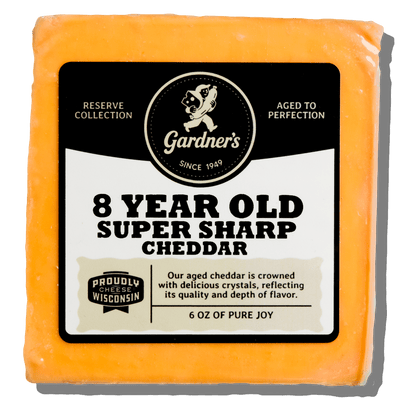
Cheddar cheese is the workhorse of the low lactose world, typically containing about 0-2.1% lactose. And here’s the tasty twist: the older and sharper the cheddar, the lower the lactose tends to be.
Flavor evolution:
-
Mild cheddar (~3 months): Mellow, creamy, approachable
-
Sharp cheddar (8-12 months): Tangy, more complex, slightly crumbly
-
Extra sharp/aged longer (12+ months): Bold, crystalline, intensely flavorful

The mild and sharp varieties offer something for everyone. Many lactose intolerant folks can handle a 1-ounce serving of well-aged cheddar without symptoms, especially when eaten with a meal.

Gouda
Gouda typically runs about 0-2.2% lactose, and like cheddar, it becomes firmer and often lower in lactose as it ages. Young Gouda is smooth and mild; aged Gouda develops those gorgeous caramel notes and satisfying crunchy protein crystals.
Flavor notes: Nutty, slightly sweet, buttery, with increasing complexity as it matures.
Both younger and older Gouda tend to be easier on lactose-sensitive stomachs than fresh, wet cheeses like ricotta or cottage cheese.

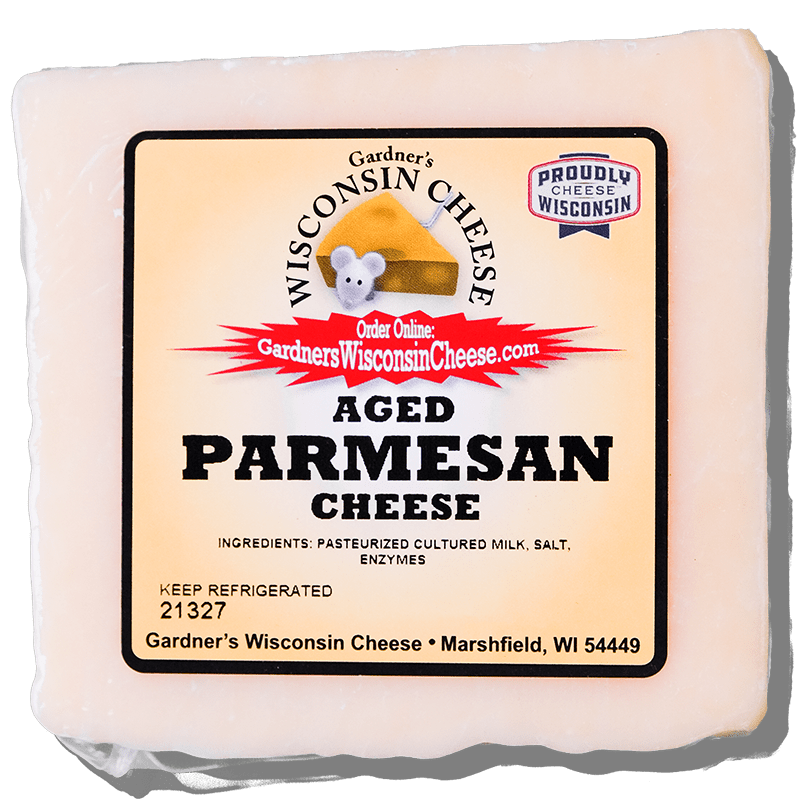
Parmesan and Other Hard, Grating Cheeses
Here’s where lactose practically disappears! Parmesan-style cheeses aged 12-36 months often test at extremely low lactose levels (around 0-3.2%), sometimes labeled as “virtually lactose-free” in lab testing.
Texture: Hard, grainy, perfect for grating. A little goes a long way.
The extended aging process drives lactose down while concentrating those savory, umami-rich flavors that make Parmesan so irresistible.

Swiss Cheese, Havarti, Muenster, and Friends
Many semi soft cheeses and semi hard European-style varieties fall in the 0-3.4% lactose range. These versatile cheese options give you plenty of room to play.
Start with one slice or cube and see how it goes. These tend to be well tolerated by many, though individual tolerance rules the day.
Low Lactose Cheese vs. High Lactose Cheese: What to Avoid
Now let’s talk about the other side of the lactose coin, the cheeses that might send your stomach into protest mode.
The general rule: Wet, fresh cheeses keep more whey (and therefore more lactose) because they’re barely aged and loosely drained. They’re delicious, but they’re not doing your lactose intolerant self any favors.
Higher-lactose styles to limit or avoid:
-
Ricotta: fresh, wet, and lactose-heavy
-
Cottage cheese: minimal aging means more lactose remains
-
Cream cheese: smooth and creamy but higher in lactose
-
Mascarpone: rich Italian cream cheese, not gut-friendly
-
Queso fresco: fresh Mexican cheese with higher lactose content
-
Some processed cheese spreads: vary depending on formulation
What about mozzarella? It depends! Block mozzarella or low-moisture versions that have been aged a bit are often moderate in lactose and may be tolerated by some in small amounts. Ultra-fresh mozzarella balls packed in water? Those retain more lactose and might cause issues.
Pro tip: If you’re very sensitive, keep a simple food diary when experimenting with different cheese styles. Note what you ate, how much, and how you felt a few hours later. You’ll quickly learn which delicious cheeses your system can handle.

Which Gardner’s Cheeses Can Work for Low Lactose Diets?
Alright, here’s where we get to show off in a helpful, informative way, we promise!
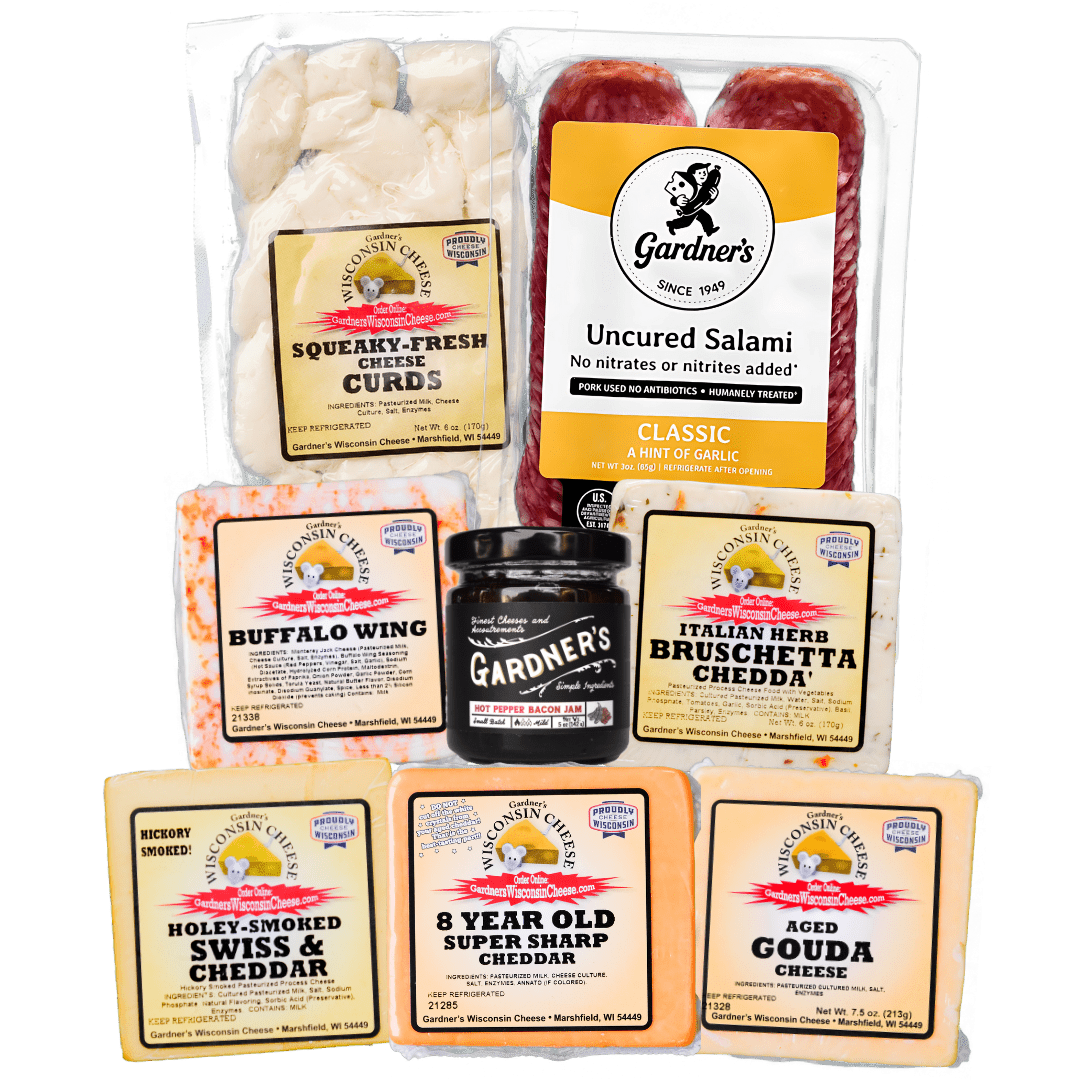
As a multi-generation Wisconsin dairy family, we love cheese enough to make it easier on your stomach too. While Gardner’s Wisconsin Cheese isn’t selling “medical” lactose-free products, many of our signature Wisconsin cheeses are naturally low in lactose because of how they’re crafted and aged using traditional techniques.
A quick note: Exact lactose values can vary batch to batch. If you have strict dietary needs, consult labels, pay attention to serving sizes, and chat with your healthcare provider. But for many dairy lovers with lactose intolerance, our aged Wisconsin cheeses are a fantastic option.

How to Eat Cheese with Lactose Intolerance (And Still Like Yourself Tomorrow)
Good news: you probably don’t need to avoid cheese forever! But if your gut is touchy, a little strategy goes a long way.
Smart approaches to enjoying cheese:
-
Start small: Begin with ½-1 ounce of a very low lactose, well-aged cheese eaten with a meal
-
Combine wisely: Eat cheese alongside protein, fat, and fiber (crackers, veggies, meats) to slow digestion
-
Increase gradually: If tolerated, slowly work up to larger portions
-
Know your limits: Some people handle one cheese type but not another; pay attention
-
Consider enzyme support: Some individuals use the enzyme lactase tablets when experimenting, but discuss this with a healthcare professional first
Warning signs to take seriously: If symptoms are severe or persistent, don’t just assume it’s lactose intolerance. Get checked out to rule out milk allergy, celiac disease, or other issues.
