


















· By Daylon Gardner
Aged Cheese & Lactose Intolerance: Can You Still Enjoy Wisconsin Cheese?
Key Takeaways
-
Most hard, aged cheeses like Parmesan, aged Cheddar, and aged Gouda typically contain less than 0.1 g lactose per serving, making them effectively lactose free for the majority of lactose intolerant people.
-
Lactose is primarily removed with the whey during cheesemaking, and then lactic acid bacteria continue to break down any remaining lactose throughout the aging process, which is why longer-aged cheeses are generally better tolerated.
-
Scientific studies of traditional European cheeses show that many varieties reach undetectable lactose levels (below 10 mg/kg) within months of aging, well under the threshold that causes symptoms for most people.
-
With guidance from your healthcare provider, you can often keep enjoying real dairy cheese. There’s no need to eliminate this delicious food group entirely.
-
At Gardner’s Wisconsin Cheese and Sausage, we offer several aged Wisconsin cheeses that are naturally low in lactose and shipped cold-pack nationwide, so dairy lovers everywhere can savor authentic Wisconsin flavor.
If you’ve been avoiding the cheese aisle like it’s a minefield, we’ve got some fantastic news for you. That tangy aged Cheddar, that crumbly Parmesan, that nutty Gouda, they might just be back on the menu! Yes, really. For many people dealing with lactose intolerance, aged cheeses can be a game-changer, offering all the rich, complex flavor of real dairy without the digestive drama.
Let’s dive into the science, separate fact from fiction, and help you find your way back to the cheese board. Your taste buds are going to thank you!

Understanding Lactose Intolerance (Without Giving Up Cheese)
So what exactly is happening in your digestive system when lactose becomes a problem? It all comes down to one tiny but mighty enzyme called lactase.
Lactase is produced in your small intestine, and its job is to break lactose, the primary sugar found in milk, into two simpler sugars (glucose and galactose) that your body can actually absorb. When your body doesn’t produce enough lactase, that undigested milk sugar travels to your large intestine where bacteria ferment it, producing gas, bloating, cramping, and sometimes diarrhea. Not exactly the after-dinner experience anyone is looking for!
Lactose Intolerance vs. Milk Allergy: They’re Not the Same
Here’s a crucial distinction that trips up a lot of people:
|
Condition |
What’s Happening |
Symptoms |
|
Lactose Intolerance |
Digestive issue, lack of lactase enzyme |
Gas, bloating, cramps, diarrhea |
|
Milk Allergy |
Immune reaction to milk protein (casein/whey) |
Hives, swelling, breathing issues, anaphylaxis |
If you have a milk allergy, your body treats milk proteins as invaders and mounts an immune response. That’s a completely different situation requiring strict avoidance. Lactose intolerance is about digestion, not immunity. That’s actually good news, because it means there’s wiggle room.
The Real-World Tolerance Test
Here’s something fascinating: many lactose intolerant consumers who can’t handle an 8 oz glass of milk (containing roughly 12 grams of lactose) can eat an ounce of aged Cheddar cheese with zero symptoms. The difference? That glass of milk delivers a lactose bomb, while that wedge of aged cheese contains virtually nothing.
How common is this condition? Research indicates that over 65% of the global population has some degree of lactase non-persistence after childhood. Rates vary significantly by ethnicity and geographic ancestry, and tolerance tends to decrease with age due to epigenetic factors that progressively silence the lactase gene.
The key insight? Tolerance is highly individual. Some people can handle several grams of lactose daily in small amounts spread across meals, while others need to stay closer to near-zero. That’s why aged cheeses are such a revelation, they let you find your personal sweet spot.
Why Aged Cheese Is Naturally Low in Lactose
Here’s where the magic happens. Natural cheesemaking and the aging process work together to strip out almost all the lactose, which is exactly why aged cheeses are usually better tolerated than fresh dairy products like milk, ice cream, or yogurt.

Let’s walk through what happens:
Step 1: Whey Removal (The Big Lactose Exit)
When cheese is made, milk is cultured and coagulated, causing curds to form and separate from the liquid whey. Here’s the crucial part: whey carries the vast majority of the lactose. When that whey is drained off, most of the milk sugar goes with it. Right from the start, the curds contain far less lactose than the original milk.
Step 2: Fermentation (Bacteria Do the Heavy Lifting)
Those starter cultures added during cheesemaking? They’re not just for flavor. These beneficial lactic acid bacteria consume much of the remaining lactose and convert it into lactic acid. This fermentation process is essential for developing cheese’s characteristic tangy flavor and also drives down lactose levels dramatically.
Step 3: Aging (Time Is Your Friend)
As cheese ages, bacteria continue to metabolize any residual lactose. The longer the cheese ages, the more time these microorganisms have to work their magic. Studies published in the Journal of Dairy Science confirm that many traditionally-aged cheeses reach lactose levels below typical lab detection limits, often less than 10 mg/kg.

Reading the Signs: Texture and Flavor Clues
Here’s a handy rule of thumb:
-
Hard, crumbly cheeses (like Parmesan and extra-sharp Cheddar) generally have far less lactose than soft, creamy fresh cheeses
-
Intense, complex flavors (sharper, nuttier, more developed) often correlate with longer aging and lower lactose content
-
Moisture content matters, drier cheeses have typically aged longer and contain minimal lactose
That said, these are guidelines, not guarantees. When in doubt, check with the producer or look at product information. But if you’re eyeing a wedge of 2-year-old Cheddar with those delicious protein crystals, chances are excellent it’s naturally very low in lactose.
Aged Cheeses That Often Work Well for Lactose-Intolerant People
Ready for some practical guidance? Let’s look at specific aged cheeses, their typical aging periods, flavor profiles, and why they tend to be friendly for lactose intolerant people.

Parmigiano Reggiano (12–36 months)
This Italian icon is a lactose intolerant person’s best friend. With its granular texture, sharp nutty flavor, and those satisfying little crystals, Parmigiano Reggiano is virtually lactose free in lab testing. Research on Italian PDO cheeses shows it achieves naturally lactose-free status after just 48 hours of aging, with levels dropping to below detectable limits by 12 months.
Aged Cheddar Cheese (12–24+ months)
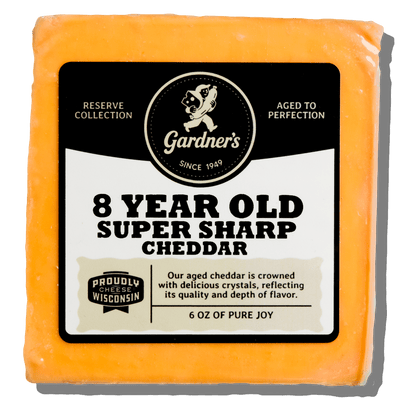
As Cheddar ages past 8-12 months, measurable lactose drops to extremely low or undetectable levels. The transformation from mild to sharp to extra-sharp isn’t just about flavor—it’s also about lactose reduction. That crumbly, intensely tangy wedge of aged Cheddar you’re craving? It’s likely your digestive system’s new best friend.
Aged Gouda (12–24+ months)
This Dutch classic develops a firm texture often speckled with crystals, along with caramel or butterscotch notes as it ages. Extended aging means very low lactose, making Gouda a delicious option for those watching their intake.
Other Low-Lactose Champions
|
Cheese |
Typical Aging |
Flavor Notes |
Lactose Status |
|
Gruyère |
5–18 months |
Nutty, slightly sweet |
Very low levels |
|
Aged Swiss |
6–14 months |
Mild, slightly sweet |
Low lactose |
|
Asiago |
3–24 months |
Sharp, nutty (aged varieties) |
Minimal lactose |
|
Hard Italian-style |
12+ months |
Complex, savory |
Extremely low |
At Gardner’s Wisconsin Cheese and Sausage, our aged Wisconsin Cheddars and other hard, cellar-aged cheeses are crafted using traditional cultures and long aging. This naturally minimizes lactose while maximizing that rich, complex flavor Wisconsin is famous for.
A word for the extra-sensitive: Start with small portions, perhaps 0.5 to 1 oz of one aged cheese at a time to test your individual tolerance before going all-in on that cheese board.
Choosing Low-Lactose Wisconsin Cheeses from Gardner’s
Ready to shop with confidence? Here’s how to select suitable products for lactose-intolerant shoppers browsing our online store.
What to Look For
When exploring Gardner’s Wisconsin Cheese and Sausage, watch for these descriptors as signals of extended aging and lower lactose:
-
“Aged” – indicates time in the cellar
-
“Sharp” – suggests more mature cheese with less lactose
-
“Extra Sharp” – even longer aging, even lower lactose
Product Types Typically Better for Lactose-Intolerant Customers
|
Product Category |
Why It Works |
|
Extensive aging metabolizes virtually all lactose |
|
|
Traditional long aging produces very low levels |
|
|
Additional cooking and drying phases reduce moisture and lactose |
What About Flavored Cheeses?
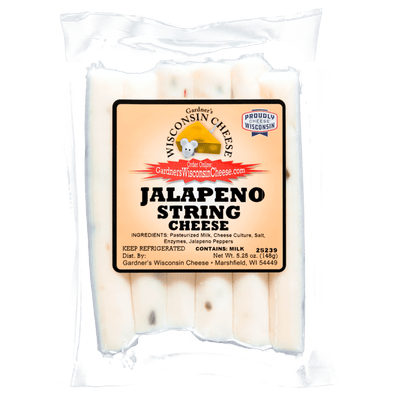
Good news! Many of our flavored aged cheeses (like Cheddar with herbs, spices, or peppers) start with the same low lactose aged base. The flavorings are added to already-aged cheese, so the lactose content remains minimal. You don’t have to sacrifice flavor variety!

Cold-Pack Shipping: Quality Guaranteed
We ship our cheeses with insulated packaging and cold packs to all 50 states, ensuring your cheese arrives in perfect condition. This means you can experiment with different varieties, find what works for your system, and enjoy authentic Wisconsin flavor no matter where you live.
Frequently Asked Questions About Aged Cheese & Lactose Intolerance
Is aged cheese completely lactose free?
Most hard, long-aged cheeses test at extremely low or even unquantifiable lactose levels, often less than 0.1 g per serving, which is well below the threshold that causes symptoms for most people. However, “absolute zero” can’t be guaranteed for any natural cheese, and individual sensitivity still matters. For practical purposes, many lactose intolerant people consume aged cheeses like Parmesan, aged Gouda, and extra-sharp Cheddar without any issues whatsoever.
Can I eat cheese curds if I’m lactose intolerant?
Fresh cheese curds are younger and moister than aged blocks, which means they likely contain more lactose. If you’re very sensitive, approach curds with caution, try a small portion and see how you respond. For a safer starting point, focus on aged options first and save the curds for when you’ve established your tolerance levels.
Do goat or sheep milk cheeses have less lactose?
Interestingly, lactose content is quite similar across cow, goat, and sheep milk at the starting point. When people report better tolerance with goat or sheep cheese, it’s often due to the aging and style of the cheese rather than the animal species alone. A fresh goat cheese will have more lactose than an aged cow’s milk Cheddar. Always let aging time and cheese style guide your choices.
Does melting or cooking cheese reduce lactose?
Heat does not destroy lactose. The lactose content of your cheese is determined by the cheesemaking process and aging time, not by how you cook or serve it. A slice of aged Cheddar on a hot burger has the same low lactose level as eating it cold from the fridge. So go ahead and melt that cheese with confidence!
How can I build a lactose-friendly cheese board?
Focus on aged hard cheeses as your centerpiece, think extra-sharp Cheddar, aged Gouda, Parmesan, and similar varieties. Add some cured sausages from Gardner’s Wisconsin Cheese and Sausage, mixed nuts, olives, and fresh fruit (grapes, apple slices, figs). Skip the fresh, high-moisture cheeses like ricotta, fresh mozzarella, and cream cheese. This approach gives you a gorgeous, delicious spread that’s gentle on your digestive system.