













· By Daylon Gardner
Cheddar vs White Cheddar: What’s the Real Difference?
If you’ve ever stared at the cheese case wondering whether white cheddar is “fancier,” “sharper,” or somehow a whole different dairy species… you’re not alone. The truth is a lot simpler (and a lot less mysterious): most of the time, it’s just a color thing.
Let’s cut to the curd: when two cheddars are made the same way and aged the same amount of time, white cheddar and orange cheddar are basically twins wearing different outfits.
Key Takeaways
-
White cheddar and orange cheddar are made the same way; the consistent difference is added coloring (usually annatto from achiote seeds).
-
If age and production are matched, white and yellow cheddar taste the same. Time, milk quality, and method do the heavy lifting.
-
“White cheddar flavor” in snacks usually means a tangy seasoning vibe, not real aged white cheddar.
-
Cheddar cheese's natural color comes from cow's milk and is typically pale ivory to yellow, influenced by the beta-carotene content in the milk.
-
Natural cheddar ranges from ivory to pale yellow due to beta carotene in milk; bright orange became popular for visual consistency, especially in North America.
-
The perception of flavor differences between cheddar colors is mostly psychological, influenced by visual cues rather than actual taste.
-
Choose cheddar by age statements (mild, sharp, extra sharp) rather than color. Don’t judge a cheddar by its cover
Cheddar vs White Cheddar: Quick Answer
The difference between cheddar and white cheddar comes down to one simple factor: added color. Both white and yellow cheddar are made from the same basic ingredients and undergo similar aging processes. Most supermarket “cheddar” is orange or yellow because of annatto, while “white cheddar” is usually the same cheese left in its natural shade.

The color difference between white and yellow cheddar comes from annatto, a natural coloring added during cheesemaking that doesn’t change the flavor at all. A mild yellow cheddar aged three months will taste virtually identical to a mild white cheddar aged three months from the same maker. Any differences you notice come down to aging time and production style, not color or artificial flavoring.
Texture follows the same rule. Crumbliness, sharpness, and nutty notes develop as cheddar ages and as makers tweak their process, not because the cheese is white or orange. The one exception to keep in mind is snack foods: in chips and crackers, “white cheddar” often signals a tangy seasoning blend, not an actual block of aged cheese doing the heavy lifting.
In other words: the color is mostly cosmetic. The flavor is where the real story gets grate.

What Is Cheddar? (And Why It’s Naturally White)
Cheddar originated in the English village of Cheddar during the 12th century in Somerset, England and is now made worldwide using the classic cheddaring process, cutting curds, then stacking and flipping them to drain whey and build acidity. That’s what gives cheddar its dense, layered texture and that signature “cheddar bite.”
Cheddar cheese is naturally white due to the natural color of cow's milk, and the yellow color is typically due to the addition of annatto, a natural food coloring.

Fresh cheddar curd is naturally pale ivory to creamy white because cow’s milk is mostly white to the naked eye. Cows grazing on fresh pasture produce milk rich in beta-carotene, which gives both butter and cheddar cheese a yellow tint.
Historically, the removal of cream from milk affected the color of cheddar, making it paler, so cheesemakers began adding color to maintain a rich appearance. The tradition of adding color to cheddar cheese began in the 17th century in England, as consumers associated a deeper golden hue with richness and quality.
So if you’re seeing a bright orange block, that color came from a little added help during cheesemaking, not from “extra cheddar-ness.”
Common cheddar aging ranges: (And yes, if you want to go deeper on storage and shelf life, your guide on how long cheese lasts after opening is a great companion piece.)
-
Mild: 2–3 months for smooth, buttery flavor
-
Medium: 4–6 months for developing tang
-
Sharp: 9–12 months for that classic bite
-
Extra sharp: 16–24 months for bigger, bolder flavor
-
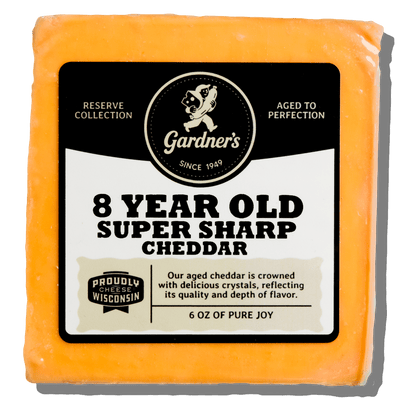
Super sharp or vintage/aged: 8–20+ years for intense flavor and a crystalline crunch

These distinct types of cheddar are categorized by age and texture, with cheddar types ranging from mild and creamy to vintage and crumbly.
Cheddar can be aged as vacuum-sealed blocks, clothbound wheels, or wax-coated forms. Those aging styles affect flavor and texture far more than whether the cheese is white or orange.
Cheddar Cheese Production
Behind every gorgeous block of cheddar cheese, whether you're talking white cheddar, orange cheddar, or that beautifully sharp cheddar cheese, there's this absolutely incredible, time-honored cheesemaking process that transforms simple cow's milk into those creamy, tangy, and robust flavors that make cheddar lovers everywhere go weak in the knees!
Get ready for this, cheese enthusiasts, because it all starts with high-quality milk (usually from happy cows, obviously), which gets pasteurized and then combined with these special starter cultures. These little culture heroes kick off the most amazing transformation by turning milk sugar into lactic acid, totally setting the stage for that signature cheddar flavor profile and that smooth texture you absolutely crave!

Next comes rennet, this fantastic enzyme that helps the milk set into curds and whey (think Little Miss Muffet, but way more exciting!). Once those curds form, cheese makers cut them into small pieces, allowing more whey to drain and helping to create that classic cheddar texture you're after, whether you're dreaming of a creamy flavor or that perfect crumbly bite that makes your taste buds sing!
Here's where it gets really exciting, the curds are then gently cooked and stirred, which further develops that taste and texture we all go crazy for! After cooking, the curds get stacked, flipped, and pressed in this step known as "cheddaring" (yes, that's actually what it's called—how cool is that?). This process squeezes out even more whey and builds that dense, layered structure cheddar is absolutely famous for. It's like architectural genius, but delicious!

Once those curds are ready (and trust me, they're beautiful at this point!), they get molded and pressed into their final shape. From here, the cheese enters what I like to call the "patience phase”, or the actual aging process! This magical time can last anywhere from a couple of months (for that mild, creamy cheddar that melts your heart) to decades (for extra sharp, complex flavor and that crumbly bite that makes you weak in the knees). During this time, the cheese gets carefully monitored and turned to ensure it matures evenly, like a delicious meditation!
Here's the thing that makes me absolutely giddy about cheddar, it’s not just one-size-fits-all! Cheese makers can tweak the process by using different starter cultures, adjusting aging time, or adding spices and other ingredients to craft cheeses with totally unique flavor profiles. Take our Italian Herb Bruschetta Cheddar, for example. This cheese folds savory Italian herbs and sun-dried tomato flavor into classic cheddar, creating a bold, aromatic bite that’s great on crackers, sandwiches, or on its own and a totally different experience from mild or super-sharp cheddar.

As cheddar ages (and this is where the magic truly happens!), its flavor becomes more complex and its texture shifts from smooth and creamy to firm and crumbly, making it absolutely perfect for everything from snacking and cheese boards to grating over baked dishes or pairing with cured meats. It's like watching a beautiful transformation unfold, but you get to eat the results!
In the end, whether you're team mild-and-creamy or you're all about that sharp-and-tangy life, the absolute magic of cheddar cheese comes down to the incredible skill of the cheese makers, the quality of that milk, and the careful attention paid throughout this amazing cheesemaking process. No matter the color, cheddar's versatility and bold taste make it a total staple for cheese lovers everywhere—and honestly, can you blame us?

What Is White Cheddar?
White cheddar cheese is simply cheddar cheese without added coloring, keeping its natural off-white shade while using the same core ingredients and cheesemaking process as orange cheddar. White cheddar cheese is the uncolored, natural variety of cheddar.
White cheddar contains no added color, while yellow cheddar typically includes annatto, a natural food coloring.
White cheddar can be:
-
young and mild (smooth, melty, sandwich-friendly), or
-
long-aged and bold (crumbly, sharp, crystal-packed)
Labels like “Vermont white cheddar” or “aged white cheddar, 5 years” describe origin or aging time, not a different cheese category.
So why do people swear white cheddar tastes sharper? Because a lot of white cheddars in stores are marketed at older ages (1–3 years), while many orange cheddars are sold young for easy melting. That’s not a color difference, that’s a time difference!
Ultimately, the choice between white cheddar and yellow cheddar often comes down to visual preference, as the flavor profiles for a given age are fundamentally the same.
Why Is Some Cheddar Yellow or Orange?
Cheddar’s orange color isn’t natural, it typically comes from annatto, a natural dye extracted from achiote seeds. The addition of annatto can subtly round out the flavor with a mellow sweetness, but the core taste remains similar to white cheddar. Other natural colorants like saffron and marigold have also been used historically to give cheddar its orange hue, mimicking the natural golden color caused by beta-carotene in cows' diets. It’s used in tiny amounts and generally doesn’t change flavor or texture. It’s basically cheddar’s “Instagram filter.”
Why coloring caught on historically:
-
Seasonal milk changes meant cheddar could vary in color
-
Consistent color helped build brand recognition
-
Consumers historically associated a deeper golden hue with richness and quality, prompting cheesemakers to add color to maintain that appearance.
-
As cheese moved into larger markets, uniform appearance became part of the selling point
Salt is a key ingredient in the cheesemaking process, added after the curds are formed, and is crucial for flavor development, preservation, and texture in all cheddar varieties.

Cows eating fresh pasture can produce slightly more yellow milk thanks to beta carotene but that’s a gentle tint, not the vivid orange you see in many modern blocks.
Regionally, preferences vary:
-
Orange cheddar became iconic in the U.S. (comfort-food look, consistent color)
-
White cheddar is common in the UK and many traditional/artisan settings
The visual appeal of yellow cheddar, with its warm, golden hue, enhances the presentation of dishes like macaroni and cheese, nachos, and breakfast scrambles, making food look more appetizing and attractive.
Flavor & Texture: Cheddar vs White Cheddar
When age, milk source, and production method are the same, white and orange cheddars taste the same. The normal cheddar flavor is influenced more by aging and production than by color. Annatto doesn’t magically make a cheddar sharper, creamier, or more complex.
Age-based flavor progression:
-
Mild (2–3 months): creamy, buttery, melts like a dream, with pronounced creaminess and a creamy texture that makes it ideal for spreading and melting
-
Medium (4–6 months): more tang, firmer texture
-
Sharp (9–12 months): pronounced bite, deeper, sharper flavor; both white and yellow cheddar can be sharp and tangy as they age
-
Super sharp/aged (2–20 years): intense, crumbly, crystal-y crunch, with sharp cheddar developing a tangier, richer flavor and nutty undertones
Aged cheddar develops nutty, caramel, brothy, umami notes whether it’s white or orange. As cheddar ages, it develops sharper, richer, and more complex flavors, regardless of color. The confusion usually comes from marketing: orange cheddar slices often skew young and mild, while “white cheddar” products often highlight longer aging.
If you want to know what you’re getting, don’t rely on color, read the age statement. That’s where the good stuff is hiding.

“White Cheddar” Flavor in Snacks vs Real White Cheddar
Here’s where things get a little… cheesy in the marketing department.
“White cheddar” on popcorn, crackers, or chips usually means a tangy seasoning style, not real aged cheddar doing a full-time job inside the bag. Snack products may use different cheeses or artificial flavorings to mimic the taste of real cheddar, rather than relying solely on authentic cheddar cheese.
Snack seasonings often include:
-
whey powder
-
cheese powder
-
lactic acid (for that sharp tang)
-
natural/artificial flavors
-
sometimes a small amount of real cheddar powder
They’re designed to mimic the punch of aged cheddar without using expensive long-aged cheese. The perception of flavor differences between cheddar colors in snacks is often a psychological effect based on visual cues, since the actual flavor can be very similar despite the use of different cheeses or colorings.
Real aged white cheddar is a solid dairy product that brings complex flavor, real texture, and real cooking behavior not just “cheddar vibes.”
Cooking With Cheddar vs White Cheddar
For everyday cooking (macaroni, mac & cheese, grilled cheese, omelets, casseroles, chili), white and orange cheddar work interchangeably when the age and moisture match.

The choice of using melted cheddar in dishes like macaroni and cheese is often influenced by the color; yellow cheddar is favored for its vibrant appearance. White cheddar is often used in gourmet mac and cheese due to its sharp, creamy profile. Yellow cheddar melts beautifully in grilled cheese sandwiches and adds richness to baked casseroles.
Parmesan is another high-quality cheese option for certain recipes, especially when seeking a next-level flavor. The visual appeal of yellow cheddar, with its warm, golden hue, enhances the presentation of comfort food dishes like macaroni and cheese, nachos, and breakfast scrambles.
Melting guidance:
-
Mild/medium cheddars melt the smoothest
-
Very old cheddars add bold flavor but can melt less silky unless blended
-
Mix young cheddar (melt) + aged cheddar (flavor) for best results
White cheddar often gets chosen for dishes where a pale sauce looks “clean” or more upscale like white mac, gratins, or vegetable sauces.
Orange cheddar is the classic comfort-food look, think traditional mac and cheese, burgers, and breakfast scrambles where that familiar color is part of the nostalgia.
Pairing Cheddar and White Cheddar With Drinks & Foods
Pair based on sharpness, not shade. A 12-month white cheddar and a 12-month orange cheddar generally want the same partners.

Mild Cheddar Pairs With:
-
Wines: chardonnay, pinot gris, crisp rosés
-
Beer: light lagers, pilsners, gentle ciders
-
Foods: apples, grapes, plain crackers, mild nuts
Sharp/Aged Cheddar Pairs With:
-
Wines: cabernet sauvignon, chianti, malbec
-
Beer: IPAs, English ales, stouts, dry farmhouse ciders
-
Foods: chutneys, pickles, cured meats, toasted nuts, crusty bread
Aged white cheddar makes a stellar cheese-board centerpiece with honey or fig jam and mixing white + orange cheddar on the board makes a fun point: color doesn’t equal strength.
Choosing Between Cheddar and White Cheddar at the Store
If you want a cheddar you’ll love, let the label do the talking.
Label reading strategy:
-
Look for specific age statements (“aged 18 months,” “5-year,” etc.)
-
Note “mild/sharp/extra sharp” as a general guide
-
Watch for production details (“clothbound,” “farmstead,” “raw milk”)
-
Check ingredients, simpler lists often mean more traditional methods
Practical selection tips:
-
Choose white cheddar for pale sauces and “clean” presentation
-
Choose orange cheddar for classic comfort-food visuals
-
Try a side-by-side test: mild white + mild orange from the same producer
Artisan long-aged cheddars (3-, 5-, 8-year) are often best enjoyed simply: on a board, with a drink, or in recipes where the cheese gets to be the star (because it earned it).

FAQ
-
Question: Does white cheddar actually taste sharper than yellow cheddar?
-
Answer: Not inherently. Many white cheddars are sold at older ages, so they taste sharper than the mild orange slices most people encounter. Match age and maker, and the flavor difference is minimal.
-
Question: Is annatto in yellow cheddar safe to eat?
-
Answer: Annatto has been used for centuries and is generally considered safe. A small number of people may be sensitive to it, but that’s relatively rare.
-
Question: Why are UK cheddars often white while many US cheddars are orange?
-
Answer: UK farmhouse cheddar often stays naturally ivory as part of tradition. In the U.S., orange cheddar became popular for consistent appearance and marketing and it stuck.
-
Question: Can I substitute white cheddar for yellow cheddar in mac and cheese?
-
Answer: Yes, one-for-one. The biggest difference is visual: your sauce will be paler, assuming you use similar ages and moisture levels.
-
Question: Is “extra sharp” the same thing as “aged white cheddar”?
-
Answer: Nope. “Extra sharp” refers to intensity from longer aging. “Aged white cheddar” refers to both aging and no added color. You can have extra sharp orange cheddar and mild white cheddar, they describe different things.