












· By Daylon Gardner
Deep Fried Cheese Curds: A Recipe Worth Squeaking About
Key Takeaways
-
Fresh, squeaky Wisconsin cheese curds are the non-negotiable foundation of a great deep fried cheese curd recipe. Quality in, quality out.
-
The batter is everything: a simple flour-based mix with the right seasonings creates that light, crispy shell that makes people embarrass themselves at parties.
-
You do not need beer to make an excellent cheese curds batter, but we will cover both options so nobody feels left out.
-
Oil temperature is the single most important variable. Too cold and you get greasy. Too hot and you get sadness.
-
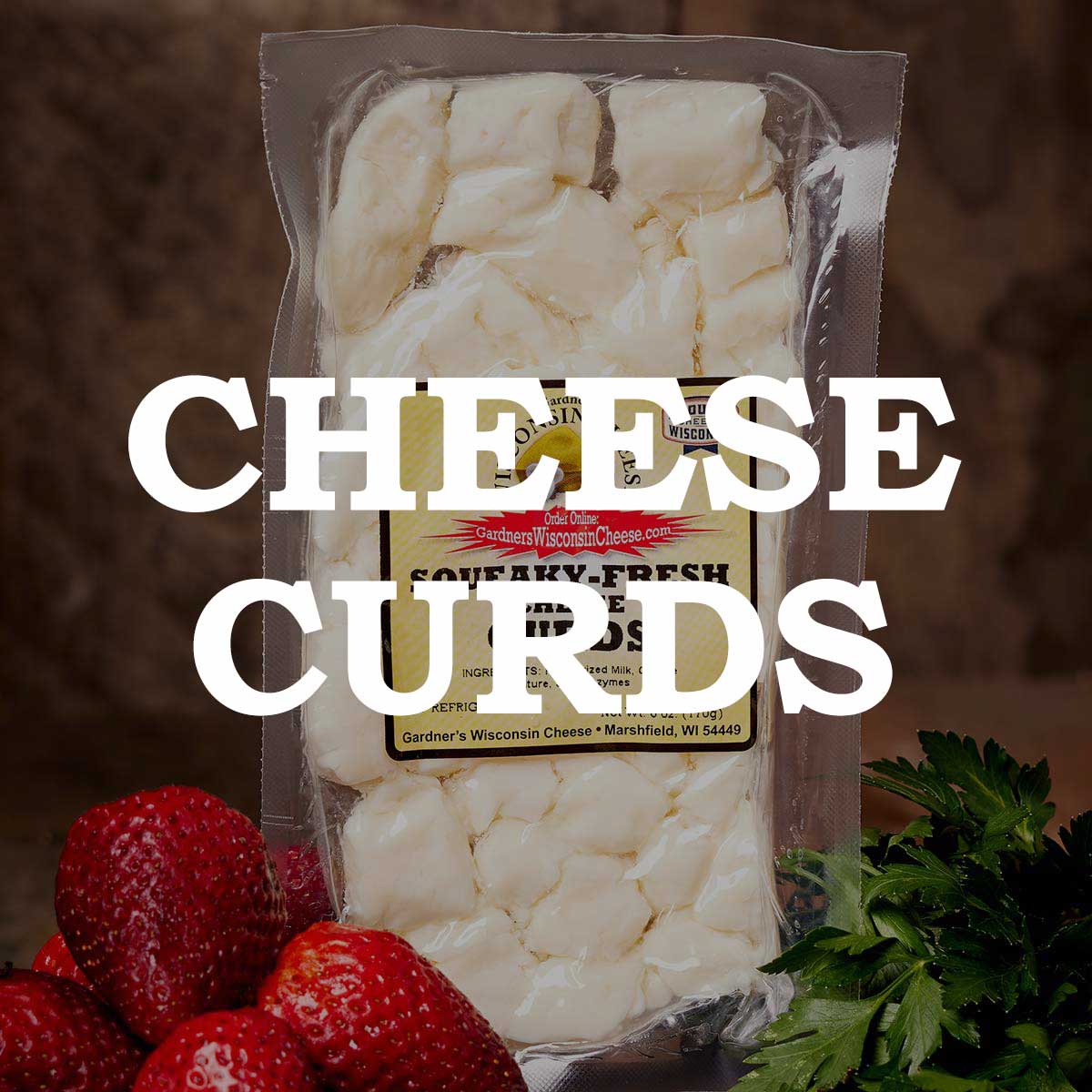
Gardner's fresh Wisconsin cheese curds are made daily and shipped the same day, making them the ideal starting point for this recipe.
Why Fried Cheese Curds Hit Different
There is bar food, and then there is fried cheese curds. These are not the same category.
A great deep fried cheese curd has a thin, shatteringly crispy shell that gives way to a warm, gooey, squeaky center that stretches just enough to make you feel like you've accomplished something. They are salty, rich, and dangerously snackable. One is never enough. Ten is never enough. The number you actually eat is between you and your conscience.

The best part? They are genuinely not that hard to make at home. The secret is not some mystical technique passed down through Wisconsin dairy families (although those do exist). The secret is starting with legitimately good curds and not overthinking the batter.
Let's get into it.
Start Here: What Makes a Great Cheese Curd for Frying
Before we talk batter, we need to talk curds. Because the quality of your starting ingredient determines everything about the final result.
Fresh cheese curds have a distinct squeaky texture caused by elastic protein strands that rub against your teeth. That squeak fades within a day or two as moisture escapes, which is why fresh is non-negotiable for frying. Older, non-squeaky curds will still fry, but you will not get that iconic melty, stretchy center that makes this recipe worth making.
Gardner's fresh Wisconsin cheese curds are made every single morning and shipped the same day.

They arrive at peak squeak, which is exactly the window you want to be frying in. Want to learn more about what makes Wisconsin curds so special before you cook? Our blog on Wisconsin Cheese Curd Culture covers the full delicious backstory.
One more tip before the recipe: chill your curds before battering. Cold curds hold their shape longer in hot oil, giving the batter time to set before the cheese starts melting. Thirty minutes in the freezer after they arrive does wonders.
The Deep Fried Cheese Curds Recipe
This is a straightforward, crowd-tested cheese curds batter recipe that produces a light, crispy coating without overwhelming the cheese underneath. No beer required, though we have included a variation for the beer batter crowd too.

What You Need
For the curds:
-
1 lb Gardner's fresh Wisconsin cheese curds
-
Neutral oil for frying (canola, vegetable, or peanut oil all work well)
For the batter:
-
1 cup all-purpose flour, plus a little extra for dredging
-
1 teaspoon baking powder
-
1 teaspoon garlic powder
-
1 teaspoon onion powder
-
1 teaspoon salt
-
1/2 teaspoon black pepper
-
1/2 teaspoon smoked paprika (optional but highly recommended)
-
1 large egg
-
3/4 to 1 cup cold water or cold club soda (club soda gives a lighter, crispier result)
For serving:
-
Marinara, ranch, or a spicy dipping sauce of your choice
Step 1: Prep Your Curds
If your curds are large, tear or cut them into roughly one-inch pieces. This is not a hard rule, but smaller curds fry more evenly and are easier to pop in your mouth in one bite, which is how they are meant to be eaten.
Place the curds in a single layer on a plate or baking sheet and pop them in the freezer for 20 to 30 minutes. Cold curds, crispier result. This is the move.
Step 2: Make the Cheese Curds Batter
In a medium bowl, whisk together the flour, baking powder, garlic powder, onion powder, salt, pepper, and smoked paprika. In a separate small bowl, beat the egg lightly, then add 3/4 cup of cold water or club soda. Pour the wet ingredients into the dry and whisk until just combined. A few lumps are fine. Do not overmix or your batter will turn tough.
The batter should be thick enough to coat the back of a spoon but thin enough to drip off slowly. If it feels too thick, add cold water a tablespoon at a time. If it feels too thin, a small spoonful of flour brings it back.
The key word throughout all of this is cold. Cold liquid, cold curds, cold batter if you can manage it. Cold batter hits hot oil and puffs up fast, creating that light shell instead of a dense, doughy coating.
Step 3: Heat Your Oil
Pour about two to three inches of oil into a heavy-bottomed pot or Dutch oven. Heat to 375 degrees Fahrenheit. This is the single most important number in this recipe.
Too low (below 350) and the batter absorbs oil before it can crisp. Too high (above 400) and the outside burns before the cheese melts. 375 is the sweet spot, and a simple clip-on thermometer takes all the guesswork out of it.
Work in small batches. Crowding the pot drops the oil temperature fast, which brings you back to the greasy, sad outcome we are trying to avoid.
Step 4: Dredge and Batter
Pull your curds out of the freezer. Toss them lightly in the extra flour first. This dry dredge gives the wet batter something to grip onto and helps it stay put during frying instead of sliding off in the oil.
Drop the floured curds into the batter a handful at a time, turning to coat fully. Let any excess drip off for a second before carefully lowering them into the hot oil.
Step 5: Fry
Fry in small batches for 2 to 3 minutes, turning occasionally, until the coating is deep golden brown and the curds are visibly puffed. Use a spider strainer or slotted spoon to transfer them to a wire rack or paper-towel-lined plate.
Here is the critical part that most people skip: eat them immediately. Fried cheese curds are not a make-ahead food. They are a right-now food. The cheese inside is at peak melt for about three minutes out of the oil, and that is the window you are chasing.
Beer Batter Variation
For those who want the classic Wisconsin bar-style cheese curds batter, swap the cold water for one cup of cold beer. A light lager works best and keeps the flavor neutral so the cheese stays the star. A pale ale adds a slightly hoppy bitterness that some people love. Avoid anything too dark or too hoppy or it will overpower the curd.
Everything else in the recipe stays the same. The beer adds a little extra carbonation and a subtle depth of flavor that is undeniably good, but the non-beer version honestly holds its own.

No beer and no buttermilk in the house? Cold club soda is your best friend here. The carbonation does similar work to beer, creating bubbles in the batter that expand in hot oil and give you a lighter, crispier shell. It is the sleeper option that consistently outperforms still water.
Flavor Variations Worth Trying
Once you have the base recipe down, the fun starts. Gardner's carries several flavored cheese curd varieties that fry beautifully and add a whole new dimension to the recipe.
Garlic Dill Curds: The herby, tangy flavor of garlic dill curds comes through beautifully under a plain batter. Serve with a sour cream dipping sauce and watch people hover near the fryer.

Maple Bacon Curds: The sweet and smoky flavor of maple bacon curds gets even more interesting when fried. The heat amplifies the smokiness, and the sweet note plays incredibly well against a spicy dipping sauce.

Tips for the Best Fried Cheese Curds Every Time
Keep everything cold until it hits the oil. Curds, batter, even the bowl if you have time. Cold plus hot equals crispy. Warm plus hot equals greasy.
Do not skip the flour dredge. It is a 30-second step that makes a real difference in how well the batter sticks.
Use a thermometer. Guessing oil temperature is how you end up with disappointing curds and a sad kitchen. A cheap clip-on thermometer solves this completely.
Fry in small batches. Seriously. This is the rule that most people break and then wonder why their curds came out wrong. Give them room.
Eat fast. This is not a suggestion. Fried cheese curds are a sprint, not a marathon.
What to Serve With Fried Cheese Curds
Classic dipping options include marinara, ranch, and chipotle mayo. For something a little more Wisconsin-forward, a beer cheese dipping sauce made with melted sharp cheddar, a splash of lager, and a little mustard is outstanding alongside a fresh batch.
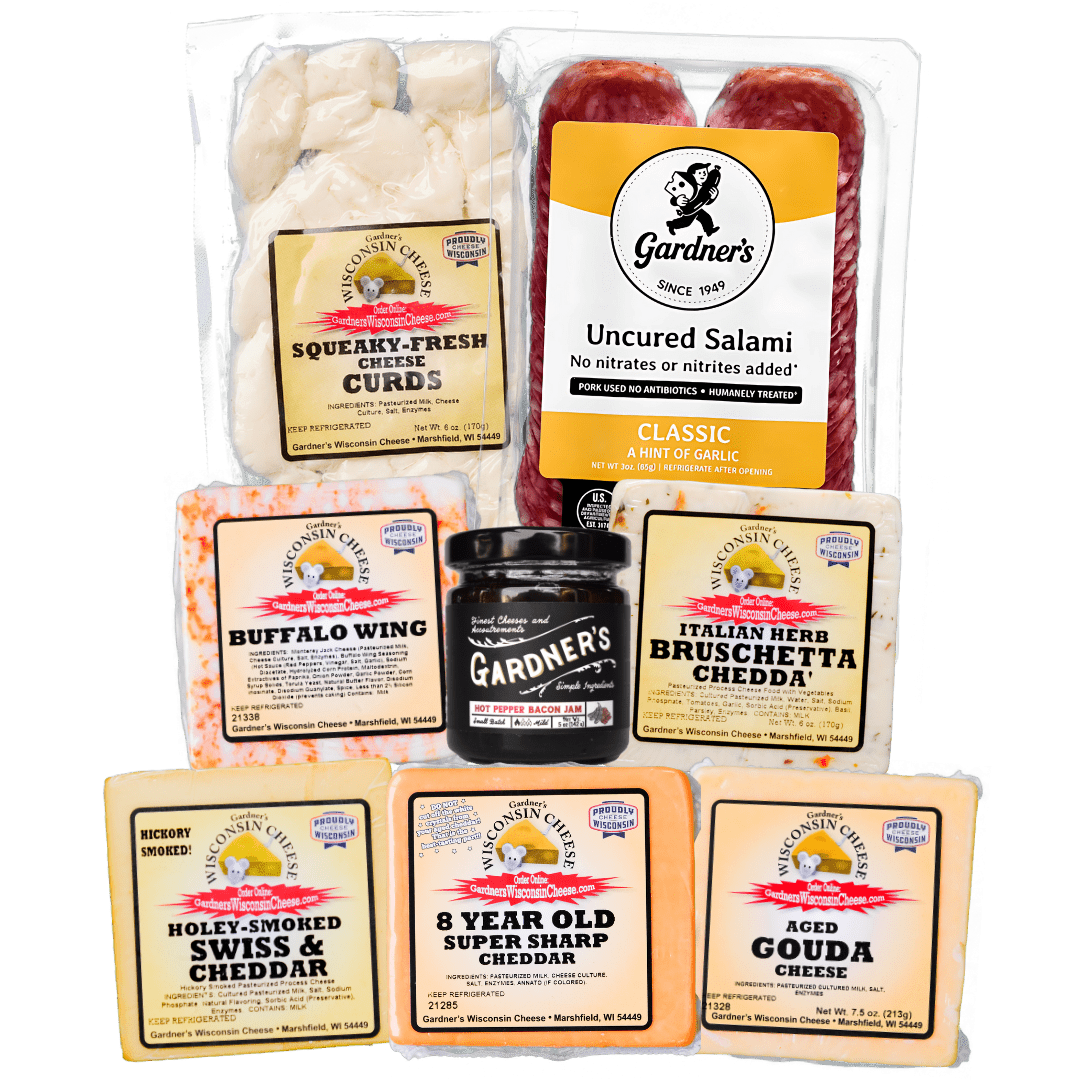
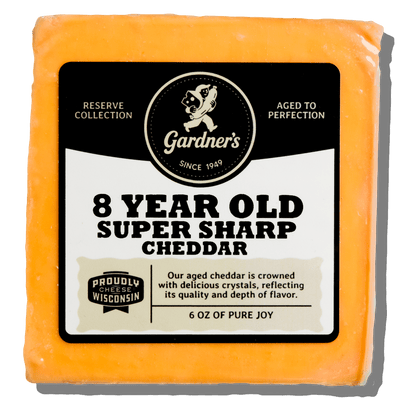
Want to make a full spread? Pair your fried curds with a charcuterie board featuring Gardner's artisan meats and a selection from their aged cheddar lineup for some before-and-after curd appreciation. It is a legitimate cheese journey and we fully endorse it.
Frequently Asked Questions
Do I have to use fresh cheese curds for this recipe? Fresh is strongly recommended. The squeak indicates elastic proteins that melt beautifully when fried, giving you that stretchy, gooey center. Older curds will still fry, but the texture inside will be less satisfying. Gardner's curds are made daily and shipped same-day, so freshness is built into the process. Grab a bag at Gardner's cheese curds and fry them within a day or two of arrival for best results.
Can I make cheese curds batter without beer? Absolutely. Cold water works fine, but cold club soda is the real upgrade here. The carbonation mimics what beer does in the batter, creating a lighter, crispier coating without any alcohol or flavor competing with the cheese. The garlic and paprika seasoning in this recipe carries the flavor just fine on its own.
Why does my batter fall off in the oil? Two likely culprits: the curds were not cold enough, or you skipped the flour dredge. Make sure curds are well chilled before battering, toss them in dry flour first, and make sure your oil is at 375 before anything goes in.
Can I use an air fryer instead of deep frying? You can, but results are different. Air fried curds will not develop the same light, shatteringly crispy shell as deep fried. If you go the air fryer route, use a thicker batter or a breadcrumb coating instead, and do not expect the same texture. For the real deal, the oil is worth it.
How do I store and reheat leftover fried cheese curds? Honestly, the goal is to have no leftovers. But if you do, store them in an airtight container in the fridge and reheat in an air fryer at 375 for three to four minutes to bring back some crispiness. The microwave will make them soft and a little sad. You deserve better than that.
