
















· By Daylon Gardner
Does Gouda Have Lactose? A Straight Answer for Aged Gouda Lovers
If you've been told you can't have dairy but gouda still calls your name, here's the good news: aged gouda is one of the friendliest cheeses on the planet for lactose-sensitive eaters. Most people who struggle with milk & soft cheeses can happily eat aged gouda with zero drama.
Here's the real science on lactose in gouda, the difference between young & aged varieties, and which Wisconsin gouda actually belongs on your cheese board.
Cheesy Takeaways
-
Aged gouda is effectively lactose-free. After 12+ months of aging, it typically has less than 0.1 grams of lactose per serving.
-
Young gouda has more lactose than aged, but still less than fresh dairy like milk or yogurt.
-
The longer the aging, the less lactose. That's the rule with every hard cheese.
-
Smoked gouda is usually aged enough to be low-lactose, but check the age.
-
Start with a small portion to test your own tolerance. Everyone is different.
How Much Lactose Is In Gouda?
It depends entirely on how long the gouda has aged.

Here's the short version:
-
Young gouda (under 6 months): Small amounts of lactose. Most lactose-sensitive folks still tolerate it better than milk.
-
Medium-aged gouda (6-12 months): Very low lactose. Usually under 0.5 grams per serving.
-
Aged gouda (12+ months): Effectively lactose-free. Often less than 0.1 grams per serving, which is below the threshold that causes symptoms for most people.
The reason is simple. When cheese is made, most of the lactose leaves with the whey, which is the watery liquid drained off during cheesemaking. The small amount of lactose that stays behind in the curds gets eaten by good bacteria during aging. Those bacteria convert lactose into lactic acid, which is what gives aged cheese its tangy, complex flavor.

So aging does two great things at once. It makes cheese taste better, AND it makes it easier to digest.
Why Aged Gouda Is a Lactose-Intolerant Favorite
Our Aged Gouda is a fan favorite for a reason. It's nutty, slightly sweet, versatile, and aged long enough that lactose is basically a non-issue for most sensitive eaters. We've had customers tell us aged gouda is the first cheese they've eaten in years without regret.
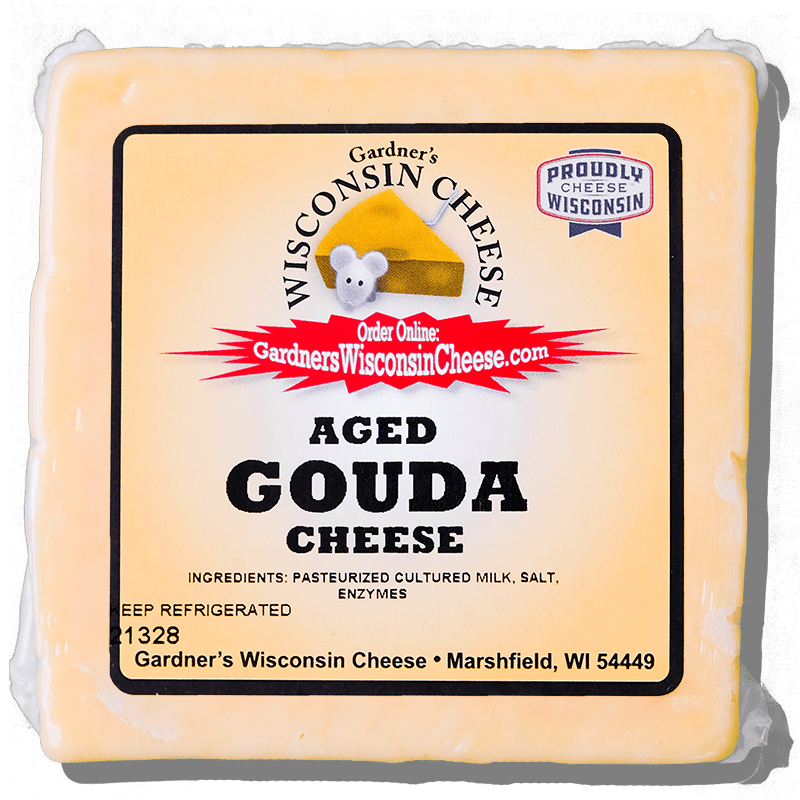
Gouda ages differently from cheddar. It develops those little caramel & butterscotch notes that make it feel almost dessert-like. The texture firms up, those pleasant crystalline crunches appear, and the flavor gets more complex. All while lactose levels drop to nearly nothing.
If you're coming back to aged cheese after avoiding dairy, aged gouda is a gentle entry point. It's milder than a 13-year cheddar but delivers plenty of flavor depth.
Young Gouda vs Aged Gouda for Lactose
Young gouda (the kind you often see at grocery stores labeled just "gouda") is aged around 4-8 weeks. It's soft, mild, and creamy. It also has more lactose than aged gouda because less time means less lactose conversion.
That doesn't mean young gouda is off-limits for lactose-sensitive eaters. It's still much lower in lactose than milk, yogurt, or fresh cheeses like ricotta. But if you're very sensitive, skip ahead to the aged varieties.
Our Aged Gouda hits that lactose-friendly sweet spot while still tasting like a proper cheese instead of dietary penance. That's the goal.
Is Smoked Gouda Low in Lactose?
Mostly yes. Smoked gouda is typically aged for a moderate period (several months) before or during smoking, which means lactose levels are already low. The smoking process itself doesn't affect lactose, but the aging that comes with it does.

If you're lactose-sensitive and want to try smoked gouda, it's generally a safe bet, but confirm the aging on the label when you can. For a smoky Wisconsin alternative with similar low-lactose benefits, try our Holey-Smoked Swiss & Cheddar. Naturally smoked, aged beautifully, and a star on cheese boards.
How to Enjoy Gouda If You're Lactose-Intolerant
Smart rules for keeping gouda on the menu:
-
Start with aged. 12+ months aging is the target for true low-lactose status.
-
Start with a small portion. A half-ounce to an ounce is enough to test your personal tolerance.
-
Pair smart. Serve aged gouda alongside other low-lactose staples like aged cheddar or parmesan, plus fruit, nuts, and crackers.
-
Skip the dairy stack. Don't eat gouda with a glass of milk. Keep your dairy load reasonable per sitting.
For a full low-lactose cheese board blueprint, our low-lactose cheese board guide walks you through building a spread that everyone can enjoy, lactose-sensitive guests included.
Best Ways to Eat Our Aged Gouda
The obvious move: slice it, serve it with a sweet pairing that plays up those caramel notes. Our top recommendations:
-
Pair our Aged Gouda with Wild Berry Drizzle or Hot Honey Drizzle for a sweet-savory combo that's genuinely addictive.
-
Alongside Garlic Summer Sausage for the classic Wisconsin cheese & sausage combo.

-
Shredded & melted into mac & cheese. Aged gouda brings depth that regular cheddar can't match. See our bacon & gouda mac & cheese recipe for proof.
-
On a cheese board with crackers, dried fruit, and walnuts.
FAQ: Gouda & Lactose
Is aged gouda lactose-free?
Effectively yes. Gouda aged 12 months or longer typically contains less than 0.1 grams of lactose per serving, which is below the symptom threshold for most lactose-sensitive people. No cheese is technically 100% lactose-free unless specifically manufactured to be so, but aged gouda is about as close as natural cheese gets.
Does young gouda have lactose?
Yes, but still less than fresh dairy. Young gouda (aged 4-8 weeks) has more lactose than aged versions but is generally tolerated better than milk or yogurt. If you're highly sensitive, go for aged gouda instead.
What cheeses are safest for lactose intolerance?
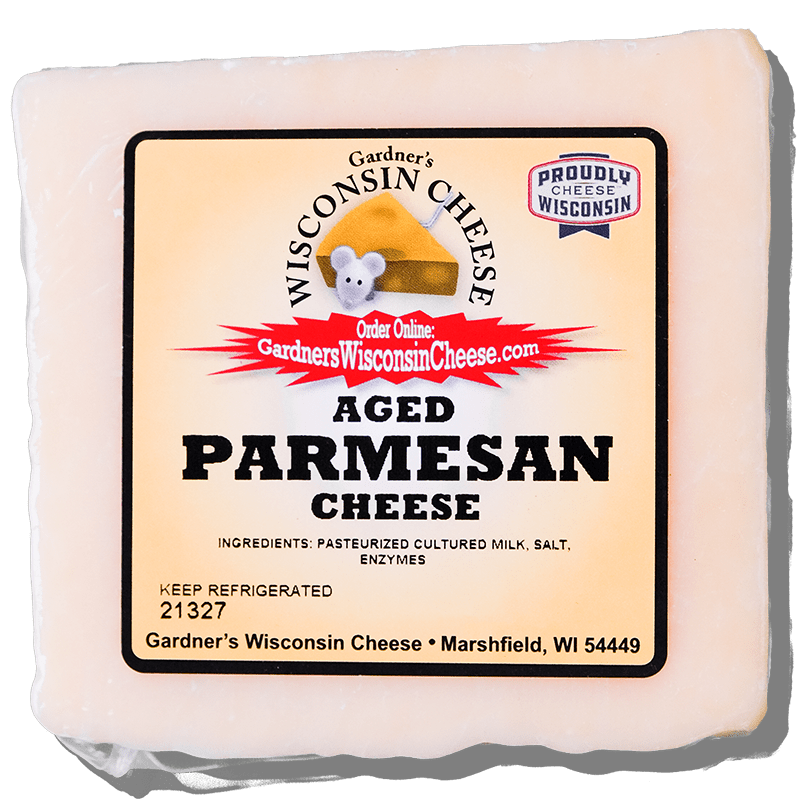
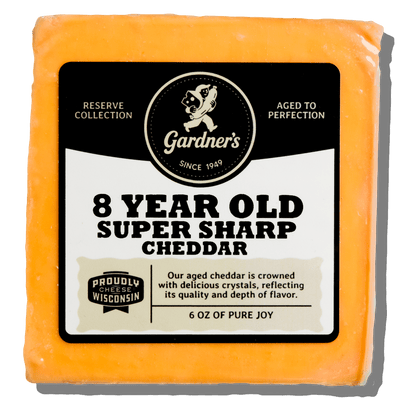
Aged hard cheeses are the safest bet. That includes aged cheddar (6+ months), parmesan, aged gouda, aged swiss, and aged provolone. The longer the aging, the less lactose. Our aged cheddar lineup & aged gouda are all strong picks.
How can you tell how aged a gouda is?
Check the label. Look for words like "aged," "extra-aged," or a specific aging time (often in months or years). Young gouda is usually labeled just "gouda." Our Aged Gouda is clearly labeled.
Is Gardner's aged gouda lactose-free?
Our aged gouda is aged long enough to be effectively lactose-free for the vast majority of lactose-sensitive eaters. Individual tolerance can vary, so start with a small portion and see how you feel.
What's the difference between gouda & aged gouda?
Time. Young gouda is soft, mild, creamy, and aged a few weeks. Aged gouda spends months or years developing firm texture, crystalline crunches, caramel & butterscotch flavor notes, and much lower lactose content.
Bottom Line
Aged gouda is one of the best "I can't have dairy" workarounds on earth. It tastes like a reward, not a compromise. Our Aged Gouda is crafted to hit that aged-just-right zone, and it ships cold-pack to all 50 states.
If you're new to lactose-friendly cheeses, start with a single block, pair it with Wild Berry Drizzle, and see for yourself. Wisconsin cheese is back on the menu.
