

















· By Daylon Gardner
How Long Can Cheese Sit Out? The Room-Temperature Rules Every Cheese Lover Should Know
Picture this. The party's been going for hours. The cheese board looks great, people keep picking at it, and somewhere around hour three you start wondering: is this still safe to eat?

Short version: it depends on the cheese. Hard cheeses are shockingly forgiving. Soft cheeses, not so much. Here's the complete cheat sheet on what happens when cheese leaves the fridge.
Cheesy Takeaways
-
The general food safety rule is 2 hours at room temperature (or 1 hour if it's above 90°F).
-
Hard aged cheeses (cheddar, parmesan, gouda) handle much longer sit-outs than soft cheeses do.
-
Soft cheeses like brie, fresh mozzarella, and ricotta should NOT sit out longer than 2 hours.
-
Cheese tastes better at room temperature. Pull it from the fridge 30-60 minutes before serving.
-
When in doubt, sniff it. Trust your senses before tossing.
The Basic Food Safety Rule
The USDA's standard rule for perishable foods is the 2-hour rule. After 2 hours at room temperature (or 1 hour above 90°F), perishables should go back in the fridge or be discarded. That's the safe baseline.
But cheese is not monolithic. A 17-year aged cheddar and a tub of fresh ricotta behave very differently at room temperature. The science is all about moisture, salt, and acidity. The drier, saltier, and more acidic the cheese, the longer it can stay out.

How Long Hard & Aged Cheeses Can Sit Out
Here's where cheese gets interesting. Aged, hard cheeses are natural preservation marvels. Our FAQ states the honest truth: all-natural hard and semi-hard cheeses do not technically need refrigeration for safety.
That means a block of aged cheddar or parmesan can sit on a cheese board for hours without any food-safety concern. You're more likely to lose it to guests than to spoilage.
-
Aged cheddar (6+ months): Can sit out for 4-6 hours easily. Flavor actually improves at room temp.
-
Aged parmesan: Effectively shelf-stable. Can handle a full day at room temp without drama.
-
Aged gouda: 3-4 hours is fine. Longer if it's a cooler room.
-
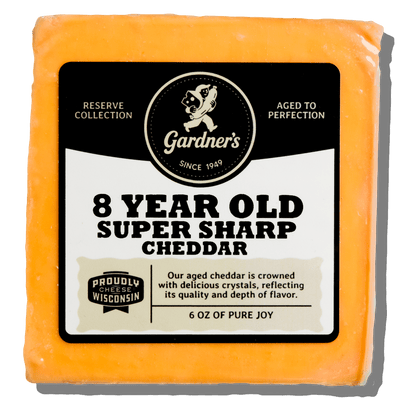
Our 8, 13, or 17-year cheddars: These are extreme cases of aging. They're shockingly durable at room temp.

Why? Aging removes moisture and concentrates salt. Both are inhospitable to the bacteria that cause spoilage. It's basically the same principle as cured meats. Preservation built in.
How Long Soft & Fresh Cheeses Can Sit Out
Softer cheeses have more moisture and less salt, which makes them friendlier to bacteria. These should follow the 2-hour rule strictly:
-
Fresh mozzarella: 2 hours maximum. After that, into the fridge or trash.
-
Brie, camembert, bloomy-rind cheeses: 2 hours. These also deteriorate in texture quickly out of the fridge.
-
Ricotta, cottage cheese, cream cheese: 2 hours. These are basically unaged and behave like fresh dairy.
-
Young gouda, havarti, fresh chèvre: 2 hours.
-
Shredded cheese: 2 hours, regardless of what kind of cheese it's shredded from. More surface area = faster spoilage.
If your party goes past the 2-hour mark and you want to keep serving, rotate plates. Fresh ones from the fridge, old ones back in.

Where Cheese Curds Land
Our Squeaky Cheese Curds are technically fresh cheese (they're made & shipped the same day), so treat them more like fresh mozzarella. Keep them refrigerated, and when you put them out to serve, don't leave them sitting more than 2 hours.
Pro tip from the FAQ: bring curds to room temperature (or microwave 5-10 seconds) before eating. That's what restores the signature squeak. Just don't leave them out indefinitely.

Why You Should Actually Serve Cheese at Room Temperature
Here's the plot twist. Cheese tastes better at room temperature. Cold cheese has muted flavor, firmer texture, and less aromatic complexity. Bringing cheese to room temperature before serving is not just acceptable, it's what every cheesemonger recommends.
Rules of thumb:
-
Hard aged cheeses: Pull from fridge 45-60 minutes before serving.
-
Semi-hard cheeses: 30-45 minutes.
-
Soft cheeses: 20-30 minutes. They soften fast.
-
Cheese curds: 15 minutes, or a quick microwave zap. The squeak depends on warmth.
If you've been eating cheese cold straight from the fridge, you've been missing half the flavor. This is a free upgrade.
Road Trips, Picnics & Travel Cheese
Planning a picnic or road trip? Hard aged cheeses are your best friends. An 8-Year Super-Sharp Cheddar will survive a day in a cooler without drama. Pair it with Garlic Summer Sausage (which is shelf-stable before opening per our FAQ) and some crackers, and you have a portable feast.

Avoid packing soft cheeses for a hot day in the car. Brie in a warm cooler is sad brie. Stick to the aged end of the cheese spectrum when conditions get unpredictable.
What to Do If Cheese Has Been Out Too Long
For hard aged cheeses, use your senses. If it smells fine, looks fine (no slime, no weird mold colors), and tastes fine, it's almost certainly fine. Hard cheese's enemies are flavor loss & texture drying out, not food safety hazards.
For soft cheeses past the 2-hour mark, err on the side of caution. Food poisoning is never worth it. Toss and move on.
Mold on hard cheese? Cut an inch around the moldy spot and the rest is usually safe. Mold on soft cheese? Discard the whole thing.
The Gardner's Take
We ship our cheese cold-packed for a reason. It's the best way to get it from our central Wisconsin facility to your door in peak condition. Our FAQ is clear: we're actually more worried about freezing than melting in cooler months. Hard aged cheeses are durable.
If you're buying cheese from us for a big gathering, lean into the hard aged end of our collection. Our 8, 13, and 17-year cheddars, Aged Gouda, and Aged Parmesan are all built for long sit-outs, travel, and room-temperature serving.

Want a pre-built option that travels well? Our Charcuterie Essentials Bundle combines aged cheeses & artisan meats into a package that's ready for board duty.
FAQ: Cheese at Room Temperature
Can cheese sit out overnight?
Aged hard cheeses (parmesan, aged cheddar, aged gouda) can technically survive overnight at room temp without becoming unsafe, though quality will drop. Soft cheeses left out overnight should be discarded. The FDA's 2-hour rule applies strictly to perishable soft cheeses.
How long can cheese sit out for a cheese board?
For a mixed board, plan for 2 hours max if soft cheeses are included. For hard aged cheese only, 4 hours or more is usually fine. Rotate plates during long parties to keep things fresh & safe.
Does cheese need to be refrigerated?
Technically, hard aged cheeses (cheddar, parmesan, gouda) don't require refrigeration for safety, though it extends shelf life & quality. Soft cheeses & fresh cheeses absolutely need refrigeration.
Can you eat cheese left out for 4 hours?
Depends on the cheese. Hard aged cheddar, yes, almost certainly fine. Soft cheese like fresh mozzarella, no, discard it.
How long can cheese curds sit out?
Treat curds like fresh cheese. 2 hours at room temperature is the upper limit. Bring to room temperature for best flavor & squeak, but don't leave them out all day.
Why does cheese taste better at room temperature?
Cold mutes flavor & aroma. Bringing cheese to room temp lets fats soften, aromas release, and texture relax, so you taste the full flavor profile the cheesemaker designed.
Bottom Line
Hard aged cheeses are surprisingly durable, and they actually taste better at room temp. Soft cheeses need to stay on schedule. Know the difference, serve smart, and nobody gets sick.
For a cheese board that can handle a long party, build around our aged cheeses and add some Garlic Summer Sausage. That combination is built for long nights & happy guests.