















· By Daylon Gardner
Is String Cheese Gluten Free?
Key Takeaways
-
Most plain mozzarella string cheese is naturally gluten free. Most types of string cheese use simple ingredients, like milk, cheese cultures, salt, and enzymes, that contain no wheat, barley, or rye.
-
Flavored, breaded, or seasoned string cheese may contain gluten. Always check labels for hidden sources like wheat-based seasonings, malt flavoring, or modified food starch derived from wheat.
-
Cross-contact is a real risk. Shared deli slicers, prep areas, and restaurant fryers can introduce gluten even when the cheese itself is safe.
-
Major U.S. brands advertise gluten free status as of 2024, but formulations can change. Always verify by reading the current package label before purchasing.
-
People with celiac disease or gluten sensitivity should confirm every product. When in doubt, contact the manufacturer directly or look for certified gluten free logos.
Is String Cheese Naturally Gluten Free?
Here’s the good news for cheese lovers on a gluten free diet: classic mozzarella string cheese is typically made from just a handful of naturally gluten free ingredients. We’re talking pasteurized part-skim cow’s milk, cheese cultures, salt, and enzymes… that’s it! No wheat, no barley, no rye anywhere in sight.
Most unflavored string cheese sticks sold in U.S. supermarkets in 2024 are considered safe for a gluten-free diet, including both national and store brands. Gluten is a protein found in wheat, barley, and rye, and plain dairy products like milk and basic cheese don’t naturally contain these grains. When gluten is present, it usually comes from added flavors, coatings, seasonings, or processing aids rather than the cheese itself. For anyone with celiac disease or a diagnosed gluten sensitivity, it’s still important to verify each product individually instead of assuming all cheese is automatically gluten-free.
The beauty of string cheese lies in its simplicity. The traditional pasta filata cheesemaking process involves heating and stretching the curd, which creates that fun, peelable texture we all love. This process uses no grains or starches whatsoever, making the final product a great snack option for those avoiding gluten.

When Can String Cheese Contain Gluten?
Now, before you start celebrating and buying every string cheese variety in sight, let’s talk about the exceptions. Even though the base mozzarella cheese is naturally gluten free, certain products and situations can introduce gluten into the equation.
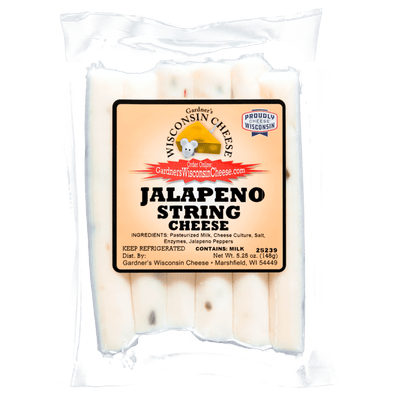
When it comes to gluten risk with string cheese, the biggest concerns tend to come from added elements rather than the cheese itself. Breaded varieties, such as restaurant-style mozzarella sticks or frozen breaded cheese, often contain wheat flour or bread crumbs and should be avoided. Flavored string cheese sticks, including pizza, buffalo, ranch, or herb-infused options, may use wheat-based seasonings or ingredients like malt vinegar. Snack packs that pair string cheese with crackers can also introduce gluten if wheat crackers are included in the packaging. Seasoning blends are another potential source, especially when labels list vague terms like “seasoning” or “smoke flavor,” which can sometimes include wheat-derived modified food starch. Finally, cross-contact is a consideration for those with celiac disease, particularly with cheese sold at deli counters or produced on shared manufacturing lines, where “may contain wheat” warnings may appear on the label.
When eating out at bars, pizzerias, or chain restaurants, ordering fried string cheese or mozzarella sticks poses extra risk. Those shared fryers are often used for breaded items containing wheat flour, and cross-contact is nearly unavoidable.
Deli counters present another challenge. Slicers and gloves used for both gluten-containing and gluten free items can transfer small amounts of gluten to otherwise safe cheeses. If you need to maintain strict gluten avoidance, purchasing whole, sealed packages rather than sliced deli cheese is your safest bet.
How to Check If Your String Cheese Is Gluten Free
Label reading is your best friend when following a gluten free diet, especially if you have celiac disease where even small amounts of gluten can cause problems. Here’s your step-by-step guide to confirming whether that package of cheese sticks is safe for you.
Step 1: Scan the ingredients list Look for these gluten containing ingredients:
-
Wheat (in any form)
-
Barley
-
Rye
-
Malt or malt flavoring
-
Modified food starch (unless specified as corn or potato-based)
In the U.S., wheat must be declared in the allergen statement, which makes your research a bit easier.
Step 2: Look for a “Gluten Free” claim Check both the front and back of the package. Under FDA rules, products labeled “Gluten Free” must contain less than 20 parts per million (ppm) of gluten, a threshold considered safe for most people with celiac disease.
Step 3: Verify with the manufacturer If labels are unclear or contain ambiguous terms like “natural flavors” or “seasoning,” visit the manufacturer’s website or contact their customer service directly. Many companies maintain detailed FAQ sections addressing gluten free status.
Step 4: Look for certification logos Third-party certifications like GFCO (Gluten-Free Certification Organization) provide extra reassurance. However, many perfectly safe cheeses aren’t third-party certified, so the absence of a logo doesn’t automatically mean the product contains gluten.

Gluten Free Handling, Storage, and Safety
Even gluten-free string cheese can become unsafe if it’s stored improperly or contaminated with gluten during handling, so proper storage and kitchen practices matter. Unopened string cheese should be kept refrigerated at or below 40°F (4°C) and typically lasts 2 to 3 months from the packing date, so it’s important to check the date on the package. Once opened, it should remain refrigerated at the same temperature and enjoyed within 5 to 7 days for best safety and quality. String cheese can also be frozen at 0°F (-18°C) for longer storage, where it will keep for about 1 to 2 months; however, freezing may cause the texture to become more crumbly after thawing.
At room temperature, string cheese should not be left out for more than two hours before discarding. If you choose to freeze string cheese, labeling bags with the freeze date helps ensure it’s used within the recommended window. While thawed cheese remains safe to eat, the change in texture means it’s often better suited for cooked dishes rather than peeling and snacking.
Cross-Contact Precautions at Home
-
Use clean knives and cutting boards when serving string cheese alongside gluten-containing items like regular crackers or bread
-
Avoid touching cheese with hands that have handled flour or bread crumbs
-
Store gluten free cheese sticks separately from foods containing wheat
-
If preparing food for someone with celiac disease, wash hands thoroughly before handling their cheese
Child Safety Reminder
For children under about 4 years old, consider cutting string cheese into small, bite-sized pieces rather than letting them eat the whole stick. The texture and shape can create a choking hazard for young kids. Always supervise snack time with little ones.
FAQ
Is all mozzarella cheese gluten free, or just string cheese?
Most plain mozzarella, whether in block form, shredded, or fresh, is naturally gluten free. However, pre-shredded mozzarella sometimes includes anti-caking agents that could theoretically be derived from wheat (though most use potato or corn starch). Seasoned or marinated varieties may contain gluten-containing flavorings. The same label-checking rules apply to all mozzarella products, not just string cheese. For reference, other cheeses like parmesan cheese and blue cheese are also typically gluten free in their plain forms, but always confirm.
Can someone with celiac disease safely eat string cheese every day?
Many people with celiac disease safely include certified or clearly labeled gluten free string cheese in their daily diet without issues, provided they tolerate dairy well. Since string cheese is limited in certain nutrients and higher in saturated fat, it shouldn’t be your only snack—variety matters. This food contributes meaningfully to calcium and protein intake, but consult a healthcare professional for personalized general nutrition advice tailored to your complete dietary needs.
Are gluten free “mozzarella sticks” in restaurants usually safe?
Unfortunately, most traditional bar-style mozzarella sticks are breaded with wheat flour and fried in shared oil with other breaded items, making them unsafe for people who need to avoid gluten. Only restaurants that specifically offer gluten free breading and maintain dedicated fryers should be considered. Always confirm their practices with staff before ordering, and don’t hesitate to ask detailed questions about their cross-contact control procedures.
Is there any gluten in the enzymes or cultures used to make cheese?
Most commercial cheese cultures and rennet/enzymes used in North America and Europe are grown on gluten free media. The risk is extremely low. However, if you’re highly sensitive or need additional information for your own peace of mind, you can contact manufacturers directly to confirm their specific production methods. Many companies have online FAQs or customer service representatives who can address these concerns.
Does lactose-free string cheese have a different gluten free status?
Lactose-free or reduced-lactose string cheese is still made from dairy and is generally gluten free if the ingredients list is clean. Lactose content and gluten content are completely independent issues—one has nothing to do with the other. Check labels for both concerns separately. Some brands now offer lactose-free options that are also certified gluten free, giving you the best of both worlds if you need to manage multiple dietary restrictions. Look for these products at your local store or explore online shopping and delivery options for a wider selection.