















· By Daylon Gardner
Lactose Free Cheddar Cheese
What Makes Cheddar Cheese Low in Lactose?
Here’s a delicious little secret: lactose is basically “milk sugar,” and cheddar cheese is surprisingly good at kicking most of it to the curb during production. The cheesemaking process is essentially a lactose eviction notice, and the bacteria do most of the heavy lifting for you!
When cheddar is made, lactose drains away with the whey (goodbye, sugary liquid!). Whatever lactose remains becomes a snack for the bacterial cultures in the cultured milk, which convert it to lactic acid during fermentation. As the cheese ages, residual lactose continues to break down until there’s practically nothing left. The lactase enzyme that some producers add can reduce lactose levels to below 0.01%, essentially making it disappear.
So what’s the difference between “low lactose” and “lactose free”? Low lactose typically means less than 1g per serving, while “0g lactose per serving” indicates levels below what testing can even detect. A typical 1 oz serving of well-aged cheddar often tests at 0g lactose. The bottom line? Those hardworking cheese bacteria basically digest the lactose so you don’t have to. Pretty considerate of them, honestly.

Gardner’s Low Lactose Cheddar Options
At Gardner’s, we’re all about crafting real dairy cheese that tastes delicious without making your stomach stage a revolt. Our mild cheddar cheese options deliver that classic, creamy flavor many lactose-intolerant folks can enjoy without the drama.
Gardner 13 Year Cheddar: Perfect for sandwiches, burgers, and grilling up the ultimate grilled cheese. This pre-sliced option features a buttery, mild cheddar bite that melts beautifully. If you're looking for an even bolder flavor, try our super-sharp 13-Year-Old Cheddar. Check the package for 0g lactose per serving labeling, your taste buds (and digestive system) will thank you.
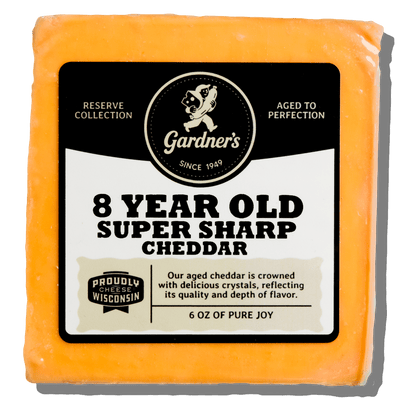
Gardner 8 Year Cheddar: The 8-year cheddar b ock is perfect for cubing, slicing, or grating however you please. ideal for seasonal cheese boards, snacks, or recipes. Made with traditional culturing using free milk, vegetarian enzyme, and salt, the lactose reduction happens naturally during aging. The color comes from annatto, keeping things simple and delicious.
Look for products clearly marked “0g lactose per serving” on the Nutrition Facts panel. Gardner’s makes cheese that loves you back, rich flavor first, lactose-conscious formulation as a tasty bonus.

Using Lactose Free Cheddar in Everyday Meals
Good news: low-lactose cheddar means you don’t have to choose between amazing flavor and a peaceful digestive system on weeknights. Here’s how to put that cheese to work:

Sliced cheddar ideas:
-
Classic grilled cheese
-
Deli sandwiches and burgers
-
Pair with apples or ham for a quick snack
-
Picnic-ready sandwiches for the kids
Shredded cheddar magic:
-
Mac and cheese that actually tastes like cheese
-
Loaded baked potatoes
-
Nachos for movie night
-
Omelettes, frittatas, and chili toppings
Quick tips: Let your cheddar come to room temperature before serving for the best flavor. If you want extra-melty texture, shred from a block yourself.

Lactose Intolerance vs. Milk Allergy: What to Keep in Mind
Let’s clear something up: lactose intolerance means difficulty digesting lactose (a sugar), while milk allergy involves an immune reaction to milk proteins like casein and whey. These are very different situations.
Many lactose-intolerant individuals can tolerate low-lactose or lactose free cheese products, especially those labeled 0g lactose per serving. But everyone’s tolerance is different, so start small and see how you feel.
Important: If you have a diagnosed milk allergy, cheddar cheese is not safe for you, period. Lactose free or not, it still contains milk proteins that can trigger allergic reactions. Please speak with a healthcare professional if you’re uncertain about your symptoms or what’s safe for your specific situation.
And remember “lactose free” isn’t a free pass to ignore other dietary considerations like sodium (check those mg per serving) or overall fat content. With a bit of self-awareness and label-reading, most people find their comfortable spot on the lactose-cheddar spectrum.
Tips for Choosing and Storing Low Lactose Cheddar
Smart choices and proper storage keep your cheese tasting its best while reducing waste. Nobody wants sad, dried-out cheddar!

Buying tips:
-
Choose cheddar with clean, even color
-
Avoid packages with moisture pooling or damaged seals
-
Check the date stamped for freshness
-
Plan to use sliced and shredded packs within a few days after opening
Storage advice:
-
Keep cheese refrigerated at standard fridge temperature
-
Reseal packaging tightly after opening
-
Wrap blocks in parchment, then loosely in plastic or a container
-
Only shred what you need from a block to keep the rest fresher longer
Pro tip: Label your leftovers so you remember which one was the heroic lactose free cheddar and which was just Tuesday’s random cheese. Your future self will appreciate writing down those fine details.

FAQ
Can I eat lactose free cheddar if I have a severe milk allergy?
No. People with a diagnosed milk allergy must avoid cheddar cheese entirely, even when labeled lactose free. The cheese still contains milk proteins (casein and whey) that can trigger allergic reactions. If you have a milk allergy, look for dairy-free cheese alternatives made from plants like nuts, soy, or oats, and consult your allergist for safe options.
Is aged cheddar always lactose free?
Most well-aged cheddars are very low in lactose and often test at 0g per serving, but this isn’t guaranteed unless the brand specifically tests and labels it. If you’re lactose intolerant, check the Nutrition Facts panel for 0g sugars and look for explicit “lactose free” or “0g lactose per serving” claims when possible.
Do I still need lactase pills with lactose free cheddar?
Many people with lactose intolerance can enjoy cheddar labeled 0g lactose per serving without additional lactase supplements. However, individual tolerance varies. Try a small serving first to see how you feel, and use lactase tablets only if recommended by your healthcare provider.
Why does lactose free cheddar still taste like regular cheddar?
The flavor of cheddar comes mainly from milk fats, proteins, and the aging process, not from lactose. Removing or breaking down lactose doesn’t significantly change that classic cheddar taste. Gardner’s low-lactose cheddars are made from real dairy using traditional cheesemaking, preserving the familiar rich flavor and perfect melt you expect.
Can children with lactose intolerance have low lactose cheddar?
Many lactose-intolerant children can tolerate low-lactose or lactose free cheddar in moderate portions, especially products tested at 0g lactose per serving. Parents should discuss this with their pediatrician or dietitian, start with small amounts, and monitor their child’s comfort and symptoms before making it a regular snack.