














· By Daylon Gardner
Aged Gouda: The Wisconsin Cheese That Tastes Like Caramel & Crystallized Time
Wisconsin is famous for cheddar. Spoiler: our aged gouda might be the reason cheddar fans cheat.
Aged gouda is the slow-burn, butterscotch-forward, crystal-flecked cousin of the gouda you grew up on. It is nutty, deep, and just a little sweet, like cheddar took a sabbatical in the Netherlands and came back with stories. Here is what makes it special, what to pair it with, and why ours is worth the trip across the country.
Cheesy Takeaways
-
Aged gouda is gouda that has matured for 12 months or longer, which deepens its flavor and develops those crunchy crystals.
-
It tastes nutty, caramel-sweet, and slightly butterscotchy, with a firmer texture than young gouda.
-
Aged gouda is naturally low in lactose, often under 0.1 grams per serving.
-
Pair it with stout, IPA, port wine, dark chocolate, hot honey, or cured meats.
-
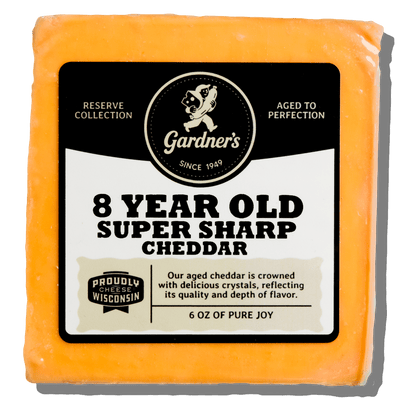
Gardner's Aged Gouda is made by a 4th-generation Wisconsin cheesemaker & ships fresh from central Wisconsin.
What Is Aged Gouda?
Gouda is a Dutch semi-hard cheese named after the city of Gouda in the Netherlands, where farmers have been trading it since the 12th century. Most gouda you find at the grocery store is young gouda, aged just 4 to 8 weeks. It is mild, soft, and a little sweet.

Aged gouda is a different beast. After 12 months or more in the cave, the cheese loses moisture, the proteins tighten, and the flavor concentrates into something rich, nutty, and almost butterscotchy. Bite into a piece of aged gouda and you might hit a tiny crunch. Those are calcium lactate or tyrosine crystals, the natural fingerprint of a well-aged cheese. Most cheese snobs (the good kind) consider them a feature, not a flaw.
If you want the deep dive on gouda's origins and how it is made, our What Is Gouda Cheese pillar covers the full story. This post is for when you already know gouda & you want the aged version.
What Does Aged Gouda Taste Like?
Imagine if cheddar, parmesan, and butterscotch had a child raised in a Dutch cellar. That is aged gouda.

Specifically, expect:
-
Sweet, almost caramel-forward notes (the milk sugars caramelize over months of aging)
-
A nutty backbone, somewhere between toasted almond and roasted hazelnut
-
A firm, slightly granular texture that breaks rather than slices
-
Tiny crunchy crystals that pop on the palate
-
A long, lingering finish that other cheeses just don't deliver
Our Aged Gouda leans into the nutty-sweet side of the spectrum. It is approachable enough for newcomers and complex enough that turophiles (yes, we used the word) will linger over it.
Young Gouda vs Aged Gouda: What's the Difference?
Both are gouda. They taste like very different cheeses.
|
Trait |
Young Gouda |
Aged Gouda |
Notes |
|---|---|---|---|
|
Aging time |
4-8 weeks |
12+ months |
Longer = deeper flavor |
|
Texture |
Soft, sliceable |
Firm, sometimes crumbly |
Moisture loss |
|
Flavor |
Mild, milky, sweet |
Nutty, caramel, complex |
Aging concentrates |
|
Lactose |
Some |
Effectively none |
Bacteria eat it during aging |
|
Best for |
Sandwiches, snacking |
Cheese boards, gifting |
Both melt well |
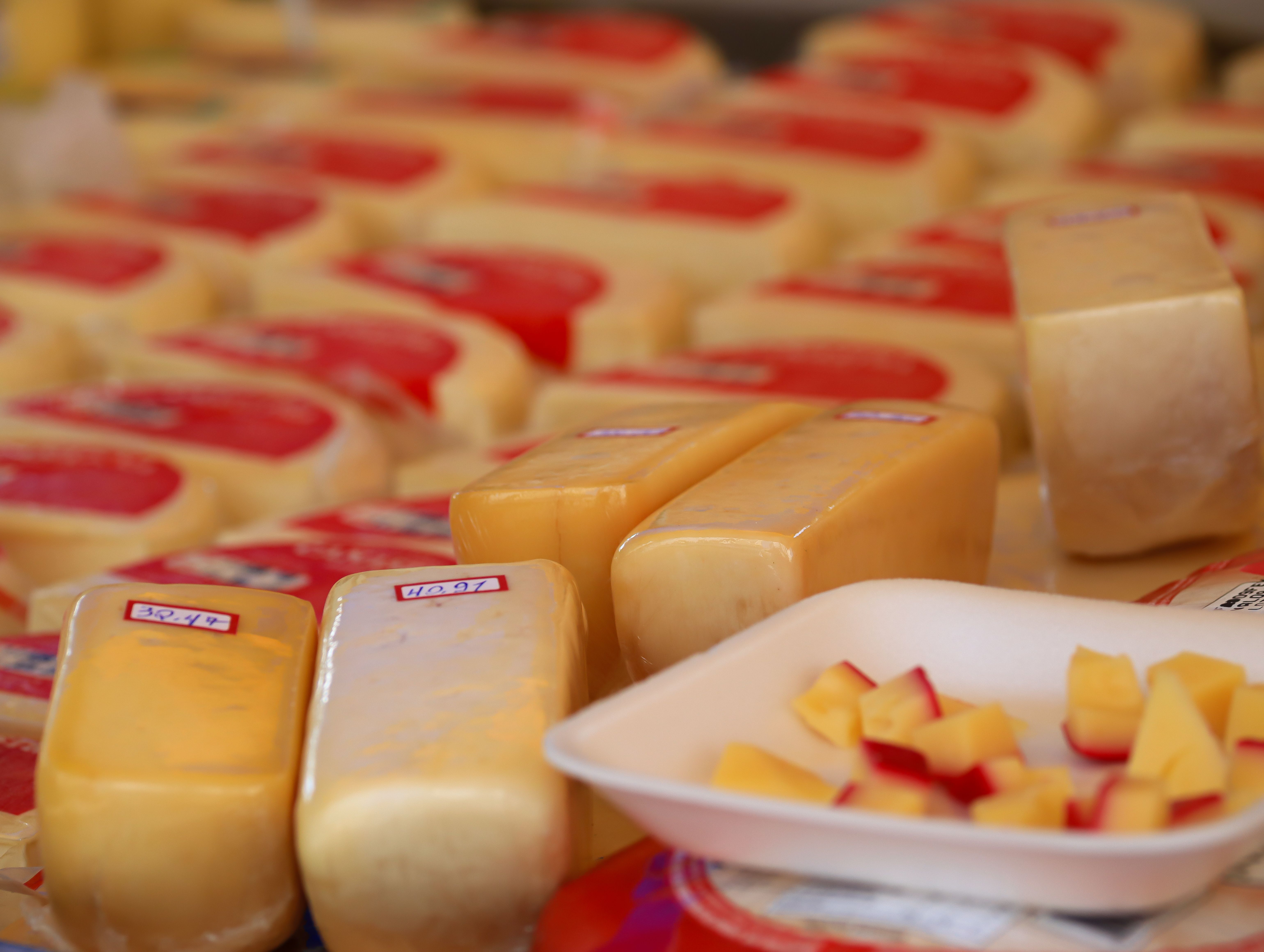
If you have only ever had young gouda, aged gouda will reset your brain. It is the difference between drinking a fresh-pressed apple cider and a bottle of aged calvados. Same fruit, very different experience.
Is Aged Gouda Lactose-Free?
Effectively, yes. Aged gouda typically has less than 0.1 grams of lactose per serving, which is well below the threshold most lactose-sensitive folks can tolerate.
Here's the science, kept short. When cheese is made, most of the lactose drains away with the whey. The little bit left in the curd gets eaten by the bacteria during aging. After 12+ months, you are basically left with protein, fat, and flavor. Aged gouda joins aged cheddar and parmesan in the lactose-free hall of fame.
If you've been avoiding cheese because of dairy sensitivity, our guide to lactose-free aged cheeses covers what is safe & what to skip.
How to Eat Aged Gouda (& What to Pair With It)
Aged gouda is one of the most versatile cheeses on a board. It plays well with sweet, salty, smoky, and boozy.

A few combinations we keep going back to:
On a Cheese Board
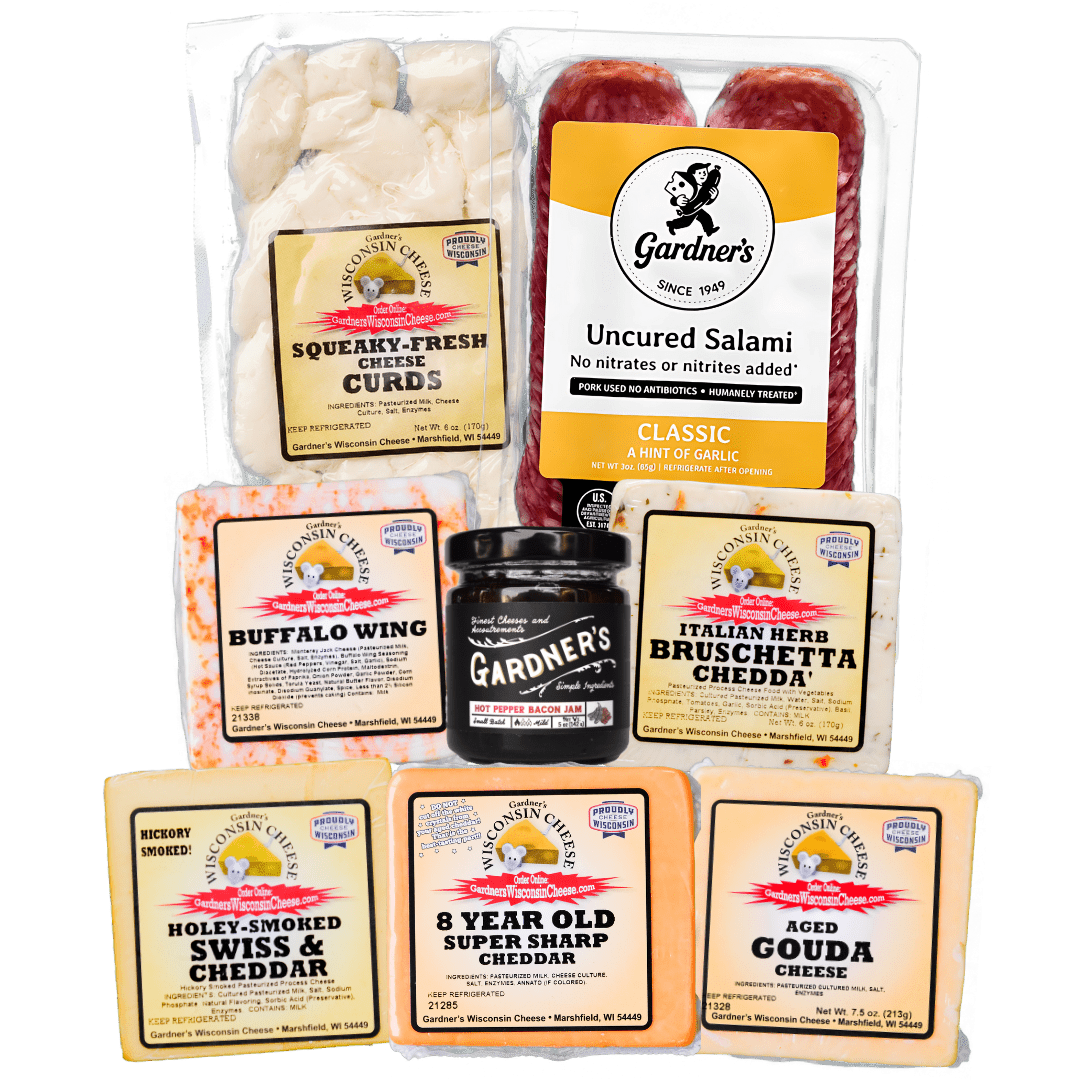
Slice or chunk it (don't worry if it crumbles, that means it is doing its job). Add a drizzle of Hot Honey Drizzle or a spoonful of Hot Pepper Bacon Jam for the sweet-savory move. Pair it with our Garlic Summer Sausage and a handful of toasted nuts.

Melted
Aged gouda melts beautifully. Shred it onto mac & cheese (try our Bacon & Gouda Mac and Cheese recipe), layer it onto a grilled cheese (our Apple Bacon Gouda Grilled Cheese is a top-five sandwich at our place), or use it on burgers when you want something sweeter than cheddar.
With Drinks
Stout, IPA, port wine, brandy, or a sauvignon blanc. The nutty-sweet profile loves dark, malty beers and fortified wines. If you only have one wine in the house, port is the move.
Frequently Asked Questions
How long is your aged gouda aged?
Aged gouda is typically aged 12 months or longer. Some varieties are aged 2-5 years for even deeper flavor. Our Aged Gouda hits the sweet spot where it is rich & nutty without becoming overly sharp.
Is aged gouda hard cheese?
Yes. Gouda starts as a semi-hard cheese, but after a year or more of aging, the moisture loss firms it up into a hard cheese with a crumbly, granular texture similar to aged parmesan or aged cheddar.
Does aged gouda need to be refrigerated?
Yes, refrigerate it for best results. Unopened, our aged gouda will keep practically forever in the fridge & continue to develop flavor. Once opened, rewrap in parchment or wax paper & it will last about a month.
What's the white stuff in aged gouda?
Those crunchy white specks are calcium lactate or tyrosine crystals. They form naturally as the cheese ages & proteins break down. They are completely safe to eat, totally natural, & considered a sign of high-quality aged cheese.
How do you cut aged gouda?
Use a sharp knife or, better yet, a wire cheese slicer for clean cuts. Aged gouda can be crumbly, so don't worry if pieces break off. Crumbles are the best part of a cheese board anyway.
What's the best wine for aged gouda?
Port wine is the gold standard. Tawny port especially loves aged gouda. If you prefer dry wines, try a sauvignon blanc or a dry sherry. For beer drinkers, stout & IPA both work beautifully.
Ready to Taste the Difference?
Aged gouda is the cheese that converts cheddar loyalists. One bite of ours and you'll see why. Order our Aged Gouda today, or build a board with our Vintage Package for the full aged-cheese tour.