












· By Daylon Gardner
Can You Freeze Cheese? A Wisconsin Cheesemaker's Guide to What Freezes, What Doesn't & What You Can Salvage
Short answer: sometimes. Some cheeses freeze like champs. Others come out of the freezer sad, crumbly, and ready to forgive nobody.
We've been making cheese in central Wisconsin for 40+ years, so we've seen every freezer disaster. Here's what actually works, what to skip, and how to freeze cheese without ruining it.
Cheesy Takeaways
-
Hard & semi-hard cheeses (cheddar, parmesan, gouda) freeze well but get crumblier after thawing.
-
Block cheeses should NOT be frozen unless you're using them for cooking later. It's right in our FAQ.
-
Cheese curds are the exception & freeze beautifully. A quick reheat restores the squeak.
-
Soft cheeses (brie, fresh mozzarella, ricotta) lose texture badly in the freezer.
-
Shredded cheese freezes fine for 3-6 months, which makes it a cook-ahead lifesaver.
Can All Cheese Be Frozen?
Technically yes. Practically no. Freezing changes cheese. Water inside the cheese forms ice crystals that break down the creamy structure, and when it thaws, that texture doesn't fully come back. The firmer & drier the cheese, the less noticeable the damage. The softer & wetter the cheese, the more it suffers.

Here's the quick translation:
-
Freezes well: Cheese curds, shredded cheese, hard & semi-hard blocks you plan to cook with.
-
Freezes okay: Aged cheddar, gouda, parmesan, swiss. Texture changes, flavor survives.
-
Skip the freezer: Fresh mozzarella, ricotta, cottage cheese, brie, cream cheese (unless you're cooking it).
Cheeses That Freeze Well
Hard and semi-hard cheeses hold up because they have less moisture to freeze.

Shredded cheese wins because you've already accepted you'll melt it into something, so texture isn't the priority. Here's the shortlist of wins:
Cheese Curds (The Surprising Champion)
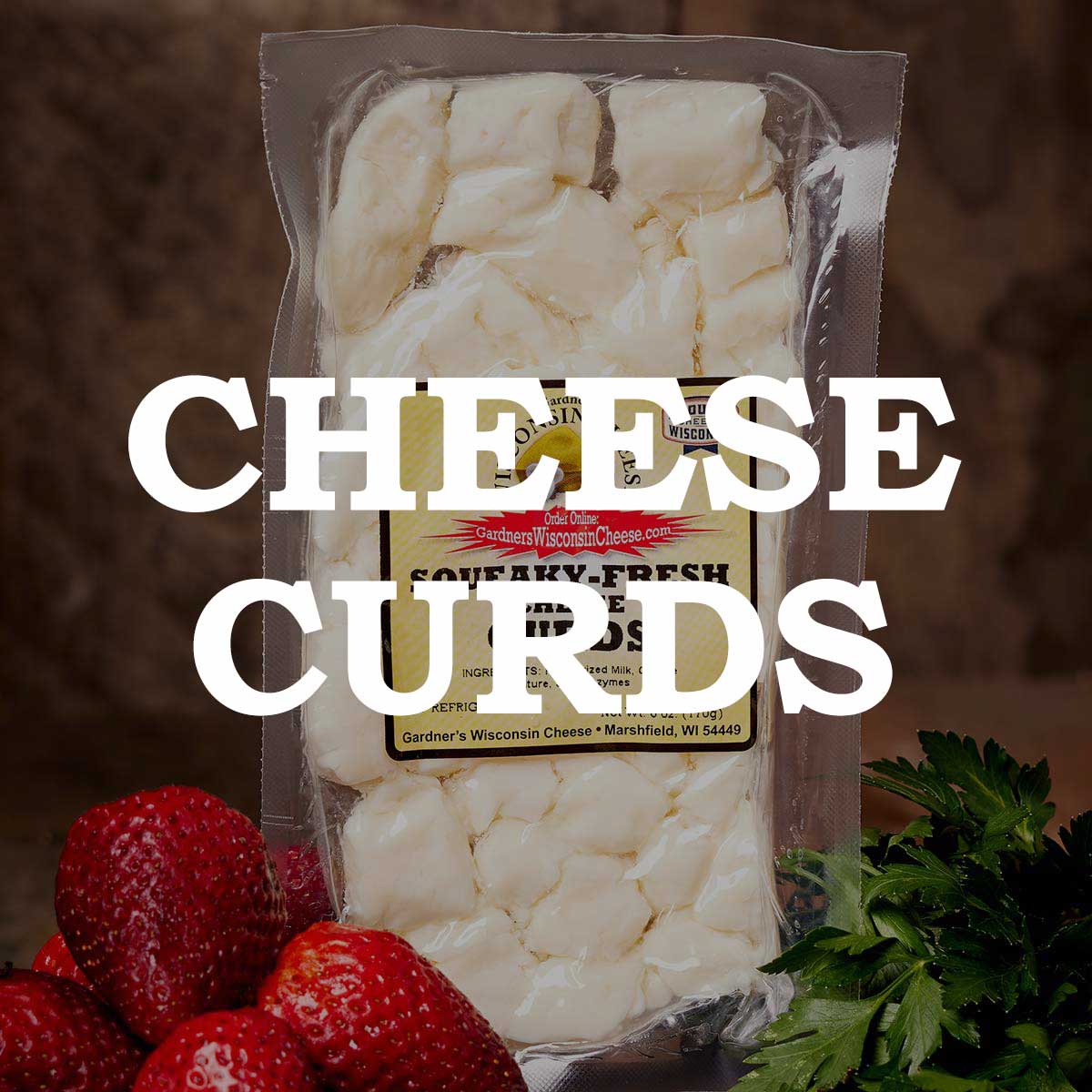
Yes, really. Our Squeaky Cheese Curds are the cheese we REALLY recommend freezing. Curds handle the freezer better than aged cheddars do, and you can keep them squeaky-fresh for months instead of eating 8 packs in 2 weeks.

Pro tip that's worth its weight in gold: after thawing, bring curds to room temperature or microwave for 10 seconds to restore the squeak. That squeak is the whole point.
Shredded Cheese
Shredded cheddar, mozzarella, or any shredded blend freezes for 3-6 months. The slight texture change doesn't matter when it's going on pizza, into mac & cheese, or baked into a casserole. Freeze in zip-top bags with the air squeezed out, and throw it into your dish straight from frozen.
Hard Cheeses for Cooking
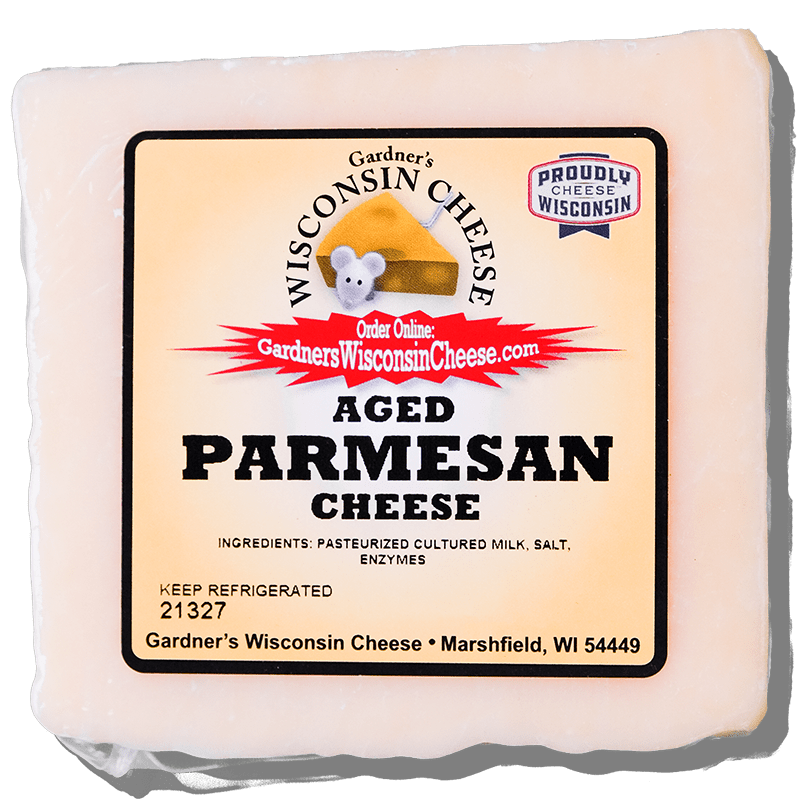
Aged cheddar, parmesan, gouda, and swiss all freeze well if the plan is to cook with them after. Frozen aged parmesan shaves or grates fine after thawing and works beautifully in pasta sauces or risottos.
Cheeses You Should NOT Freeze
Our FAQ is blunt about it: block cheese should NOT be frozen. Here's why and what else to skip:
-
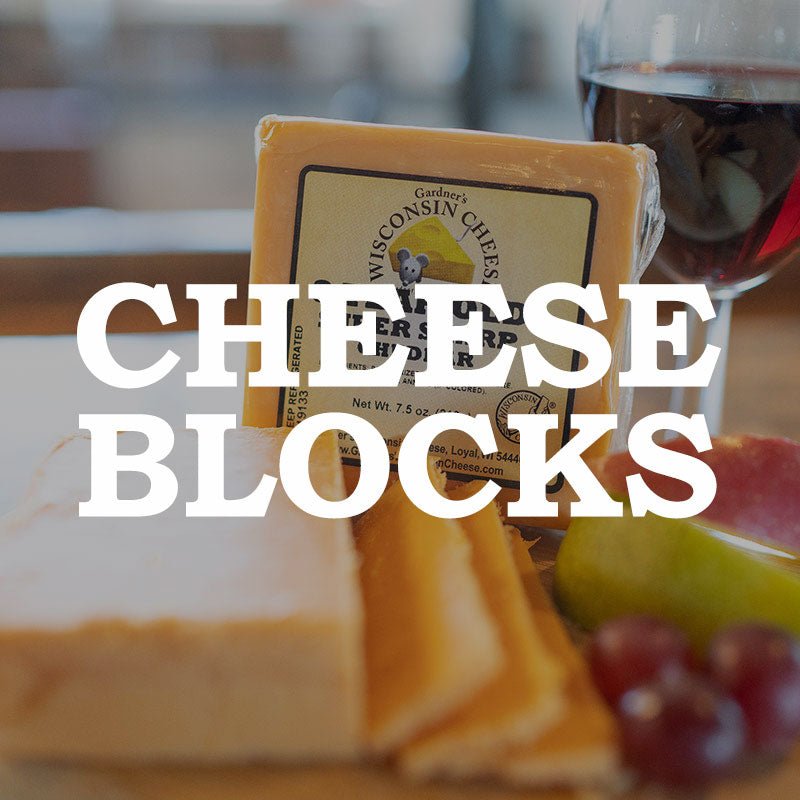
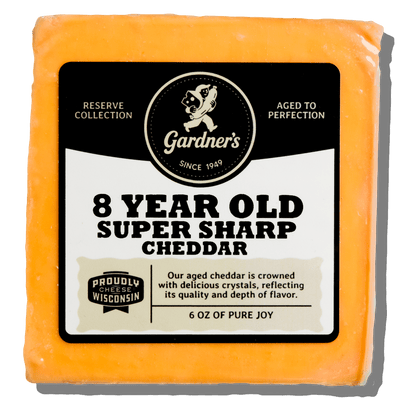
Block cheddar, block gouda, specialty blocks: Freezing ruins the creamy-to-sliceable texture these cheeses are designed for. If you're not cooking with it, don't freeze it.
-
Fresh mozzarella: Turns rubbery and grainy. Just eat it fresh.
-
Ricotta & cottage cheese: Separates horribly. The texture becomes watery and weird.
-
Brie, camembert, and other bloomy rinds: The soft interior breaks down completely. Sad cheese.
-
Cream cheese: Fine for baking, not for bagels. Freezes grainy.
How to Freeze Cheese Properly
If you're going to do it, do it right:
-
Wrap tightly. Use plastic wrap, then foil, then a freezer-safe bag. Triple wrap is not overkill. Freezer burn is the enemy.
-
Squeeze out all the air. Air is what dries out frozen cheese and makes it crumbly beyond repair.
-
Portion before freezing. Freeze cheese in the amounts you'll actually use. Refreezing is a no.
-
Label the bag. With the date. Trust us, future you won't remember.
-
Use within 6 months. Most cheese stays safe longer, but quality drops after half a year.
How to Thaw Frozen Cheese
Thaw slowly in the fridge overnight. Never on the counter, and definitely not in the microwave. A slow thaw gives the cheese the best chance of holding its texture. Once thawed, use it within a few days. And don't refreeze it. That way lies sadness.

For cooking applications, you can often skip thawing entirely. Throw frozen shredded cheese onto a pizza or into a casserole. Grate frozen parmesan directly into pasta sauce.
How Long Does Frozen Cheese Last?
Here's the rundown:
-
Shredded cheese: 3-6 months at peak quality.
-
Hard cheese blocks (aged cheddar, parmesan, gouda): 6-12 months.
-
Cheese curds: Up to 6 months, though they're at their absolute best in the first 2-3 months.
-
Soft cheeses: Don't. But if you did, use within 1-2 months and plan to cook with it.
Cheese in the freezer is technically safe indefinitely if kept at a constant 0°F. These numbers are about quality, not safety.
The Gardner's Take on Freezing
Our whole business is making cheese taste as good as possible from the moment you open the box. That's why our FAQ says not to freeze block cheeses. The texture we spent time & expertise building gets compromised in the freezer.
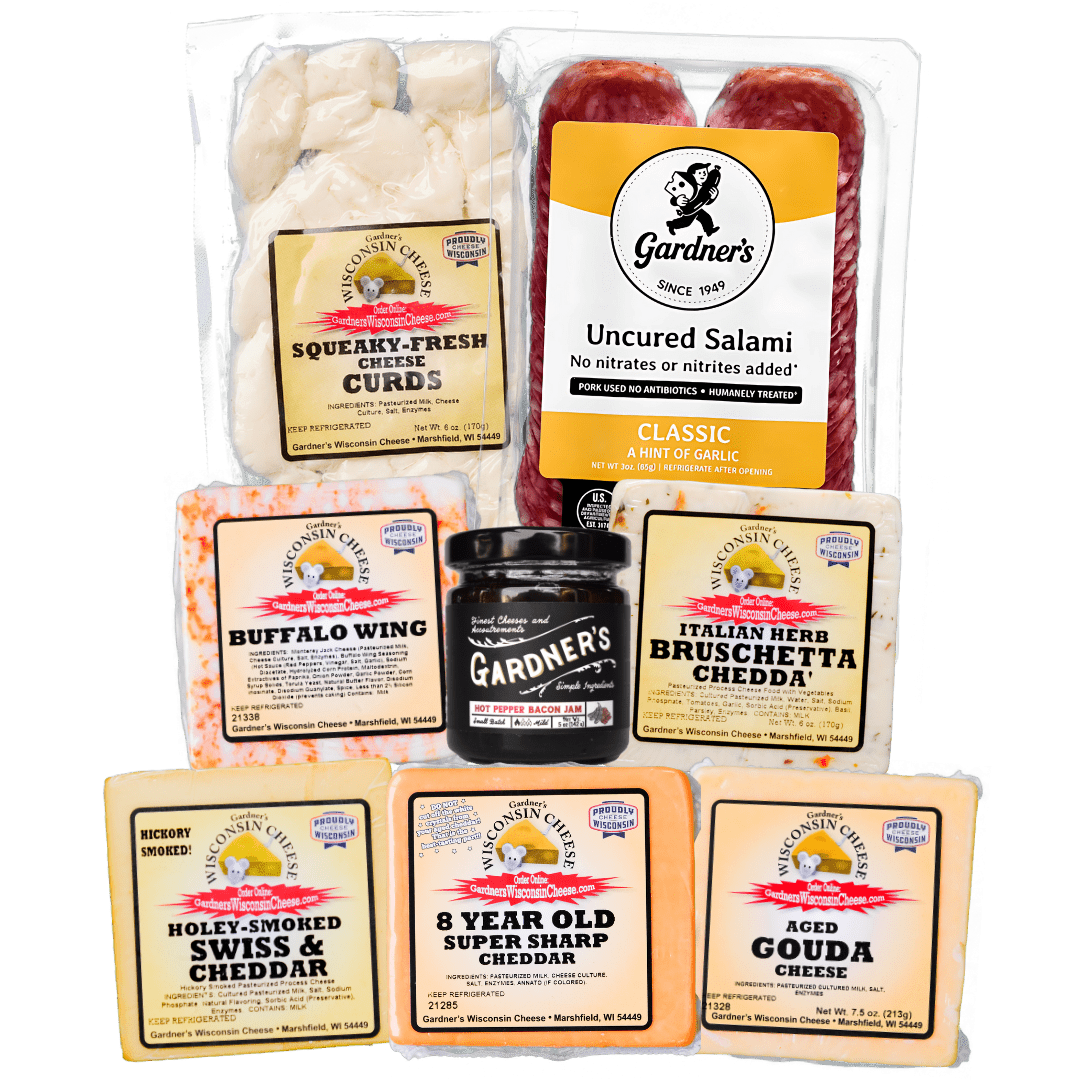
But if you're buying our Squeaky Cheese Curds and want to stash some for later, freeze away. That 10-second microwave trick brings them right back. And if you're a regular cheese buyer, you might actually save yourself the freezer gymnastics by signing up for our Curated Cheese and Meat Subscription Box so fresh cheese just shows up every month.

Want more on shelf life? Our cheese storage guide & our block cheese shelf life guide have the deep dives.
FAQ: Freezing Cheese
How long does frozen cheese last?
3-6 months for shredded cheese, up to 12 months for hard cheese blocks, and about 6 months for cheese curds. It stays safe longer, but quality drops over time.
Can you freeze cheese curds?
Yes, and they're one of the few cheeses we actively recommend freezing. Use within 2 weeks of receipt for best flavor, or freeze them within that window for longer storage. A quick microwave after thawing restores the signature squeak.
Can you refreeze cheese after thawing?
No. Refreezing drops quality hard & can be unsafe. Portion your cheese before freezing so you only thaw what you'll use.
Does freezing cheese change the texture?
Yes. Expect cheese to be slightly more crumbly after thawing, which is why we recommend frozen cheese mostly for cooking applications where you'll melt it anyway.
Can you freeze block cheese?
Technically yes, but we strongly recommend against it unless you plan to cook with it later. Block cheese is designed to slice clean & melt smoothly, and freezing compromises both.
What's the best way to freeze cheese?
Wrap tightly in plastic, then foil, then a freezer-safe bag with the air squeezed out. Label with the date. Portion before freezing so you're not refreezing later.
Bottom Line
Some cheese freezes beautifully. Some cheese turns into a sad, crumbly tragedy. Know the difference, wrap it right, and you'll save yourself money & headaches.
Or skip the freezer gymnastics entirely and order fresh. Our cheese curds ship the same day they're made, and our aged cheddars last forever in the fridge unopened. No freezer required.
