















· By Daylon Gardner
Wisconsin Cheese Curds: The Snack That Built a Dairy Empire
Key Takeaways
-
Wisconsin produces over 25% of all U.S. cheese and has been the undisputed center of American dairy culture for over 150 years, and cheese curds are the snack at the heart of that identity.
-
Fresh cheese curds are a byproduct of the cheddar-making process, eaten within hours of production at peak squeak and peak flavor.
-
Wisconsin is the only U.S. state requiring licensed cheesemakers and the only state running a master cheesemaker program, which is a big part of why Wisconsin curds taste the way they do.
-
From Friday fish fries to Packers tailgates to poutine and beyond, cheese curds are woven into Wisconsin's food culture in a way that goes well beyond snacking.
-
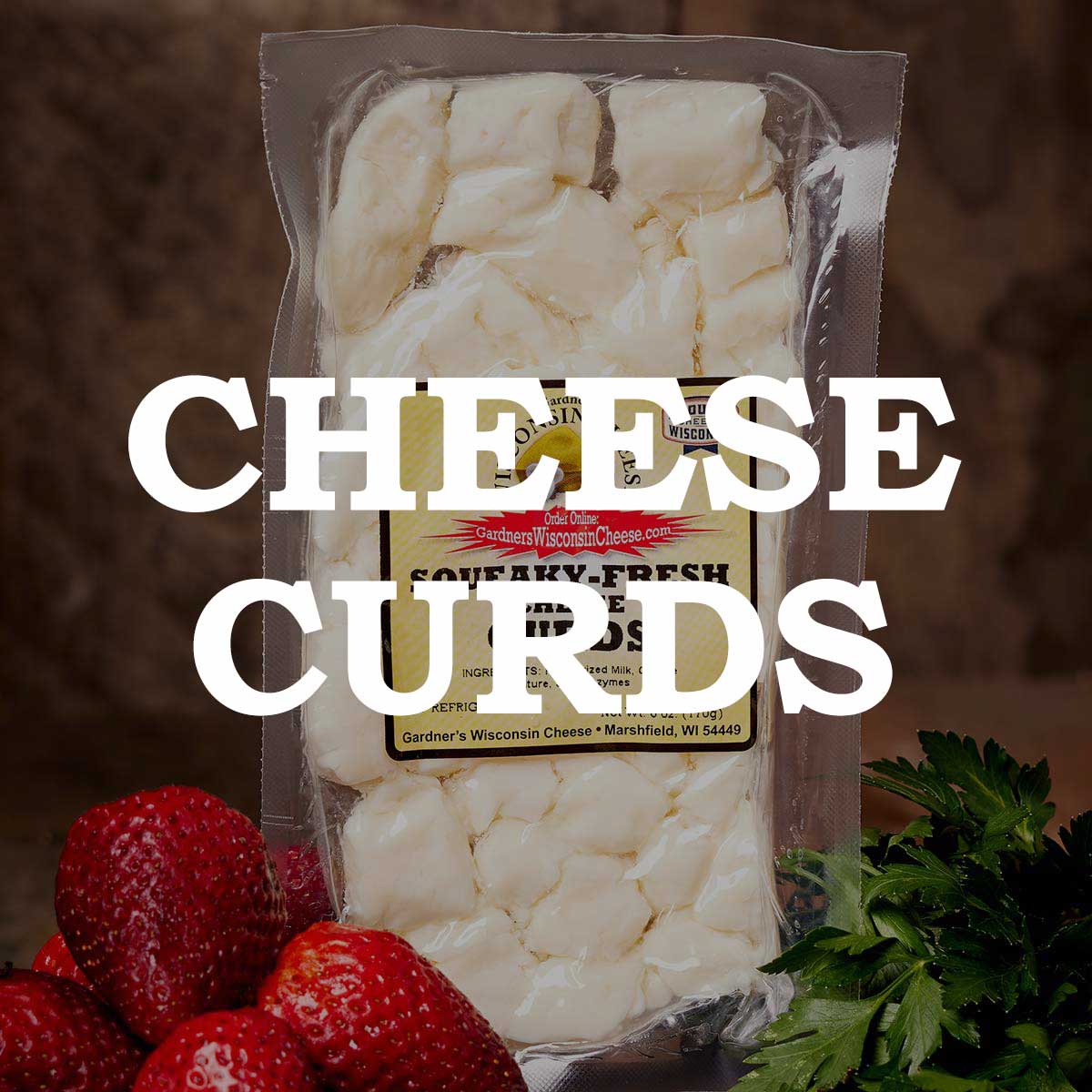
Gardner's makes their fresh Wisconsin cheese curds every single morning and ships them the same day, bringing that dairy empire experience straight to your door.
Every Empire Has an Origin Story. Wisconsin's Involves a Lot of Cows.
Picture the American Midwest in the early 1800s. Frontier farmland, ambitious settlers, and a whole lot of untapped potential. Wisconsin at that point was mostly a wheat state. Decent enough, but not exactly the stuff of legend.
Then something shifted.
European immigrants began arriving in waves throughout the mid-1800s, carrying with them centuries of Old World dairy expertise. German, Swiss, Polish, and Scandinavian settlers looked at Wisconsin's rich glacial soil, its abundant water, and its ideal climate for dairy farming and made a collective decision that would define the state forever: this is cow country.

By the 1880s, wheat farming had largely given way to dairy. Refrigerated railcars meant Wisconsin cheese could travel the country. Creameries and cheese factories multiplied across the state. And somewhere in all of that production, someone figured out that the fresh curds coming off the cheddar vat were too good to press into blocks and put away for aging.
Wisconsin cheese curds were not invented so much as discovered. And once people tasted them, there was no going back.
What Makes a Wisconsin Cheese Curd a Wisconsin Cheese Curd
Not all cheese curds are created equal, and the gap between a genuinely fresh Wisconsin curd and what gets sold under that name elsewhere is significant enough to matter.
Wisconsin cheese curds are the fresh, unaged byproduct of the cheddar-making process. Milk gets cultured, coagulated, cut, stirred, and drained of whey. What forms before any pressing or aging happens is curds: small, irregular pieces of fresh cheddar with a mild, milky, clean flavor and that unmistakable elastic texture that produces the squeak.
The squeak is everything. It is caused by tight protein structures in fresh curds rubbing against tooth enamel, and it is the single most reliable freshness indicator in the dairy world. Peak squeak happens within 24 to 48 hours of production. After that, moisture escapes, proteins loosen, and the squeak fades. A non-squeaky curd is not ruined, it is just not fresh.
This is why Wisconsin's infrastructure matters so much. The state's density of licensed cheesemakers and active creameries means fresh curds can be produced daily and distributed quickly. In most of the country, getting truly fresh curds requires either living near a Wisconsin dairy or ordering directly from one. Gardner's fresh Wisconsin cheese curds are made every morning and shipped the same day, which is as close as most people outside the state will ever get to standing next to the vat.

The Wisconsin Advantage: Why the State Does This Better Than Anyone
Wisconsin does not produce great cheese curds by accident. It produces them because of a system built over more than a century and a half of intentional dairy investment.
A few things set Wisconsin apart from every other cheese-producing state in the country:
Licensed cheesemakers. Wisconsin is the only U.S. state that requires government licensing for cheesemakers. Every person crafting cheese here has passed rigorous standards and demonstrated genuine competency. This is not a formality. It is a floor of quality that does not exist anywhere else in the country.
The master cheesemaker program. Launched in 1994 and modeled after European guild systems, this program represents the highest level of cheesemaking achievement in the United States. Master cheesemakers specialize in specific varieties and spend years perfecting their craft. The program produces the kind of expertise that shows up directly in the quality of what comes off the vat.

Over 600 recognized varieties. Wisconsin produces more cheese varieties than any other state and routinely dominates national and international competitions. The World Championship Cheese Contest has become something of a Wisconsin victory lap. That breadth of expertise means even a humble fresh curd benefits from generations of accumulated knowledge.
The milk. Wisconsin's dairy cows graze on land shaped by glacial activity over thousands of years, producing mineral-rich soil and lush pasture. The quality of the milk reflects the quality of what the animals eat. It sounds like marketing language until you taste the difference.
Cheese Curds and Wisconsin Culture: A Relationship That Goes Way Beyond Snacking
Ask anyone who grew up in Wisconsin about cheese curds and you will not get a neutral answer. You will get a story. A specific Friday fish fry. A county fair memory. A tailgate that got out of hand in the best possible way.
Cheese curds are not just a food in Wisconsin. They are a cultural touchstone.
Friday fish fries are a Wisconsin institution, and deep fried cheese curds are as mandatory at a fish fry as the perch itself. The combination of beer batter, hot oil, and a fresh squeaky curd is something that Midwesterners grow up understanding on an almost cellular level.
County fairs and summer festivals are where many Wisconsin residents have their first curd experience: a paper bag of fresh curds from a dairy booth, eaten warm, slightly salty, and impossibly good on a summer afternoon.
Packers tailgates feature cheese in quantities that would alarm anyone not from the region. The foam cheesehead hat that has become synonymous with Green Bay Packers fandom is not just a sports accessory. It is a genuine expression of state pride in a dairy heritage that feeds the whole country.

Bars and taverns across the state keep baskets of fried cheese curds on the menu year-round. They are the Wisconsin equivalent of bar peanuts, except significantly better in every measurable way.
Poutine, while technically Canadian in origin, owes its entire existence to the cheese curd. Fresh curds over fries and gravy is a combination that only works with the real thing. Substituting shredded mozzarella is a culinary crime that Wisconsin would like to officially discourage.
The Many Ways to Eat Wisconsin Cheese Curds
Fresh cheese curds are extraordinarily versatile for something that is also perfect completely unadorned.
Straight from the bag is the purest expression of what a curd is supposed to be. No preparation, no accompaniment, no ceremony. Just fresh dairy at its most immediate and most satisfying. This is how Wisconsin eats them and there is a reason for that.
Deep fried is the preparation that turned curds from a regional dairy byproduct into a nationally recognized snack. A light, seasoned batter, properly heated oil, and two to three minutes is all it takes.

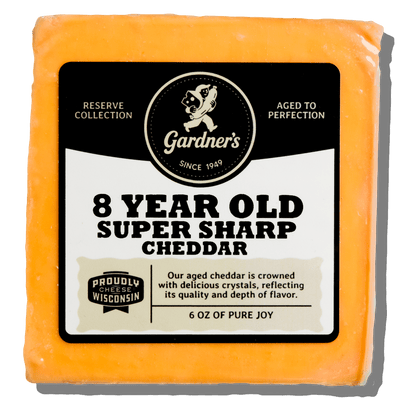
On a cheese board alongside Gardner's aged cheddars is a genuinely interesting tasting experience. Fresh curds represent cheddar at its youngest and most immediate. An 8-year or 13-year aged cheddar represents cheddar at its most complex and concentrated. Tasting them side by side tells the whole story of what time and craft do to the same starting ingredient.
Melted into mac and cheese or soup is where curds show off a different skill. Their high moisture content and fresh protein structure means they melt quickly, smoothly, and evenly. The mild cheddar flavor blends without competing, making them an excellent base for dishes where you want cheese presence without sharpness.
As a gift alongside Gardner's artisan meats and aged cheddars makes for a complete Wisconsin experience that travels well. Fresh curds shipped in Gardner's custom cold-pack arrive at peak condition and make an impression on anyone who has never encountered the real thing.

Gardner's Cheese Curds: The Daily Fresh Standard
Gardner's has been part of Wisconsin's dairy heritage for over 100 years on the dairy side and over 40 years as a cheese and sausage operation. Their dairy has been ranked number one in the country for best-tasting cheese four years running. That track record is built on the same commitment to simplicity and quality that shows up in every bag of curds they ship.
The ingredient list for Gardner's cheddar cheese curds is exactly what it should be: milk, cultures, salt, enzymes. Nothing added, nothing hidden, nothing that requires explanation. Just fresh Wisconsin dairy made the way it has always been made.
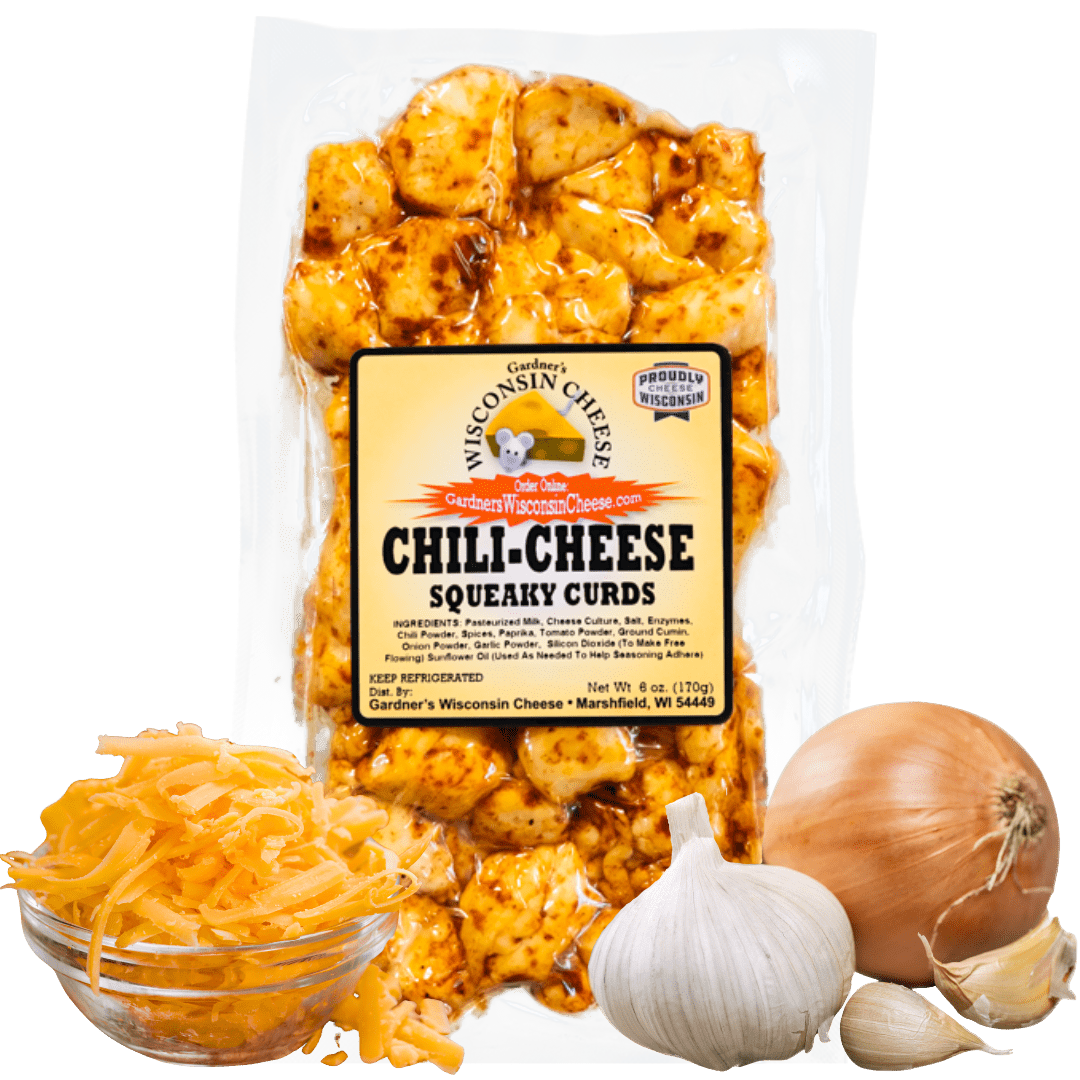
Their full cheese curds collection includes the classic original white cheddar curds alongside flavored varieties that take the fresh curd concept in directions worth exploring.
Garlic Dill brings herby, savory brightness to the mild cheddar base and is exceptional both fresh and fried. Maple Bacon delivers a sweet and smoky balance that works surprisingly well across a wide range of pairings. Buffalo Wing, Gardner's best seller, brings mild heat and tangy buffalo flavor without overwhelming the cheese underneath. Seasonal and limited flavors rotate through regularly, so the collection always has something new worth trying.
Every order is custom cold-packed based on the forecast at your destination and ships at the beginning of each week to ensure arrival before the weekend. Cold-pack shipping is free on orders of $69 or more. What arrives at your door is as close to standing in a Wisconsin creamery as you can get without actually booking the trip.
Browse the full Gardner's cheese curds collection and find your starting point. Fair warning: the bag size you order the first time will feel inadequate.
Frequently Asked Questions
What are Wisconsin cheese curds and why are they squeaky? Wisconsin cheese curds are the fresh, unaged pieces of cheddar formed during the cheesemaking process before any pressing or aging takes place. The squeak comes from elastic protein structures in fresh curds rubbing against tooth enamel when you bite into them. It is a direct indicator of freshness and fades within 24 to 48 hours as moisture escapes and proteins loosen.
What is the difference between fresh cheese curds and aged cheddar? They begin the same process but diverge completely after the curds form. Aged cheddar gets pressed and aged for months or years, developing complex flavor and firm texture. Fresh curds are eaten immediately with a mild, milky flavor and bouncy, elastic texture. Gardner's carries both, and tasting them side by side is genuinely illuminating.
How fresh do cheese curds need to be to squeak? Peak squeak happens within the first 24 to 48 hours after production. Gardner's makes their curds every morning and ships the same day, so they arrive well within that window. If your curds have been in the fridge a day or two and lost some squeak, a 10 to 15 second microwave will revive some of the texture.
Can I get fresh Wisconsin cheese curds shipped to me? Yes. Gardner's ships fresh cheese curds nationwide with custom cold-pack packaging based on the weather at your destination. Orders ship at the beginning of each week and cold-pack shipping is free on orders of $69 or more. Their curds arrive fresh, squeaky, and ready to eat.
What are the best ways to eat fresh cheese curds? Straight from the bag is the classic Wisconsin answer and requires no justification. Deep fried with a light seasoned batter is the preparation that made them nationally famous. They also work beautifully on cheese boards, melted into mac and cheese or soup, as the foundation of a proper poutine, and as part of a gift alongside aged cheddars and artisan meats from Gardner's full lineup.