















· By Daylon Gardner
Cheddar Cheese Curds: Small in Size, Massive in Personality
Cheddar Cheese Curds: Small in Size, Massive in Personality
Key Takeaways
-
Cheddar cheese curds are the fresh, squeaky byproduct of the cheddar-making process, and they are one of the most beloved and misunderstood snacks in the dairy world.
-
The signature squeak comes from elastic protein strands rubbing against your teeth, and it is the single best indicator of freshness you will ever encounter in a food.
-
Wisconsin is the undisputed home of great cheese curds, thanks to strict licensing requirements, a master cheesemaker program, and over 600 recognized cheese varieties.
-
Curds are incredibly versatile: eat them fresh, fry them, melt them, or use them as the foundation of a proper poutine.
-
Gardner's makes their cheddar cheese curds fresh every single morning and ships them the same day, so what arrives at your door is about as fresh as it gets outside of standing next to the vat yourself.
The Snack That Stops People Mid-Sentence
You hand someone a fresh cheddar cheese curd for the first time. They pop it in their mouth. They chew once. Then comes the sound: that unmistakable, slightly ridiculous squeak against their teeth. And then comes the look. The one that says: "Where has this been my entire life?"
That moment happens thousands of times a day across Wisconsin, and it never gets old.
Cheddar cheese curds are one of those foods that sounds simple on paper and then completely overdelivers in real life. Small, fresh, squeaky, salty, and rich with genuine cheddar flavor, they are the kind of snack that turns casual cheese fans into full-blown dairy devotees. Once you have had a truly fresh curd, the bar is set and it is set high.
So what exactly are they, where do they come from, and why does Wisconsin do them better than everyone else? Let's get into it.
What Is a Cheddar Cheese Curd, Actually?
Here is the cheese curd definition you did not know you needed.
Cheese curds are the fresh, unaged chunks of curdled milk that form early in the cheesemaking process, before the cheese is pressed, shaped, and aged into the blocks and wheels we recognize. When you are making cheddar, you add starter cultures and rennet to milk, which causes it to coagulate into a semi-solid mass. That mass gets cut, stirred, heated, and drained of whey. What you are left with before any pressing or aging happens is curds.

Most of the time, those curds get pressed together into blocks and sent off to age into the cheddar we know and love. But in Wisconsin, a not-insignificant portion of those curds get eaten immediately, exactly as they are, because Wisconsin figured out a long time ago that fresh curds are something special.
What is a cheddar cheese curd made of? The same things as cheddar itself: pasteurized milk, cheese cultures, salt, and enzymes. That is the whole list. No fillers, no stabilizers, no ingredients you need to look up. Just fresh dairy at its most honest and most delicious.
The Science of the Squeak
The squeak is not a gimmick. It is a freshness indicator, and understanding why it happens makes you appreciate it even more.
Fresh cheese curds have a tight, elastic protein structure. When you bite into one, those proteins rub against the enamel of your teeth and produce the squeak. It is the same basic physics as running a wet finger along a clean glass, just significantly more delicious.
Here is the important part: that squeak fades. As curds age and moisture escapes, the protein structure loosens and the squeak disappears. A curd that does not squeak is not bad cheese, it is just not fresh cheese. The window for peak squeak is roughly 24 to 48 hours after production, which is exactly why sourcing matters so much.
Gardner's fresh cheddar cheese curds are made every single morning and shipped the same day. That means when they arrive at your door, you are well within the squeak window.

Pro tip: if your curds arrive and you are not ready to eat them immediately, pop them in the freezer. Curds freeze well and revive beautifully. You can also microwave them for 10 to 15 seconds to bring some squeak back if they have been in the fridge for a day or two. It is not magic, but it is close.
Cheddar Cheese Curd Origin: A Wisconsin Story
The cheese curd origin story is inseparable from Wisconsin's dairy history, so bear with us for a moment because this part is genuinely interesting.
Wisconsin's cheesemaking heritage stretches back to the mid-1800s, when waves of European immigrants arrived carrying Old World dairy traditions with them. German, Swiss, Polish, and Scandinavian settlers blended their techniques with Wisconsin's abundant milk supply and ideal dairy climate to create something uniquely American.

By the late 1800s, Wisconsin had gone all-in on dairy, eventually becoming the only U.S. state to require government-licensed cheesemakers and the only state running a master cheesemaker program modeled after European guild systems. That institutional commitment to craft is a big part of why Wisconsin cheese, including its curds, consistently outperforms what you find elsewhere.
Cheese curds became a Wisconsin cultural institution somewhere along the way. They showed up at Friday fish fries, county fairs, tailgates, and corner bars. Deep fried cheese curds became a staple of the state's food identity. The foam cheesehead hat at Packers games is essentially a monument to the curd's cultural importance, if you think about it the right way.
Cheddar Curds vs. Regular Cheddar: What Is the Actual Difference?
This is a question worth answering clearly because it confuses a lot of people.
Cheddar cheese curds and aged cheddar blocks are made from the same base ingredients and begin the same process. The difference is entirely about what happens after the curds form.
Aged cheddar gets pressed into blocks and put away for months or years. During that time, enzymes break down proteins and fats into hundreds of flavor compounds. Moisture evaporates. The texture firms up. Flavor concentrates. The end result is the sharp, complex, slightly crumbly cheddar most people are familiar with.

Fresh curds skip all of that. They are eaten at the very beginning of the process, before any of that transformation happens. The flavor is mild, milky, and clean with a gentle cheddar tang. The texture is bouncy and elastic rather than firm or crumbly. They are essentially cheddar in its most unfiltered, immediate form.
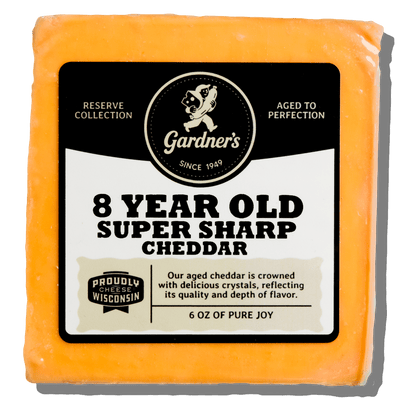
Neither is better than the other. They are different experiences entirely. Which is why Gardner's makes a compelling case for keeping both on hand at all times. Their aged cheddar lineup goes all the way up to a 17-year-old super-sharp cheddar, and their fresh curds represent the other end of that spectrum. Together, they tell the whole cheddar story.
The Many Flavors of Gardner's Cheddar Cheese Curds
Plain white cheddar curds are the classic, and they are excellent. But Gardner's has taken the curd concept and run with it in a few directions that are worth knowing about.
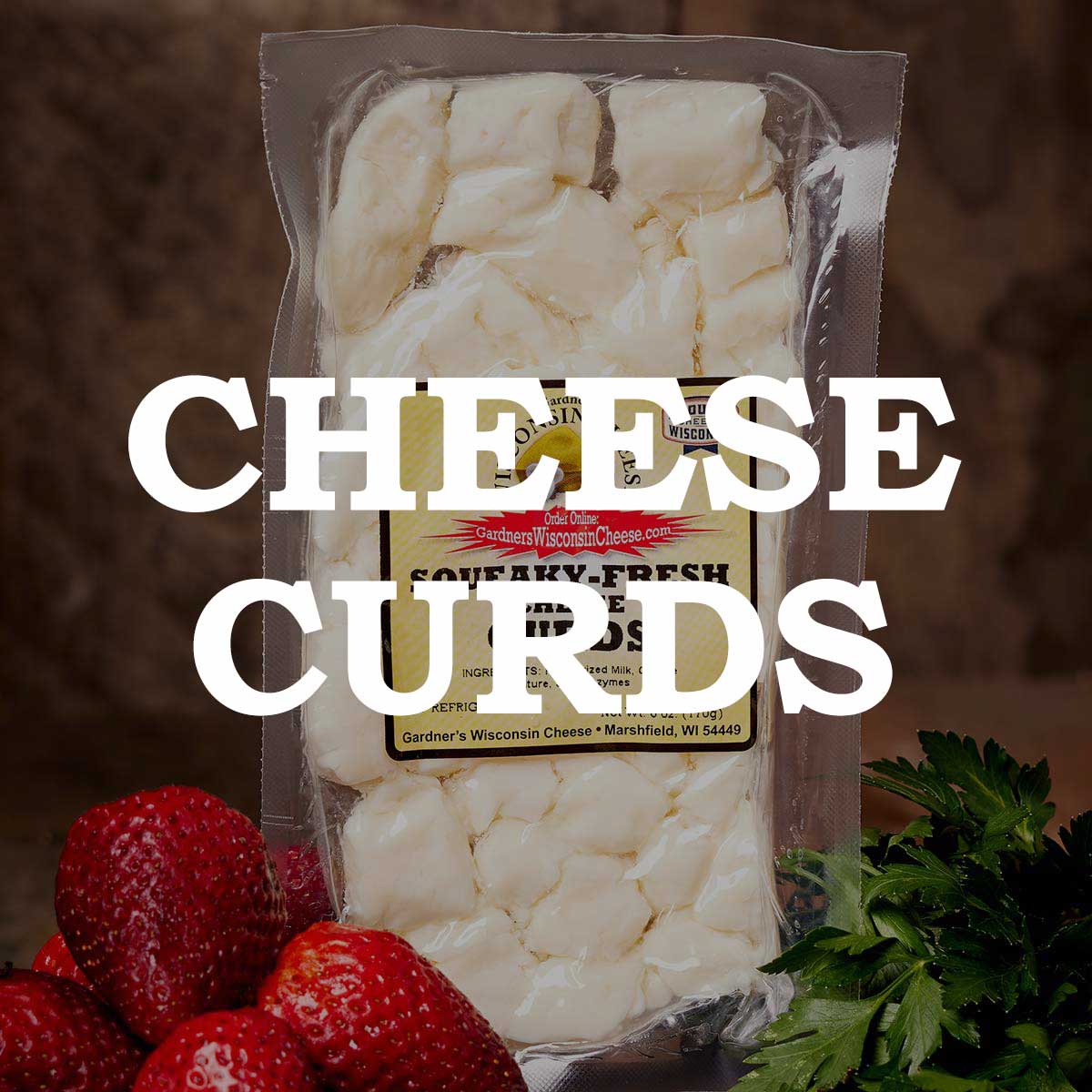
Original White Cheddar Curds are the foundation. Mild, squeaky, clean cheddar flavor. Perfect for snacking straight from the bag, frying, or adding to dishes where you want the cheese to play a supporting role without stealing the show.
Garlic Dill Curds are herby, savory, and genuinely addictive. The tang of dill and the mellow warmth of garlic complement the mild cheddar base beautifully. These are exceptional fried, and equally good cold on a snack board.
Maple Bacon Curds bring a sweet and smoky combination that sounds like it should not work as well as it does. The maple note is subtle, the bacon flavor is present without being overwhelming, and the whole thing is surprisingly versatile. Great with a lager or alongside a charcuterie spread from Gardner's artisan meats collection.
Buffalo Wing Curds are Gardner's best seller, and once you try them it is not hard to understand why. The mild heat of the buffalo flavor comes through cleanly without turning aggressive, and the creamy cheddar base keeps everything balanced. These are the ones that disappear fastest at any gathering.
Seasonal and limited flavors rotate through the lineup regularly, so the Gardner's cheese curds collection is always worth checking for what is new.
How to Eat Cheddar Cheese Curds: Every Legitimate Option
Straight from the bag. This is the correct answer and requires no further justification. Fresh curds need nothing. They are the snack.
Deep fried. A light, seasoned batter, 375 degree oil, two to three minutes, and you have one of the greatest things a human being can eat.
On a charcuterie board. Fresh curds add a texture and flavor note to a cheese board that sliced blocks cannot replicate. Pile them alongside Gardner's aged cheddars and artisan sausage for a spread that covers every point on the cheese spectrum.

In poutine. The Canadian classic exists specifically because of cheese curds, and it exists for good reason. Fresh curds over fries and gravy is a combination that should not be complicated by substitutions. Use real curds. Gardner's ships nationwide.
Melted into dishes. Curds melt beautifully into mac and cheese, grilled cheese sandwiches, and soups. Their high moisture content makes them melt quickly and evenly, and the mild cheddar flavor blends without competing.
As a gift. Fresh curds shipped directly from Gardner's make a genuinely memorable food gift, especially for someone who has never encountered a truly fresh Wisconsin curd before. Pair them with an aged cheddar block and a summer sausage for a full Wisconsin experience. For more gift ideas built around Gardner's products, check out our blog on Cheese and Meat Gift Baskets.
Why Gardner's Curds Are Different
A lot of places sell cheese curds. Not all cheese curds are created equal.
Gardner's dairy has been in the family for over 100 years. Their cheese factory has been operating for over 40 years. They have been ranked number one in the country for best-tasting cheese four years running. That is not a marketing claim, that is a track record.
Their curds are made fresh every single morning from simple, all-natural ingredients: milk, cultures, salt, enzymes. No fillers, no additives, no corners cut. They are packed and shipped the same day they are made, custom cold-packed based on the weather at your destination, with free cold-pack shipping on orders of $69 or more.

The result is a curd that arrives at your door tasting the way a curd is supposed to taste: fresh, squeaky, and genuinely worth eating. Not a pale imitation of the real thing. The real thing.
Browse the full Gardner's cheese curds collection and see what is currently available, including whatever limited seasonal flavor might be making an appearance right now.
Frequently Asked Questions
What is a cheddar cheese curd made of? Cheddar cheese curds are made from pasteurized milk, cheese cultures, salt, and enzymes. That is genuinely the whole ingredient list for a quality curd. They are the fresh, unaged byproduct of the cheddar-making process, formed before the cheese is pressed and aged into blocks.
Why do cheese curds squeak? The squeak comes from the elastic protein structure in fresh curds rubbing against tooth enamel when you bite into them. It is a direct indicator of freshness: the tighter the proteins, the louder the squeak. As curds age and lose moisture, the protein structure loosens and the squeak fades. Peak squeak happens within the first 24 to 48 hours after production.
What is the difference between curd cheese and aged cheddar? They start from the same process but diverge completely after curds form. Aged cheddar gets pressed into blocks and aged for months or years, developing complex flavor and a firm texture. Fresh curds are eaten immediately, with a mild, milky, clean cheddar flavor and a bouncy, elastic texture. Same origin, totally different experience.
How should I store cheese curds after they arrive? Refrigerate them as soon as they arrive and eat within a week for best results. For longer storage, curds freeze well and maintain good texture after thawing. If they have been in the fridge for a day or two and lost some squeak, a quick 10 to 15 second microwave will bring a little life back.
Can I use Gardner's cheese curds for poutine or cooking? Absolutely. Fresh curds are the correct and traditional choice for poutine, and they melt beautifully into mac and cheese, soups, and grilled cheese. Their mild cheddar flavor and high moisture content make them versatile in both hot and cold applications. Just make sure to use them fresh for the best melt and flavor.