










· By Daylon Gardner
Discover the Bold and Complex World of Extra Sharp Cheddar Cheese
Ready to level up your cheese game? If you’ve been coasting on mild cheddar all your life, it’s time to meet its bolder, more complex cousin. Extra sharp cheddar cheese is where patience meets flavor, a cheese that’s been given the gift of time and rewards you with every single bite.
Key Takeaways
-
Extra sharp cheddar is typically aged 18–24 months (and sometimes far longer), developing a bold, tangy, nutty flavor and that signature crumbly texture that cheese lovers crave.
-
The difference between mild, sharp, and extra sharp cheddar comes down to aging time and flavor intensity, understanding this helps you choose the perfect cheese for your needs.
-
Common formats include blocks, deli slices, cracker cuts, snack sticks, and spreads, each suited to different culinary situations from cooking to snacking.
-
Pairing extra sharp cheddar with wine, beer, cider, honey, or fresh fruit helps balance its intensity and creates amazing flavor combinations.
-
Well-aged extra sharp cheddars are often nearly lactose-free due to the aging process and are naturally white unless colored with annatto.

What Is Extra Sharp Cheddar Cheese?
Think of extra sharp cheddar as cheddar that’s taken time to finish years of school. It started out mild and creamy, but months (even years) of aging have transformed it into something bolder, more concentrated, and wonderfully complex. This isn’t just cheese; it’s cheese with a story.
-
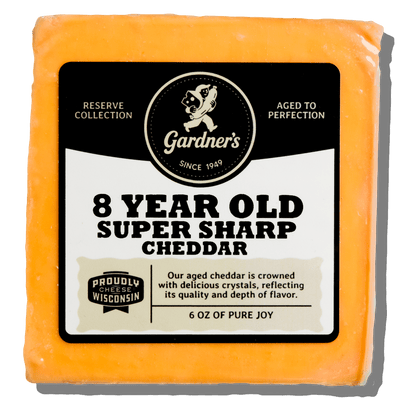
Aging ranges matter: Mild cheddar ages just 2–3 months, medium hits 4–6 months, sharp cheddar develops over 9–12 months, and extra sharp cheddar needs 18–24+ months of patience. Specialty super-aged cheddars from places like Wisconsin can reach 5, 10, or even 17 years for the true connoisseurs.
-
Core flavor traits: Expect tangy, nutty notes with a slightly acidic edge and a lingering, savory finish that stays with you long after the bite is gone. Some tasters even pick up hints of citrus or pineapple in particularly well-aged versions.
-
Visual and textural signs: As cheddar ages, it develops a deeper color (if annatto is used), a drier body, occasional crunchy calcium lactate crystals, and a more brittle quality when you slice it. Those little crystals? They’re not flaws, they’re badges of honor that signal serious aging.
Flavor & Texture Profile of Extra Sharp Cheddar
Time is the secret ingredient here. What starts as fresh, mild, milky cheddar transforms into something entirely different as the months tick by. The aging process concentrates flavors, changes textures, and creates a cheese that can truly stand on its own.
The flavor profile of extra sharp cheddar is anything but subtle. You’ll encounter a robust tang right off the bat, followed by toasted, nutty undertones that linger on your palate. Many people describe hints of citrus, pineapple, or even a slightly fruity brightness alongside deep savory umami notes. The longer the cheddar ages, the more pronounced these characteristics become.
Texture-wise, the extra sharp is firm yet crumbly, a dramatic shift from the smooth, elastic quality of younger cheddars. The cheese feels drier in your mouth, sometimes punctuated by tiny crunchy crystals formed from concentrated proteins and calcium. These crystals aren’t just amazing to experience; they’re a sign that your cheese has been aged properly.
When it comes to cooking, here’s something important to know: extra sharp cheddar will melt, but it behaves differently than its younger siblings. Expect less gooey stretch and more tendency toward oiliness or graininess if overheated. This isn’t a flaw, it just means you need to approach it thoughtfully in the kitchen.
And let’s clear something up: sharpness refers to acidity and flavor concentration, not spiciness. There’s no chili heat here, just pure, intense cheddar character.

How Extra Sharp Cheddar Is Made & Aged
The journey from fresh milk to extra sharp cheddar is a beautiful blend of science, tradition, and time. It starts with culturing milk using cheese cultures, adding rennet to coagulate it into curds, cutting those curds to release whey, and then performing the signature step that gives this cheese its name: cheddaring.
Cheddaring is where the magic happens. Cheesemakers stack, flip, and re-stack slabs of curd repeatedly, pressing out more and more whey with each turn. This process creates that dense, sliceable structure unique to cheddar and sets the stage for everything that follows. After cheddaring, the curds are milled into smaller pieces, mixed with salt, pressed into molds, and then sent off to age.

The aging environment is critical. Most extra sharp cheddars mature in temperature-controlled rooms that mimic cave-like conditions, cool temperatures and carefully monitored humidity. Larger blocks or wheels are turned regularly to ensure even aging throughout. Cheesemakers in Wisconsin, Vermont, and England have perfected these conditions over generations.
Standard extra sharp cheddar typically ages 18–24 months, but specialty varieties push much further. Some producers, including famous names like Cabot and various Wisconsin cheesemakers, create ultra-aged cheddars that reach 5, 10, or even 17 years for customers seeking extreme intensity.
The aging method matters too. Natural rind and bandaged cheddars allow more airflow, often creating deeper, nuttier flavors compared to wax or plastic-wrapped versions. Each style has its place, and true cheese enthusiasts love exploring the differences.

Extra Sharp vs Sharp vs Mild Cheddar
Confused by all those sharpness labels at the store? You’re not alone! Here’s the simple truth: sharpness is primarily about age and the resulting flavor strength. Once you understand this, choosing becomes much easier.
|
Sharpness Level |
Typical Age |
Flavor Profile |
Texture |
|
Mild |
2–3 months |
Buttery, creamy, gentle |
Smooth, elastic, easy to slice |
|
Medium |
4–6 months |
Slightly tangy, balanced |
Firm but pliable |
|
Sharp |
9–12 months |
Bold tang, noticeable bite |
Firm, slices cleanly |
|
Extra Sharp |
18–24+ months |
Intense, nutty, complex |
Firm to crumbly, may crack |
|
3–17 years |
Extremely concentrated, crystalline |
Very crumbly, pronounced crystals |
Practical guidance for your kitchen:
-
Mild cheddar works perfectly for kids’ snacks, ultra-melty grilled cheese sandwiches, and recipes where you want cheddar flavor without overwhelming other ingredients.
-
Sharp cheddar cheese hits the sweet spot for everyday cooking, mac and cheese, quesadillas, casseroles, and sandwiches where you want a noticeable cheddar punch.
-
Extra sharp cheddar shines on cheese boards, in dishes where cheddar needs to be the star, and for snacking when you want a serious flavor impact.
When you see labels like “3-year aged” or “super sharp,” know that you’re getting even more concentrated flavor than standard extra sharp. These are for the true cheddar lovers who want maximum intensity.

Culinary Uses: Cooking & Serving with Extra Sharp Cheddar
Extra sharp cheddar can absolutely dominate a dish, or it can add sophisticated depth when used thoughtfully alongside other ingredients. The key is understanding how to work with its bold personality.

Grilled Cheese & Burgers For the best results, use thinner slices or combine extra sharp with a milder melty cheese (like young cheddar). This gives you bold flavor and a great melt without the cheese breaking or becoming oily. The tangy bite of extra sharp cuts through rich, fatty burger patties beautifully.

Mac and Cheese & Casseroles Here’s a pro tip: combine extra sharp with cream, bechamel sauce, or a smoother cheese to prevent graininess. The extra sharp provides the flavor punch while the creamier elements keep everything silky. Start by adding cheese off direct heat and stir gently to avoid separation.

Cheese Boards This is where extra sharp truly shines. Serve room-temperature chunks or slices alongside nuts, charcuterie, pickles, dried and fresh fruit, and crusty bread. Let the cheese sit out for 20–30 minutes before your guests arrive, the flavors really open up at room temperature.
Snacking Keep cracker cuts or snack sticks on hand for quick, satisfying snacks. They’re perfect with apple or pear slices, grapes, whole-grain crackers, or even a drizzle of honey for a sweet-savory contrast.
Quick Cooking Tips:
-
Grate from a cold block for easier handling
-
Add cheese off the direct boil to prevent oiliness
-
Stir gently rather than vigorously
-
Cut cheese in smaller pieces for more even melting
Pairing Extra Sharp Cheddar with Drinks & Accompaniments
Extra sharp cheddar’s intensity calls for pairings that either match its strength or provide a balancing contrast. Get this right, and you’ll experience flavor combinations that are truly amazing.
Sweet Pairings The tang of extra sharp cheddar loves a sweet counterpoint. Fruit preserves (apricot, fig, cherry), a drizzle of honey, and fresh apple or pear slices all work beautifully. The sweetness tempers the acidity while highlighting the cheese’s nutty undertones.
Beer & Cider If beer is your thing, reach for bock, Belgian ales, saison, or a rich stout. The maltiness and complexity of these styles stand up to sharp cheddar’s boldness. Dry or semi-dry hard ciders are fantastic options too, the apple notes create a classic pairing that’s been enjoyed for centuries.
Wine Pairings Robust reds are your friends here. Cabernet Sauvignon, Chianti, Syrah, and Pinot Noir all have enough structure to match the cheese’s intensity. If you prefer white, look for aromatic options like Riesling, oaked Chardonnay, or even Prosecco, their brightness complements the tangy quality of extra sharp cheddar.
Spirits For an unexpected treat, try aged extra sharp cheddar with bourbon or single-malt Scotch. The caramel and oak notes in these spirits harmonize with the cheese’s nutty, rich character. Serve smaller cheese portions and sip slowly, this is meant to be savored.

FAQ
Is extra sharp cheddar always yellow?
Nope! Natural cheddar is actually naturally white to ivory-colored. The yellow cheddar you see on store shelves gets its golden hue from annatto, a plant-based dye derived from achiote seeds. This coloring tradition dates back centuries and doesn’t affect the taste or texture at all, it’s purely visual.
Choosing between white and yellow extra sharp cheddar is entirely about personal preference and recipe appearance. Some folks love that classic golden look for their mac and cheese, while others prefer the more natural ivory color. Either way, the flavor and quality are the same.
Can I freeze extra sharp cheddar cheese?
You can, but with some caveats. Freezing causes the cheese’s texture to become more crumbly and slightly dry once thawed. This makes previously frozen extra sharp cheddar perfectly fine for cooking, grated into casseroles, melted into sauces, or baked into dishes, but less ideal for serving on a cheese board.
For best results, wrap the cheese tightly in plastic wrap and foil, then store in the freezer for up to 2–3 months. When you’re ready to use it, thaw slowly in the refrigerator rather than at room temperature.
How do I know if extra sharp cheddar has gone bad?
Look for these spoilage signs: sour or off odors that differ from the normal tangy smell, slimy surfaces, or extensive mold in unusual colors (pink, black, or fuzzy growth). These indicate it’s time to discard the cheese.
Here’s some good news, though: small spots of surface mold on hard cheeses like extra sharp cheddar can often be safely cut away. Remove the moldy section plus at least a half-inch margin of good cheese around it. If the remaining cheese smells and tastes normal, you’re good to continue enjoying it.
Is extra sharp cheddar suitable for children?
Nutritionally, extra sharp cheddar is absolutely fine for children in appropriate portions. However, the bold, tangy flavor might be too intense for younger palates that are still developing.
A great approach is to start kids with mild or medium cheddar, then gradually introduce thin slices or small cubes of sharper varieties as their tastes develop. Many children grow to love the robust flavor as they get older, some even prefer it!
Does longer aging always mean better cheddar?
This is where personal taste comes into play. Longer aging definitely increases sharpness, complexity, and that characteristic crumbly texture. Some cheese lovers absolutely adore the intense, almost crystalline character of a 10-year cheddar. Others find anything beyond standard extra sharp to be overwhelming.
The best approach? Read reviews, experiment with different labeled ages (6-month, 1-year, 3-year, and beyond), and search for your personal sweet spot. There’s no wrong answer, just the cheese that makes you happiest. The world of aged cheddar is vast and worth exploring, so add a few varieties to your cart and enjoy the delicious journey of discovery.
