














· By Daylon Gardner
Does Cheddar Cheese Have Lactose? A Gardner’s Guide To Staying Cheesy Without the Tummy Turmoil
Many people searching for lactose friendly cheeses start with a common question: does goat cheese have lactose? Yes, it does. But here at Gardner’s we are proud Wisconsinites who wake up in the morning thinking about cheddar, dreaming about cheddar, and occasionally whispering to our cheese cases like they are houseplants. So today we are transforming that conversation entirely.
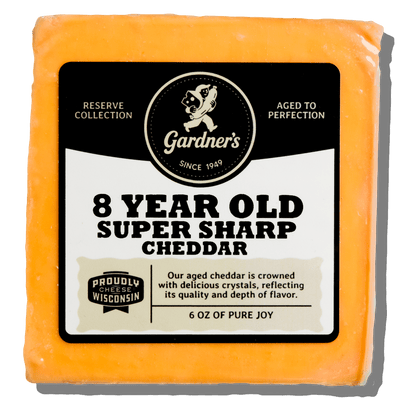
We are going to talk about cheddar cheese, glorious cheddar cheese, and its relationship to lactose. And more importantly, we are going to talk about how our aged cheddars behave very differently from your average supermarket block. Spoiler alert: many of our most beloved cheddars, especially our 8 Year Super Sharp Cheddar, 13 Year, 17 Year, and even our 20 Year Limited Cheddar, are naturally lactose free. That is not a typo. They are lactose free by the magic of time, patience, craftsmanship, and Wisconsin stubbornness.
Goat cheese can absolutely be part of a lactose friendly diet, and later on we will mention it as a useful option for many people. But today, the spotlight belongs to cheddar. After all, when you run a Wisconsin cheese company, there is only one correct answer to the question “which cheese should we talk about” and that answer is usually “cheddar” with maybe a “please pass the Garlic Summer Sausage” thrown in for good measure.
So buckle up! We are diving deep into lactose, cheddar, aging, digestion, cheese board brilliance, and the occasional dad joke because this is Gardner’s and we can’t help ourselves sometimes!
Key Takeaways
-
Cheddar cheese contains lactose when fresh, but most well aged cheddars (like our entire lineup of 4 Year, 8 Year, 13 Year, 17 Year, and 20 Year) naturally lose lactose during the aging process.
-
Long aged cheddars can often contain less than 0.1 percent lactose, which is considered lactose free.
-
Aged cheddar is one of the best options for lactose sensitive cheese lovers who still want full flavor, full personality, and full Wisconsin energy!
-
Goat cheese can still be a good alternative for many people, but cheddar deserves your attention too, because our aged versions go above and beyond.
-
If you want even more lactose friendly options, Gardner’s has several other delicious choices that barely contain any lactose at all.
How Much Lactose Is Present In Cheddar Cheese?
 Let's start with the basics! Cheddar is made from cow’s milk. Cow’s milk naturally contains lactose, usually around 4 to 5 percent depending on the breed, season, and whether the cows listened to smooth jazz or pop music during milking. We cannot confirm or deny whether music helps our cows perform better, but their milk does produce award worthy cheese!
When you first make cheddar, the lactose content is similar to that of regular cow’s milk cheeses. Fresh or young cheddar contains enough lactose that many lactose intolerant folks might feel a rumble or two in the stomach department. However, cheddar is not meant to stay young forever. Cheddar is a cheese that matures, develops personality, and slowly turns into the beautiful, sharp, complex creation that we showcase proudly at Gardner’s.
During that long and patient process, the lactose inside the cheese gets consumed by naturally occurring bacteria. These beneficial bacteria eat the lactose like tiny microscopic snack monsters and convert it into lactic acid. Over many months and years, the amount of lactose drops dramatically.
By the time a cheddar has aged for a year or more, the lactose is nearly gone. By the time it has aged several years, the lactose is functionally nonexistent. That is why so many of our long aged cheddars are digestion friendly for customers who thought they would never enjoy cheese again.
This is a beautiful moment for many people. Some even shed a tear. We call this the Wisconsin Baptism.
Lactose Intolerance Explained
Lactose intolerance happens when your body struggles to produce enough lactase, the enzyme that breaks down lactose in dairy. Without lactase, any lactose you eat travels through your digestive system like a confused tourist trying to read a map upside down. This leads to bloating, cramping, gas, and other unfortunate symptoms that remind you why you once swore off dairy.
There are a few different types of lactose intolerance:
-
Primary lactose intolerance which develops naturally with age.
-
Secondary lactose intolerance which can result from illness or gut irritation.
-
Congenital lactose intolerance which is extremely rare and present from birth.
No matter the source, lactose intolerance can make cheese feel like a forbidden love story. You adore cheese and cheese adores you, but your stomach says “absolutely not.”
This is why learning which cheeses contain very little lactose is such a game changer. For many people, the right cheese means the difference between discomfort and happiness. And lucky for all of us, cheddar just so happens to be one of the friendliest cheeses for those who struggle with lactose!
Comparing Lactose in Cow’s Milk Cheeses
Cow’s milk starts with more lactose than goat milk, but here is the plot twist that many people do not expect. When you take cow’s milk and turn it into aged cheddar, the lactose content changes dramatically.
If goat cheese is the “surprisingly gentle” friend at the party, cheddar is the “secretly lactose friendly legend” who shows up with a smooth, sharp personality and immediately becomes everyone’s favorite guest.
Goat cheese has around 4.2 percent lactose in milk form, slightly lower than cow milk. Cheddar starts similar to cow milk, but because aged cheddar undergoes a very intensive aging and fermentation process, its lactose drops and drops and drops until it becomes one of the most digestible cheeses you can buy.
Especially ours. At Gardner’s, our long aging period transforms lactose into lactic acid so thoroughly that even sensitive individuals often enjoy our aged cheddars with zero issues.
And honestly, aged cheddar tastes incredible. It is a win win.
The Role of Aged Cheddar Cheese
 Let us take a moment to honor the heroes of the Gardner’s lineup: our aged cheddars. These are cheeses with character, personality, and the depth of someone who has lived through several Wisconsin winters and come out stronger.
Aging is everything. Aged cheddar undergoes a slow transformation where bacteria have months and years to break down lactose. This means:
-
The cheese becomes sharper
-
The flavor becomes more complex
-
And the lactose becomes almost nonexistent
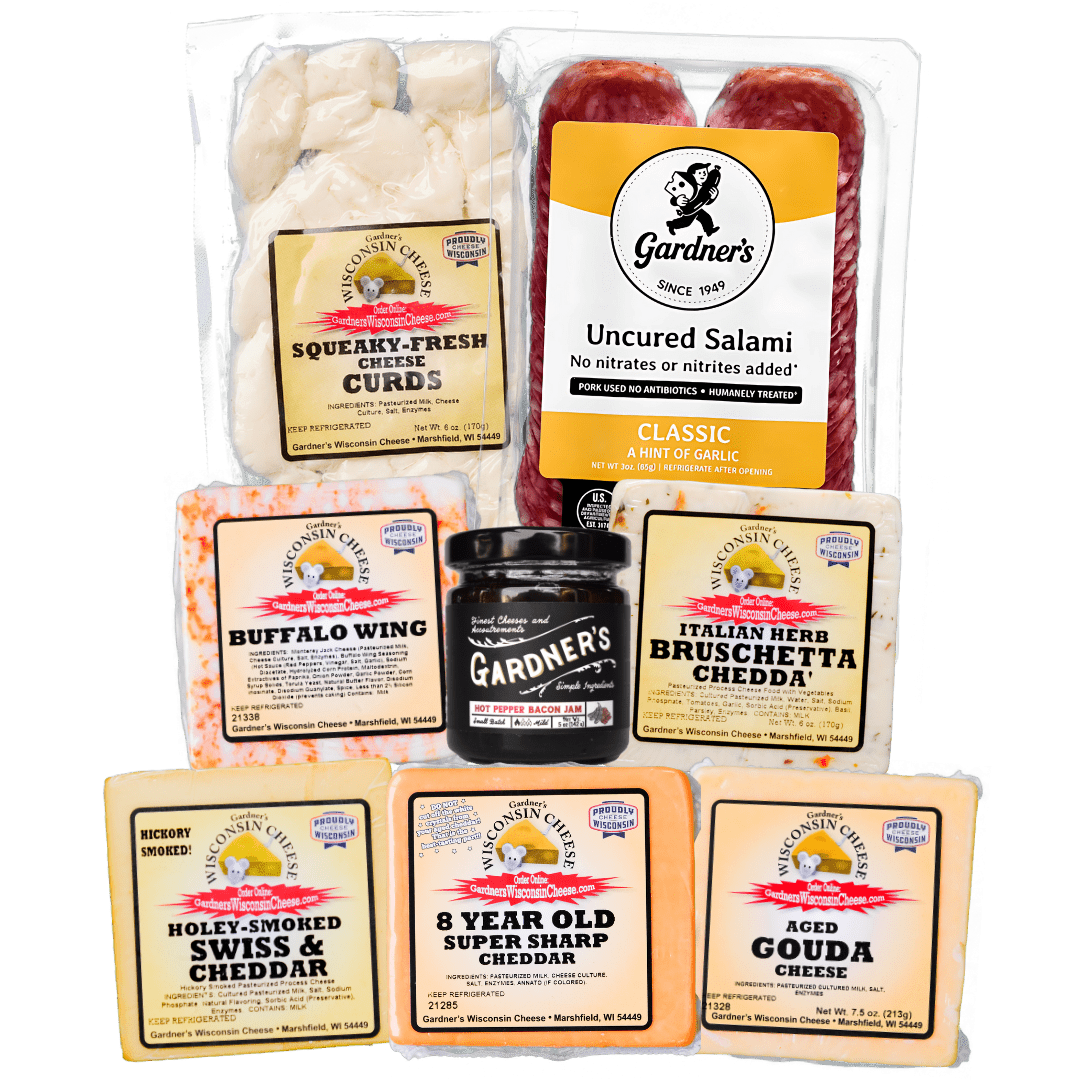
For example, our 8 Year Super Sharp Cheddar is naturally lactose free and packed with bold flavor. Our 13 Year Super Sharp Cheddar goes even deeper into tangy complexity. Our 17 Year Super Sharp Cheddar is so smooth and sharp that it practically melts on your tongue like a cheese based enlightenment experience. And our 20 Year Limited Edition Cheddar is as close as cheese can get to a religious awakening.
All of these are excellent choices for lactose sensitive cheese lovers who thought they had to avoid dairy forever. Aged cheddar might not be goat cheese, but it is just as friendly to the belly and arguably much more exciting.
Fresh Cheddar vs Aged Cheddar

Fresh cheddar, also known as young cheddar, still contains lactose. Its smooth, mild, soft texture is delicious, but it may not be the best for someone with lactose intolerance.
Aged cheddar tells a different story entirely.
As cheddar ages:
-
Lactose decreases
-
Tanginess increases
-
Texture develops depth and character
-
Digestibility improves dramatically
By the time cheddar hits its prime, it is one of the lowest lactose cheese options available. This means that aged cheddar often rivals goat cheese in terms of being stomach friendly while delivering deep flavor and rich culinary possibilities.
If you have lactose sensitivity, you may still enjoy young cheddar in small quantities. But for maximum enjoyment with minimal consequences, aged cheddar will always be the superior choice.
Why Aged Cheddar Is Easier to Digest
Aged cheddar is easier to digest for two main reasons:
1. Lactose is broken down during fermentation.
We let those hardworking bacteria eat up the lactose so your stomach does not have to do the job. Very polite of them.
2. Proteins change as the cheese ages.
The structure of casein proteins softens and breaks down, which can make the cheese gentler on the digestive system overall.
This explains why so many customers tell us that aged cheddar “just feels better.” And we agree! There is something magical about a cheese that tastes strong but treats your stomach kindly.
Nutritional Benefits of Aged Cheddar
 Cheddar is not just digestible. It is nutritious too!
Aged cheddar provides:
-
High quality protein
-
Calcium for strong bones
-
A spectrum of minerals
-
A rich source of flavor that makes even simple meals satisfying
The longer a cheddar ages, the more concentrated its nutrients become because the water content decreases. This also means the flavor becomes more powerful and rewarding.
If you ever wondered why a tiny square of 17 Year Cheddar can hit harder than a whole handful of young cheese cubes, it's because aging intensifies everything delicious inside the cheese.
Delicious Ways to Enjoy Cheddar Cheese
 We could talk about ways to enjoy cheddar for 40 pages (and we often want to), but here are some especially good ideas!
-
Pair aged cheddar with Garlic Summer Sausage, crackers, and apples for a classic Wisconsin snack plate.
-
Melt our Smokin’ Hot Pepper Jack with aged cheddar for the ultimate cheesy potatoes.
-
Shred Aged Gouda and Aged Cheddar together for next level mac and cheese.
-
Build a full charcuterie spread using Holey Smoked Swiss and Cheddar, Aged Gouda, and our 8 Year Cheddar for a board that makes people fall silent for a moment out of respect.
-
Slice aged cheddar over burgers, chili, roasted veggies, or warm bread.
-
Snack on it straight from the board when nobody is looking. We won’t tell!
If you ever want to “upgrade” a recipe without adding more work, just add an aged cheddar. The cheese will do the work for you.
Other Low Lactose Gardner’s Options
 If you want even more friendly cheeses for sensitive stomachs, here are some great companions to aged cheddar:
-
Aged Gouda
Naturally lower in lactose and famously gentle on digestion. Soft, nutty, sweet, and crowd pleasing.
-
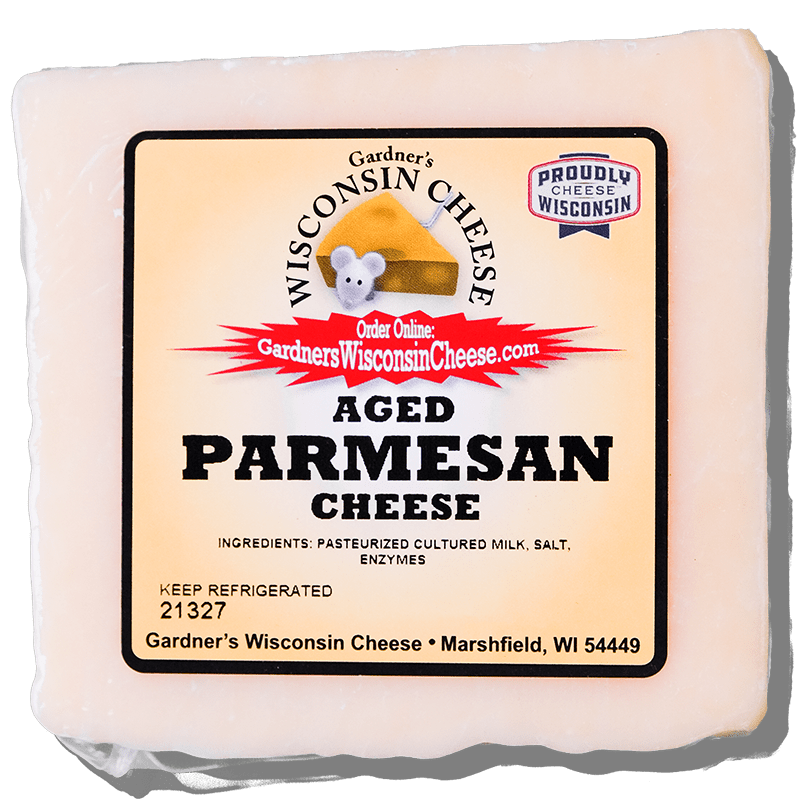
Aged Parmesan
Parmesan styles are often naturally very low in lactose. Ours is packed with savory, nutty flavor that lights up pastas and salads.
-
Holey Smoked Swiss and Cheddar
Smoked, flavorful, and typically easier to digest thanks to the cheddar blend.
-
Goat cheese
Not one of our products, but a good alternative for many people who want a different flavor profile with naturally lower lactose.
Mix and match these and your digestive system might write us a thank you letter.
The Cheesy Summary
 Aged cheddar is one of the best cheeses for lactose sensitive individuals. While fresh cow milk cheeses contain more lactose, the aging process dramatically reduces lactose content, often to levels considered lactose free.
Our aged cheddars at Gardner’s are not only delicious, sharp, and buttery, they are also incredibly friendly to anyone who believed they had to break up with dairy. Good news! You can get back together. It's not toxic. It is delicious!!
Whether you enjoy cheddar on a cheese board, melted onto a burger, cubed for snacking, or paired with sausage and fruit, aged cheddar is a powerhouse food that combines richness, nutrition, digestibility, and pure Wisconsin joy.
And if you want to branch out, other low lactose options like Aged Gouda and Aged Parmesan round out a perfect collection for anyone who loves cheese but hates stomach drama.
Frequently Asked Questions
Is cheddar suitable for lactose intolerant individuals?
Yes! Aged cheddar is one of the best low lactose cheeses. Our long aged cheddars are typically lactose free and loved by sensitive stomachs.
Does aging affect lactose content?
Absolutely! The longer cheddar ages, the more lactose is broken down. That is why aged cheddar is so digestible.
What other Gardner’s cheeses are low in lactose?
Aged Gouda, Aged Parmesan, and Holey Smoked Swiss and Cheddar are great options, alongside our full lineup of multi year aged cheddars.
Is goat cheese still an option?
Yes, goat cheese is naturally lower in lactose than many cow cheeses. It can be a helpful alternative if you enjoy the flavor. But when it comes to flavor plus lactose friendliness, aged cheddar truly shines!
