
















· By Daylon Gardner
Does Cheese Have Carbs? (Yes… But Not As Many As Your Pasta)
Key Takeaways
-
Most natural cheeses contain carbs, but typically under 1–2 g per 1 oz (28 g) serving—way lower than bread, pasta, or fruit.
-
Carbs in cheese come mainly from lactose (milk sugar), and the longer a cheese is aged, the fewer carbs it tends to have.
-
Fresh cheeses like cottage cheese and ricotta have more carbs than hard, aged cheese varieties and may need careful portion control on a ketogenic diet.
-
Processed cheese products and flavored cheeses can sneak in extra carbs from starches, gums, and added sugars—always check labels.
-
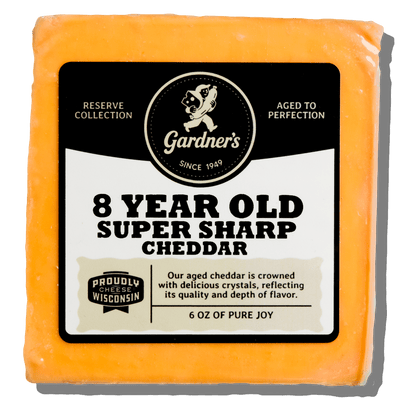
For cheese lovers following a low carb diet, aged options like cheddar cheese, swiss cheese, and parmesan cheese are your best friends.
So… Does Cheese Actually Have Carbs?
Ah, cheese. That glorious, mysterious block of dairy delight sitting in your refrigerator, waiting to be devoured. But here’s the burning question keeping low-carb dieters up at night: does this creamy wonder actually contain carbohydrates?
Yes, most cheeses have some carbs—but usually very little. The carbohydrate content in cheese comes from lactose, the natural sugar in milk. Here’s the thing: during cheesemaking, much of that lactose gets drained away with the whey. What remains is primarily fat and protein, with carbs playing a tiny supporting role. To put it in perspective: an ounce of cheddar has under 1 g of carbs, while a single slice of white bread packs about 12–14 g. Cheese is not a carb bomb; it’s more of a carb firecracker—tiny pop, minimal damage.
Where Do the Carbs in Cheese Come From?
Let’s talk about lactose—the milk sugar that causes drama for the lactose intolerance crowd among us. When cheese is made, starter bacteria (like Lactococcus lactis) are added to cow’s milk, sheep’s milk, or goat milk. These bacteria feast on lactose during fermentation, converting it into lactic acid. Meanwhile, enzymes help form curds, and the whey gets drained away—taking much of the lactose with it.

The longer a cheese ages, the more time bacteria have to munch on remaining lactose. That’s why aged cheese varieties—we’re talking months to years of aging—end up with less lactose and fewer carbs per serving; for example, long-aged cheddar becomes naturally very low in lactose. Fresh cheeses like cottage cheese and ricotta cheese retain more whey and therefore more carbohydrates. It’s basically science doing us a delicious favor.
How Many Carbs Are in Popular Cheeses?
Ready for the numbers? Here’s a quick breakdown of popular types of cheese and their approximate carb counts per 1 oz (28 g) serving:
|
Cheese Type |
Carbs per 1 oz (28g) |
Notes |
|
Cheddar |
0.4–0.9 g |
Aged, crumbly, low carb cheese champion |
|
Swiss cheese |
~0.4 g |
Mild tasting, great for sandwiches |
|
Parmesan cheese |
~0.9 g (often labeled 0g) |
Ultra-aged, nutty flavor |
|
Gouda |
~0.6 g |
Slightly sweet, excellent melter |
|
Blue cheese |
~0.6 g |
Bold, funky, keto-approved |
|
Mozzarella |
0.6–1 g |
Pizza staple, soft cheese |
|
Brie |
0.5–1 g |
Creamy, spreadable goodness |
|
Goat cheese |
~0 g (trace amounts) |
Tangy, made from goat milk |
|
Feta cheese |
~0 g (trace) |
Brined, crumbly, salad-perfect |
|
Cream cheese |
1–2 g per 2 tbsp |
Spreadable, bagel’s best friend |
|
Cottage cheese |
5–6 g per ½ cup |
Higher protein, higher carbs |
|
Ricotta cheese |
1.4–1.5 g per oz |
Creamy, lasagna essential |
|
Exact counts vary by brand, fat percentage, and moisture content. Always check the Nutrition Facts label for precise numbers—your body will thank you. |
Best Low-Carb Cheeses for Keto and Other Carb-Conscious Diets
If you’re following a keto diet, managing diabetes, or just trying to cut carbs, cheese can be an excellent choice—when chosen wisely. The american diabetes association recognizes that dairy foods like cheese can fit into a balanced diet when portions are controlled.

Your very low carb all-stars include: goat cheese, feta, cheddar, swiss cheese, blue cheese, Gouda, mozzarella, and grated parmesan. These typically clock in under 1 g of carbs per ounce, and a well-made dry aged cheddar can be especially rich in flavor while staying low in carbs. Why are aged cheeses so keto-friendly? They contain less lactose, higher fat, and moderate protein—a trifecta that supports ketosis when eaten in sensible portions.
Quick serving ideas for cheese consumption on keto:
-
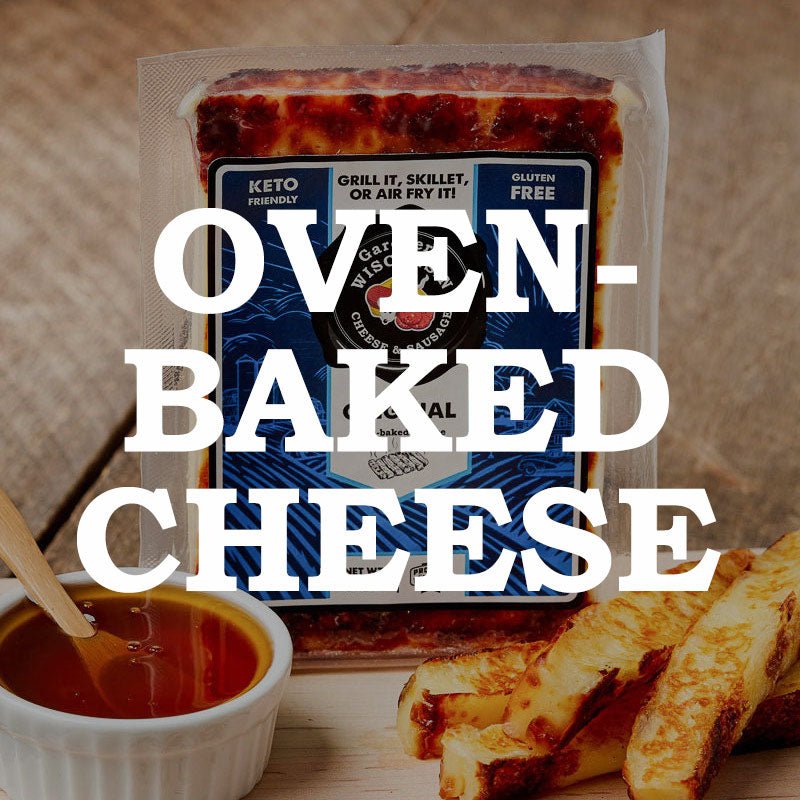
Baked cheddar “cheese chips” (just bake small piles until crispy) made with original oven-baked cheese as a shortcut
-
Lettuce-wrapped burgers loaded with swiss
-
Omelets stuffed with feta and spinach
-
Caprese salads with fresh mozzarella
-
Parmesan crisps for dipping
Just remember: cheese still contains calories and saturated fat. Eating cheese shouldn’t become a “keto-approved food coma.” Watch those portions!
Cheeses With More Carbs (Still Delicious, Just Less “Free-for-All”)
Don’t worry—you don’t have to break up with cottage cheese and ricotta. You just need to define the relationship.

Cottage cheese contains about 5–6 g of carbs per half-cup. It’s still a solid high fat, high protein option, but not ideal for ultra-strict keto macros, and some people with lactose intolerance may do better choosing lactose-free cheese made with added lactase. Ricotta cheese runs roughly 3–5 g of carbs per quarter-cup, commonly appearing in lasagna, stuffed shells, and rich desserts.
Watch out for flavored products! Fruit-on-the-bottom cottage cheese cups and honey-ricotta desserts can be carb-heavy due to added sugars, not the cheese itself. Practical strategies: use smaller portions, treat these cheeses as accents rather than main attractions, and save them for higher-carb meals when your diet allows.
What About Processed Cheese, Cheese Slices, and Vegan “Cheese”?
Let’s distinguish between natural cheese (made from milk, cultures, salt, enzymes) and processed products like american cheese singles or spray cheese. Processed cheeses often contain added starches, milk solids, and sugars that bump up carb counts—hello, “carbohydrate creep.”
Those individually wrapped slices? They often have 1–2 g of carbs each. Stack three on a burger, and suddenly you’ve added 3–6 g of carbs you didn’t plan for. Plus, sodium levels can be 4–10 times higher than other cheeses.
Vegan cheeses are wildly variable. Some nut-based options are low carb, while others (especially starch- or potato-based) can reach several grams per serving. Scan ingredients for red flags: “starch,” “maltodextrin,” “dextrose,” or “syrup” signal extra carbs beyond the base.
How Cheese Fits Into Daily Carb Needs
Most adults on a typical balanced diet consume 130–300 g of carbs daily. Strict keto often limits intake to 20–50 g per day. The good news? Foods under 15 g of carbs per serving are generally considered low carb, and cheese typically lands in the 0–2 g range per ounce.
Example: On a 30 g net carb keto plan, you could easily enjoy 3 oz of cheddar (about 1.2 g total carbs) alongside vegetables and meat without blowing your budget.
But here’s the reality check: cheese contains calories (110–120 per ounce) and saturated fat. Replacing every carb with cheese isn’t ideal for long-term cardiovascular health or weight loss. Pair cheese with nutrient-dense, low carb foods—leafy greens, non-starchy vegetables, eggs—instead of refined carbs like crackers or pasta.
Tips for Reading Cheese Labels for Carbs
Carb counts differ by brand, moisture, and processing, so the nutrition label is your definitive source.
Key tips:
-
Focus on “Total Carbohydrate” per serving and the serving size itself
-
Many labels round carbs down to 0 g if they’re under 0.5 g
-
Check the ingredients list: fewer ingredients (milk, salt, cultures, enzymes) usually mean fewer extra carbs
-
“Net carbs” = total carbs minus fiber and sugar alcohols; for plain cheese, fiber is negligible, so total carbs ≈ net carbs
-
Compare similar products side-by-side—two cottage cheese brands might differ by 1–2 g per serving
Health Benefits and Downsides of Cheese (Beyond Carbs)
While carbs are the star of this article, cheese brings other nutritional pros and cons worth considering.
Potential health benefits:
-
High-quality protein (7–8 g per oz with essential amino acids)
-
Calcium for bones (180–204 mg per oz, roughly 15–23% DV)
-
Gut-friendly bacteria in fermented varieties
-
Satiety from fat/protein matrix, reducing overall snack attacks
Research suggests moderate cheese intake (about 1–1.5 oz daily) may be associated with 10–15% lower risk of cardiovascular disease and stroke. Parmesan in particular is a nutrient-dense, flavorful option, and cheese overall appears to outperform butter on heart health metrics despite similar saturated fat content.
Potential downsides:
-
Saturated fat (up to 60% of total fat in some varieties)
-
Sodium levels (176–468 mg per oz, concerning for blood pressure)
-
Calorie density can contribute to weight gain if overeaten
-
Issues for people with dairy allergies or severe lactose intolerance
Moderation matters. Consider your cholesterol levels, blood pressure, and digestive tolerance. Consult a healthcare professional for personalized guidance on chronic disease risk.
Fun, Low-Carb Ways to Enjoy Cheese
Time to put your cheese to work in lower-carb meals instead of pairing it with a mountain of crackers!

Ideas to try:
-
Cheese and veggie snack plates: Pair cheddar cubes with cucumber, celery, and bell peppers
-
Omelets and frittatas: Load them with feta, spinach, and mushrooms
-
Lettuce-wrapped burgers: Skip the bun, add swiss and blue cheese
-
Baked cheese crisps: Pile small mounds of shredded parmesan, bake until golden
-
Cheesy roasted cauliflower: Top with Gouda, crumble over some Italiano oven-baked cheese, and broil until bubbly
-
Salads: Crumble goat cheese or feta over mixed greens and olives
Use cheese as a flavor booster rather than the main course, especially stronger varieties like blue cheese and grated parmesan. A little goes a long way.
And please—resist the temptation to treat a block of cheddar as a “single-serving item.” We’ve all been there, but your body deserves better.
FAQ
Is cheese considered a carb or a protein?
Cheese is primarily a source of fat and protein, not carbohydrates. In nutrition terms, it’s typically grouped with protein-rich dairy products like meat, eggs, and yogurt. While cheese contains small amounts of carbs from lactose, it’s not classified as a “carb food” the way whole grains, pasta, rice, or fruit are. For tracking macros, most people log cheese mainly under fat and protein, with only a gram or so of carbs per ounce for most varieties.
Which cheeses are lowest in carbs for strict keto?
Very low carb options often showing 0 g on labels include: aged cheddar, swiss cheese, parmesan cheese, which is naturally very low in lactose, blue cheese, Gouda, brie, and many goat and feta cheeses. Ultra-aged cheeses (aged 12+ months) tend to have especially low lactose and carb content due to long fermentation. Brands differ slightly, so double-check labels if you’re counting every gram on a strict ketogenic diet.
Can people with lactose intolerance eat cheese without problems?
Many lactose-intolerant people tolerate aged cheeses well because most lactose is removed or fermented away during aging. Hard cheeses like cheddar, swiss, and parmesan contain less lactose than whole milk, and a variety of lactose-free and low-lactose aged cheeses can work for people with sensitivities. However, fresh cheeses like cottage cheese, ricotta cheese, and some cream cheese retain more lactose and may cause symptoms. Start with small portions of aged cheese and consult a healthcare provider about individual tolerance.
Do vegan and plant-based cheeses have fewer carbs than dairy cheese?
Carb content in vegan cheeses varies widely depending on ingredients. Some nut-based cheeses can be low carb, but many supermarket vegan slices and shreds contain potato starch, tapioca, or rice flour that add several grams of carbs per serving. The only reliable way to know is reading the nutrition label and ingredients list—don’t assume “vegan” automatically means low carb.
Is it possible to eat too much cheese on a low-carb diet?
Absolutely. Even though cheese is low in carbs, it’s calorie-dense and can stall weight loss if eaten in large quantities. Many cheeses are high in saturated fat and sodium, which may not be ideal for heart disease prevention and blood pressure management. A practical limit for most people is 1–3 oz (28–85 g) per day, adjusting based on individual goals, tolerance, and medical advice. Moderation remains key for a truly balanced diet.