

















· By Daylon Gardner
Wisconsin Cheese: A Fun, Flavor-Packed Guide (Featuring Gardner’s)
Key Takeaways
-
Wisconsin earns its “America’s Dairyland” nickname by producing over 25% of all U.S. cheese—that’s 3.58 billion pounds annually across 600+ varieties.
-
The state is the only place in America requiring licensed cheesemakers and running the prestigious master cheesemaker program, making Wisconsin cheese genuinely elite.
-
From squeaky cheese curds to aged cheddar with crunchy crystals, Wisconsin offers a taste adventure for every palate and occasion.
-
Gardner’s curates the best of Wisconsin’s cheese heritage, shipping fresh curds, classic cheddars, and creative flavored varieties right to your home.
-
Whether you’re gifting, snacking, or showing off at a party, Gardner’s is the right place to discover authentic Wisconsin flavor.
What Makes Wisconsin Cheese So Special?
There’s a reason Wisconsin proudly wears the “America’s Dairyland” crown—and it’s not just because the state has more cows than some countries have people. Wisconsin produces over 25% of all U.S. cheese, cranking out a jaw-dropping 3.58 billion pounds in 2024 alone. That’s not a typo. Billion, with a B.
But here’s what really sets the state apart: Wisconsin is the only U.S. state requiring government-licensed cheesemakers. Every single person crafting cheese here has passed rigorous standards. Add the master cheesemaker program—launched in 1994 and modeled after European guild systems—and you’ve got master cheesemakers who’ve spent years perfecting their craft.
The answer to why Wisconsin cheese tastes so good? It’s a perfect blend of tradition, expertise, and over 600 officially recognized varieties. In Wisconsin, cheese isn’t just a food group—it’s practically a personality trait.
A (Brief and Cheesy) History of Wisconsin Cheese
Picture Wisconsin in the early 1800s: frontier farmland, ambitious settlers, and a whole lot of wheat. Then something magical happened. In 1841, a dairy farmer named Anne Pickett opened the state’s first known commercial cheese factory near Sheboygan County, and Wisconsin’s cheesy destiny was sealed.

Waves of European immigrants—German, Swiss, Polish, Scandinavian—arrived throughout the mid-1800s, carrying Old World recipes and cheesemaking secrets. These local artisans blended their traditions with Wisconsin’s abundant milk supply, creating something special.
By the 1880s, Wisconsin had ditched wheat farming (soil exhaustion is a buzzkill) and gone all-in on dairy. Refrigerated railcars in the late 19th century meant Wisconsin could ship its creamy, smooth cheeses nationwide, inspiring today’s Wisconsin cheese shop road trips and tasting adventures. The state chose cows over wheat and never looked back—except to grate Parmesan on everything.
Iconic Wisconsin Cheese Styles You Need to Know
Wisconsin doesn’t just make a lot of cheese. It makes many famous styles extremely well. Here’s your cheat sheet:
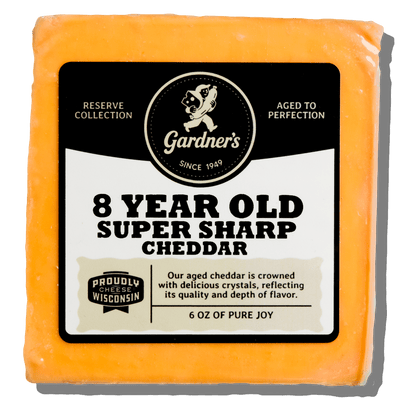
Cheddar ranges from mild three-month blocks with creamy texture to extra-sharp versions aged five to ten years. The long aging develops nutty, complex flavor and those crunchy tyrosine crystals that make every bite satisfying.
Colby, invented in Colby, Wisconsin in 1885, is cheddar’s friendlier cousin—softer, moister, with an open, springy texture and mellow taste perfect for sandwiches.
Brick Cheese, developed in the 1870s, offers a wild ride from mild and buttery to pungent and intense, depending on age.
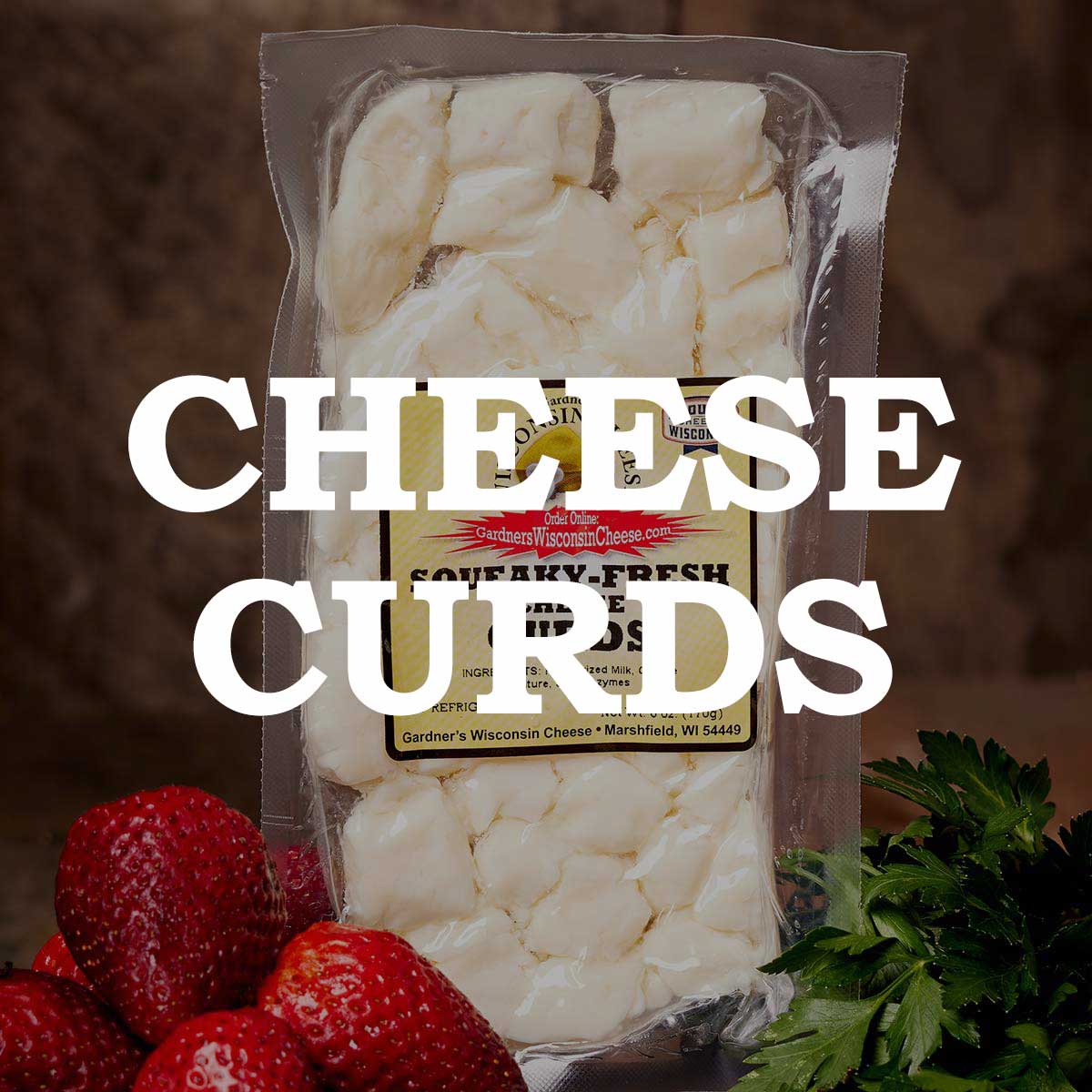
Cheese curds are Wisconsin’s signature snack—fresh, squeaky, and gone within hours at any good bar. Deep-fried or straight from the bag, they’re perfection, and they’re the star of countless Wisconsin cheese recipes and serving ideas.

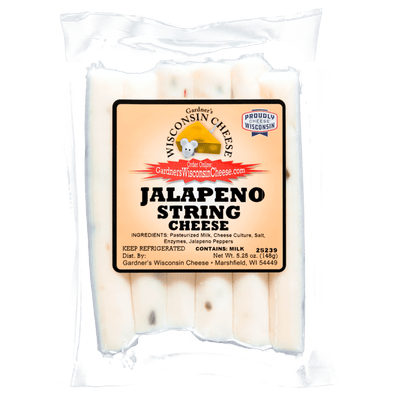
Don’t forget string cheese, Monterey Jack, flavored varieties with peppers or garlic, blue cheeses, and alpine-style wheels. Many routinely win at the World Championship Cheese Contest—proving Wisconsin really is the world’s cheese capital.
The Science of the Squeak (and Other Cheese Nerd Facts)
Only in Wisconsin do people seriously debate proper curd squeakiness. Here’s the science: fresh cheese curds squeak because their elastic protein structure rubs against tooth enamel. That texture fades within a day or two as moisture escapes.
Quick tip: microwave curds for 10-15 seconds to revive some squeak. You’re welcome.
Aging transforms cheese dramatically. A three-month cheddar is smooth and lactic. A seven-year cheddar? Crunchy tyrosine crystals and deep, nutty complexity. Wisconsin cheesemakers control everything—milk quality, cultures, cooking times—in aging cellars maintained at 50-55°F, just like the care behind fresh Wisconsin cheese delivery direct to your door. Think of it as a spa day for milk with ambitions.
Wisconsin Cheese Culture: From Packers Games to Potlucks
Cheese isn’t reserved for special occasions here—it’s woven into daily life. Those foam cheesehead hats at Green Bay Packers games? A family tradition celebrating the state’s dairy identity.
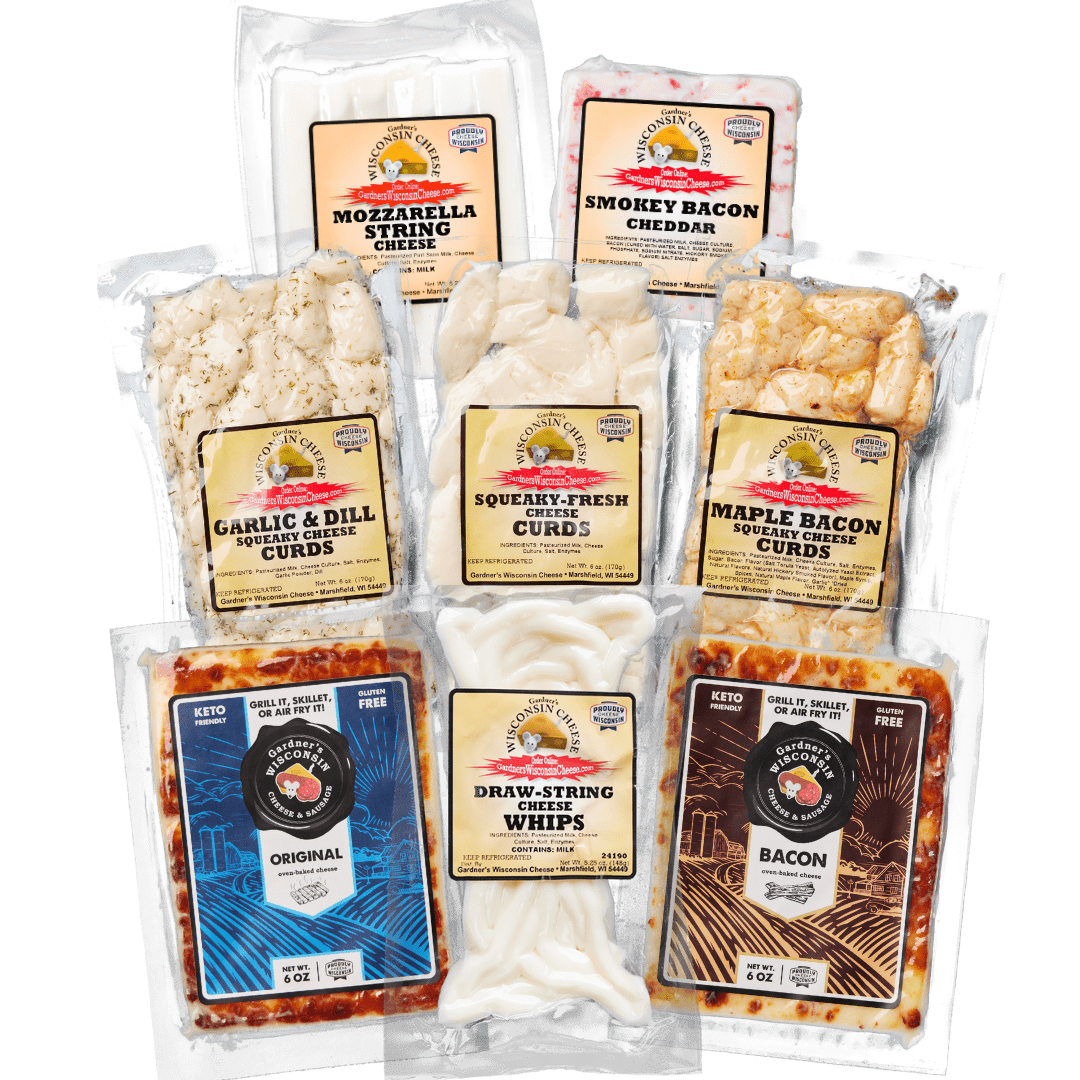
Typical Wisconsin gatherings feature plenty of cheese, whether you’re shopping à la carte or signing up for a Wisconsin cheese subscription box for serious fans.
-
Friday fish fries with deep-fried curds
-
Tailgates with sausage-and-cheese platters
-
Holiday tables built around cheese boards
-
Beer-cheese soup that warms your soul
People here are loyal to specific creameries, often buying from the same place their wife’s grandmother did. In Wisconsin, a salad without cheese is just a cry for helpful intervention.
Why Gardner’s Is a Top Choice for True Wisconsin Cheese
Gardner’s doesn’t just sell cheese—they curate the Wisconsin experience for customers everywhere. Working directly with local dairies and artisan producers, Gardner’s showcases everything from classic aged cheddars to creative flavored varieties you won’t find anywhere else.
Their stock includes Wisconsin staples: fresh curds shipped to maximize that signature squeak, Colby, Brick, string cheese, and vern’s cheese selections that represent the state’s heritage. They add excitement with specialty options that make any cart worth checking out.

For gifting, Gardner’s offers curated boxes combining cheese and sausage—perfect for holidays, care packages, or anyone who deserves good things in life, and their ultimate guide to cheese gifts and top picks can help you choose. The regular price delivers exceptional value, and their shipping ensures freshness arrives intact.
Think of Gardner’s as that helpful friend who insists you try “just one more sample” before you pick your favorites. Their most popular artisan cheeses and meats gift selections have earned thousands of rave reviews. They make it easy to buy authentic Wisconsin cheese, whether you’re a longtime fan or just starting to discover what the fuss is about.
How to Enjoy, Serve, and Store Wisconsin Cheese
Great Wisconsin cheese deserves a little love. Here’s how to enjoy every bite:
Serving tips:
-
Let cheese reach room temperature (30-60 minutes) before serving
-
Pair sharp cheddar with apples and pale ales or build it into one of Gardner’s artisan cheese and meat assortments
-
Match blue cheese with honey and stout, or tuck it into an artisan cheeses and meats gift box
-
Serve curds with lagers—or root beer for a kid-friendly option—and consider sending their favorite people artisan Wisconsin cheese and sausage gifts
Storage guidelines:
-
Wrap cheese in parchment paper inside an unsealed bag
-
Store in your refrigerator’s vegetable drawer
-
Fresh curds: best within a week
-
Soft cheeses: 2-4 weeks
-
Aged varieties: several months
You can freeze curds or shredded cheese, though texture may change slightly. Number one storage method? Between slices of bread, in your mouth, or wrapped as a Gardner’s artisan cheeses and meats gift.
FAQ
How is Wisconsin cheese different from cheese made in other states?
Wisconsin combines ideal dairy conditions with strict cheesemaker licensing and the only U.S. master cheesemaker program. The state produces more varieties than any competitor and routinely dominates national awards. California focuses heavily on Hispanic-style and mozzarella; Idaho leans toward commodity cheddar. Wisconsin covers the entire spectrum at consistently high quality.
Do I have to eat cheese curds the same day to get the squeak?
Curds peak within 24-48 hours of production, but quality curds maintain some squeak for a couple days when properly stored. Microwave them briefly to revive the texture. Enjoy or freeze within a week for best results.
What’s the best way to ship Wisconsin cheese so it stays fresh?
Gardner’s uses insulated packaging with cold packs, shipping early in the week to avoid weekend delays. Choose expedited options during warm weather, and refrigerate packages promptly upon arrival.
Can people who are lactose sensitive enjoy Wisconsin cheese?
Many aged cheeses naturally contain very low lactose—bacteria break it down during aging. Extra-sharp cheddar and Parmesan-style varieties often have under 1g per ounce. Start with small amounts and consult a healthcare professional for specific concerns.
How do I choose Wisconsin cheese for a gift if I’m not an expert?
Start with approachable favorites like mild cheddar, Colby, and Monterey Jack, then add one aged or flavored option for excitement. Gardner’s curated gift boxes take the guesswork out entirely—their page makes it easy to find the perfect selection for any recipient.