











· By Daylon Gardner
How Long Does Parmesan Cheese Last? The Fridge, Freezer & Pantry Guide from a Wisconsin Cheesemaker
Got a wedge of parmesan lurking in your fridge and no idea if it's still good? Good news. Parmesan is one of the longest-lasting cheeses in your kitchen, and the answer is almost always "yes, it's still fine."

Cheesy Takeaways
-
Unopened parmesan block lasts 7-9 months in the fridge, sometimes much longer for aged varieties.
-
Opened block parmesan keeps 1-2 months refrigerated. Pre-grated tubs get 3-4 weeks.
-
Freshly grated parmesan is best used within a week.
-
Aged parmesan (like Gardner's) has almost no moisture & almost no lactose, which is why it lasts so long.
-
Mold on hard parmesan? Cut an inch around it & the rest is usually safe.
How Long Does Unopened Parmesan Last in the Fridge?
An unopened block of real parmesan, stored in the fridge, easily lasts 7 to 9 months past the "best by" date on the package. Authentic aged parmesan can hold up even longer. That's because parmesan is a hard, low-moisture, high-salt cheese, which is basically a hostile environment for the bacteria that spoil food.
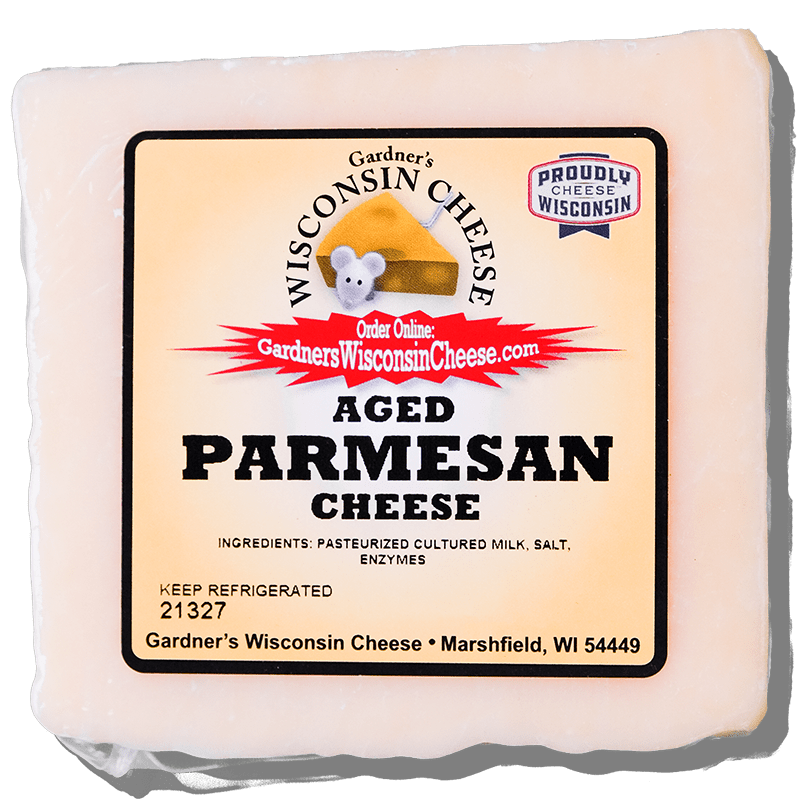
Our Aged Parmesan is made in the traditional style, delicately aged until it develops that dense, nutty, fruity complexity. Once it's packed & refrigerated, it is patient. Really patient.

How Long Does Opened Parmesan Last?
Once you open it, the clock speeds up a bit. Here's the rundown:
-
Opened block or wedge: 1-2 months in the fridge, wrapped properly.
-
Pre-shredded or grated parmesan (tub or bag): 3-4 weeks after opening.
-
Freshly grated at home: About 1 week. Surface area is the enemy of shelf life.
-
The green-can pantry stuff: Follow the label, but it's also heavily processed. It lasts a long time because it's more "parmesan-adjacent" than actual parmesan.
Real parmesan lasts longer than you think. That shredded tub from the grocery aisle doesn't. Worth keeping that distinction in mind when you're staring at the fridge.

How to Store Parmesan So It Lasts
Parmesan needs to breathe a little. Plastic wrap alone will suffocate it & trap moisture, which is how mold gets invited to the party. Here's the move:
-
Wrap it in parchment or wax paper first. This lets the cheese breathe.
-
Then loosely cover with foil or tuck it into an airtight container. Best of both worlds.
-
Store it on the bottom shelf of the fridge, which is the coldest & most stable spot.
-
Keep it away from strong-smelling foods. Parmesan will absorb flavors from half a raw onion sitting nearby. Nobody wants onion-parm.

And don't grate more than you need for the next 2 weeks. Freshly grated parmesan loses flavor fast, which is why chefs grate at the last second.
Can You Freeze Parmesan Cheese?
Yes. Parmesan freezes better than most cheeses because it's so low in moisture. Wrap the block tightly in freezer-safe wrapping, then tuck it into a zip-top bag with the air squeezed out. Frozen parmesan block lasts 12-18 months without quality loss. Grated parmesan lasts about 6-8 months frozen.

Quick pro tip: grate it before freezing. Frozen grated parm goes straight from freezer to pasta sauce, no thawing required. Just toss a handful in while the sauce simmers.
One heads up: frozen-then-thawed parmesan gets a little crumblier. That's totally fine for cooking (sauces, soups, casseroles, pizza), but it won't look as pretty shaved over a salad.
How to Tell If Parmesan Has Gone Bad
Parmesan is famously tough to kill, but not immortal. Trust your senses:
-
Smell: Good parmesan smells sharp, nutty, slightly fruity. Bad parmesan smells sour, ammonia-like, or just wrong. Trust your nose.
-
Texture: Slimy or wet surface is a no. A dry, slightly crystallized surface is totally fine & often a sign of good aging.
-
Mold: Surface mold on a hard cheese like parmesan can typically be cut off. Slice an inch around & under the moldy spot, and the rest is safe. This rule applies to hard cheeses only. Do not try this with brie.
-
Taste: If it smells fine but tastes bitter, metallic, or off, toss it.
Why Aged Parmesan Outlasts Almost Everything Else in Your Fridge
Here's the cheesemaker's truth about aged parmesan: the aging process that makes it taste incredible is the same process that makes it last forever. As parmesan ages, moisture evaporates, salt concentrates, and the cheese gets drier and denser. That low-moisture, high-salt environment means spoilage bacteria have nothing to work with.
Our Aged Parmesan is crafted to hit that exact sweet spot. Nutty & fruity flavor, dense texture that grates beautifully, and a shelf life that treats you like an adult. Buy a block, stash it in the fridge, and use it over months without anxiety.
 For a full rundown on why aged parmesan is also one of the most lactose-friendly cheeses you can buy, check out our guide to low-lactose aged cheeses.
FAQ: Parmesan Shelf Life
Does parmesan cheese need to be refrigerated?
Real aged parmesan is technically so low-moisture that it doesn't need refrigeration for safety, but refrigeration absolutely extends shelf life & keeps the flavor better. Bottom line: always refrigerate opened parmesan. Unopened hard parmesan can survive short periods at room temp (like during shipping), but fridge is home base.
Can you freeze parmesan cheese?
Yes, and it freezes well. Wrap tightly, squeeze out air, & freeze up to 12-18 months for blocks or 6-8 months for grated. Grate before freezing for easy cook-from-frozen use.
Is moldy parmesan cheese safe to eat?
On hard aged cheeses like parmesan, surface mold is usually safe to trim off. Cut an inch around & under the mold and the rest of the block is fine. If the cheese smells ammonia-like, sour, or just wrong, toss it. And never do this with soft cheeses.
How can you tell if parmesan has gone bad?
Sour or ammonia-like smell, slimy texture, or a bitter taste are the big red flags. A dry surface or small crystals are normal & actually a sign of good aging.
Is aged parmesan lactose-free?
Almost. After 12+ months of aging, parmesan typically has less than 0.1 grams of lactose per serving, which is effectively lactose-free for most sensitive eaters. Our aged parmesan fits firmly in this category.
Is pre-grated parmesan the same as block parmesan for shelf life?
Not really. Pre-grated has way more surface area exposed to air, which means it spoils faster & loses flavor faster. A block lasts 3-4x longer than a shredded tub once opened.
The Bottom Line
Parmesan is one of the most forgiving cheeses in your kitchen. A block can outlast the seasons if you store it right. And when you start with a quality aged parmesan from a Wisconsin cheesemaker who's been doing this for four generations, you get the flavor AND the shelf stability.
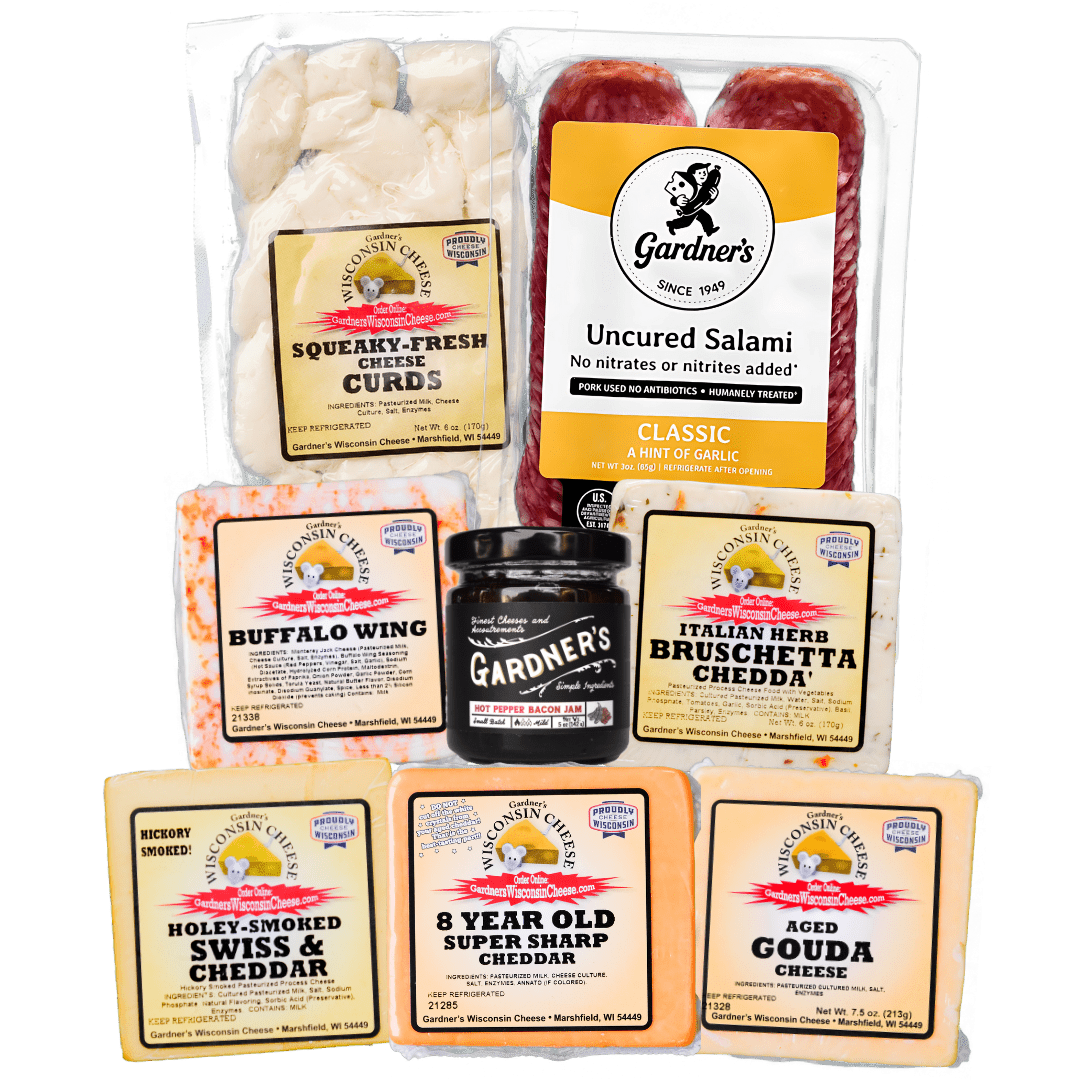
Grab a block of our Aged Parmesan, pair it with some Hot Pepper Bacon Jam for your next cheese board, and stop overthinking that expiration date.
