













· By Daylon Gardner
How to Make a Charcuterie Board: The Gardner's Guide to Doing It Right
A great charcuterie board looks like chaos but tastes like strategy. A mediocre one looks like you panicked at the deli counter & hoped for the best.

After four generations of making cheese in central Wisconsin, we've built & served more cheese boards than we can count. Here's exactly how to put one together without stress, including what to buy, how to arrange it, and how much to make per person.
Cheesy Takeaways
-
A great board needs 3-5 cheeses, 2-3 meats, crackers, spreads, fruit, nuts, and something briny.
-
Plan 2-3 oz of cheese & 1-2 oz of meat per person as a general rule.
-
Contrast is everything. Mix hard & soft cheeses, mild & sharp flavors, smooth & crunchy textures.
-
Room-temperature cheese tastes best. Pull everything out 30-45 minutes before serving.
-
Gardner's Charcuterie Essentials Bundle is the "I don't want to think about it" option.
The Anatomy of a Great Charcuterie Board
A proper board has five categories of food, and you need at least one item from each. The magic happens when they all play off each other.

-
Cheeses: The headliners. 3-5 varieties, different ages & textures.
-
Meats: The savory punch. 2-3 cured options.
-
Crackers, breads, or toasts: The delivery vehicle.
-
Spreads, jams, drizzles, mustards: The flavor multipliers.
-
Fruits, nuts, pickles, olives: The palate cleansers & textural contrast.
Skip any of these & your board feels incomplete. Hit all five & you're the host everyone talks about after the party.
Step 1: Pick Your Cheeses (3-5 Varieties)
Great boards have variety without chaos. Follow the contrast principle: pick cheeses that are clearly different from each other.
-
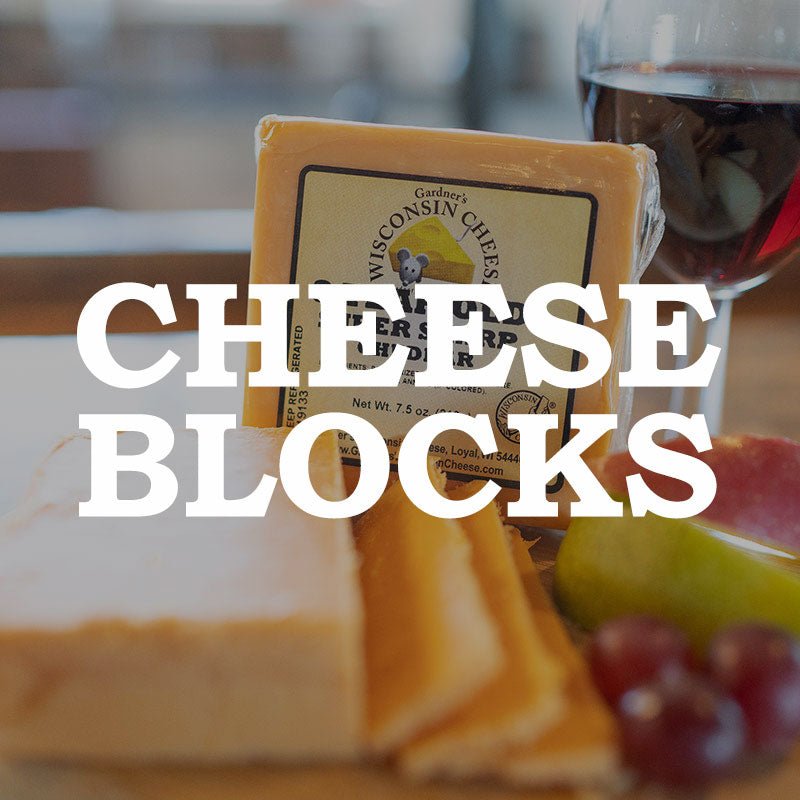
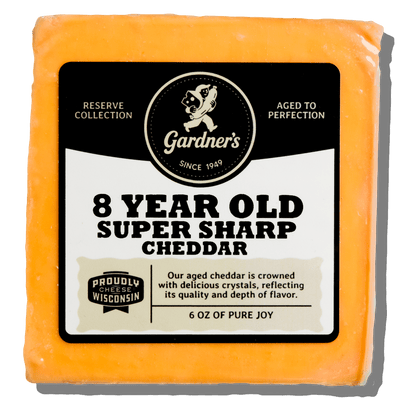
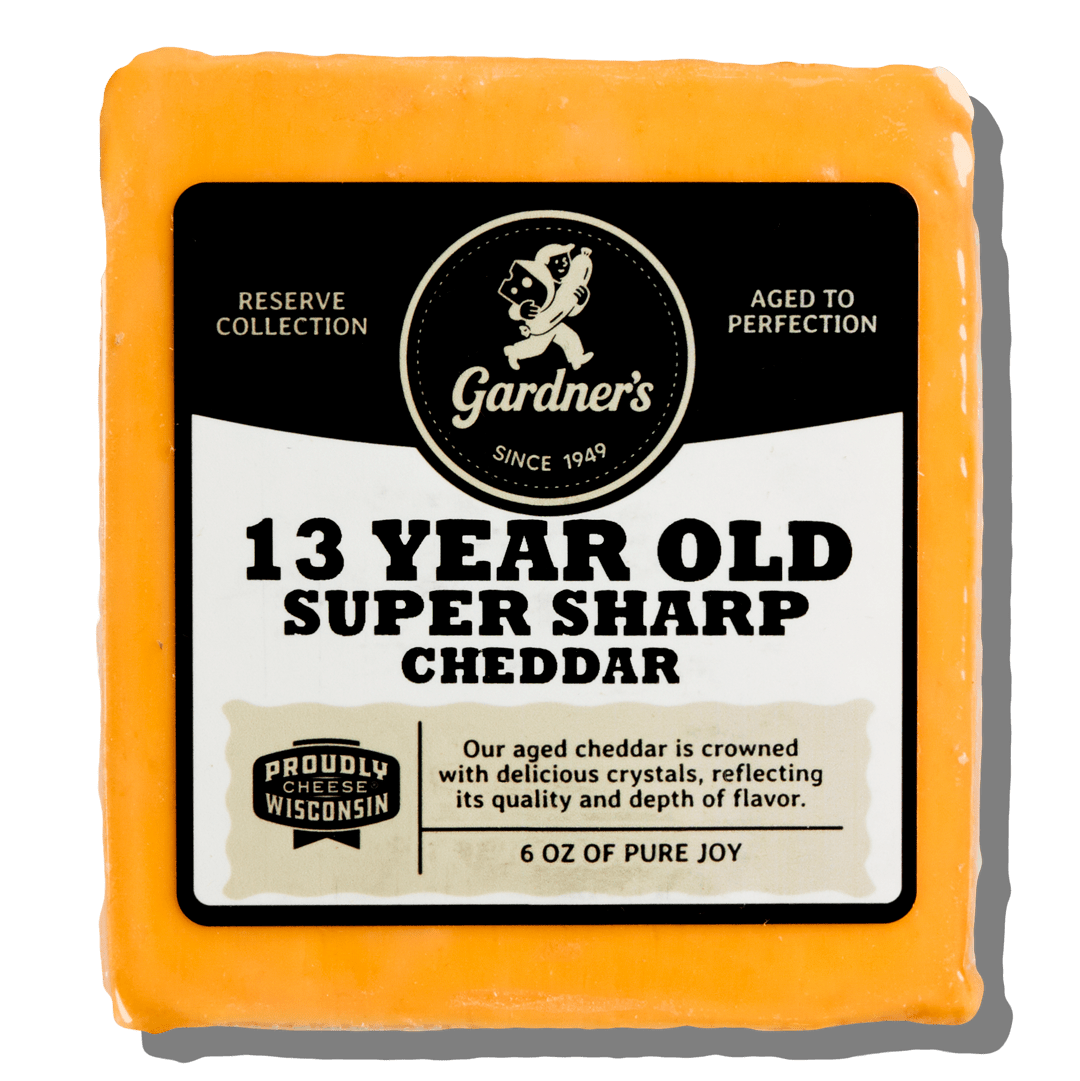
One bold & sharp: Our 8-Year Super-Sharp Cheddar or 13-Year Super-Sharp Cheddar anchors the board with intense flavor.
-
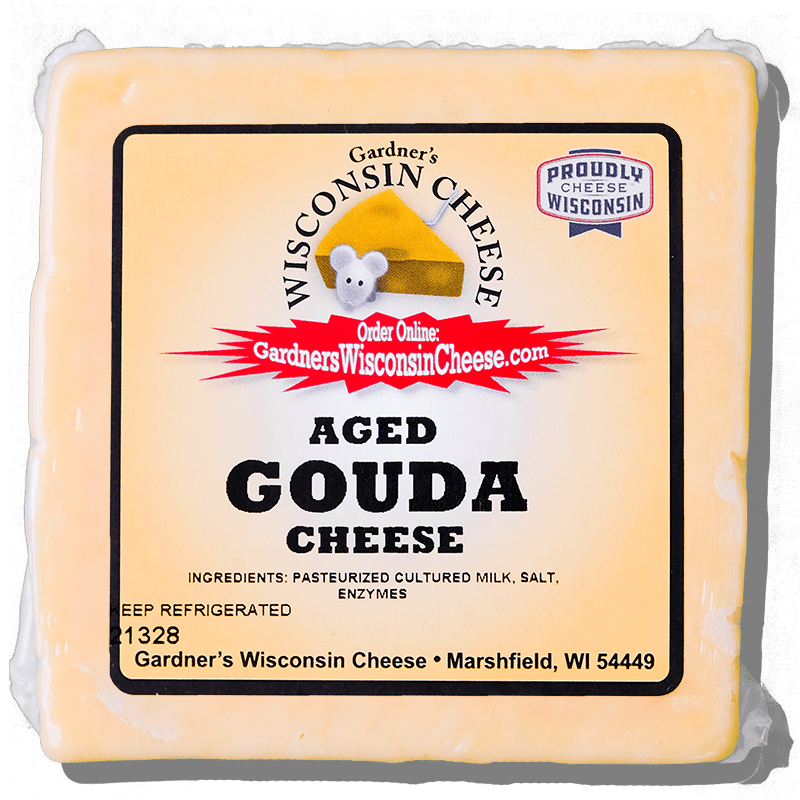
One sweet & mellow: Our Aged Gouda brings caramel-nutty sweetness that balances the sharp.
-
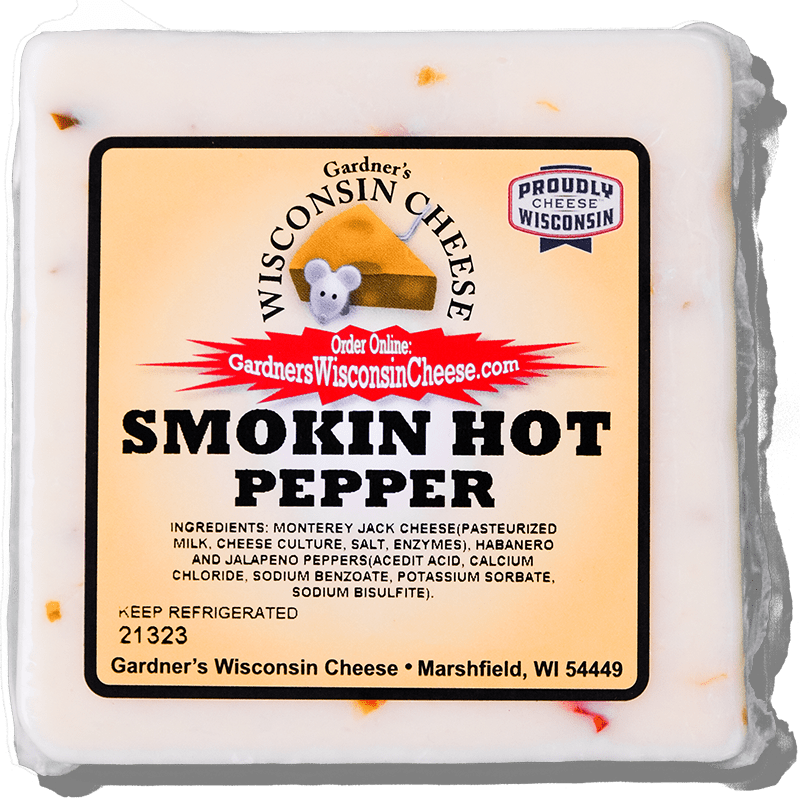
One flavored or funky: Our Smokey Bacon Cheddar or Smokin' Hot Pepper Jack for surprise & conversation.
-
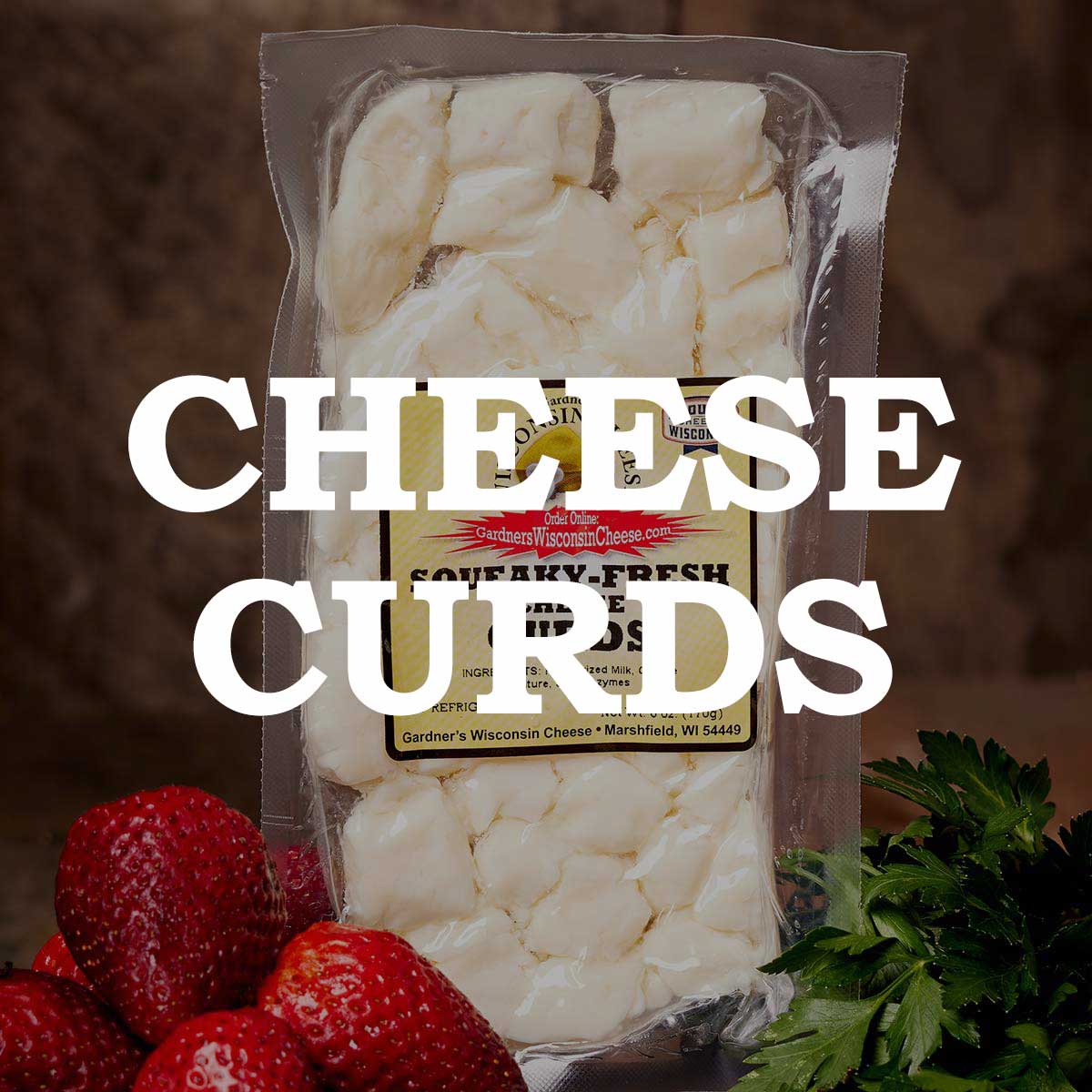
One fresh or squeaky: Our Cheese Curds add texture nobody else's board has.

-
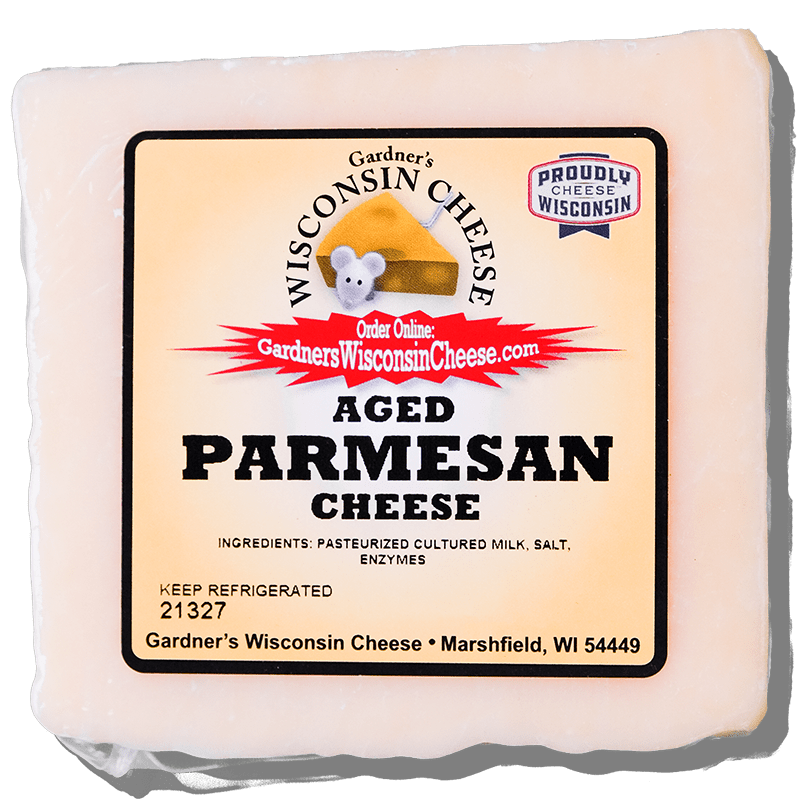
Optional crystallized aged: An Aged Parmesan shard or two for umami depth.
You don't need all five. Three excellent cheeses beat five mediocre ones. But variety matters. All cheddar, no matter how aged, is one-note.
Step 2: Add Meats (2-3 Varieties)
Cured meats bring saltiness, fat, and umami that cheese alone doesn't deliver. Keep it simple:
-
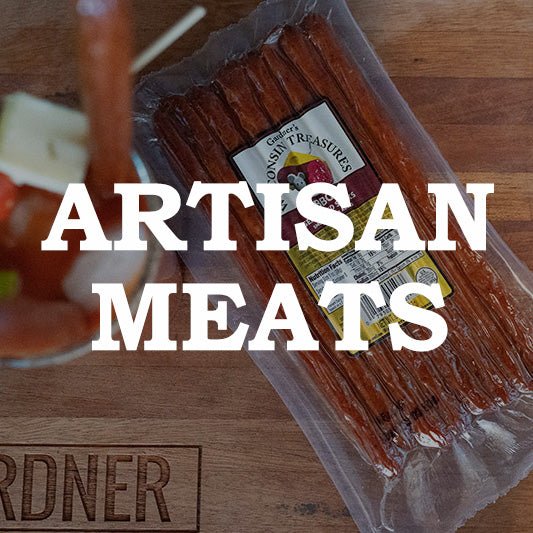
Garlic Summer Sausage is our top-selling meat. Slice it thin & fan it out on the board.

-
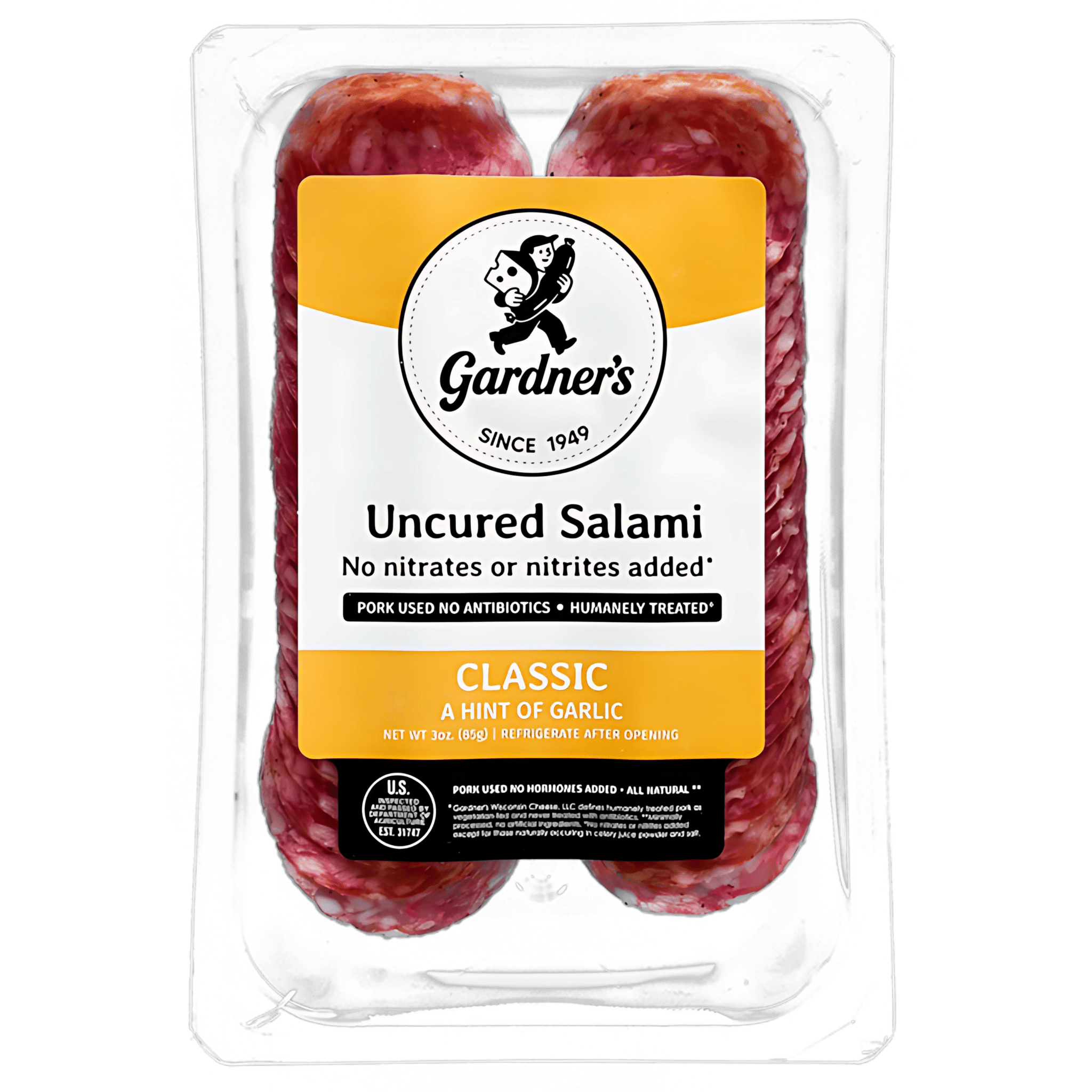
Classic Sliced Salami adds that dry-cured, slightly peppery flavor.
-
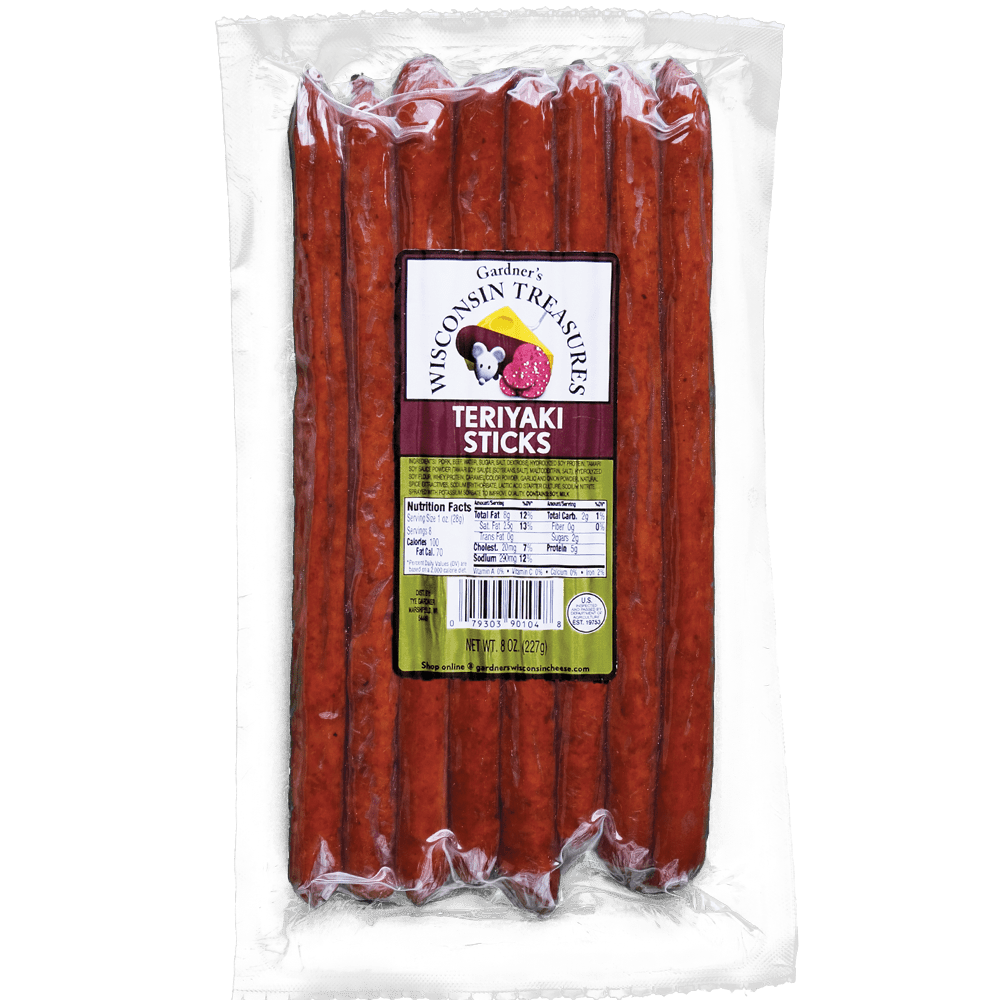
Spicy Beef Snack Sticks or Teriyaki Snack Sticks for easy finger food.
Two meats is plenty for most boards. Three if you're feeding a crowd. More than that & the board starts looking like a deli explosion.
Step 3: Choose Your Crackers & Bread
The delivery vehicle matters. A great cracker holds up to a piece of cheese without crumbling; a great bread soaks up jams & drizzles without getting soggy. Mix textures:
-
Sturdy crackers for hard cheeses. Think water crackers or whole-grain.
-
Crostini or baguette slices for soft spreads & jams.
-
Thin, crisp breadsticks for snacking.
-
Optional: gluten-free crackers or seeded varieties for dietary needs.
Provide 8-12 crackers per person, more if they're small. Running out of crackers is a party crime.

Step 4: Bring In the Spreads & Drizzles
This is where a decent board becomes a memorable one. Gardner's pairing sauces are the secret weapon:
-
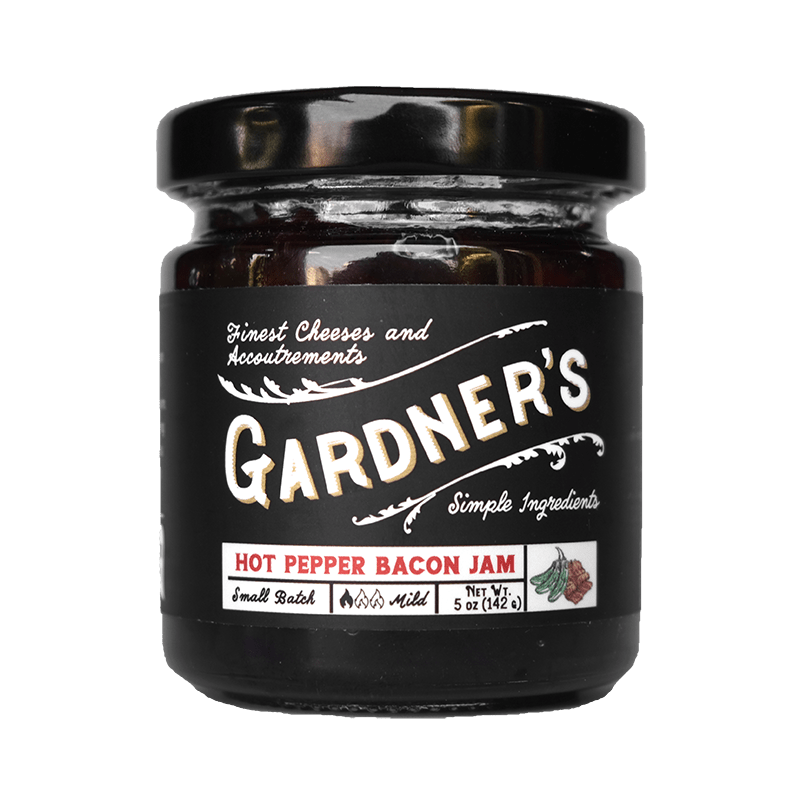
Hot Pepper Bacon Jam on top of sharp cheddar is a revelation. Sweet, smoky, slightly spicy.
-
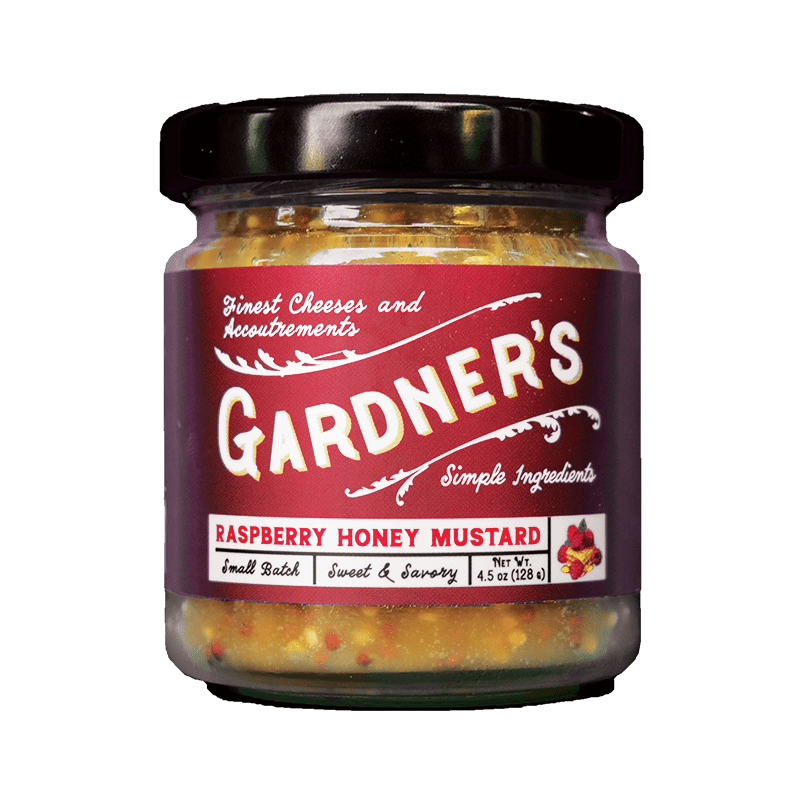
Raspberry Honey Mustard pairs with Aged Gouda or alongside the charcuterie for dipping.
-
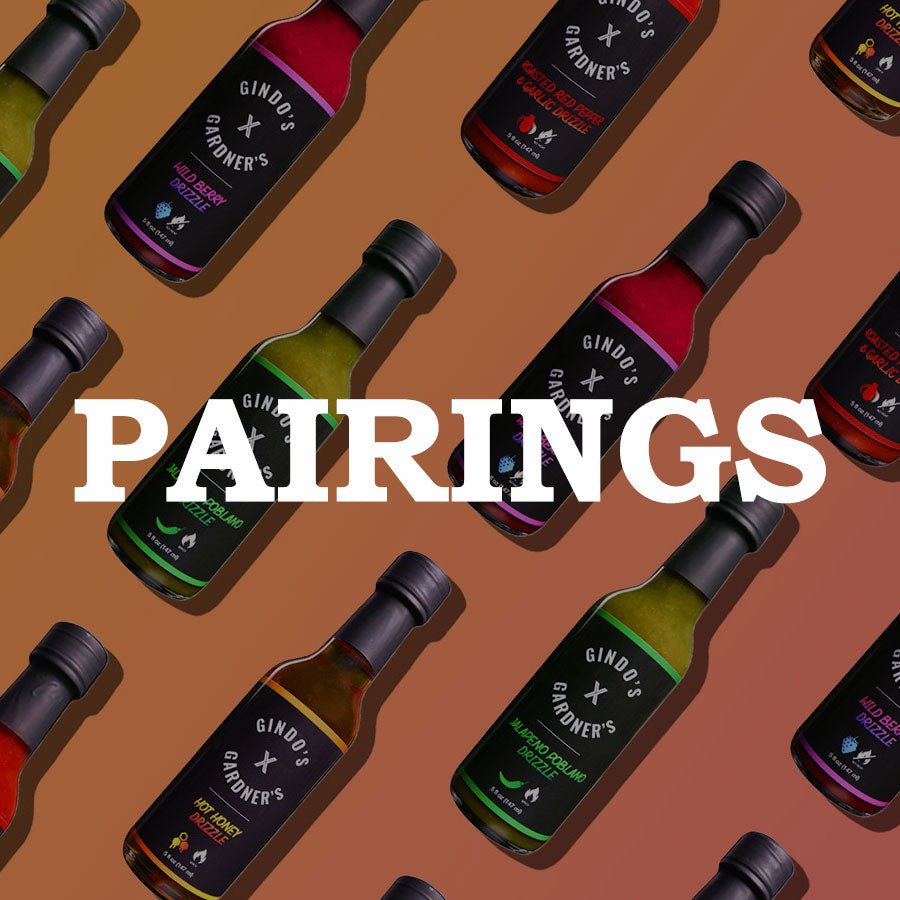
Hot Honey Drizzle drizzled over a block of sharp cheddar turns it into the table centerpiece.

-
Wild Berry Drizzle brings fruit sweetness that pairs with almost everything.

-
Roasted Red Pepper & Garlic Drizzle for savory complexity alongside aged cheeses.

Put spreads in small bowls or ramekins on the board. Provide a small spoon for each.
Step 5: Build the Supporting Cast
The extras that turn a cheese plate into an actual spread:
-
Fruit: Grapes, sliced apple, pear, figs, strawberries, dried apricots.
-
Nuts: Walnuts, almonds, marcona almonds, pecans, pistachios.
-
Briny things: Olives, cornichons, pickles, pepperoncini.
-
Sweet contrast: Honeycomb, dark chocolate squares, or a spoonful of fig jam.

You don't need all of these. Pick 3-4 that complement your cheese choices. A cheese-heavy board needs briny contrast. A meat-heavy board needs sweet contrast. Balance.
How to Arrange a Charcuterie Board
Arrangement tips from people who do this a lot:
-
Start with the big items. Place whole blocks or wedges of cheese first. They're the visual anchors.
-
Place bowls & ramekins next. Spreads, olives, nuts with small bowls keep the board from feeling cluttered.
-
Fan out meats in waves. Roll or fold salami slices & cluster them. Fan out summer sausage slices. Give them shape.
-
Fill gaps with small items. Grapes, crackers, nuts go in the spaces between big items.
-
Build in layers & heights. Flat boards look boring. Stand crackers on edge, mound nuts in clusters, let olives tumble.
-
Include labels if you want. Small cards or flags that name each cheese help guests navigate.

How Much Charcuterie Per Person?
Rough planning math:
-
Appetizer board (pre-dinner, not the main event): 2 oz cheese + 1 oz meat per person.
-
Main event board (this IS dinner): 4-5 oz cheese + 2-3 oz meat per person, plus more filler foods.
-
Crackers: 8-12 per person for an appetizer board.
-
Spreads & drizzles: Small bowls, 2-3 tablespoons per 4-6 guests.
Always round up. Running out is worse than having leftovers. Leftover cheese becomes tomorrow's snack.
Common Mistakes to Avoid
-
Serving cheese cold. Pull cheeses from the fridge 30-45 minutes before guests arrive.
-
All hard cheese, no texture variety. Mix hard, semi-hard, soft. Add squeaky curds. Mix it up.
-
Too much of the same flavor. If all your cheeses are sharp, guests will burn out by cheese three.
-
Skimping on the supporting cast. Nuts & fruit & pickles are not optional. They make the board feel generous.
-
Overcrowding the board. Leave some breathing room. Crowded boards look messy, not abundant.
The Shortcut Option
If the thought of assembling all of this makes you want to order pizza, we've got you. Our Charcuterie Essentials Bundle packages cheese, meat, and pairings into one box that arrives cold-packed & ready. Just add crackers, fruit, and a wooden board.
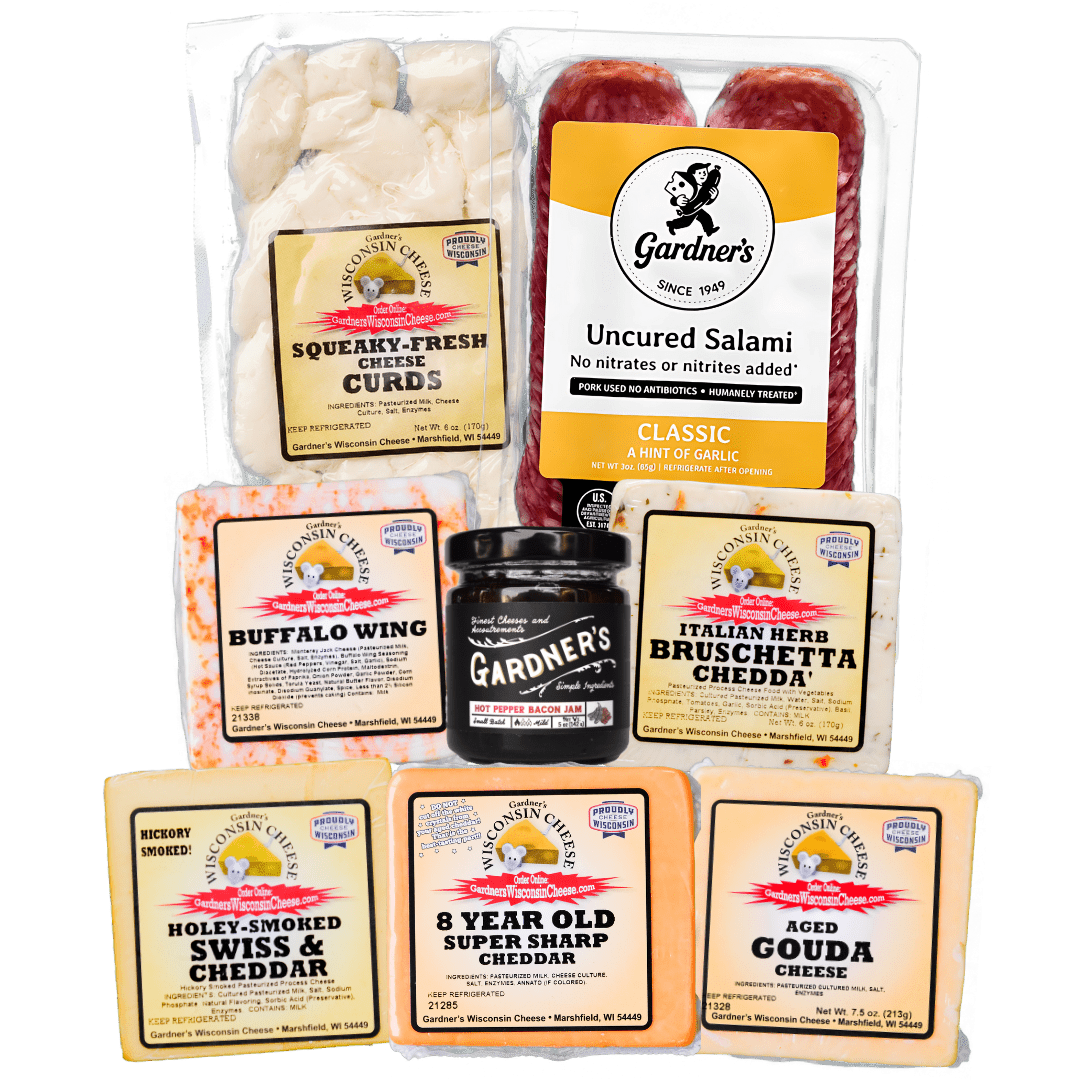
The Charcuterie Deluxe Bundle goes even bigger for a full-party spread. The Wisconsin Cheese & Sausage Sampler is another great all-in-one.
Want even more inspiration? Our best cheeses for a charcuterie board guide goes deeper on individual cheese pairings, and our top gift baskets guide covers curated bundles for every occasion.
FAQ: Charcuterie Boards
What is a charcuterie board?
A charcuterie board is a serving tray (usually wooden) arranged with cured meats, cheeses, crackers or bread, and accompaniments like fruits, nuts, spreads, and pickles. It originated as a French tradition for serving cured meats & has evolved into the all-purpose party centerpiece we know today.
How much cheese per person on a charcuterie board?
For an appetizer board, 2-3 oz of cheese per person. For a main-event board, 4-5 oz per person. Round up if you're uncertain.
What meats go on a charcuterie board?
Cured, salted, smoked, or aged meats. Our top recommendations are summer sausage, salami, prosciutto, snack sticks, and cured ham. Variety of flavor & texture is the goal.
What cheese goes on a charcuterie board?
3-5 varieties, each clearly different from the others. Aim for one sharp (like aged cheddar), one mellow (like aged gouda), one flavored (like smokey bacon cheddar), one fresh or textural (like cheese curds), and optionally one crystallized aged (like aged parmesan).
How to make a charcuterie board on a budget?
Start with 2 good cheeses & 1 meat instead of 5+ items. Buy a pre-curated bundle (like our Charcuterie Essentials Bundle) instead of assembling from scratch. Skip the expensive imported items & lean on high-quality domestic cheese.
Can I make a charcuterie board in advance?
Partly. Prep the cheeses & meats 2-3 hours ahead, cover with plastic wrap, and refrigerate. Pull it out 30-45 minutes before serving so the cheese comes to room temperature. Add crackers & breads at the last minute so they stay crisp.
Bottom Line
A great charcuterie board isn't magic. It's variety, contrast, and enough of each thing. Mix hard & soft cheeses, sharp & mellow flavors, cured meats with jams & drizzles, and throw in nuts & fruit for good measure.
Or skip the planning entirely with our Charcuterie Essentials Bundle. Ships cold-packed, arrives ready, tastes like you know what you're doing.