











· By Daylon Gardner
Is Cheese Good for You? We're Not Gouda Lie to You
Key Takeaways
-
Cheese is a legitimate source of protein, calcium, and healthy fats — and yes, science actually backs this up.
-
Not all cheeses are created equal: aged varieties like cheddar and parmesan tend to be the most nutrient-dense and lowest in lactose.
-
Concerns about cheese causing weight gain are largely overblown when portions are reasonable.
-
Processed cheese products are the real villains here, not your beautiful block of Wisconsin cheddar.
-
Gardner's aged cheddars, oven-baked cheese, and cheese curds are some of the most wholesome ways to get your fix.
The Question Everyone's Afraid to Ask Their Doctor
You're standing at the fridge at 10pm, cheese in hand, and a little voice in the back of your head whispers: "Is this actually good for me?"
We hear you. And we're here to tell you that voice is wrong, or at least, it's a lot more complicated than it thinks.

Cheese has had a rough reputation for a while. Low-fat diet trends of the 80s and 90s declared it basically a health hazard. Influencers have blamed it for everything from bloating to weight gain to general life dissatisfaction. And yet, here we are, a species that has been eating cheese for over 7,000 years and doing just fine.
So is cheese good for you? The honest answer is: yes, for most people, in reasonable amounts, absolutely. Let's break it down.
What's Actually IN Cheese? (A Nutritional Breakdown)
Before we can answer whether cheese is healthy, we have to look at what's actually in it. And the short answer is: a lot of good stuff.
A standard one-ounce serving of a quality aged cheese like Wisconsin cheddar typically delivers:
-
7 to 8 grams of protein, with a complete essential amino acid profile
-
Calcium at roughly 200mg per ounce, which is about 15 to 20% of your daily recommended value
-
Vitamin B12, important for nerve function and red blood cell production
-
Vitamin K2, which plays a role in bone and cardiovascular health and is pretty hard to get from most other foods
-
Phosphorus, zinc, and riboflavin, all doing quiet but important work in the background
-
Healthy fats, including conjugated linoleic acid (CLA), which research has linked to reduced inflammation
That is not the nutrition label of something you should feel guilty about. That is a nutrient-dense, satisfying food that earns its place in your diet.
The fat content? Yes, it's real. But dietary fat is not the enemy it was made out to be, and cheese fat in particular comes with a much more complex nutritional picture than, say, a bag of chips.
Is Cheese Good for Your Heart? (This One Surprised Researchers Too)
Here's where it gets interesting. For decades, the assumption was that cheese, with its saturated fat content, must be bad for heart health. Eat less cheese, healthier heart. Simple, right?
Turns out, not so much.
Multiple large studies have found that moderate cheese consumption is actually associated with a lower risk of cardiovascular disease and stroke, not a higher one. One major review found people eating about one to one and a half ounces of cheese daily showed 10 to 15% lower cardiovascular risk compared to those eating little to none.

Researchers think a few things are at play. Cheese contains a unique matrix of nutrients that may actually offset the effects of its saturated fat. The fermentation process creates beneficial compounds. And the calcium content may help bind some of the fat in your gut before it ever gets absorbed.
In other words, cheese appears to behave differently in your body than butter or other saturated fat sources, even when the fat content looks similar on paper. Science is wild.
Does Cheese Make You Gain Weight?
This is the big one. The question haunting every late-night cheese board.
Here's the reality: cheese is calorie-dense, sitting at around 110 to 120 calories per ounce. If you eat half a block in one sitting regularly, yes, that will catch up with you. That is simply how calories work.
But research does not support the idea that moderate cheese consumption causes weight gain. In fact, the protein and fat content in cheese tend to be highly satiating, meaning cheese actually helps you feel full and eat less overall. A couple of ounces of a good sharp cheddar with an apple is a genuinely satisfying snack that keeps you away from the vending machine.
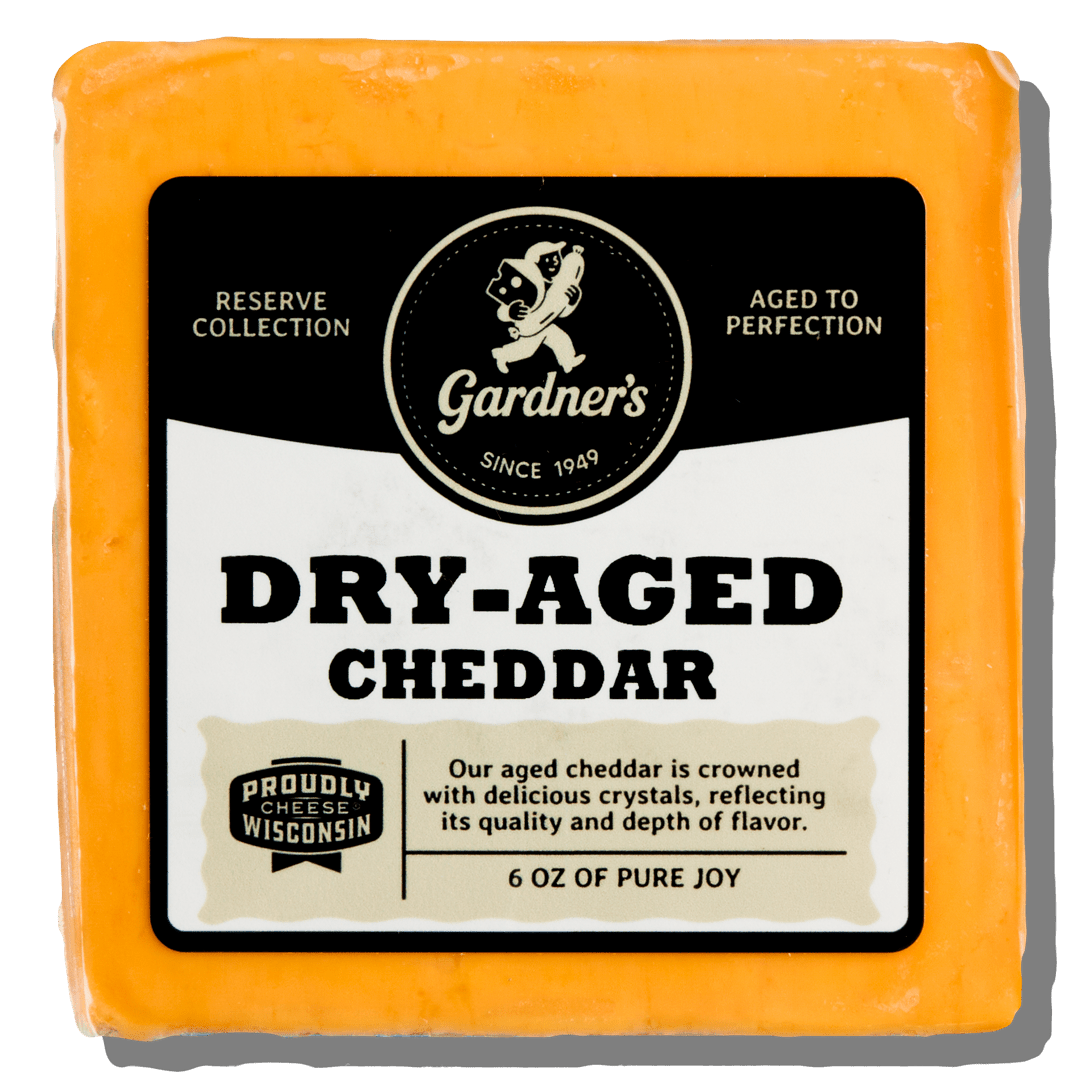
The problem is rarely the cheese. It's the delivery vehicle. A mountain of nachos drowning in processed cheese sauce? That is not a cheese problem, that is a nacho problem. A beautifully sliced block of Gardner's aged cheddar on a snack board? That is a perfectly reasonable food choice.
Stick to one to three ounces at a time, pair it with vegetables, nuts, or fruit, and cheese fits comfortably into a balanced diet without drama.
The Aged Cheese Advantage
Not all cheese is equally nutritious, and this is where Wisconsin really shines.
Aged cheeses go through a long fermentation process that changes their nutritional profile dramatically. The longer a cheese ages, the more lactose gets consumed by bacteria, the more concentrated the protein and fat become, and the more complex the flavor and nutrient content.
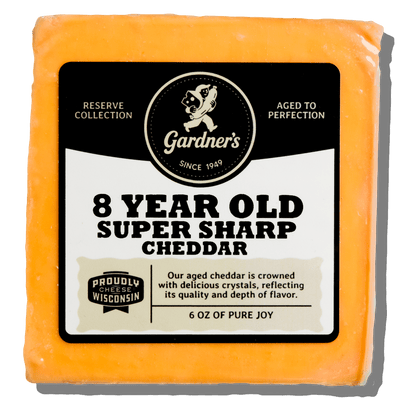
Gardner's carries some of the most impressively aged cheddars you will find anywhere. Their lineup includes an 8-Year-Old Super-Sharp Cheddar, a 13-Year-Old Super-Sharp Cheddar, and the legendary Vintage Package that goes all the way up to a 17-year-old cheddar.

These aged varieties are:
-
Extremely low in lactose (great news for sensitive stomachs)
-
Packed with those crunchy tyrosine crystals that form during long aging, which indicate deep protein breakdown and concentrated flavor
-
Rich in K2 and CLA, both of which become more prominent during extended aging
-
Intensely satisfying, meaning a smaller portion goes a very long way
If cheese health is your concern, aged cheddar is genuinely one of your best options.
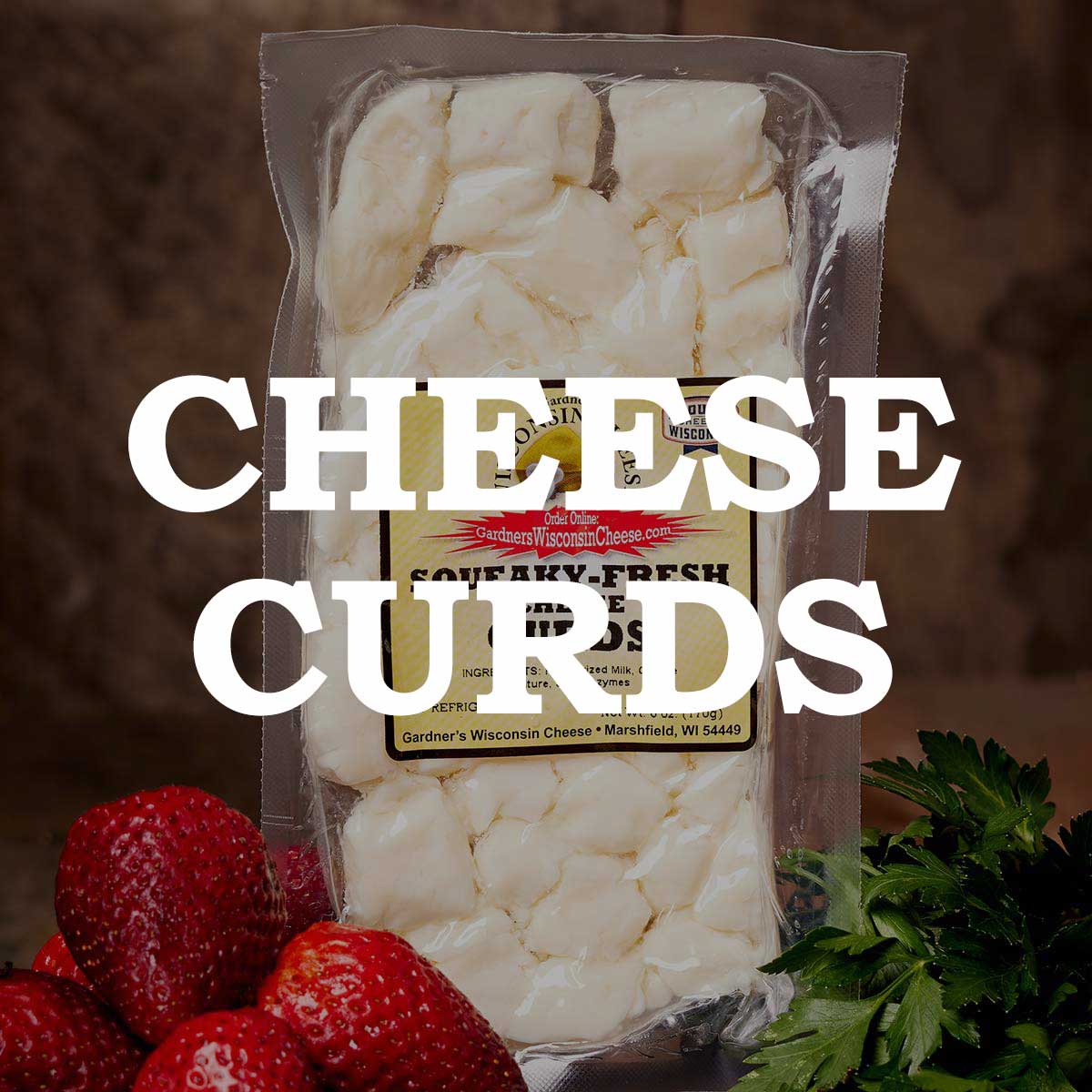
What About Cheese Curds?
Fresh cheese curds occupy a special place in the Wisconsin food pyramid, which is a real thing we just decided exists.
Nutritionally, fresh curds are basically young cheddar: high in protein, calcium, and fat, with more lactose than aged varieties but still well within a reasonable range for most people. A one-ounce serving of Gardner's fresh cheese curds delivers solid protein and calcium in a snack that is genuinely fun to eat.

The squeak is a bonus. The nutrition is the substance.
For a deeper dive into why curds are so beloved in this part of the world, check out our blog on Wisconsin Cheese Curd Culture.
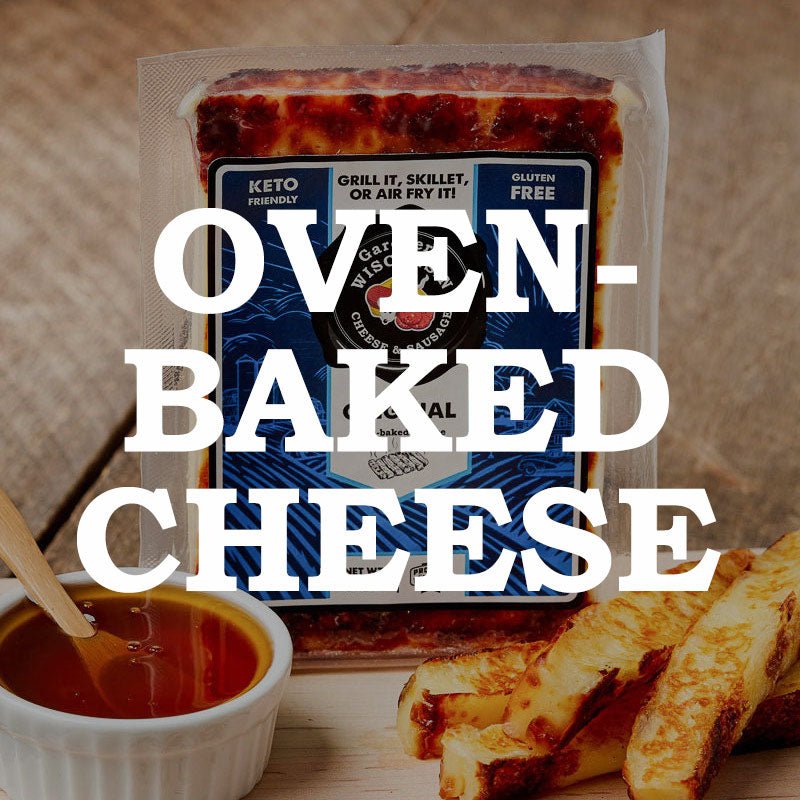
Oven-Baked Cheese: A Surprisingly Wholesome Snack
If you have not yet met Gardner's Original Oven-Baked Cheese, allow us to make the introduction.
Oven-baked cheese, also known as bread cheese, is made to be heated. It holds its shape instead of melting, browns beautifully in a skillet or air fryer, and comes out with a crispy outside and a warm, squeaky center. It is also gluten-free and genuinely keto-friendly without trying to be a health food about it.

From a nutritional standpoint, oven-baked cheese is a high-protein, high-fat snack with minimal carbohydrates. It is satisfying in a way that makes you forget you are making a responsible food choice. Pair it with vegetables, drizzle it with a little hot honey, or serve it on a board with cured meats and you have a snack situation that is both impressive and legitimately nutritious.
Want the full story on this one? We wrote a whole blog about it: Oven-Baked Cheese: From Nordic Tradition to Your Table.
When Is Cheese NOT Good for You?
Fair is fair. Let's talk about the exceptions.
Processed cheese products are where the nutritional story falls apart. American singles, spray cheese, and shelf-stable cheese sauces are loaded with emulsifiers, added starches, sodium, and stabilizers that turn a wholesome food into something else entirely. The carbs creep up, the ingredient list gets long and unpronounceable, and the genuine nutritional benefits of real cheese get diluted or lost. If your cheese requires opening a can or a foil packet, that is a different conversation.
Very large portions of even great cheese can tip the calorie balance. Cheese is energy-dense, and it is genuinely easy to eat more than you realize, especially at a party when someone has put out a very good board. One to three ounces per day is a reasonable range for most people.
Individual health factors matter too. People managing high blood pressure should watch sodium intake, since some cheeses run 300 to 500mg per ounce. Anyone with a dairy allergy (not just lactose intolerance) should avoid cheese entirely. And if you have specific cardiovascular risk factors, it is always worth chatting with a doctor about your diet rather than taking nutrition advice from a cheese company. Even a charming one.
The Bottom Line
Is cheese good for you? Yes. Genuinely, evidence-backed, not-just-wishful-thinking yes.
Real cheese made from quality milk, aged with care, and eaten in reasonable portions is a nutrient-dense food that supports bone health, provides complete protein, delivers hard-to-find vitamins like K2 and B12, and yes, according to actual research, may even be good for your heart.

The key words are real cheese. Not the stuff in a can. Not the individually wrapped orange squares. Real Wisconsin cheese, made by people who have been perfecting their craft for generations.
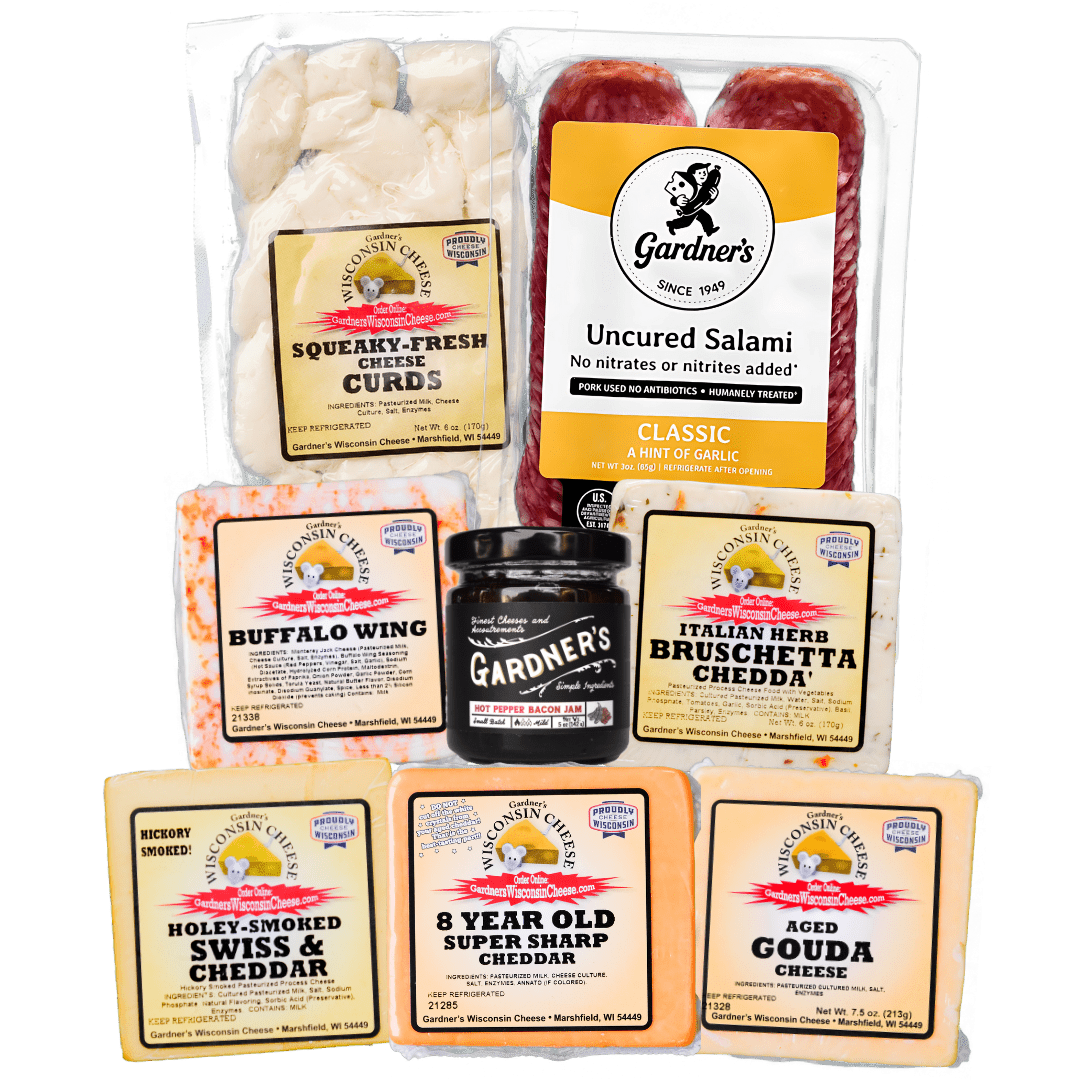
Gardner's has been part of that tradition for over 40 years, with a dairy heritage stretching back more than a century. When you order from Gardner's, you are getting cheese made from simple, all-natural ingredients by a family that takes the craft seriously. No chemistry experiments. No ingredient lists that require a PhD to decode. Just exceptionally good cheese shipped straight to your door.
Ready to stock your fridge with something worth feeling good about? Browse Gardner's full collection and find your new favorite.
Frequently Asked Questions
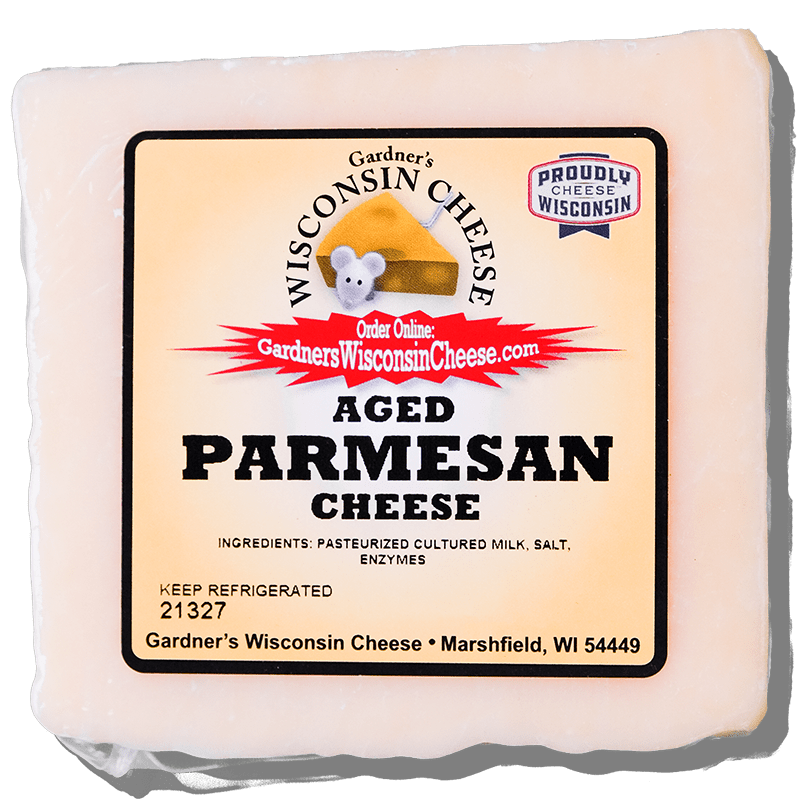
Is cheese healthy to eat every day? For most people, yes. One to two ounces of a quality natural cheese daily fits comfortably into a balanced diet and provides meaningful amounts of protein, calcium, and vitamins. Aged varieties like cheddar, parmesan, and gouda are particularly nutrient-dense and low in lactose.
Does cheese cause weight gain? Cheese alone is not the culprit. It is calorie-dense, so large portions eaten consistently will contribute to a calorie surplus. But in moderate amounts, the protein and fat in cheese are highly satiating and can actually support healthy weight management by reducing overall hunger.
Is cheese bad for your heart? Contrary to older beliefs, moderate cheese consumption has actually been associated with lower cardiovascular risk in several large studies. The fermented nature of real cheese and its unique nutrient matrix appear to behave differently in the body than other saturated fat sources.
What is the healthiest type of cheese? Aged cheeses like extra-sharp cheddar, parmesan, and gouda tend to rank highest nutritionally. They are low in lactose, high in protein and calcium, rich in K2, and intensely flavorful enough that a small portion satisfies. Gardner's aged cheddar lineup is a great place to start.
Is cheese okay if I am lactose intolerant? Many people with lactose intolerance tolerate aged cheeses well because the aging process breaks down most of the lactose. Hard cheeses like cheddar, swiss, and parmesan contain very little lactose. Start with a small amount and see how your body responds, and consult a healthcare provider if you have significant sensitivity.
