












· By Daylon Gardner
Is Cheese Good for Your Health? A Gardner’s Guide to Nutritious Nibbling, Cheesy Wellness, and Living Your Best Dairy Life!
If you have ever lovingly stared at a wedge of cheddar and whispered “you complete me,” congratulations, you already understand that cheese is not just a food. Cheese is a lifestyle. Cheese is a philosophy. Cheese is a friend who shows up to every party, sits next to you on the couch during stressful nights, and sometimes squeaks (looking at you, Cheese Curds). And yes, cheese can absolutely be part of a healthy diet when you know how to choose it, pair it, and enjoy it. That’s where we come in.
At Gardner’s, we take cheese seriously. Like, “we have an eight year cheddar that makes grown men cry tears of joy” seriously. So let’s dive into the nutritional world of cheese, exploring health benefits, potential concerns, and which Gardner’s cheeses might just be the nutritional heroes you didn’t know you needed!
This guide is equal parts science, flavor, and cheesy enthusiasm. You’ve been warned!
Key Takeaways
-
Cheese offers calcium, protein, vitamins, and minerals that help support strong bones, healthy teeth, and overall well being.
-
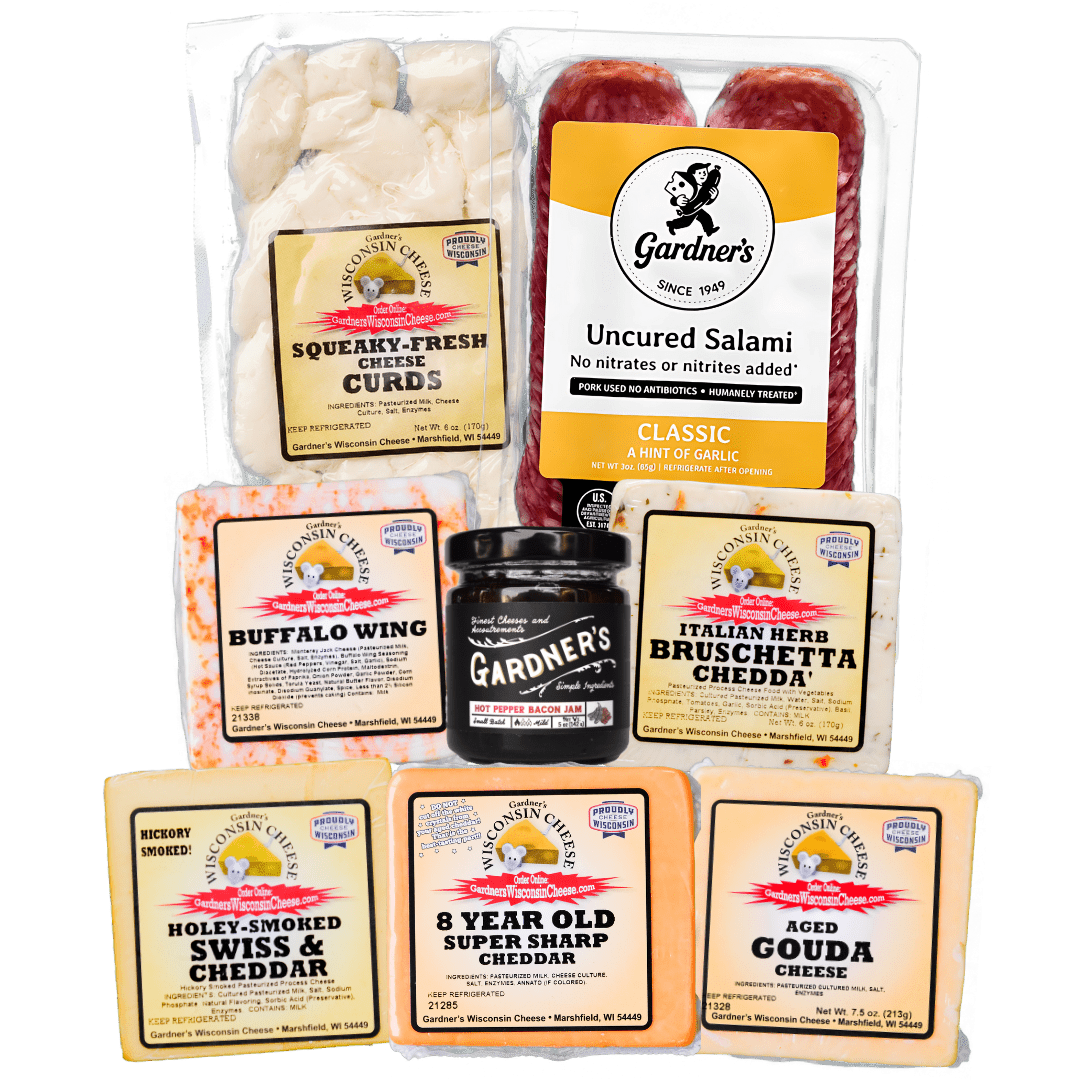
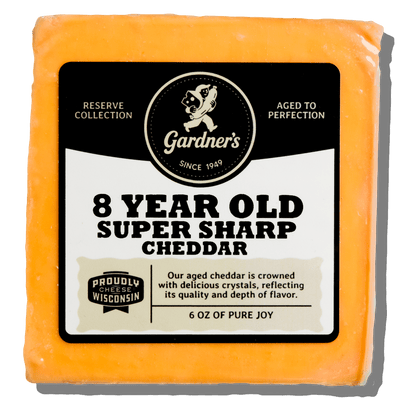
High protein varieties like our 8 Year Old Super Sharp Cheddar or our Mozzarella String Cheese help manage hunger and support weight goals.
-
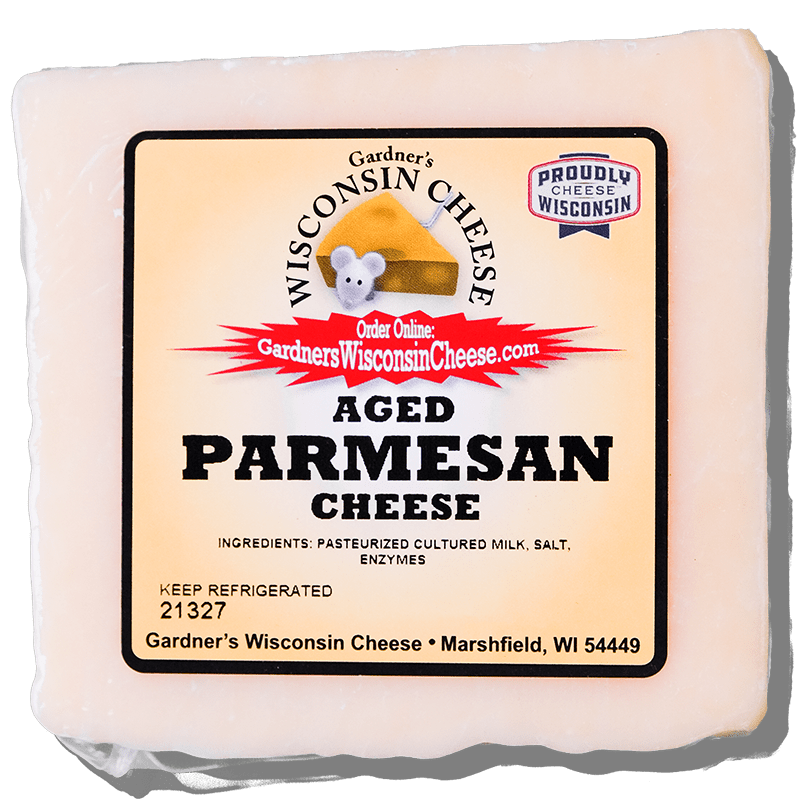
Aged cheeses like our Aged Gouda, Aged Parmesan, and Super Sharps are naturally low lactose and easier to digest.
-
As with any good thing, moderation matters. Cheese contains fats and sodium, so balance is key.
-
Whether you love squeaky curds, smoky cheeses, or the sharpest cheddar known to humankind, there is a healthy way to enjoy it all.
The Nutritional Superpowers of Cheese
Cheese isn’t just delicious, it’s built like a nutrient-dense champion! Every bite delivers:
-
Calcium for bones and teeth
-
Protein for muscles, satiety, and metabolism
-
Vitamin B12 for energy and nerve health
-
Vitamin A for vision and immune function
-
Phosphorus for bone strength and cellular repair
Different cheeses carry different strengths. Our 8 Year Old Super Sharp Cheddar, for example, is protein rich with deep, concentrated nutrients after nearly a decade of aging. Meanwhile, our Mozzarella String Cheese brings protein and calcium in a lighter, snack friendly format.
One ounce of a hard cheese like cheddar carries roughly 120 calories, 8 grams of protein, and a generous dose of calcium. Meanwhile, softer cheeses like cottage cheese offer higher protein density and lower calories per serving. With cheese, as with life, it’s all about variety!
Cheese also contains caseinophosphopeptides (yes, a real word), which help your body absorb calcium more effectively. You can think of these peptides like tiny nutritional assistants shouting, “Hey body, use this calcium!”
So yes, cheese is nutritious. Extremely nutritious. And when you choose the right varieties, you can enjoy big flavor and big benefits!
Why Cheese Is a Bone Health Powerhouse
 Let’s talk bones. Calcium and vitamin D are essential for keeping bones strong, and cheese happens to be one of the tastiest ways to get them into your diet.
Our aged cheeses, like our Dry Aged 4 Year Cheddar, 8 Year Old Super Sharp Cheddar, and Aged Parmesan, are especially rich in bioavailable calcium. Not only do these cheeses taste incredible, they also support bone mineral density, especially in adults and older women.
Research suggests that regular cheese consumption is linked to stronger bones and lower fracture risks. So the next time someone asks why you’re snacking on a thick slice of Aged Gouda, tell them it’s for your skeleton!
Smile! Cheese Loves Your Teeth
 Did you know cheese is basically a tiny dentist in disguise?
Here’s how cheese boosts oral health:
-
It increases saliva production, which protects enamel and neutralizes acids.
-
It raises plaque pH, reducing the risk of cavities.
-
It contains calcium and casein that help remineralize tooth enamel.
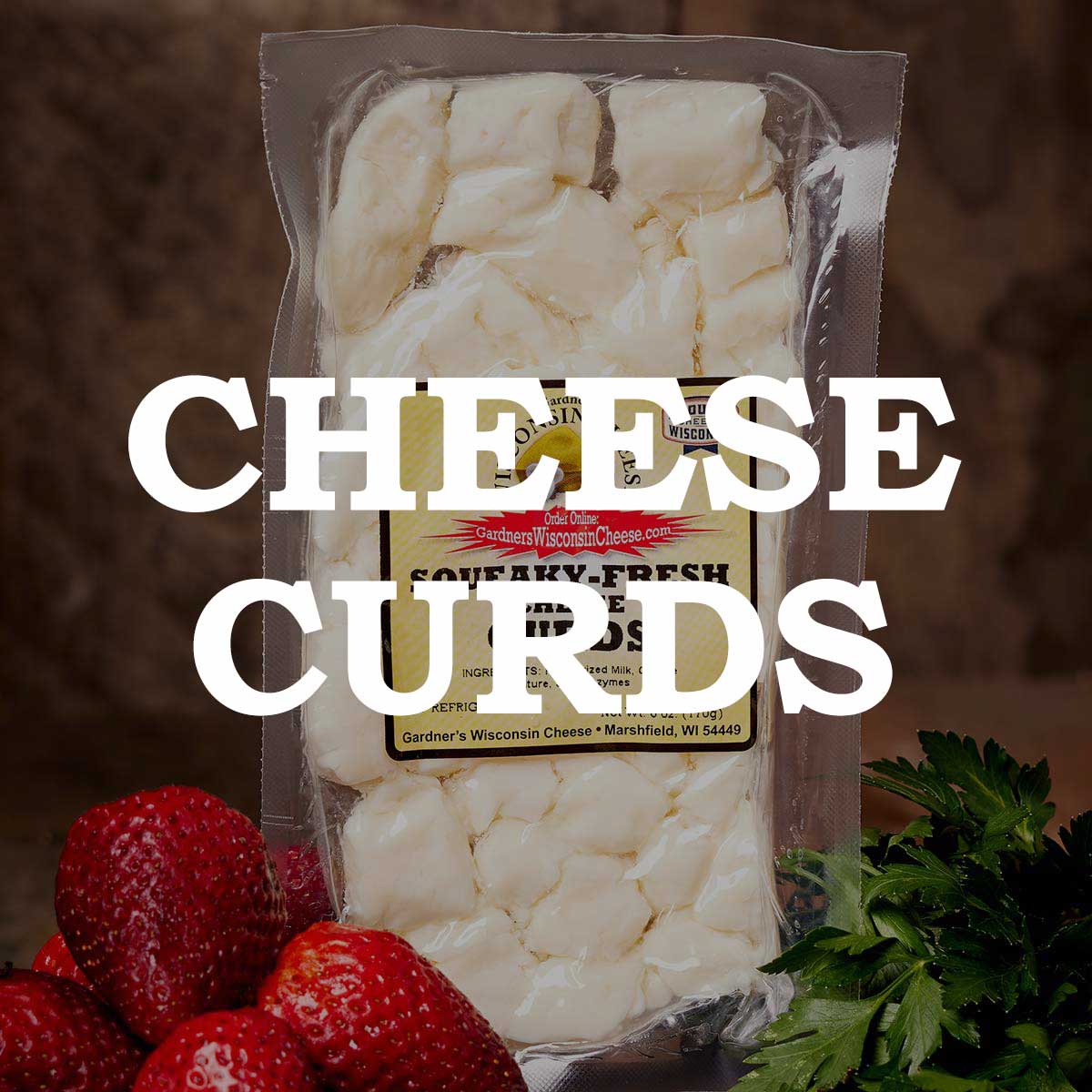
Even our humble Cheese Curds are little enamel cheerleaders. Every squeak? That’s the sound of dental victory!
Eating cheese after meals can help reduce cavity risk, making it a delicious, and dentist approved, way to end dinner. Imagine brushing your teeth... but with cheddar. Not literally, but you get the idea!
Gut Health: The Probiotic Side of Cheese
 Aged cheeses often contain cultures that support gut health. Probiotic friendly cheeses can help maintain a healthy microbiome which is linked to digestion, metabolism, immune support, and even mood.
Some Gardner’s gut friendly options include:
These cheeses are rich in beneficial bacteria that assist digestion, especially when eaten uncooked.
A pro tip from our cheese experts: enjoy aged cheese at room temperature for maximum flavor and maximum probiotic perkiness!
Cheese and Heart Health: A Surprising Relationship

People often worry about saturated fats in cheese. And while it’s true that moderation is key, research actually paints a much friendlier picture than expected.
Studies suggest cheese may have a neutral or even beneficial effect on heart health thanks to nutrients like calcium, vitamin K2 found in aged varieties, probiotic bacteria, and bioactive peptides formed during fermentation.
Moderate cheese eaters have been shown to have a lower risk of heart disease, type 2 diabetes, and hypertension compared to people who avoid cheese entirely. Yes, you read that right: skipping cheese may be the riskier choice!
It’s also worth noting that aged cheeses like our Aged Parmesan and Dry Aged Cheddar are naturally low lactose and are digested more slowly, providing sustained energy without huge blood sugar spikes.
But again, moderation is your dairy sidekick. Enjoy cheese as part of a balanced diet and your heart may just say “thank you.”
Cheese and Weight Management: Believe It or Not, They Can Coexist
Cheese can absolutely support weight goals if you choose the right types and the right portions.
Here’s why:
-
It’s high protein, keeping you full longer.
-
It has a higher thermic effect, meaning your body burns more energy digesting it.
-
It’s satisfying, meaning you may snack less later.
Our top weight management friendly cheeses include:
-
Mozzarella String Cheese for portion controlled snacking
-
Aged Parmesan for flavor packing power with smaller servings
-
Dry Aged Cheddar for satisfying sharpness
-
Draw-String Cheese Whips when you need “just one more” without overdoing it
Cottage cheese also gets a lot of attention for weight control, but we don’t make cottage cheese so we won’t pretend we do. What we can say is that our cheeses can easily be worked into a healthy eating plan when you pair them with fruits, veggies, whole grains, and lean proteins!
Lactose Intolerance: Good News Ahead
Many people assume dairy is off limits if they’re lactose intolerant. But aged cheeses, including several Gardner’s favorites, naturally lose most of their lactose as they mature.
Fantastic low lactose options include:
- Aged Parmesan
- Aged Gouda
- 8 Year Old Super Sharp Cheddar
- 13 Year Old Super Sharp Cheddar
- 17 Year Old Super Sharp Cheddar
- 20 Year Old Super Sharp Cheddar (Limited Edition!)
Most people with lactose intolerance tolerate these beautifully!
Meanwhile, fresh curds and mozzarella have a bit more lactose, but still far less than milk. Pairing them smartly or using lactase supplements can make these more digestible for sensitive cheese lovers.
If you thought cheese was off the table for you, this is your official permission slip to come back to the dairy side!
Cheese Allergies: Serious But Manageable
Unlike lactose intolerance, a dairy allergy involves an immune response and should be taken seriously. Symptoms can include hives, stomach pain, and respiratory issues, and in rare cases may lead to anaphylaxis.
Anyone with a diagnosed dairy allergy should avoid cheese entirely. No exceptions, no “just a bite,” no “but it’s aged!” We love cheese, but safety comes first.
Sodium and Saturated Fat: What To Watch For
 Cheese contains sodium and saturated fats, so mindful portions are essential—especially for people watching blood pressure.
Good lower sodium options include: Fresh Cheese Curds (surprisingly moderate sodium!), Mozzarella String Cheese, or Aged Gouda in light portions.
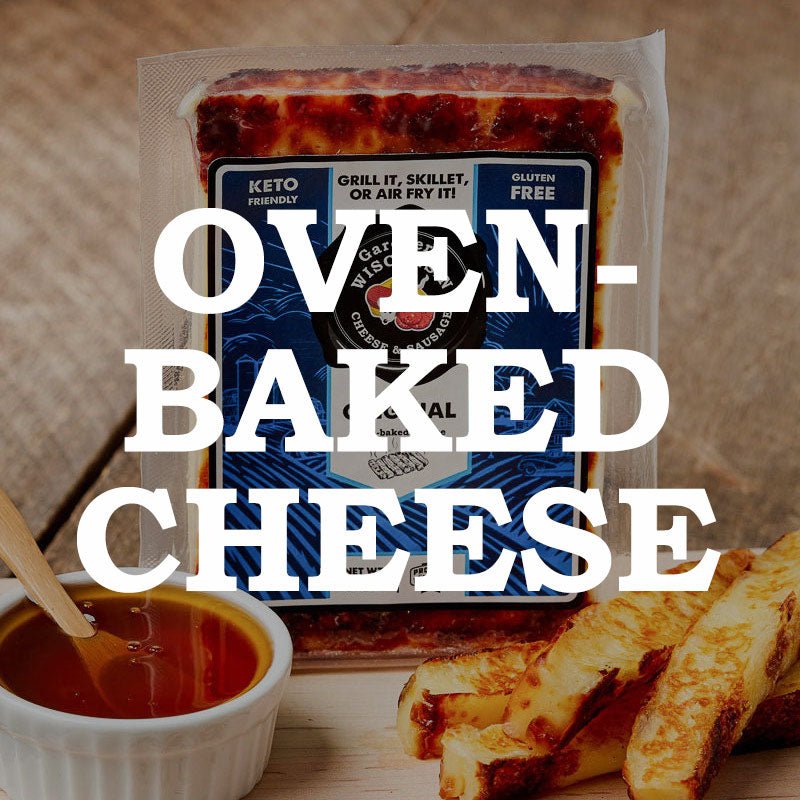
Higher sodium cheeses, like certain flavored varieties or heavily seasoned oven baked cheeses, can still fit in a balanced diet when paired with fresh fruit, whole grains, or veggies.
Think balance, not restriction!
Vegan Cheese Alternatives: A Few Notes
We don’t make vegan cheese, but if you’re choosing plant based options, here’s what nutritionists recommend:
-
Choose nut based cheeses instead of coconut oil based ones (lower saturated fat)
-
Check labels for added calcium and protein
-
Avoid ultra processed options when possible
Vegan cheese can be part of a healthy diet, but it won’t provide the same natural nutrients as dairy cheese. Just keep that in mind while browsing.
How to Include Cheese in a Healthy Diet (The Gardner’s Way!)
 Cheese can fit beautifully into a healthy lifestyle. Here are our best tips.
1. Portion Smart
A serving of hard cheese is ~30g or roughly the size of two adult thumbs pressed together. Or, let’s be real, one good sized cube of our 17 Year Old Aged Cheddar.
2. Use High Flavor Cheese to Eat Less Overall
A sprinkle of Aged Parmesan goes a long way. One small shaving can transform roasted vegetables or pasta.
3. Pair Cheese With Wholesome Foods
Try:
-
Whole grain crackers
-
Fresh fruit
-
Veggies
-
Lean meats
-
Nuts
Pair our Garlic & Dill Cheese Curds with cucumbers or celery for a surprisingly refreshing snack!
4. Focus on Cheese With Benefits
These varieties pack nutritional value and bold flavor:
-
Aged Gouda for probiotics
-
8 Year Old Super Sharp Cheddar for protein and calcium
-
Aged Parmesan for umami and low lactose digestibility
-
Original Oven Baked Cheese for a high protein, lower carb treat
5. Enjoy Cheese Mindfully
 Slow down. Savor it. Don’t inhale half a block of herby Italian Herb Bruschetta Cheddar while scrolling TikTok. Unless it’s been that kind of day. Then we won’t judge.
The Cheesy Summary
Cheese is delicious, nutrient dense, versatile, and scientifically backed as part of a healthy diet! Whether you’re looking to support bone health, improve oral health, enhance your gut microbiome, or stick to weight goals, cheese can play a supportive role in the process.
With mindful portions and intentional choices, you can enjoy cheese daily while maintaining balance and wellness. And with Gardner’s Wisconsin Cheese by your side, you get all the nutritional benefits with none of the boredom... because our cheeses are genuinely exciting to eat!
So go ahead, slice that cheddar, pull that string cheese, or pop a squeaky curd. Your body and your taste buds can be friends after all!
Frequently Asked Questions
Is cheese good for bone health?
Absolutely! Cheeses like our aged cheddars and Aged Parmesan offer calcium, protein, and nutrients that help maintain strong bones.
Can cheese improve oral health?
Yes! Cheese boosts saliva, neutralizes acids, and supports enamel with natural calcium and casein.
Which Gardner’s cheeses are best for lactose sensitive people?
Aged varieties like our Aged Parmesan, Aged Gouda, and Super Sharp Cheddars are naturally low lactose and well tolerated.
Is vegan cheese healthier?
Not necessarily. Vegan cheeses can be lower in protein and calcium and may contain more saturated fat depending on the ingredients.
How can I include cheese in a healthy diet?
Portion properly, choose high flavor aged varieties, pair with whole foods, and enjoy your cheese mindfully!
