

















· By Daylon Gardner
Ultra Thin Cheese Slicer: How to Get Paper-Thin Slices for Your Favorite Wisconsin Cheeses
Key Takeaways
-
An ultra thin cheese slicer is typically a handheld wire slicer designed to cut paper thin slices from blocks of cheese, giving you complete control over thickness and freshness.
-
Ultra-thin slices are perfect for artisan Wisconsin cheeses from Gardner’s, especially aged cheddar, aged gouda, and our bold flavored blocks.
-
Modern ultra-thin slicers use an adjustable stainless-steel cutting wire, letting home cooks easily switch between paper-thin and thicker slices depending on the recipe.
-
These cheese tools are widely available across the U.S., and compact enough to store in any kitchen drawer.
-
Pairing the right slicer with cold-pack shipped cheeses from Gardner’s can dramatically elevate your cheese boards, sandwiches, and tasting plattersit’s a simple upgrade with delicious results!
What Is an Ultra Thin Cheese Slicer?
So, what exactly is an ultra thin cheese slicer? Simply put, it’s a handheld wire or blade tool specifically designed to create very thin—often “paper thin”—slices from a cheese block. Unlike grabbing a kitchen knife and hoping for the best, these slicers give you precision and consistency with every pass.
The typical construction features a metal or zinc alloy frame with a tensioned stainless-steel wire stretched across a cutting plane. Some models include an adjustable thickness arm or knob that lets you dial in exactly how thin (or thick) you want your slices. The design is simple, elegant, and incredibly effective.
Here’s a fun fact: this style of slicer has been a staple in American kitchens since at least the 1970s and 1980s, even if social media recently “rediscovered” it and made it feel trendy again. Trust us—cheese lovers have known about this handy tool for decades!

What’s the difference between using an ultra-thin slicer and just buying pre-sliced processed cheese? Everything! With a quality slicer and real artisan cheese, you control the thickness, the freshness, and the flavor. Pre-sliced cheese from the grocery store simply can’t compete with the taste of a freshly sliced wedge of Wisconsin cheddar.
And compared to simple cheese knives? Well, knives struggle to deliver uniformly ultra-thin slices, especially with semi-soft cheeses that stick and tear. A wire slicer glides through cleanly, giving you perfect ribbons every time.
Why Ultra-Thin Slices Matter for Flavor and Presentation
Here’s something that might surprise you: the way you slice your cheese actually changes how it tastes! Ultra-thin slices warm faster on your tongue and release more aromas, creating a more intense and nuanced flavor experience. It’s like unlocking a hidden level of deliciousness.
This is especially important for strong, bold cheeses like 6–10 year aged Wisconsin cheddar, smoked cheeses, and garlicky or spicy flavored varieties from Gardner’s. When you slice them paper thin, you get all that wonderful flavor without overwhelming your palate. Each bite becomes a perfect tasting moment.

From a presentation standpoint, thin slices are simply gorgeous. They layer beautifully on charcuterie boards, fold elegantly onto sandwiches and burgers, and are perfect for tasting flights where guests sample multiple cheeses side by side. Your cheese board will look like it came straight from a gourmet shop!
There’s also a practical side: thinner slices help stretch premium artisan cheeses further when you’re serving a crowd or assembling gift boxes. You get more portions without sacrificing the experience. That’s smart entertaining!
And let’s talk about melting. Ultra-thin slices melt quickly and evenly, making them ideal for grilled cheese sandwiches, casseroles, and oven-baked cheese dishes. Some studies suggest thin slicing improves melting efficiency by 15-20%, which means faster, gooier, more perfect results. Yes, please!
Key Types of Ultra Thin Cheese Slicers
Most tools marketed for “ultra-thin” slicing fall into three main categories, each with its own pros and cons. Let’s break them down so you can find the perfect fit for your kitchen.

Classic Handheld Wire Slicers
These are the workhorses of the cheese-slicing world. Think of the popular T-shaped frame designs similar to Bellemain or Zulay styles. They feature an adjustable wire stretched between the handles, and you draw them across your cheese block for clean, even slices.
Best for: Semi-soft to semi-hard cheeses like havarti, gouda, cheddar, and gruyere. They’re lightweight, easy to use, and perfect for everyday slicing.
Adjustable Thickness Wire Boards
These feature a flat cutting platform with a swinging wire arm that allows consistent repeated cuts. Place your cheese block on the base, lower the arm, and you get uniform slices every time.
Best for: Entertaining and batch slicing when you need many consistent thin slices quickly. The stable platform makes the process feel sturdy and controlled.
Fine-Blade Slicers and Microplane-Style Shavers
For very hard cheeses like aged Parmesan, you’ll want a different approach. Microplane-style shavers create delicate shavings rather than broad slices, which is perfect for garnishing pasta or salads.
Best for: Very aged, crumbly cheeses. Note that these create shavings, not traditional slices.

How to Use an Ultra Thin Cheese Slicer for Best Results
Owning a great slicer is only half the battle—technique matters just as much if you want true paper-thin slices. Here’s how to get professional results every time.
Temperature Is Everything
Start by chilling your blocks of cheese for 20–30 minutes before slicing. This firms up the cheese and makes it much easier to cut clean, thin slices. Room-temperature cheese tends to stick, tear, and compress under the wire. Cold cheese? It slices like a dream.
The Basic Method
-
Place the cheese block on a stable cutting board
-
Position the wire slicer at the edge of the block
-
Draw the wire across the surface with gentle, even pressure
-
Keep your angle consistent throughout the motion
-
Lift the slice and repeat
Adjusting Thickness
If you’re using an adjustable slicer, here’s the process:
-
Loosen the adjustment mechanism
-
Slide to your desired thickness setting
-
Retighten securely
-
Test on a small edge of the block before committing
Pro tip: When building Wisconsin cheese and sausage trays, alternate ribbons of ultra-thin cheese with slices of summer sausage from Gardner’s. This creates a professional, layered look that impresses every time. Your family and guests will love the presentation!

Pairing Ultra Thin Slices with Wisconsin Artisan Cheeses
At Gardner’s, we specialize in Wisconsin cheeses that truly shine when sliced ultra-thin. Our artisan varieties are crafted for flavor, and the right slicing technique brings out their absolute best.
Aged Cheddars and Gouda
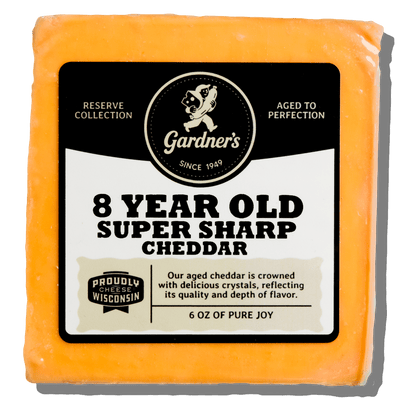
Ultra-thin slicing reveals the buttery, nutty flavors hidden in aged cheddar and gouda from Wisconsin creameries. Those delicious crystalline bits in a well-aged cheddar? They pop even more when you’re savoring a delicate, paper-thin slice rather than a thick chunk.
Flavored Cheeses
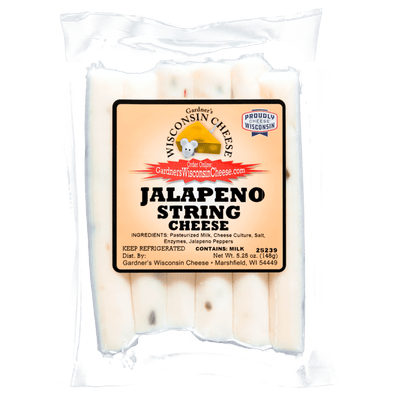
Our garlic, dill, jalapeño, and bacon-flavored cheeses pack serious punch. Thinner slices keep these bold flavors from overpowering your palate, letting you enjoy the complexity without the intensity becoming too much. It’s all about balance!
Building the Perfect Cheese Board
Here’s a simple board that never fails to impress:
-
Ultra-thin slices of 6-year aged cheddar (sharp, crystalline, perfect)
-
Paper-thin smoked gouda (rich, creamy, slightly sweet)
-
Delicate ribbons of pepper Jack (a little heat goes a long way)
-
Wisconsin summer sausage slices
-
Artisan crackers and crusty bread
-
Fresh apple slices or grapes

A Note on Curds and Oven-Baked Cheese
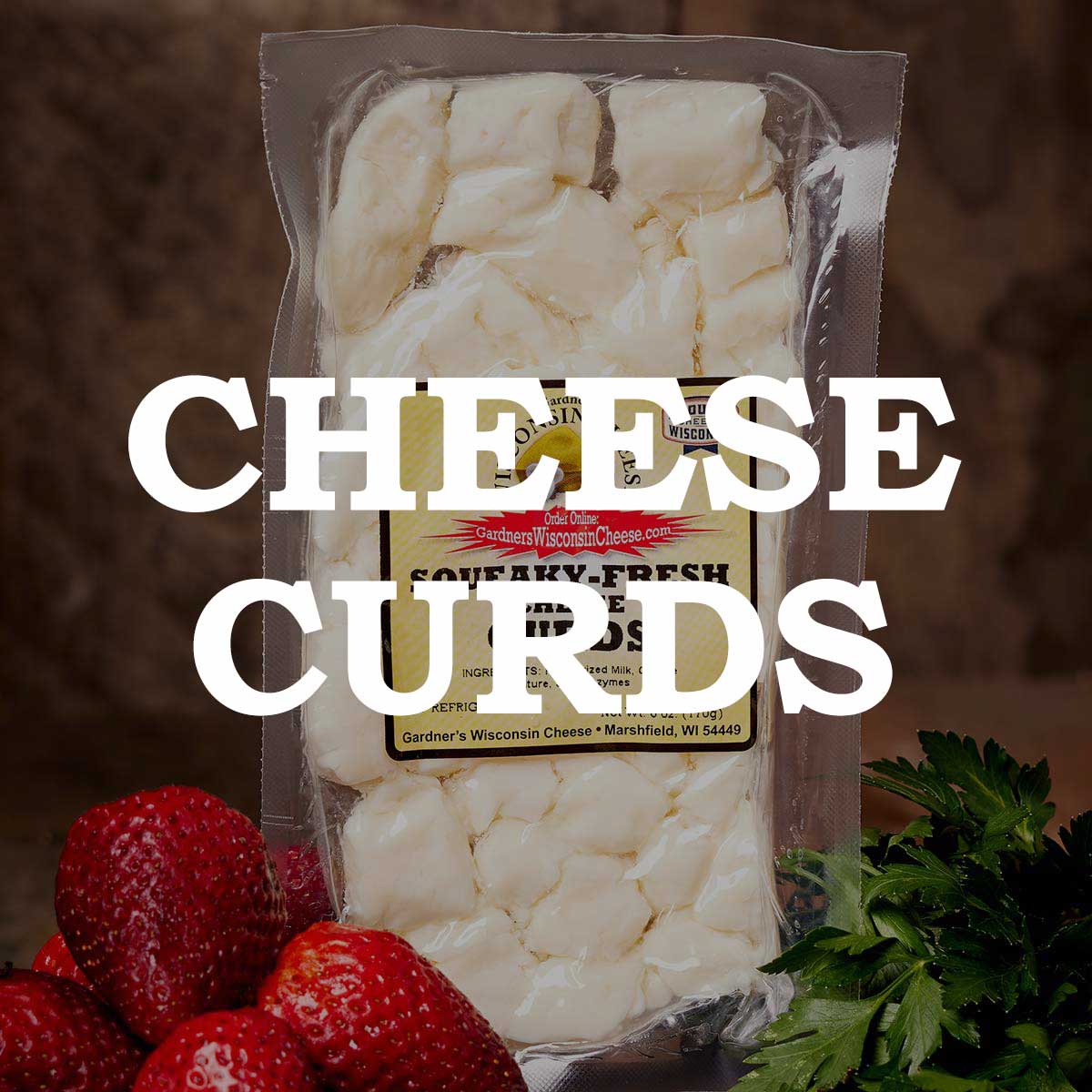
Our famous cheese curds and oven-baked cheeses are separate specialties that aren’t normally sliced ultra-thin—they’re meant to be enjoyed in their original squeaky or melty glory! But they pair wonderfully alongside thin-sliced aged cheeses on a platter, creating a nice variety of textures and flavors.
We encourage you to explore our online catalog for block cheeses that are ideal for slicing. With cold-pack shipping to all 50 states, your artisan cheese arrives fresh and ready for your slicer.
Care, Maintenance, and Safety
Proper care extends the life of your ultra thin cheese slicer and keeps every slice smooth and consistent. Here’s how to treat your tool right:
Cleaning After Use
-
Rinse off milk fats immediately after slicing
-
Wash with mild soap and warm water
-
Dry completely to prevent spotting or corrosion
-
Avoid letting cheese residue sit, which can shorten lifespan by up to 30%
Inspecting the Wire
Check your wire regularly for:
-
Slack or looseness (reduces cutting precision)
-
Nicks or rough spots (causes tearing)
-
Bending or kinks (time for replacement)
Many quality slicers include extra wires and simple replacement instructions right in the box, making them practical for frequent home entertainers.
Safe Handling and Storage
-
Keep the wire edge away from hands when reaching into drawers
-
Consider hanging on a utensil rack for easy access
-
Store flat to prevent wire damage
-
Some models include wire guards for safer storage
FAQ: Ultra Thin Cheese Slicers & Wisconsin Cheese
Which cheeses are hardest to slice ultra-thin?
Very crumbly cheeses—like aged blue cheeses or extremely dry, aged cheddars—don’t cooperate well with wire slicers. They tend to crack and crumble rather than slice cleanly. For these varieties, embrace the crumble! Use a knife to cut rough chunks, or simply break pieces by hand. It’s actually the traditional way to serve many hard aged cheeses, and the rustic look fits perfectly on a cheese board.
Can ultra-thin cheese slicers work on other foods like butter or tofu?
Yes! Many home cooks use wire slicers as a butter cutter for creating perfect pats, and they work nicely on semi-firm tofu for stir-fries. Some even use them for semi-firm chocolate or cold desserts. The key is that the food should be firm enough to hold its shape but soft enough not to snap the wire. Stick to similar textures as semi-hard cheese and you’ll find plenty of options for this handy tool.
How often should I replace the wire, and where can I buy replacements?
With regular home use, wires typically last 6-12 months before needing replacement. You’ll know it’s time when slices become uneven, the wire shows visible wear, or tension can’t be properly adjusted. Many manufacturers include replacement wires with purchase—check your packaging first! Additional wires are usually available directly from the seller or through major online retailers. Replacement is typically simple: release tension, remove old wire, thread new wire through guides, and retighten.
How long can Gardner’s cold-pack shipped cheeses be stored before slicing?
Our cold-pack cheeses arrive fresh and ready to enjoy! Once refrigerated, most block cheeses can be stored for several weeks—check the best-by date on your item for specific guidance. For the best slicing results, keep cheese wrapped in its original packaging or transfer to cheese paper. Before slicing, let the block chill for 20-30 minutes after unwrapping for optimal firmness. Properly stored Wisconsin cheese actually develops more complex flavors over time, so don’t rush—let it settle in your fridge before slicing!
Is it worth investing in a more expensive slicer?
For most home cooks, a quality mid-range wire slicer (typically $15-25) offers the perfect balance of durability and performance. These models use durable materials, feature adjustable thickness, and often include replacement wires. Ultra-premium or industrial options really only make sense for professional caterers or cheese shops processing large volumes. The simple wire slicer design is inherently effective—you don’t need to spend a fortune to get beautiful paper thin slices for your Wisconsin cheese collection.