







· By Daylon Gardner
Mild vs Sharp Cheddar: What's the Difference (and Which One's Right for You?)
Walk through any cheese aisle & you'll see it: "mild," "medium," "sharp," "extra sharp," "super sharp." What do those labels actually mean? Are they regulated? Does "sharp" mean spicy?
Here's the complete rundown on the cheddar sharpness spectrum. Why it happens, what it tastes like at each stage, and which one belongs in your fridge (hint: probably more than one).
Cheesy Takeaways
-
Cheddar sharpness comes from aging. Longer aging = sharper, more complex flavor.
-
Mild cheddar is aged 1-3 months. Sharp is 6+ months. Extra sharp is 1+ year.
-
Sharpness isn't spicy. It's a tangy, concentrated flavor that grows with age.
-
Aged cheddar is lower in lactose, which makes sharper cheddars easier on sensitive stomachs.
-
Gardner's goes all the way up to 17 & 20 years. You're welcome.
What Makes Cheddar "Sharp"?
Here's the actual answer: time. Sharpness is a function of how long the cheese has aged. When cheddar is first made, it's young, mild, creamy, and pretty one-note.
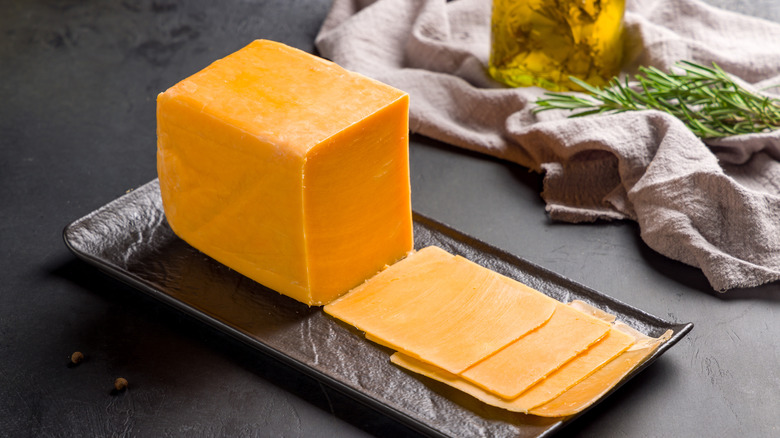
As it ages, a bunch of things happen:
-
Lactose breaks down into lactic acid. This creates the tangy, slightly sour note that we recognize as "sharp."
-
Proteins break into amino acids. These amino acids carry savory, umami flavors that give aged cheddar its complexity.
-
Fats develop. Fatty acids contribute to deeper, richer flavor notes.
-
Moisture leaves. The cheese gets firmer, more crumbly, more concentrated.
-
Crystals form. Those pleasant little crunches in well-aged cheddar are tyrosine & calcium lactate crystals. Delicious signs of proper aging.
So "sharp" is a flavor concept, not a heat concept. If someone's never had aged cheddar & you tell them it's sharp, they might expect jalapeño. Let's clear that up: sharp cheddar is tangy, concentrated, and complex, not spicy in any way.
The Mild-to-Sharp Spectrum Explained
Here's how the categories break down, though exact aging times vary by cheesemaker:
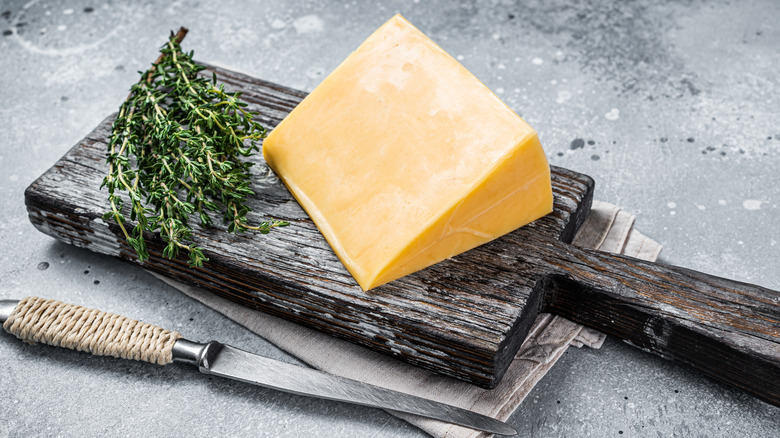
Mild Cheddar (1-3 months)
Soft, creamy, gentle flavor. Tastes like milk in a firmer form. Great for kids, melts beautifully, perfect for grilled cheese or quesadillas. Nothing challenging about it.
Medium Cheddar (3-6 months)
A step up. More flavor starts developing, slight tang appears. Still approachable, more interesting. Good everyday slicing cheese.
Sharp Cheddar (6-9 months)
Clear tangy bite. Fuller flavor. Starts to show some complexity. This is where cheddar gets interesting. The most popular variety in the US for a reason.
Extra Sharp Cheddar (9-18 months)
More intense. Flavor deepens, texture starts to firm up. Some crystals may appear. Bold but still approachable. Our Dry Aged Cheddar fits this zone.
Super Sharp / Aged Cheddar (1-5+ years)
The deep end. Intensely tangy, concentrated flavor. Firmer, often crumbly texture. Plentiful crystals throughout the block. This is where Wisconsin cheesemaking goes to show off.
Gardner's Extreme Aging (8, 13, 17, 20 years)
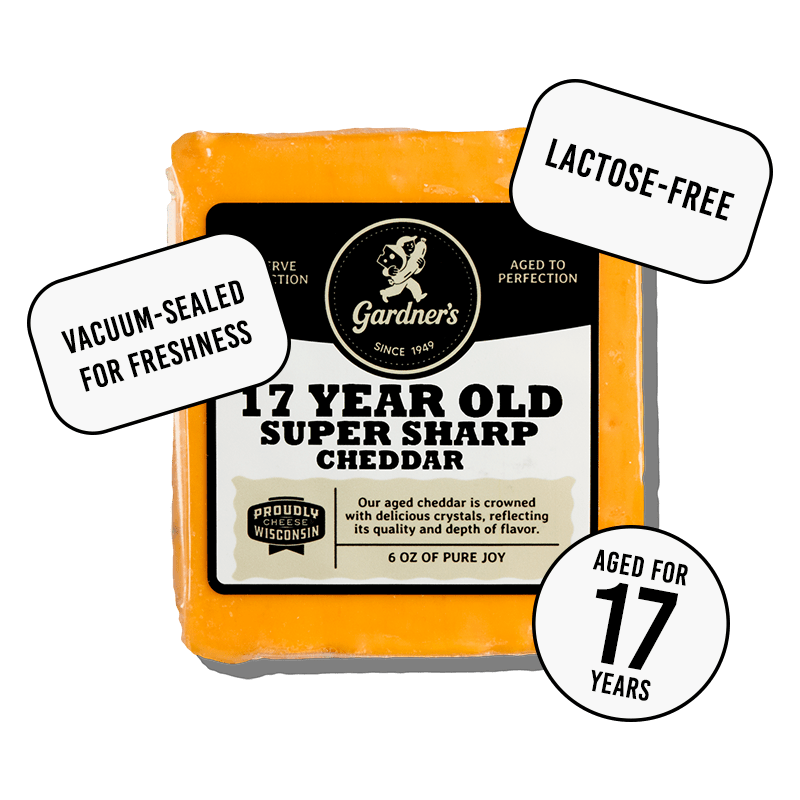
Our specialty. Cheddar aged to ridiculous lengths. Each year adds complexity, depth, and rarity. Our 17-Year Super-Sharp Cheddar is positioned as "rare, creamy, and intensely sharp." The 20-year is limited edition & genuinely hard to come by elsewhere.
Mild Cheddar: Who It's For & What to Do With It
Mild cheddar is the friendly, gentle option. It's not boring, it's just young. Uses:
-
Kids' cheese (mellow flavor, melts easily)
-
Grilled cheese sandwiches (melts smoother than aged cheddar)
-
Shredded on tacos, nachos, quesadillas
-
Mac & cheese base (combine with aged cheddar for depth)
-
Melted on burgers
-
Snacking for people who don't love strong flavors
If you've got kids, picky eaters, or a big recipe that calls for a lot of melty cheese, mild is your friend.
Sharp Cheddar: Who It's For & What to Do With It
Sharp cheddar is where cheddar becomes a conversation piece. It's bold, tangy, and has enough character to stand on its own.
Uses:
-
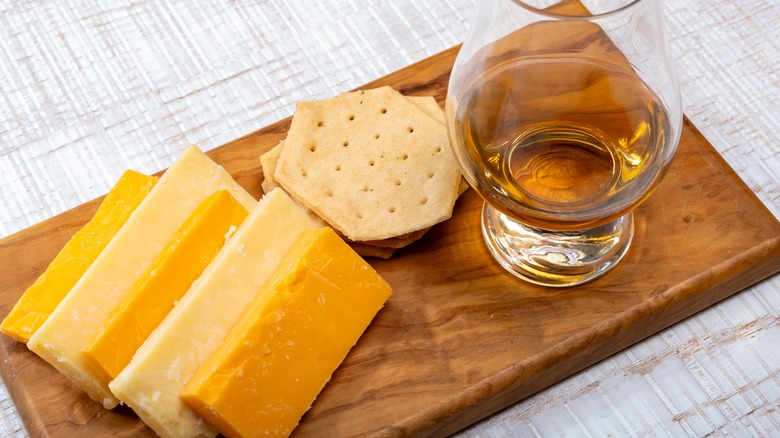
Cheese boards & charcuterie
-
Pairing with fruit, nuts, and cured meats
-
Snacking with crackers
-
Grating over soups or pasta
-
Making cheese sauces where you want flavor depth
-
Pairing with stouts, cabernets, bourbons
Sharp is the all-purpose grownup cheddar. If you're only going to have one cheddar in the fridge, sharp is the move.
Super Sharp / Aged Cheddar: Who It's For & What to Do With It
Super sharp is the connoisseur option. These are cheddars for people who love cheese for its own sake, not just as an ingredient. Our 8, 13, and 17-year cheddars are all in this category, and they're the products we're most known for.

Uses:
-
Cheese boards (the main event, not the filler)
-
Pairing with premium wines & spirits
-
Shaving thin over fancy dinners
-
Gifting (it's a memorable, special-occasion cheese)
-
Slow snacking with a good drink
-
Impressing people who think they know cheese
Super sharp is usually too intense to use in cooking as your whole cheese. A little goes a long way. Grate a small amount into sauces for depth, or serve straight as a showcase cheese.
Is Sharp Cheddar Healthier Than Mild?
Slightly, and in specific ways. Sharp cheddar:
-
Has less lactose. Longer aging breaks down more lactose, making aged cheddar friendlier for lactose-sensitive eaters. Our 13-year & 17-year cheddars are explicitly labeled lactose-free.
-
Has slightly more protein per ounce. Aging concentrates protein content as moisture leaves.
-
Has more flavor per bite. You can eat less & feel more satisfied, which is a nice side effect if portion control matters.
-
Has slightly higher sodium. Salt concentrates as moisture evaporates. Worth knowing if sodium is a concern.

For most people, any quality cheddar is fine as part of a varied diet. Don't stress about it. Eat the cheddar you enjoy.
How to Pick the Right Cheddar for Your Needs
Quick decision guide:
-
Cooking & melting: Mild or medium for smooth melting. Sharp for flavor depth in sauces.
-
Cheese board: Sharp or super sharp. The more aged, the more it stands out.
-
Everyday slicing: Medium or sharp. Versatile enough for sandwiches, snacks, cooking.
-
Gifts: Super sharp (aged cheddar feels special & unique).
-
Lactose-sensitive: Aged cheddar (6+ months). The older the better.
-
Picky eaters or kids: Mild.
-
Impressing guests: 13-year or 17-year super sharp.
What About "Extra Sharp" vs "Sharp"?
Great question & one we've written about before. Our sharp vs extra sharp cheddar guide goes deep on the distinction.

The short version: "extra sharp" is generally aged 12-18+ months, giving it more tang and firmness than plain "sharp" (usually 6-9 months). It's subjective & not federally regulated, so different cheesemakers use the labels differently.
Our lineup skips the middle labels & goes by actual aging years. You know exactly what you're getting with a 13-year vs an 8-year. No marketing ambiguity.
The Gardner's Take
Wisconsin is the heartland of sharp cheddar. Four generations in our family have been making it, and we specialize in the aged end of the spectrum. Our super-sharp lineup (8-year, 13-year, 17-year, and limited 20-year) is what we're known for.
If you've been eating grocery-store sharp cheddar & never experienced what a proper 8-year or 13-year cheddar tastes like, you're in for something. The flavor isn't just "more sharp." It's a whole different experience. Deeper, richer, more complex. The kind of cheese you slow down to eat.
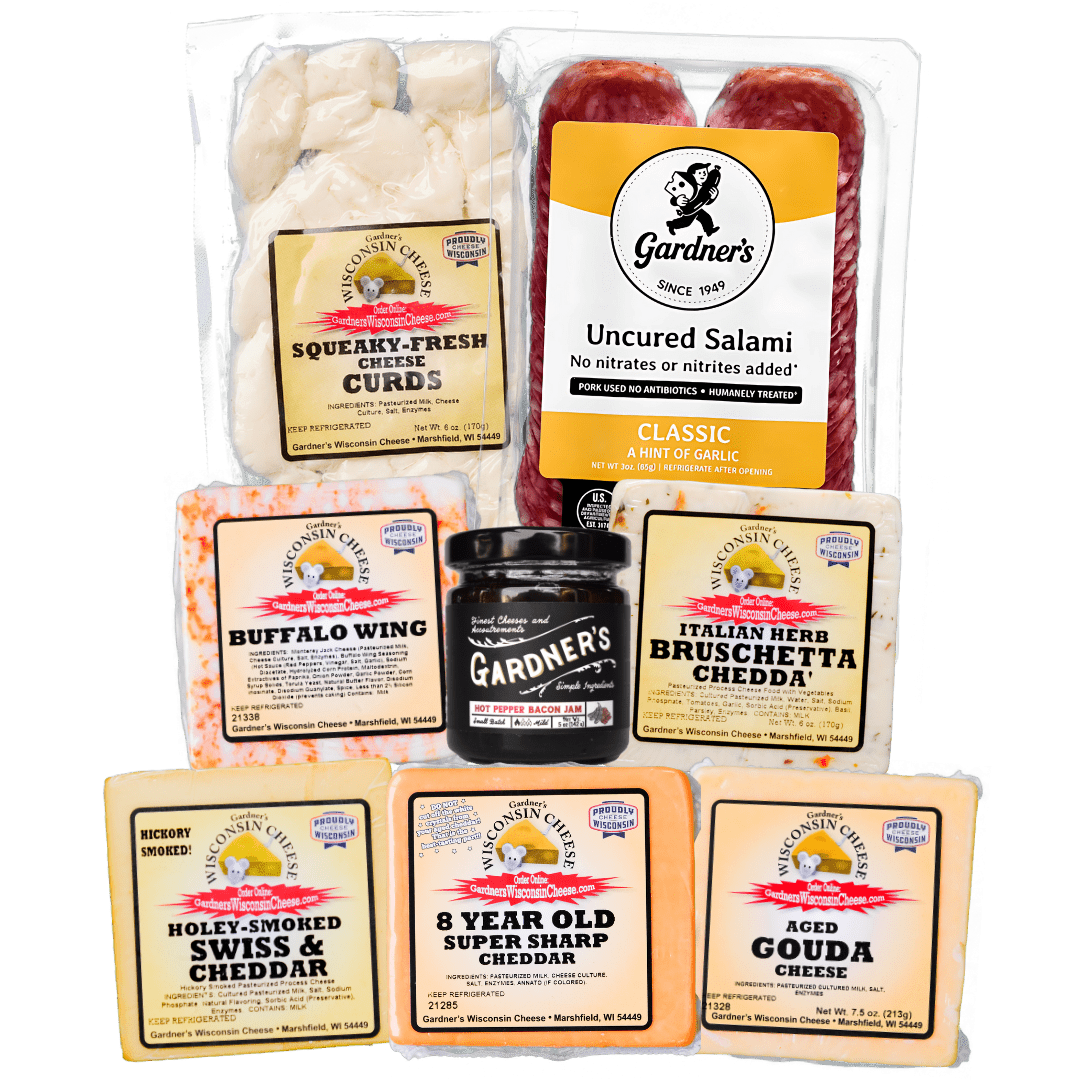
Start with the Super Sharp Cheddar Package to taste the lineup side by side. Or grab a single block of the 8-year & pair it with Hot Pepper Bacon Jam.
For more on pairing sharp cheddar, check our sharp cheddar pairing guide.
FAQ: Mild vs Sharp Cheddar
What makes cheddar sharp?
Time. Cheddar gets sharper as it ages. Lactose breaks down into lactic acid, proteins break into flavorful amino acids, and the whole cheese gets more concentrated.
Is sharp cheddar spicy?
No. Sharp refers to tangy, concentrated flavor, not heat. It's not spicy in any way.
Does sharp cheddar have lactose?
Very little. Aged cheddars (sharp and extra-sharp) are naturally low in lactose because aging breaks it down. Super-sharp cheddars (our 13-year and older) are explicitly labeled lactose-free.
What's the sharpest cheddar you can buy?
Our 17-year and limited-edition 20-year super-sharp cheddars are among the most intensely aged cheddars commercially available. Rare, creamy, and genuinely hard to find elsewhere.
Is sharp cheddar healthier than mild?
Slightly. Aged cheddar has less lactose, a bit more protein per ounce, and more flavor per bite. It also has slightly higher sodium. Both are fine in moderation.
Why does cheddar get crumbly when it ages?
Moisture evaporates as cheddar ages, and the protein structure tightens. The result is a firmer, denser, more crumbly texture. Crumbly cheddar is a sign of proper aging, not spoilage.
Can I substitute mild cheddar for sharp in a recipe?
Yes, but the flavor will be less pronounced. If you're making something where cheese is the star (cheese sauce, cheese board, cheese crackers), use sharp or aged. If cheese is just one ingredient in a bigger dish, mild or medium works.
Bottom Line
Mild vs sharp cheddar isn't a battle. They're both cheddar, they both have their place. Mild for mellow melting & kids. Sharp for everyday flavor. Super sharp for cheese boards & memorable moments.
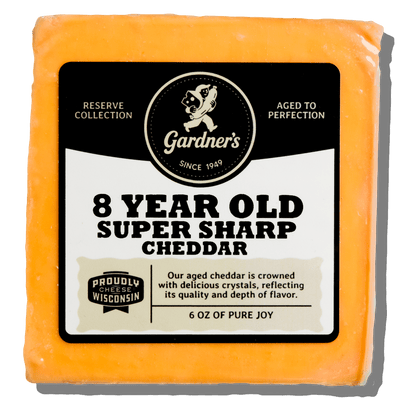
If you've been eating grocery cheddar your whole life & never tried a real Wisconsin aged cheddar, start with our 8-Year Super-Sharp Cheddar. Pair it with Raspberry Honey Mustard or Hot Pepper Bacon Jam and prepare to reorganize your cheese priorities.
