

















· By Daylon Gardner
Recipes with Curd Cheese: From Wisconsin Cheese Curds to Classic Farmer’s Cheese Dishes
Key Takeaways
-
“Curd cheese” covers two distinct types: Fresh Wisconsin-style cheese curds (squeaky, bite-sized, perfect for poutine and frying) and dry curd cottage cheese, also called farmers cheese (mild, crumbly, ideal for baking and Eastern European dishes like pierogi).
-
Fresh curds are at their best within 24–48 hours of production, but they’re still excellent for cooking for several more days when kept refrigerated.
-
Gardner’s Wisconsin Cheese and Sausage ships handcrafted cheese curds cold-pack nationwide, so you can enjoy authentic Wisconsin curds no matter where you live in the U.S.
-
This article covers recipes for both types: from classic poutine and fried cheese curds to farmers cheese pierogi, syrniki pancakes, casseroles, and even desserts.
-
Proper storage matters: Keep fresh curds chilled and use them quickly for that signature squeak, while farmers cheese stores longer and can even be frozen for future recipes.
Ready to embark on a delicious journey through the wonderful world of curd cheese? Whether you’re craving the satisfying squeak of fresh Wisconsin cheese curds piled high on poutine or the comforting creaminess of farmers cheese tucked inside golden pierogi, you’ve landed in exactly the right place. These versatile ingredients can transform your cooking from ordinary to extraordinary, and we’re here to show you how!

From game-day nachos to elegant cheese boards, from quick weeknight grilled cheese sandwiches to leisurely weekend brunch pancakes, curd cheese in its many forms opens up a universe of culinary possibilities. Let’s dive in and discover all the tasty ways you can cook with these incredible ingredients!
What Is Curd Cheese? (Fresh Curds vs. Dry Curd Cottage Cheese)
Here’s where things get interesting: the term “curd cheese” means different things depending on where you are and who you’re talking to. In the U.S. and Canada, it often refers to those beloved squeaky cheese curds you find at Wisconsin cheese shops and Canadian poutine stands. In Eastern European cooking, it typically means dry curd cottage cheese or farmers cheese, a drier, more crumbly product perfect for baking and savory dishes.
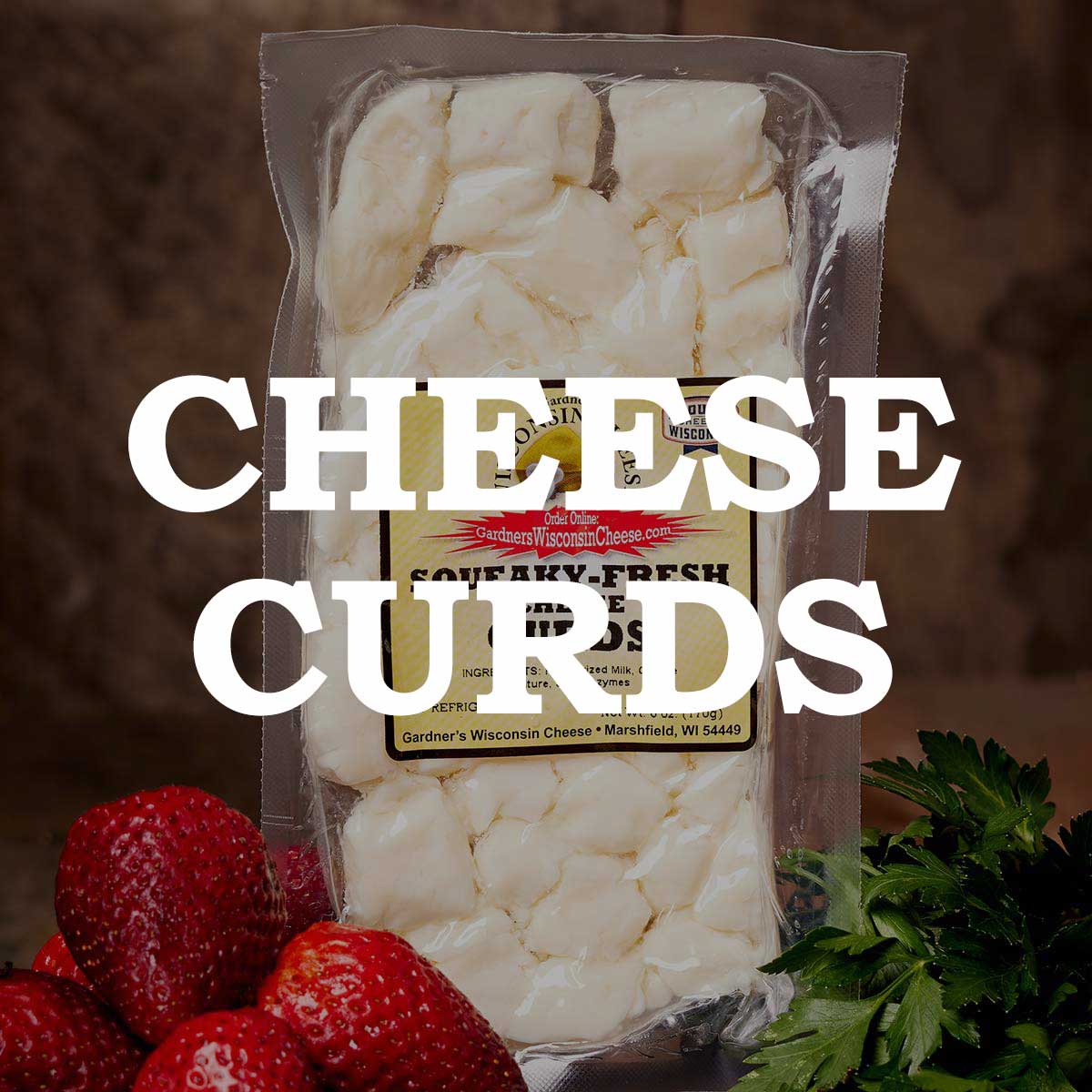
Fresh cheese curds are those springy, bite-sized nuggets of young cheese, usually made during cheddar or Colby production. When you bite into a truly fresh curd, it squeaks against your teeth, a delightful sensation caused by proteins rubbing together under pressure. These curds are incredibly popular in Wisconsin and throughout the Midwest, where they’re eaten as snacks, deep fried at county fairs, and piled onto french fries topped with gravy for classic poutine.

Dry curd cottage cheese, often sold as farmers cheese, is a different creature entirely. It’s essentially cottage cheese with all the whey pressed out, resulting in a firmer, drier texture with a mild flavor and slight tang. This type of curd cheese is the star of countless Eastern European recipes, think pierogi fillings, breakfast pancakes called syrniki, and light cheesecakes.
Important note: These two types of curd cheese aren’t interchangeable in most recipes! When a recipe calls for squeaky curds (like poutine), farmer’s cheese won’t give you the same melty, stretchy result. And when a recipe needs farmer’s cheese’s dry texture (like pierogi filling), fresh curds will be too wet and bouncy.
At Gardner’s Wisconsin Cheese and Sausage, we specialize in fresh Wisconsin cheese curds and artisan cheeses, all shipped cold-pack directly to your door. While farmer’s cheese is typically found in grocery dairy sections or made at home, our handcrafted curds are perfect for all those delicious hot dishes and snacking moments we’ll explore below!
Cooking with Fresh Wisconsin Cheese Curds
Fresh Wisconsin cheese curds are the undisputed stars of Midwest snacking and comfort food. At Gardner’s Wisconsin Cheese and Sausage, we ship our handcrafted curds cold-pack to cheese lovers across all 50 states, because everyone deserves to enjoy cheese curds that actually squeak!

These little nuggets of joy are at their squeakiest within 24 hours of production, but don’t worry if yours have been in the fridge for a few days. They’re still excellent for cooking, and here’s a pro tip: you can “re-squeak” slightly older curds by giving them a quick 5–10 second burst in the microwave. This gentle warming brings back some of that beloved bounce, making them perfect for both snacking and adding to hot dishes.
The most popular recipes for fresh curds include:
-
Poutine – the Canadian classic that’s become a Midwest obsession
-
Fried cheese curds – Wisconsin’s answer to mozzarella sticks
-
Nachos – because curds make everything better
-
Grilled cheese – with stretchy, melty pockets of goodness
-
Salads and grain bowls – for a protein-packed upgrade
-
Charcuterie boards – for impressive entertaining
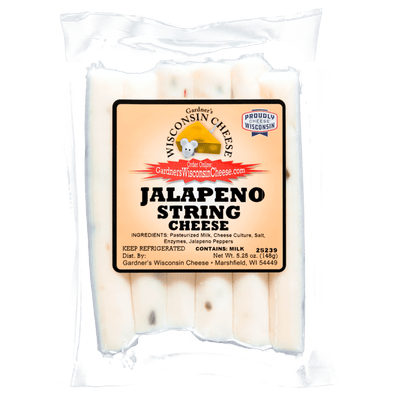
At Gardner’s, we offer curds in various flavors beyond classic white, think garlic and herb, maple bacon, jalapeño, and more. Matching your curd flavor to your recipe opens up endless creative possibilities!
-
Add pulled pork for a hearty meal
-
Top with crispy bacon bits
-
Include smoked sausage slices (we recommend pairing with Gardner’s summer sausage!)
-
Garnish with green onions or fresh herbs

Cooking with Farmer’s Cheese (Dry Curd Cottage Cheese)
Now let’s shift gears to the other star of the curd cheese world: farmer’s cheese, also known as dry curd cottage cheese. This ingredient is a staple in Eastern European and Ukrainian cooking, where its mild tang and crumbly texture make it indispensable for everything from savory pierogi to sweet breakfast pancakes.
Why Farmer’s Cheese Works So Well in Cooking:
Unlike regular cottage cheese (which is loaded with moisture), farmer’s cheese has had most of its whey removed, resulting in:
-
Lower moisture content
-
A mild, slightly tangy flavor
-
Resistance to curdling in hot or acidic recipes
-
A texture that holds up during baking and frying
Many U.S. grocery stores carry farmer’s cheese or dry curd cottage cheese in the dairy section. In a pinch, you can drain regular cottage cheese overnight in the fridge through cheesecloth to approximate the texture, though true farmer’s cheese will always give you better results.
The main recipe families for farmer’s cheese include:
-
Pierogi fillings (the classic!)
-
Breakfast pancakes (syrniki)
-
Baked casseroles and noodle dishes
-
Savory dips and spreads
-
Light cheesecakes and desserts
A note from Gardner’s: While we specialize in fresh Wisconsin cheese curds and artisan cheeses, these farmer’s cheese recipes are a wonderful way to expand your overall curd cheese cooking repertoire. And many of them pair beautifully with our sausages and cured meats!
Entertaining with Curd Cheese: Boards, Parties, and Gifts
Ready to impress at your next gathering? Curd cheese, both fresh curds and farmer’s cheese spreads, makes for absolutely stunning party food. Whether you’re hosting a casual game-day watch party or an elegant holiday soirée, curds deserve a starring role on your table.

At Gardner’s Wisconsin Cheese and Sausage, we ship cold-pack cheese curds, sausages, and gift assortments nationwide, making entertaining (and gifting!) easy no matter where you live.
Building a Cheese-and-Curd Board:
The Cheeses:
-
Fresh squeaky curds (include both plain and a flavored variety)
-
A farmer’s cheese spread in a small bowl
The Meats:
-
Snack sticks
-
Bacon-wrapped bites
The Accompaniments:
-
Pickles (dill spears, cornichons)
-
Assorted mustards
-
Fruit jams or honey
-
Fresh grapes or apple slices
-
Nuts (almonds, walnuts)
-
Sturdy crackers and sliced baguette
Want to keep your cheese board fresh? Learn how long block cheese lasts and get cheese storage tips.
Buying and Storing Curd Cheese
Getting great results from your curd cheese recipes starts with buying the right product and handling it properly. Here’s everything you need to know!

How Gardner’s Ships Wisconsin Cheese Curds:
We pack our handcrafted curds and artisan cheeses in insulated cold-pack boxes, typically arriving chilled within a few days to addresses across all 50 states. Your curds arrive ready to eat or cook with, no special handling required on your end!
Storage Tips for Fresh Curds:
-
Keep refrigerated in their original packaging or transfer to an airtight container
-
Use within about a week for best flavor and squeak
-
For maximum squeakiness, eat within the first day or two
-
Curds that have lost their squeak are still perfectly fine for cooking
Storage Tips for Farmer’s Cheese:
-
Refrigerate and use by the date on the package
-
Many brands can be frozen for up to 3 months in airtight containers
-
Thawed farmer’s cheese works great in cooked dishes, though texture may be slightly softer
For Lactose-Sensitive Readers:
Fresh curds and aged cheeses typically contain less lactose than fresh milk, but individual tolerance varies significantly. If you have concerns, consult with your healthcare provider before adding these foods to your meal plan.
FAQ
Can I use regular cottage cheese instead of farmer’s cheese in these recipes?
Regular cottage cheese is much wetter than farmer’s cheese, which can cause problems in recipes like pierogi fillings, casseroles, and cheesecakes. If it’s all you have, drain it well by placing it in a fine-mesh sieve or cheesecloth-lined colander and letting it sit in the fridge overnight. Even then, the texture will be softer than with true dry curd cottage cheese. For best results, seek out actual farmer’s cheese at your grocery store.
How do I know if my cheese curds are still fresh enough for poutine or frying?
Curds are at their squeakiest within 24–48 hours of production, but they remain perfectly good for cooking much longer. As long as they smell clean (like fresh milk and cheese), taste normal without any sourness or off-flavors, and have been properly refrigerated, they’re fine to use for several more days. Use the squeakiest curds for snacking and reserve slightly older ones for hot dishes where the squeak matters less.
Can I freeze Wisconsin cheese curds from Gardner’s?
Yes, you can freeze curds for cooking purposes! Seal them tightly in freezer bags, pressing out excess air, and freeze for up to 2–3 months. However, be aware that the signature squeak will not fully return after thawing. Frozen and thawed curds work great in fried curds, poutine, nachos, and casseroles, just don’t expect to snack on them straight from the fridge after thawing and get that fresh-from-the-dairy experience.
What’s the best way to serve curd cheese on a charcuterie board?
Set out chilled (but not icy-cold) curds in a small bowl or scatter them in clusters across your board. Pair them with cured meats like summer sausage or snack sticks, pickles, grainy mustards, and an assortment of crackers. Offer at least one flavored curd and one plain variety to give guests options. Including a farmer’s cheese spread in a small dish adds a creamy contrast that rounds out the board beautifully.
How can I order Wisconsin cheese curds if I don’t live in the Midwest?
Great news, you don’t need to live anywhere near Wisconsin to enjoy authentic cheese curds! Customers across all 50 states can order fresh curds and artisan cheeses directly from Gardner’s Wisconsin Cheese and Sausage online store. We offer cold-pack shipping to ensure your curds arrive properly chilled, and orders of $69 or more ship free. Visit our website, find recipes you want to try, and we’ll get those curds headed your way!