















· By Daylon Gardner
Fried Wisconsin Cheese Curds
Key Takeaways
-
Authentic Wisconsin fried cheese curds are fresh, squeaky cheddar curds dipped in a light beer batter and fried until the outside is crispy and golden while the inside stays gooey and stretchy.
-
Gardner’s Wisconsin Cheese and Sausage ships fresh Wisconsin cheddar cheese curds cold-pack nationwide, giving you the same base ingredient used by local taverns and State Fair vendors.
-
Core technique matters: Start with cold fresh curds, use a thin beer batter, heat oil to 350–375°F (177–190°C), and serve cheese curds immediately for that perfect comfort food experience.
-
Classic pairings include ranch and marinara dips, plus Wisconsin favorites like bratwurst, summer sausage, and local craft beer.
-
This guide covers step-by-step instructions, oil and batter tips, storage and reheating advice, and a brief history of these beloved tasty morsels.
What Are Fried Wisconsin Cheese Curds?
Picture this: bite-size nuggets of fresh cheddar wrapped in a crisp, light golden brown shell that shatters when you bite through it, revealing a stretchy, melty center that practically pulls away like mozzarella on a pizza. That’s the magic of fried Wisconsin cheese curds, a signature Midwestern bar food and fair snack that’s earned a devoted following far beyond America’s Dairyland.

But here’s the thing: fresh cheese curds aren’t the same as regular block cheese. Not even close. When curds are truly fresh, we’re talking within a day or two of production, they have this incredible squeaky texture when you bite into them. That squeak comes from the protein structure and moisture content in the curd, and it’s the hallmark of squeaky cheese that Wisconsin cheesemakers take serious pride in. That freshness doesn’t just affect taste; it affects how the curds behave when you fry them and the flavor you get in the final product.
In Wisconsin, folks love cheese curds in two main ways: fresh at room temperature (squeaky and delicious straight from the bag) and deep fried to crispy perfection. Local taverns, supper clubs, and festivals serve them year-round, and no Green Bay game day or county fair would be complete without a basket of these golden beauties.

Here at Gardner’s Wisconsin Cheese and Sausage, we’re a family-owned Wisconsin company that’s been in the dairy business for generations. We ship artisan cheddar curds and other cheeses cold-pack to all 50 states, so you don’t need to live near a Wisconsin creamery to get the real deal.
This article focuses on classic fried curds using cheddar cheese curds, with suggestions for trying other Gardner’s curds and oven-baked cheeses later on. Ready to bring the State Fair to your kitchen? Let’s go!
Ingredients for Authentic Fried Cheese Curds
Before you heat a drop of oil, let’s talk ingredients. This recipe makes enough for about 1 pound of curds, perfect for 4 people as an appetizer or 2 very enthusiastic cheese lovers as a main event.
The Cheese
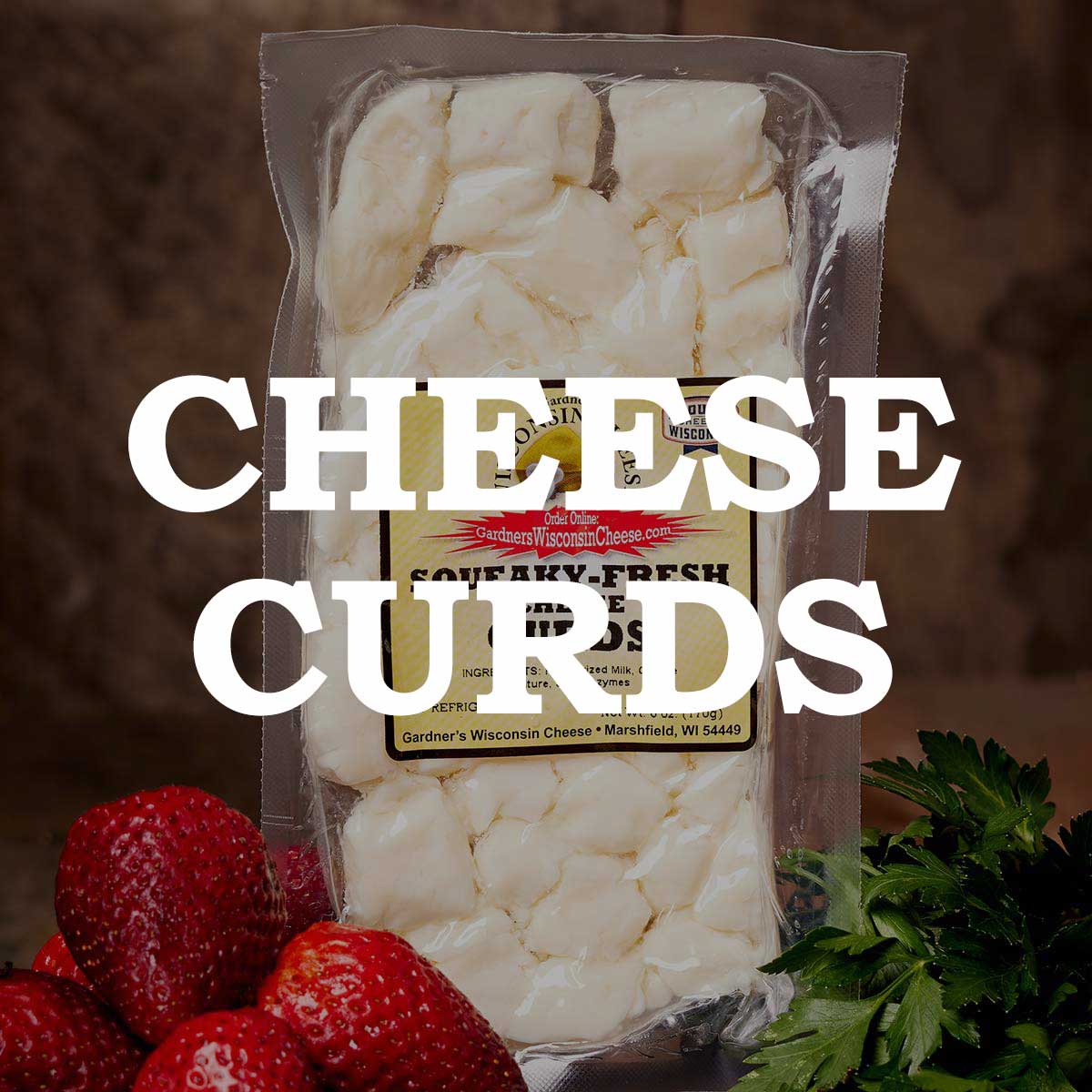
Start with 1 pound of fresh Wisconsin cheddar cheese curds, ideally from same-week production and shipped cold. White cheddar or yellow cheddar curds work equally well, the color comes from annatto seeds and doesn’t affect the taste. Gardner’s curds are ideal here because they arrive cold-packed and ready to fry.
Dry Ingredients for the Batter
-
1 cup all-purpose flour (plus extra for dredging)
-
1 teaspoon baking powder
-
1/2 teaspoon salt
-
1/4 teaspoon black pepper
-
Optional: 1/4 teaspoon garlic powder, onion powder, or paprika for extra flavor
Wet Ingredients for the Batter
-
3/4 cup lager-style beer (the beer style affects taste—light lagers give a cleaner flavor while malty ales add depth)
-
1/4 cup milk or buttermilk
Frying Oil
Use peanut oil, canola, vegetable, or sunflower oil with a high smoke point. You’ll need enough to reach 2–3 inches depth in a heavy pot, dutch oven, or deep fat fryer.
Optional Dredging
A small amount of extra flour or cornstarch to toss cheese curds in before battering helps the coating adhere better.
Dipping Sauces
Classic options include ranch, marinara, honey mustard, chipotle mayo, or a Wisconsin beer cheese dip made from aged cheddar. You can even make a quick garlic aioli with some garlic powder mixed into mayo.

Choosing the Best Wisconsin Cheese Curds
Here’s the truth: curd quality matters more than almost any other ingredient when you fry curds. You can nail the batter, perfect your oil temperature, and still end up with disappointing results if your curds aren’t up to snuff.
What “Fresh” Really Means
For that classic squeaky texture, fresh curds made within 24–72 hours are ideal. But don’t worry, curds up to a week old still fry very well if they’ve been kept cold. The squeak might fade a bit, but the taste and melting quality remain excellent.
Why Curds Squeak
That distinctive squeak happens because of the protein structure and moisture in the curd. When you bite down, the proteins rub against your teeth in a specific way that creates that noise. It’s not just fun, it’s a sign of authentic, well-made Wisconsin cheese.
Curd Varieties
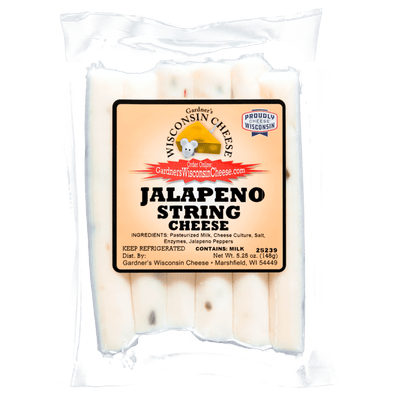
Cheddar curds are the standard for fried curds, but here’s where you can get creative. Gardner’s flavored curds, like garlic dill, jalapeño, or bacon-flavored, make for delicious variations that add another dimension to your fried curd game.

Storage Before Frying
Keep curds refrigerated in their original bag or an airtight container. Pull them from the fridge right before battering so they stay firm when they hit the hot oil. Cold curds = less cheese leakage.
If you don’t have a local source for fresh curds, don’t despair! Ordering cold-pack shipped curds from Gardner’s Wisconsin Cheese and Sausage gives you the same Wisconsin base ingredient used in local taverns and fairs. Problem solved.

How to Make Fried Wisconsin Cheese Curds (Step-by-Step)
Alright, this is the main event. Follow these steps and you’ll be pulling perfectly crispy, gooey fried cheese curds out of your pan in no time.
Step 1: Prep the Curds (5 minutes)
Pat your curds completely dry with paper towels, moisture is the enemy of a crisp coating. Place flour (about 1/4 cup) in a large bowl and toss cheese curds lightly to coat. This dredging step helps the batter stick.
Pro tip: Some home cooks briefly freeze their dredged curds for 15–20 minutes to reduce leaking during frying. If you’ve had cheese leaked out in past attempts, try this trick.
Step 2: Mix the Batter (3 minutes)
In a large bowl, whisk together the purpose flour, baking powder, salt, pepper, and any optional spices. Slowly pour in the beer and milk (or buttermilk), whisking until you get a smooth, pourable batter. Aim for a consistency slightly thinner than pancake batter, it should coat a spoon but drip off easily.
If your batter is too thick, add a splash more beer. Too thin? Add a tablespoon of remaining flour.
Step 3: Heat the Oil (5–7 minutes)
Pour oil into a deep, heavy pot or electric fryer until it reaches 2–3 inches deep. Heat oil to 350–375°F (177–190°C), use a thermometer, don’t guess! This temperature range is crucial for crispy exteriors without cheese blowouts.
Step 4: Coat the Curds
Working with 6–10 curds at a time, dip cheese curds into the batter and coat fully. Let excess batter drip off before transferring to the oil. Thick batter globs prevent even frying and create heavy, doughy spots.
Step 5: Fry in Batches (1–2 minutes per batch)
Carefully lower batter-coated curds into the hot oil using a slotted spoon. Don’t overcrowd, frying too many at once drops the oil temperature and leads to greasy results.
Fry curds for 1–2 minutes, turning as needed, until they’re deep golden brown and puffed. Watch closely! Over-frying causes the cheese inside to burst through the coating.
Step 6: Drain and Season
Transfer fried curds to a paper towel lined plate or wire rack to drain curds briefly. While they’re still hot, sprinkle with a pinch of fine salt or your favorite seasoning.

Troubleshooting
If you’re seeing a lot of cheese leaking out:
-
Chill remaining curds more thoroughly before battering
-
Thin the batter slightly
-
Verify your oil temperature is actually at 350°F before adding the next batch
Serve immediately! These are at their absolute best when the centers are still molten and the exteriors are crackling crisp. That’s when they taste most like State Fair or Green Bay tavern curds.
Why Order Cheese Curds Online from Gardner’s Wisconsin Cheese and Sausage?
Not everyone lives near a Wisconsin creamery, and that’s okay. You can still make authentic fried curds that taste vary depending on your technique, but only if you start with real Wisconsin-quality cheese.
What Makes Gardner’s Different
-
Family-owned roots: We’re not a big corporation; we’re a family that loves wisconsin cheese
-
Artisan focus: From fresh curds to aged cheddar to sausages, everything we make reflects Wisconsin craftsmanship
-
Cold-pack shipping: Your curds arrive at safe, optimal temperatures so they’re ready to fry
Shipping Benefits
-
Online ordering to all 50 states
-
Free shipping on orders $69+
-
Curated gift boxes bundling curds with artisan meats, oven-baked cheeses, and aged cheddar
Perfect For
-
Sending a Wisconsin snack box as a game-day gift
-
Recreating a Green Bay trip at home
-
Introducing out-of-state friends to authentic fried curds
-
Hosting a State Fair-themed party without leaving your kitchen

Ready to bring the taste of Wisconsin to your table? Browse Gardner’s cheese curd selection and plan your next fried curd night. Your taste buds will thank you!
FAQ
Can I make fried cheese curds without beer in the batter?
Absolutely! Substitute the beer with additional milk or buttermilk and add a splash of club soda for lightness. You might want to bump up the seasoning slightly (extra salt, a pinch more garlic powder) to compensate for the missing beer flavor, but the curds will still turn out delicious.
Do I need a deep fat fryer, or can I use a stovetop pot?
A heavy pot on the stovetop works perfectly fine. Use a dutch oven or similar deep pot, fill with 2–3 inches of oil, and always use a thermometer to monitor temperature. The key is maintaining consistent heat at medium high heat and not overfilling with curds. No fancy equipment required!
What other Gardner’s products are good for frying or snacking alongside curds?
Our oven-baked cheeses brown beautifully in the oven for a different crispy cheese experience. For a full Wisconsin appetizer board, add our summer sausage and spiced beef snacks, they complement fried curds perfectly without competing for the spotlight.
Can I air fry cheese curds instead of deep frying?
Yes, with some adjustments. Air frying works best with pre-breaded or panko-coated curds lightly sprayed with oil. Set your air fryer to about 375°F and cook for 5–6 minutes, shaking the basket halfway through. The texture is a bit different, less greasy but also less traditionally “State Fair” than deep-fried versions. Still delicious, just different!
How can I tell if my cheese curds are still good to fry? For more background, learn about the Wisconsin cheese curd culture and why the Midwest can't get enough.
Check the “best by” date first, then give them a smell test, off or sour odors mean they’ve gone bad. Ensure they’ve been kept cold throughout storage. Even when the squeak fades after a few days, curds can still fry beautifully if they look and smell fresh. Trust your senses!