














· By Daylon Gardner
Timeless Ideas for a Charcuterie Board: How to Build the Perfect Spread
A great charcuterie board doesn’t have to be complicated, it just has to be well balanced, thoughtfully chosen, and a little bit fun. Whether you’re hosting a party or building a snacky spread for a cozy night in, the right mix of flavors and textures can turn simple ingredients into something as the kids these days are saying, slay-worthy.
Key Takeaways
-
A successful charcuterie board balances salty meats, creamy and firm cheeses, crunchy elements, and sweet or tangy extras
-
You can build an impressive board for any occasion or budget, no cheesemonger credentials required
-
This guide breaks down ingredient lists, pairing ideas, and layout steps so beginners can copy proven formulas while seasoned hosts riff on them
-
Themed boards (holiday, brunch, kid-friendly, vegetarian) make planning easier and more memorable
-
FAQs cover quantities, prep timing, and dietary swaps so your board doesn’t crumble under pressure
Charcuterie Board Basics: What It Is & Why It Works
A modern charcuterie board isn’t just about cured meats anymore, it’s a thoughtfully curated grazing spread that brings together meats, cheeses, fruits, nuts, crackers, breads, and condiments on one glorious piece of wood. A charcuterie board brings together a variety of dishes, such as cheeses, meats, and accompaniments, to create a visually appealing and delicious spread.
Originally rooted in French preservation traditions, today’s charcuterie board (pronounced shar-koo-ter-ee, if you want to sound fancy) has evolved into the ultimate crowd-pleaser. It works just as well for parties and showers as it does for date nights or low-key Friday evenings. The cost of a charcuterie board can vary greatly depending on the types of meat, cheese, and fruit you buy.

Why charcuterie works every time:
-
Visual appeal: A full board looks abundant and inviting. People eat with their eyes first!
-
Flavor variety: Salty, sweet, creamy, crunchy, tangy. There’s something for everyone, and tasting and pairing ingredients enhances the experience.)
-
Easy to customize: Vegetarian? Gluten-free? Picky eaters? No problem - check out this guide specifically for those types of boards
-
No cooking required: Assembly takes about 20–30 minutes and store-bought ingredients shine when chosen wisely; serve cheeses and cured meats at room temperature for optimal flavor
Charcuterie boards can be created using a variety of serving dishes, including wooden boards and ceramic plates.
For example, a simple movie-night board might include salami, brie, crackers, grapes, almonds, and fig jam. Proof that a little cheese goes a long whey.
Core Components: What to Put on a Charcuterie Board
Most great boards rely on five core elements: meats, cheeses, carbs, produce, and extras. Once you understand these pillars, you can mix and match endlessly.
Meats
Choose 3–5 options with different textures and flavors:
-
Prosciutto for delicate, buttery bites
-
Genoa salami for garlicky depth
-
Chorizo for smoky spice
-
Soppressata for wine-friendly richness
-
Pepper turkey for a milder option

Cheeses
Aim for 4–6 cheeses across styles and milk types:
-
Brie for creamy softness
-
Goat cheese for tangy freshness
-
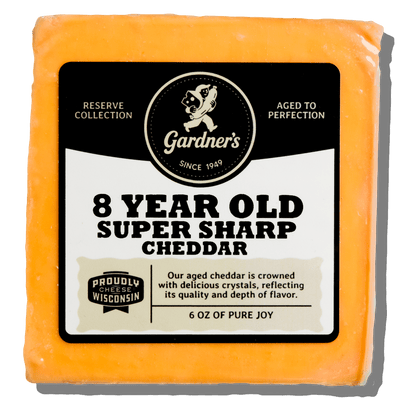
Aged cheddar for sharp bite
-
Manchego for nutty richness
-
Gouda for caramel notes
-
Parmesan for sharp, savory flavor and crowd-pleasing appeal
-
Blue cheese (a little goes a long curd)
Including both hard cheeses (such as aged cheddar, manchego, and parmesan) and soft cheeses ensures a balanced and visually appealing charcuterie board.

Soft cheeses like brie, goat cheese, and burrata are popular choices for their creamy textures and mild flavors.
Nuts like pecans or walnuts pair well with brie or other soft cheeses, adding crunch and complementing the flavors.
Carbs
These are your edible plates:
-
Sliced baguette
-
Crackers (herb, seeded, or classic)
-
Flatbreads or breadsticks
-
Gluten-free crackers for inclusivity
Fruits & Veggies
They brighten the board and reset the palate:
-
Grapes, apples, pears
-
Cherry tomatoes, cucumber rounds
-
Dried apricots, dates
Extras
This is where personality shines:
-
Whole-grain mustard
-
Olives and cornichons
-
Roasted or candied nuts

Pickled or Marinated Items
Seriously, cheese lovers, no charcuterie board is complete without a little tang to balance out all those rich cheeses and savory cured meats! Pickled or marinated items are your secret weapon (trust me on this!) for adding an absolute burst of flavor and that satisfying crunch we all crave. Think classic pickles, marinated artichoke hearts, or roasted red peppers, each one brings this incredible zesty contrast that makes every single bite more interesting. It's like adding the perfect high note to a delicious symphony!
Ready for some flavor magic? Try nestling those gorgeous pickles right next to creamy brie or tangy goat cheese for a truly mind-blowing flavor pop. Alternatively, pair your marinated veggies with slices of salami and prosciutto for a savory, absolutely mouthwatering combo that'll have your guests asking for your secrets.

For a truly unique charcuterie board idea (and oh, this is brilliant!), add a few pieces of dark chocolate and fresh fruit like apples or grapes alongside your pickled items—the sweet and savory mix is always a total crowd-pleaser. Seriously, always!
If you're looking for fantastic ideas or want to keep things wonderfully easy (because who has time to stress?), Trader Joe's has an incredible selection of marinated and pickled products that can elevate your board in seconds. Don't be afraid to experiment, these little extras can turn a good charcuterie board into a truly memorable, absolutely show-stopping spread!

How to Build and Arrange a Charcuterie Board (Step-by-Step)
The recipe for a charcuterie board starts with selecting a food-safe board that is large enough for your spread.
Good ingredients deserve good placement. Think organized abundance, not chaos.
-
Choose your board
A 12–16 inch cheese board works for 6–8 people. Platters, marble slabs, or parchment-lined baking sheets work just as well. Using a marble slab can help keep ingredients cold for longer periods. -
Place the cheeses first
Use 3, 5, or 7 pieces. Odd numbers look more natural. These act as your anchors. Label the cheeses to help guests identify their preferences. -
Add meats with movement
Fold, roll, or fan slices for height and flow. Nestle meats near cheeses they pair well with. -
Layer in crackers and bread
Group them in small stacks or fans near supportive cheeses. -
Fill gaps with fruits and veggies
Create little clusters of color: grapes here, apple slices there. - Finish with flairAdd small bowls of jam, drizzle honey, sprinkle herbs. The goal? No empty board left behind.

You can prepare your charcuterie board ahead of time and refrigerate it until serving. Creative shapes and layouts, such as wreaths, trees, or rainbow designs, can make your board stand out.
Pairing Ideas: What Goes Well With What
Pairings help guests build bites that really sing.
-
Brie + prosciutto + fig jam = rich, salty, sweet perfection
-
Aged cheddar + salami + mustard = bold, tangy balance
-
Manchego + chorizo + almonds = classic Spanish harmony
-
Blue cheese + pear + honey + walnuts = bold but beautifully balanced
Vegetarian standouts:
-
Goat cheese + roasted red pepper + olive tapenade
-
Gouda + apple + candied pecans
A simple rule of thumb:
-
Creamy cheese loves sweet or acidic companions
-
Sharp cheese plays well with salty or savory
-
Mild cheese prefers brighter fruit

Finding Inspiration
When it comes to charcuterie board ideas, inspiration is absolutely everywhere, and trust me, you're going to love this journey! Seriously, flip through those gorgeous cookbooks, scroll through your favorite food blogs (you know the ones that make your mouth water!), or dive headfirst into social media for unique charcuterie board ideas that totally catch your eye.
Look for boards that brilliantly mix up cheeses, meats, nuts, fruit, and all those fun accompaniments like crackers, bread, and spreads – it's like creating edible art, and you're the artist!
Think about the season or the vibe of your event (because atmosphere is everything, right?). For a summer gathering, go ahead and load up your board with the most incredible fresh fruit – strawberries, raspberries, grapes – and those lighter cheeses like mozzarella and feta that just scream sunshine!
In the colder months, oh my goodness, go for those heartier flavors that warm your soul: sharp cheddar, blue cheese, and candied pecans bring such warmth and richness, while savory meats and rustic bread absolutely round things out perfectly. It's like wrapping your taste buds in a cozy blanket!

Don't you dare be afraid to get creative and try new combinations – seriously, this is where the magic happens!
Budgeting, Quantities & Make-Ahead Tips
For appetizer-style grazing:
-
2–3 oz cheese + 2–3 oz meat per person
-
Add crackers, fruit, and nuts generously
For 10 guests:
-
1.5–2 lbs cheese
-
1.5–2 lbs meat
-
2 baguettes or cracker boxes
-
Several cups of fruits, veggies, and nuts
Make-ahead tip:
Assemble the board 4–6 hours early, wrap tightly, refrigerate, and bring out 30–40 minutes before serving. Add crackers and final touches last so nothing gets soggy or sad.
Tools, Boards & Styling Tips
You don’t need fancy gear, just a smart setup.
-
Use cheese knives, spreaders, and small spoons
-
Contain wet items in bowls
-
Alternate light and dark ingredients for contrast
-
Use odd numbers and varied shapes
-
Add height with stacked crackers or layered cheese wedges
Leave room for hands and utensils, nobody likes a traffic jam at the brie.

FAQ
-
Question: How far ahead can I assemble a board?
-
Answer: 4–6 hours is ideal. Refrigerate, then bring to room temp before serving. Add crackers and herbs last.
-
Question: How do I make it vegetarian or vegan?
-
Answer: Focus on cheese, dips, nuts, fruit, and spreads. For vegan boards, use plant-based cheeses and hearty vegetables.
-
Question: What about gluten-free guests?
-
Answer: Include dedicated gluten-free crackers and keep them separated with their own utensils.
-
Question: How do I store leftovers?
-
Answer: Wrap cheese individually, store meats airtight, discard soggy crackers, and refrigerate perishables promptly.
-
Question: What’s the easiest board for beginners?
-
Answer: Brie, sharp cheddar, salami, prosciutto, crackers, baguette slices, grapes, almonds, and fig jam. No stress, all reward.