










· By Daylon Gardner
What Does Sharp Cheese Mean? (And How Our Super Sharp Cheddar Goes Beyond)
Key Takeaways
-
Sharp cheese typically refers to cheddar cheese that has been aged longer, developing a tangier, more pronounced flavor and firmer texture compared to mild varieties.
-
The term “sharp” is not legally regulated in the U.S., different brands use it differently, so aging time and flavor intensity are the core ideas to understand.
-
Sharpness develops through the aging process: as cheddar matures, enzymes break down proteins and fats, creating that characteristic bite, while moisture loss leads to a crumblier texture and sometimes crunchy crystals.
-
In Wisconsin, professional graders use structured tasting to determine when cheddar is truly sharp; many store-bought “sharp” cheddars are actually closer to medium.
-
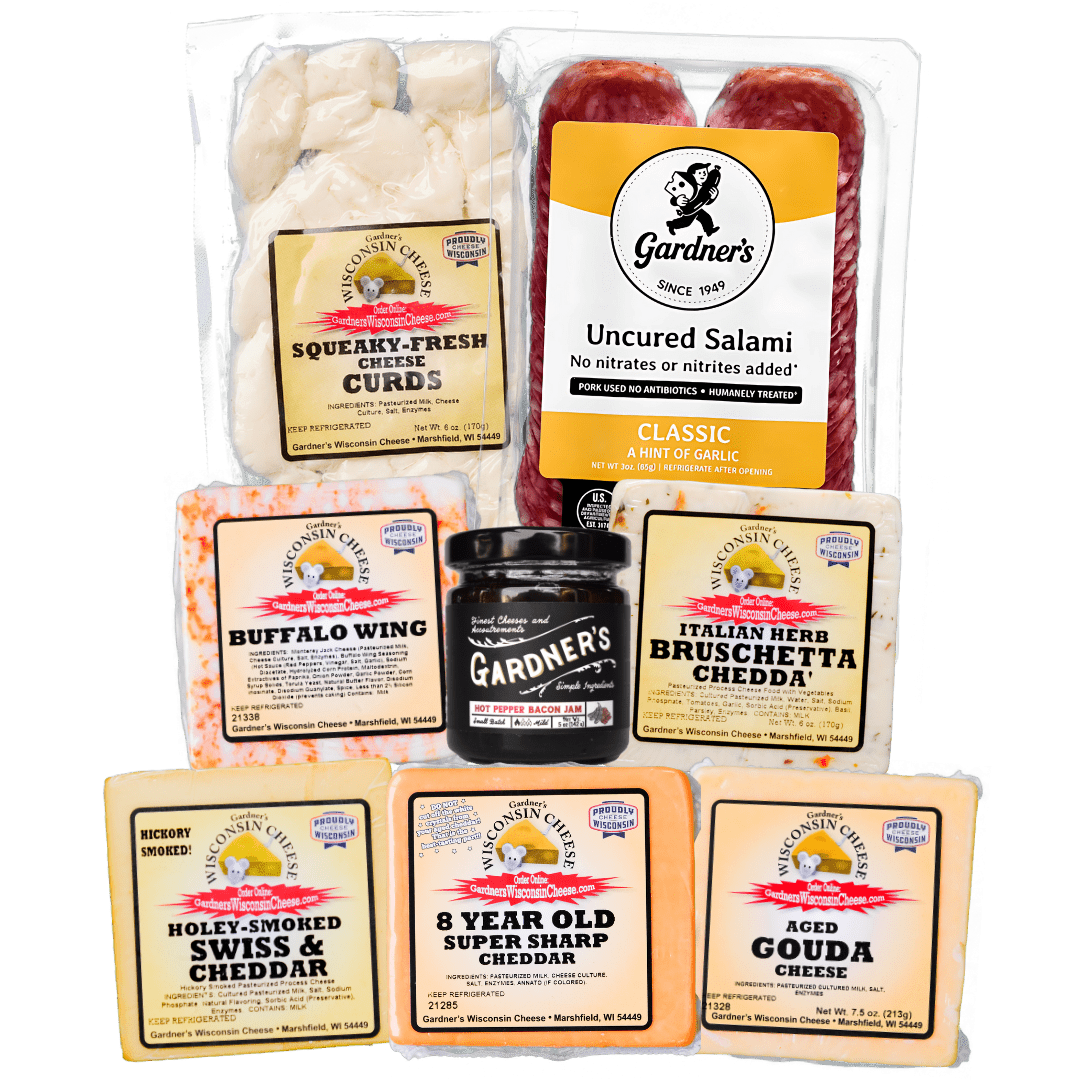
Gardner’s Wisconsin Cheese offers not only sharp cheddar but also super sharp cheddars that go well beyond typical grocery store options in both age and flavor intensity.
What Does “Sharp Cheese” Actually Mean?
Here’s the thing: when most people are talking about sharp cheese at the grocery store, they’re almost always picturing cheddar. But what does that word actually mean? Let’s break it down.
In the simplest definition, sharp cheese describes a cheese, with a noticeably intense, “cutting” flavor that stands out on your tongue. Think of it as cheese with attitude, the kind that announces itself on a cheese board or in a grilled cheese sandwich rather than blending quietly into the background.
For cheddar specifically, “sharp” almost always implies more age than a mild cheddar, along with a more tangy, complex, and sometimes slightly sour or bitter flavor profile. It’s that mouth-puckering bite that makes you sit up and take notice.
Now, many other cheeses have strong flavors, aged Gouda, hard Parmesan-style wheels, certain robust blues, but they aren’t usually marketed with the word “sharp.” That’s why people mostly associate the term with cheddar in the context of American cheese shopping.
Here’s something worth noting: flavor perception is honestly personal. One person’s mild might taste sharp to another person, which is partly why definitions can feel a little fuzzy. Your taste buds are unique!

Is “Sharp” a Regulated Term? (Spoiler: Not Really)
Let’s clear this up right at the point: in the United States, there is no single legal definition for “sharp cheddar” that must appear on consumer packaging. Surprising, right?
The FDA does regulate “aged” cheddar to mean a minimum of 60 days of aging, but it does not define when cheese must be labeled mild, medium cheddar, sharp, or extra sharp. That’s left up to individual brands and cheesemakers.
What this means for you as a customer is that different companies set their own internal standards. One brand’s sharp cheddar might taste remarkably similar to another brand’s medium. This leads to inconsistent experiences for customers who are just trying to buy cheese they’ll enjoy.
Grading organizations and industry guidelines, especially those used in Wisconsin, may use more specific age ranges and flavor benchmarks. Professional graders actually taste wheels and assess them for sharpness, but these are professional standards, not retail laws that show up on every label.
Pro tip: Instead of relying only on the word “sharp” or “extra sharp,” look for actual age statements on labels. A cheddar labeled “aged 9 months” or “aged 2 years” tells you exactly what you’re getting, no guesswork required.

How Aging Creates Sharpness in Cheddar
So where does that intense, tangy bite actually come from? The answer: time.
As cheddar cheese ages in temperature, its flavor and texture slowly transform. This is beautiful cheesemaking science at work.
Here’s what happens at a high level:
The less moisture in the cheese, the denser and more granular it becomes. Those tiny calcium lactate and tyrosine crystals that crunch pleasantly in well-aged cheddars? They’re a hallmark of quality extended aging, and they form because lactic acid from lactose breakdown binds with calcium over time.
Here’s a simple reference timeline for cheddar sharpness:
-
Mild: About 2–3 months of aging
-
Sharp: Around 6–9 months
-
Extra Sharp: Typically 12–24 months
-
Super Sharp: Often 2+ years, sometimes much longer
Not every wheel ages gracefully, though. Some cheddars become unbalanced or too bitter if they don’t have the right structure. That’s why experienced graders regularly taste and cut wheels to decide which ones should be held for longer aging and which have reached their peak.

How Do You Know When Cheddar Is Sharp, Extra Sharp, or Super Sharp?
Terms like “sharp,” “extra sharp,” and “super sharp” form an informal scale based primarily on time in the aging room and on flavor intensity. Here’s what to expect at each level:
Mild Cheddar: Creamy, buttery, and approachable. The texture is smooth and it melts like a dream. This is the kind you might prefer for kids or recipes where cheese shouldn’t dominate, think basic recipes like quesadillas or creamy sauces.
Sharp Cheddar: Now we’re getting somewhere. Sharp cheddar is noticeably tangy with a more pronounced aroma. The body is firmer, and there’s enough flavor to stand out in dishes like burgers, casseroles, and a really good grilled cheese. This is where many cheese lovers start to feel at home.
Extra Sharp and Super Sharp Cheddar: These aged cheddars are typically matured well beyond a year. Expect complex, layered flavors, nutty, savory, sometimes slightly peppery or with a pleasant bitter edge. The texture becomes drier, more crumbly, and you’ll often find those delightful small crystals that pop between your teeth. The sharpness is pronounced, and the finish lingers on your tongue.
Try this at home: Buy three cheddars of different stated ages and taste them side-by-side. Pay attention to how the bite, aroma, and texture change with each step up in age and intensity. It’s honestly one of the best ways to train your palate and discover your own preferences.
Sharpness, Texture, and Cooking: When It Matters
Sharpness isn’t just about taste, it also affects how cheese behaves when you slice, grate, or melt it in the kitchen. Choosing the right cheddar for the job makes a real difference.
Younger, milder cheddars have more moisture and melt smoothly, making them ideal for:
-
Mac and cheese
-
Quesadillas
-
Ultra-creamy sauces
-
Fondue
Sharp cheddars still melt well but bring bolder flavor, so smaller amounts can pack a punch in:
-
Baked potatoes
-
Burgers
-
Egg bakes
-
Casseroles
Extra sharp and super sharp cheddars often melt less evenly and can become oily or stringy under high heat. But that’s not a flaw, it’s a feature! They shine best:
-
Grated over finished dishes
-
On cheese boards
-
In applications where their crumbly texture is the star
-
Shaved over roasted vegetables, steaks, or hearty soups
The rule of thumb? Match the cheddar to the job. Use mild or sharp for melty comfort food, and save super sharp for snacking, pairing with craft beer or wine, or creating standout charcuterie boards.

Beyond Sharp: Gardner’s Wisconsin Cheese and Our Super Sharp Cheddar
Now let’s talk about going beyond typical grocery store “sharp” labels. That’s exactly where Gardner’s Wisconsin Cheese comes in.
As a Wisconsin-based cheesemaker and curator, Gardner’s specializes in aged cheddars that genuinely earn their sharpness. We don’t just slap a label on young cheese and call it a day. Instead, we select and age cheddars with care, using Wisconsin’s long cheesemaking tradition and professional graders to identify wheels with the structure and balance to mature into true sharp, extra sharp, and super sharp cheeses.
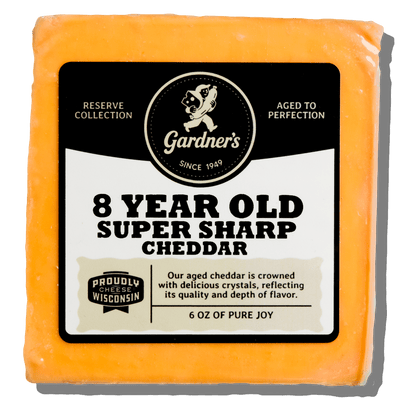
Gardner’s super sharp cheddars significantly exceed standard sharpness expectations. We’re talking aging measured in many months, or multiple years. Our 17-Year Super Sharp Cheddar showcases what’s possible when you combine patience, expertise, and premium Wisconsin milk. These cheeses deliver:
-
Pronounced tang and robust flavor
-
Rich savory depth with nutty complexity
-
Satisfying crystal crunch from proper extended aging
-
A bold finish that lingers without being harsh
What sets Gardner’s apart? Our proprietary techniques preserve exceptional creaminess even in our oldest cheddars. While many extra sharp cheddars turn dry and crumbly to the point where they’re only good for grating, ours maintain a smooth feel that’s perfect for slicing, snacking, or melting into your favorite dishes.
Gardner’s offers a range of sharpness levels, from widely appealing sharp cheddars to intensely flavored super sharp options.

How to Choose the Right Sharp Cheese for You
Cheese shopping is personal! The “right” sharpness depends entirely on how sensitive you are to strong flavors and how you plan to use the cheese.
For beginners: Start with a labeled sharp cheddar and pay attention to any age information on the label. After you try it, decide if you’d prefer to go milder next time or move up to extra sharp or super sharp. There’s no wrong answer, only delicious experimentation.
For predictable, authentic sharp flavor: Prioritize cheeses with a stated age and clear origin. Wisconsin-made cheddars from Gardner’s, for example, include clear descriptions of aging time and flavor intensity so you know what you’re getting before the first bite.
For the adventurous: Buy several small cuts of varying sharpness and taste them side-by-side. Note which you enjoy straight, which you prefer melted, and which you love paired with crackers, mustards, or cured meats. Your preferences might surprise you!
Gardner’s Wisconsin Cheese makes exploration easy. Our product descriptions clearly communicate age, intensity, and best uses, so whether you prefer a balanced sharp or an ultra-bold super sharp, you’ll find exactly what you’re looking for.
