














· By Daylon Gardner
Cheese Curds: Why Fresh Gardner’s Curds Are the Best (and Why Squeak Matters)
Key Takeaways
-
Cheese curds are the freshest form of cheddar cheese, and Gardner’s Wisconsin curds are celebrated for their clean, rich flavor and consistent quality
-
Curds are at their absolute best within 1–3 days of creation, when they still deliver that iconic squeak against your teeth
-
The squeak equals freshness: it comes from springy, uncompressed protein structures that deliver peak texture and taste
-
Gardner’s curds can be enjoyed fresh from the bag, lightly warmed, deep fried, or melted into dishes, but timing from creamery to plate is crucial
-
Proper storage and quick consumption ensure you experience the amazing freshness these tasty morsels are known for
If you love cheese curds, you already know there’s something magical about that first bite of a fresh, squeaky curd. It’s not just a snack, it’s an experience. But have you ever wondered why some curds squeak and others don’t? Or why the best tasting curds seem to disappear so quickly from store shelves? Get ready, because we’re about to dive into everything that makes Gardner’s Wisconsin cheese curds absolutely irresistible, and why eating them within a few days of creation matters more than you might think!

What Are Cheese Curds?
Let’s start with the basics: cheese curds are young, fresh pieces of cheddar created during the cheesemaking process, before the cheese gets pressed into blocks or aged into those familiar wheels. Think of them as cheddar-in-progress, delicious little chunks caught at the perfect moment.
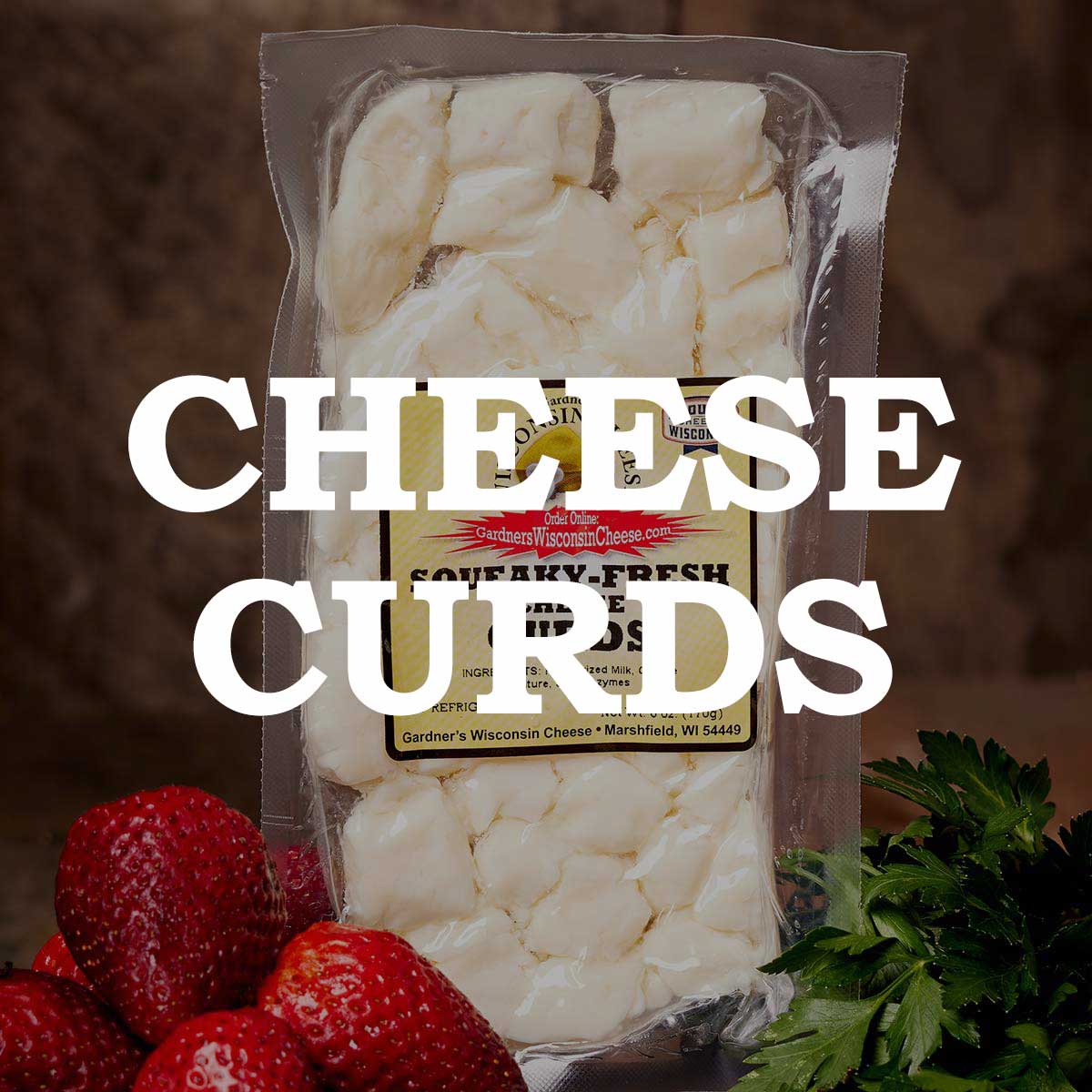
Gardner’s cheese curds are small, bite-sized, irregular chunks of fresh Wisconsin cheddar, usually sold in bags within hours of production. That random, uneven shape isn’t a flaw, it’s a sign of artisanal care, where each curd is hand-milled rather than machine-cut into uniform pieces.
Here’s how the magic happens:
-
Pasteurized milk is warmed and combined with live cheese cultures
-
Rennet (a natural enzyme) is added, triggering coagulation within 6-10 minutes
-
The milk transforms into a gel-like custard, then gets cut into small cubes
-
Curds are gently heated and stirred to release whey
-
The curds are drained, stacked, and milled into those beloved irregular chunks
The key difference between curds and aged cheddar? Curds haven’t been pressed or aged, so they retain a bouncy, squeaky texture that disappears once cheese begins its aging journey. Gardner’s focuses on classic cheddar cheese curds with a clean dairy aroma, creamy body, and that mild-to-medium cheddar tang that makes them absolutely irresistible.

Why Gardner’s Cheese Curds Are the Best
When it comes to fresh Wisconsin cheese curds, Gardner’s has built a reputation for doing things right. Located in Wisconsin’s dairy heartland, they’re dedicated to producing squeaky cheese curds that deliver on both flavor and texture every single time.
What sets Gardner’s apart? It starts with the ingredients:
| Quality Factor | Gardner's Approach |
| Milk Source | Fresh Wisconsin cow’s milk |
| Production | Small, carefully monitored batches |
| Timing | Precise temperature and cook times |
| Salt | Carefully measured for balanced flavor |
| Handling | Cold-chain priority for freshness |
Gardner’s curds are made in small batches, allowing cheesemakers to stop cooking and stirring at the exact moment the curds reach ideal elasticity. This isn’t factory-line cheese, it’s hands-on craftsmanship where every batch gets individual attention.
The signature sensory profile? Pronounced squeak, clean dairy sweetness, balanced salt, and a rich, buttery cheddar finish that lingers just long enough to make you reach for another. Gardner’s focuses on product integrity rather than rushing curds to market, prioritizing cold-chain handling so curds arrive tasting close to “vat-fresh.” That’s the kind of quality you can taste.
The Science of the Squeak
Here’s where things get fascinating: that beloved squeak comes from the unique protein network in very fresh curds rubbing against your tooth enamel. It’s not just a fun novelty, it’s actually a precise indicator of freshness!
Freshly formed casein protein strands in Gardner’s curds are still springy and tightly bound. When you bite down, these elastic proteins create resistance and friction, producing vibrations around 1-2 kHz, audible as that characteristic squeak. The proteins are essentially bouncing back against your teeth!
What happens over time:
-
Day 1-2: Maximum squeak when the proteins are fully hydrated and bouncy
-
Day 3-4: Squeak begins to soften as moisture decreases
-
Day 5+: Enzymes break down the protein matrix, squeak fades significantly
Natural changes in moisture and pH slowly relax the protein matrix. Fresh curds hold approximately 80% moisture right after production, but lose 10-15% within 72 hours. As hydration drops, those coiled, bouncy proteins begin to break down, softening the texture and eliminating the squeak.
Here’s a great tip: warming Gardner’s curds for a few seconds in the microwave can temporarily enhance the perception of squeak by slightly softening fat and reactivating that elastic protein structure. It mimics the warmth of curds fresh from the vat!
Why Timing Matters: Eating Curds Within a Few Days
Cheese curds have a brief “peak window” where squeak and flavor are at their best, typically within 1–3 days of production. After that, they’re still delicious, but the experience changes dramatically.
Gardner’s plans production and shipping so curds reach customers with as little time as possible between vat and snack. When you order Gardner’s curds, they’re working to get them to your door at peak freshness.
Freshness Timeline:
| Timeframe | What to Expect |
| Day 1-2 | Maximum squeak, bright milky flavor, firm bounce |
| Day 3-4 | Gentle softening, milder squeak, still great taste |
| Day 5+ | More like young cheddar bites, smooth chew, little to no squeak |
The fat and protein in Gardner’s curds are most aromatic and expressive in those first few days. Volatile compounds like diacetyl (those buttery notes you love) and short-chain fatty acids are maximized pre-aging, delivering deeper cheddar flavor with every bite.
Don’t worry, curds are still safe and tasty beyond the squeak window. But that unique fresh-curd experience? The springy bounce and sharp squeak? That’s best captured as soon as possible. Time waits for no curd, friends!

Flavor and Texture: What to Expect from Gardner’s Curds
Picture this: you tear open a fresh bag of Gardner’s curds, and immediately that clean, buttery milk aroma hits you. You reach in and feel cool, springy pieces between your fingers, each one slightly different in shape, but all sharing that same promising firmness.
The texture journey:
-
First touch: Firm yet yielding, with visible moisture on the surface
-
The bite: A juicy snap followed by that signature squeak you feel more than hear
-
The chew: Springy resistance that releases creamy, rich flavor
The flavor arc is equally delicious. You’ll notice initial sweet cream notes, then a gentle tang from the cheddar culture, finishing with a savory, salty pop that makes these tasty morsels incredibly hard to stop eating. Before you know it, half the bag is gone!
Gardner’s curds can be enjoyed unseasoned for pure cheddar appreciation, or with light seasoning blends, think garlic powder, herbs, or spices, crafted to complement rather than overpower the underlying cheese character. Some fans love adding a bit of extra flavor, while purists prefer them straight.
One visual cue for freshness: the surface of a very fresh Gardner’s curd should appear slightly glossy and moist, not dry or crumbly. That gleam indicates optimal moisture and mouthfeel.

Storing Gardner’s Cheese Curds Without Sacrificing Quality
Proper storage helps extend your enjoyment while respecting the curds’ delicate texture and flavor. Here’s how to keep Gardner’s curds at their best:
Refrigerator storage:
-
Keep curds in their original, well-sealed bag or transfer to a tight container
-
This retains moisture and prevents refrigerator odors from affecting taste
-
Store in the main compartment, not the door where temperature fluctuates
Consumption timeline:
-
For maximum squeak: eat within 3–5 days of production/arrival
-
Check the date on your bag when it arrived to gauge freshness
-
The sooner you enjoy them, the better the experience
Can you freeze Gardner’s curds?
Yes! If you can’t finish them in time:
-
Freeze curds in their unopened bag or a sealed freezer-safe container
-
They’ll maintain quality for several weeks
-
Thaw overnight in the refrigerator
-
After thawing, a short microwave burst (about 5–10 seconds) can gently warm them and help restore some of their original spring and squeak
One note: frozen and thawed curds work great for cooking applications even if the squeak doesn’t fully return. They’re still delicious melted over dishes or used in recipes.
FAQ
How do I know when Gardner’s cheese curds are fresh enough to squeak?
Fresh Gardner’s curds should feel firm and bouncy when you squeeze them gently, look slightly glossy with visible moisture on the surface, and squeak distinctly when you bite into them. Curds are usually at peak squeak within 1–3 days of production, so checking the date on the package helps gauge where they are on this timeline. If you’re glad you ordered but they’ve been in the refrigerator a day or two, try letting them warm slightly out of the fridge for 10–15 minutes or giving them a 5–10 second microwave zap to help bring out the squeak.
Are Gardner’s cheese curds safe to eat after they stop squeaking?
Absolutely! Loss of squeak is a texture and freshness change, not a safety issue by itself. As long as the curds are within their best-by date and have been refrigerated properly, they’re perfectly good to eat. Non-squeaky Gardner’s curds behave more like young cheddar bites, making them great for melting on pizza, stirring into omelets, or using in baked dishes. Only discard curds if they show signs of spoilage such as off smells, visible mold, or slimy texture. When in doubt, trust your nose!
Can I use Gardner’s cheese curds for frying?
Gardner’s fresh curds are excellent for frying due to their moisture level and ability to melt smoothly without completely leaking out of the batter. For best results, use very fresh, well-chilled curds straight from the refrigerator so they hold their shape better in hot oil. A beer batter or light breaded coating works wonderfully. Serve fried Gardner’s curds immediately after frying, when the exterior is crisp and the interior is creamy, stretchy, and full of cheddar flavor, they won’t last long on the plate!
Do Gardner’s cheese curds need to be refrigerated during transport?
Ideally, Gardner’s curds should remain in a chilled environment as much as possible to protect their delicate protein structure and preserve that signature squeak. For short local trip, visiting a friend or heading to a gathering, an insulated bag or small cooler with an ice pack helps keep them close to creamery-fresh temperature. When your order is shipped, Gardner’s uses cold-chain handling to maintain quality. Once curds arrive or you get home from the store, place them back into the refrigerator right away to maintain quality and extend their prime eating window.
What’s the best way to bring back squeak in curds that have been refrigerated?
If your Gardner’s curds have been in the refrigerator for a day or two and seem less squeaky, don’t worry! The cold temperature firms up the fats and proteins, temporarily muting that bounce. Let them sit at room temperature for 10–15 minutes, or try the microwave method: warm a handful for just 5–10 seconds. This gently softens the fats and reactivates the elastic protein structure, often bringing back a good bit of that satisfying squeak. It’s the closest you can get to “just made” without actually being at the creamery!