











· By Daylon Gardner
Does Extra Sharp Cheddar Melt Well?
Short answer: yes, but with a few strings attached.
Extra sharp cheddar brings big flavor to the table, but it plays by different melting rules than its younger, smoother family members. If you’ve ever tried to melt it and ended up with oil, clumps, or a grainy situation, don’t worry, your cheese didn’t betray you. It’s just being extra… sharp.
Key Takeaways
-
Extra sharp cheddar does melt, but it won’t melt as smoothly as mild or standard sharp cheddar
-
Due to its extended aging process (typically 12 to 24 months), extra sharp cheddar develops a bold, tangy flavor and a firmer texture, which can make melting less smooth.
-
As a general rule, the longer cheese ages, the sharper its flavor becomes.
-
Fine grating, gentle heat, and blending with younger cheeses improve meltability
-
Extra sharp shines as a flavor booster, not a solo act, in smooth sauces
-
It excels in grilled cheese, burgers, and baked dishes where bold flavor matters more than silky texture
What Makes Extra Sharp Cheddar Different?
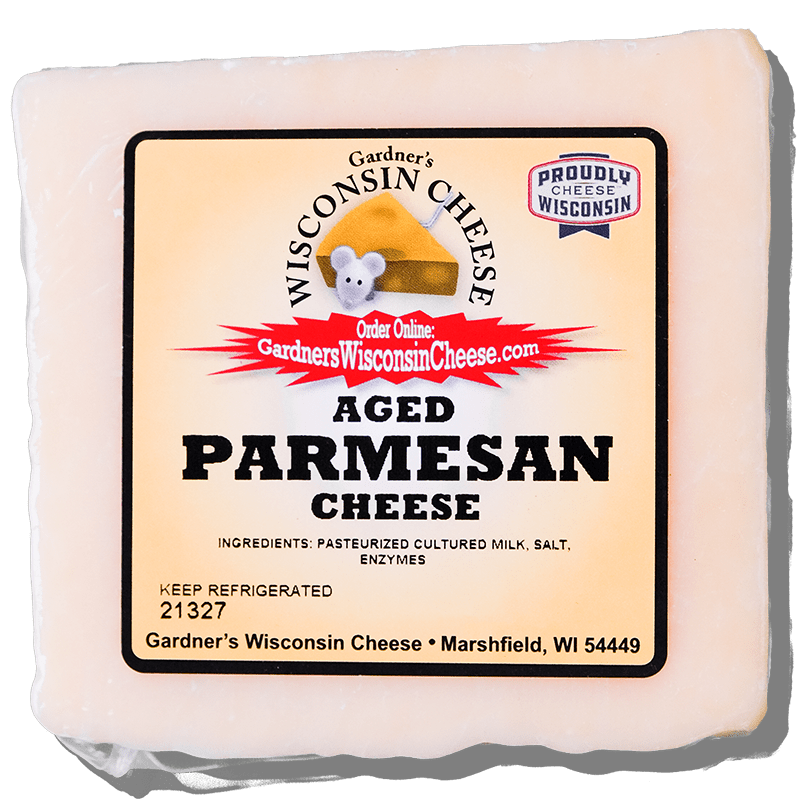
Extra sharp cheddar (also known as super sharp) earns its title from time, not heat or spice. The longer it ages, the bolder it gets. That aging journey explains both its crave-worthy flavor and its slightly stubborn melting behavior. Compared to other aged cheeses like Parmesan, aged Gouda, and Pecorino Romano, which also develop firmer, drier textures and are less suitable for melting, extra sharp cheddar stands out for its unique balance of flavor and meltability.

Here’s how the clock shapes the cheese:
-
Mild cheddar: 2–3 months of aging, with a creamier texture compared to aged varieties
-
Sharp cheddar: 9–12 months
-
Extra sharp cheddar: 18–24+ months
-
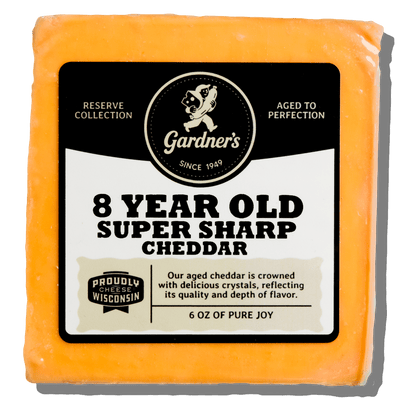
Super sharp cheddar: 8 years
For more details on how long different cheeses last after opening and the best storage methods, check out this comprehensive guide.
With age comes intensity. Super sharp cheddar delivers deep tang, nutty notes, and that unmistakable bite cheddar lovers crave. The sharp flavor intensifies as the cheese matures, becoming more pronounced and tangy. Many varieties also develop tiny white crystals, crunchy little surprises are a sign of proper aging, not something gone wrong. These are calcium lactate or tyrosine crystals, which add a satisfying texture. The aging process allows enzymes to break down proteins and fats, creating complex flavors in the cheese.
Texture-wise, things firm up as the cheese gradually loses moisture. Moisture slowly exits stage left, proteins tighten up, and the cheese becomes more crumbly.
In cheeseland, flavor and meltability live on opposite ends of the seesaw and super sharp leans hard into flavor.

Does Extra Sharp Cheddar Actually Melt?
Yes, it melts. Just… not like mozzarella showing off in a pizza commercial.
When it comes to how cheese melts, extra sharp or super sharp cheddar behaves differently from other cheeses. Instead of flowing into a smooth, stretchy blanket, extra sharp cheddar softens, bubbles, and settles. You may see a little oil release or graininess, especially if the heat climbs too fast.
As you melt extra sharp cheddar, watch closely to prevent burning or over-melting. Frequent checks will help you achieve the desired texture.

Try this side-by-side test:
-
Broil mild cheddar and extra sharp cheddar at 400°F for 5–7 minutes
-
Mild melts evenly and stretches
-
Extra sharp holds its shape more and releases some fat at the edges
Different brands melt differently, too. Some extra sharp cheddars stay surprisingly creamy, while others lean fully into that classic dry, crumbly aged-cheese vibe.
Bottom line: extra sharp cheddar melts differently, not poorly. Once you know that, you can work with it instead of fighting it.
Why Extra Sharp Cheddar Melts Differently (The Science)
Let’s break it down, no lab goggles required.
Moisture Loss Changes Everything
Super sharp cheddar contains much less water than younger cheese. Less moisture means less steam, and steam helps cheese relax and flow when heated. Without it, melting gets a little… uptight.
Protein Networks Get Tighter
As cheddar ages, proteins rearrange into denser structures. Think loose knit sweater vs. tightly woven fabric. One stretches. The other holds its shape.
Calcium and pH Shift
Aging concentrates calcium and lowers pH, encouraging proteins to cling together instead of melting smoothly. Those tasty crystals? They’re also part of why the cheese resists flowing freely.
Fat Separation Under Heat
When overheated, the protein network contracts and squeezes out fat, hello oily sheen. Younger cheeses hang onto their emulsion better; extra sharp is less forgiving.

Best Practices for Melting Extra Sharp Cheddar
Super sharp cheddar like our 20 year aged, likes a little TLC. Treat it right and it’ll reward you with big flavor.
Shredded cheese has more surface area, which helps it melt faster and more evenly than blocks of cheese.
When making cheese sauces, a common technique is to start by melting butter in a skillet before adding the cheese. This helps create a smooth base for the sauce.
If you’re making a béchamel (also known as a white sauce), it acts as a creamy base that helps the cheese melt smoothly and improves the texture of the final dish.
For gentle, even melting without direct heat, use a double boiler. This method helps prevent the cheese from scorching or becoming grainy.

Always Grate Finely
Small shreds melt faster and more evenly. Skip pre-shredded if you can, anti-caking agents are not doing your sauce any favors.
Keep the Heat Low and Slow
Medium-low on the stovetop or 325–350°F in the oven. Extra sharp does not like to be rushed. Let residual heat do the heavy lifting.
Give It a Support System
Extra sharp cheddar melts best with backup. Using a white sauce, such as béchamel, helps create a creamy base for melting cheese and improves the texture. Starting with melted butter in a skillet is a classic way to begin a cheese sauce. Cream or milk can also add moisture and keep things smooth.
Add a Little Stabilization
A touch of starch helps everything stay together:
-
Roux (1–2 tbsp flour per cup of liquid)
-
Cornstarch slurry (1 tsp cornstarch + 2 tsp cold liquid)
-
Sodium citrate for ultra-smooth, restaurant-style results
Use Acid Carefully
A splash of lemon juice or white wine, or even wine or beer, can help stabilize proteins in melted cheese, keeping the sauce smooth. Just don’t overdo it, too much acid and the cheese will curdle faster than you can say “fondue fail.”
When Extra Sharp Cheddar Shines (and When to Skip It)
Sometimes smooth isn’t the goal and sometimes you want flavor that bites back. Extra sharp cheddar is a go to option for dishes where bold flavor is desired. It can be sprinkled on baked potatoes or burgers for an intense cheesy kick, but care must be taken to avoid separation from heat.
Best Uses
-
Mac & cheese (blended with milder cheeses)
-
Grilled cheese sandwiches
-
Burger toppings
-
Casseroles and baked dishes
-
Gratins where browning is a bonus

Extra sharp is especially good as a topper cheese, melted just enough to bloom with flavor.
Cheese Pairings That Work
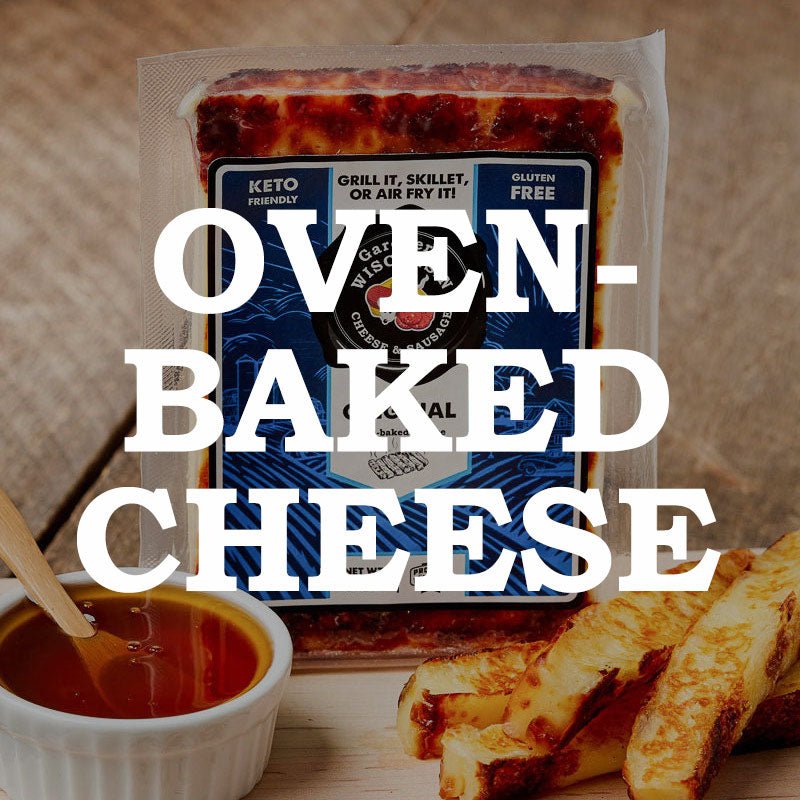
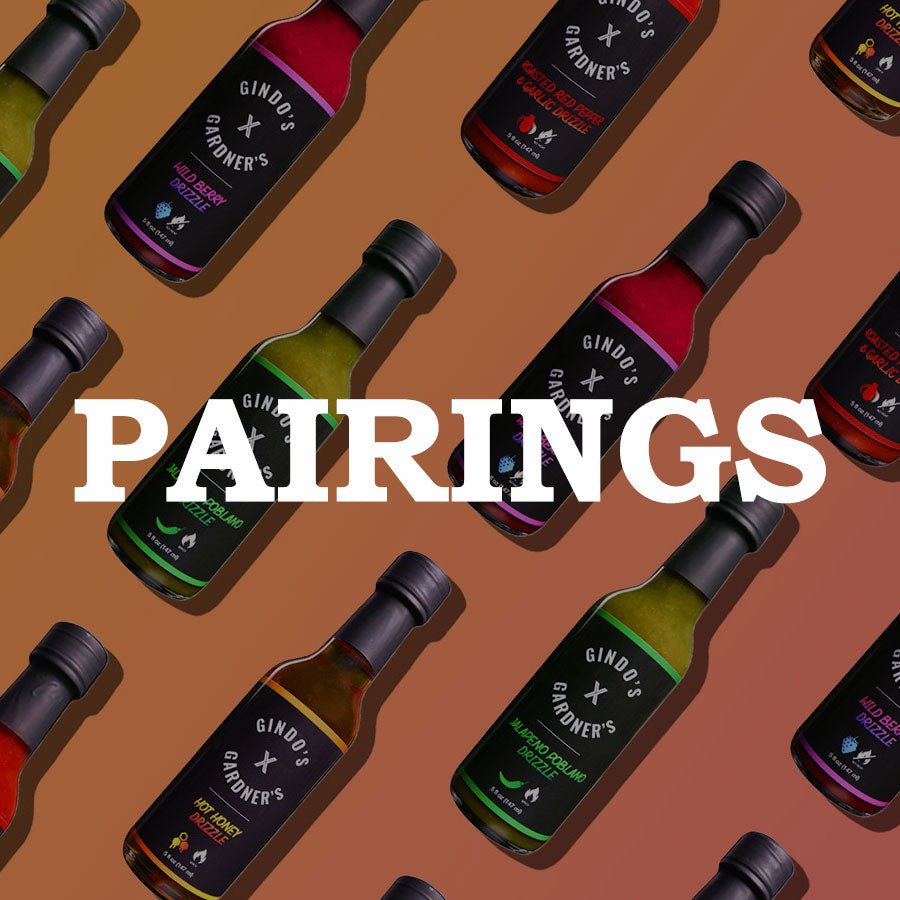
For more ideas, check out oven-baked cheese dip pairings:
For best melting results, try blending extra sharp cheddar with a milder cheese. A 50/50 mix with young cheddar keeps things creamy while adding bite, while pairing 25% extra sharp with 75% Monterey Jack creates a smooth, easy-melting blend. You can also use about 30% extra sharp with 70% mozzarella for stretch and balance without overpowering the dish.
When to Choose Another Cheese
Not all cheeses are created equal, especially when it comes to melting. For ultra-smooth queso or nacho dips, kid-friendly sauces, fondue, or quick, high-heat melting situations, extra sharp cheddar may not be the best choice on its own.
Rule of thumb: keep extra sharp at 25–50% of the blend for sauces.
How to Melt Extra Sharp Cheddar for Specific Dishes
Stovetop Cheese Sauce (Mac & Cheese)
-
Make a roux
-
Whisk in warm milk
-
Remove from heat
-
Add finely grated cheese gradually to create a creamy sauce. For best results, use mild cheddar, which has a creamy and buttery flavor, making it a great option for melting into sauces.

Residual heat is your best friend here.
Burgers & Grilled Cheese
-
Slice paper-thin
-
Cover briefly to trap steam
-
Let moisture do the melting
Baked Dishes
-
Blend cheeses
-
Cover most of the bake
-
Uncover at the end to brown
-
Add cheese layers later, not early
(See common cheese baking mistakes)
Ultra-Smooth Nacho Sauce
Sodium citrate is the secret weapon. Smooth, glossy, reheatable with no separation drama.
Comparing Extra Sharp Cheddar to Other Melting Cheeses
-
Mild cheddar & Monterey Jack: easy melters, very forgiving; mild cheddar melts easily and is ideal for creamy sauces
-
Medium cheddar: solid middle ground
-
Parmesan & aged gouda: these are aged cheeses, firmer and drier, and melt far worse than extra sharp; typically used for grating or flavor enhancement rather than melting
-
Gruyère & Emmental: melting overachievers
-
Young cheeses like mozzarella and young cheddar are fresh, high-moisture, and melt smoothly, making them perfect for creamy, stretchy dishes.
Sharp cheddar is a crowd-pleaser that is easy to melt and snack on.
Extra sharp cheddar lives in the sweet spot, bold flavor, workable melt, just needs the right setup.
Common Melting Mistakes with Extra Sharp Cheddar (and Fixes)
Many home cooks end up frustrated with oily, clumpy results the first time they try melting extra sharp cheddar. Understanding common pitfalls helps you avoid these issues and achieve better outcomes consistently.
Mistake #1: Using High Heat The biggest culprit behind failed attempts is rushing the process with high temperatures. Extra sharp cheddar’s proteins contract rapidly under high heat, squeezing out fat and creating that unappetizing greasy layer.
Fix: Always use gentle heat, medium-low on stovetop, 325-350°F in oven. Take your time and let the cheese warm gradually.
Mistake #2: Adding Cheese to Boiling Liquid
Dropping grated cheese directly into boiling sauce causes instant protein shock and guaranteed clumping. The dramatic temperature difference prevents smooth incorporation.
Fix: Remove your sauce base from heat before adding cheese, or keep liquid at a gentle simmer (barely bubbling) when adding small handfuls gradually.
Mistake #3: Using Large Chunks Thick slices or large chunks heat unevenly, the outside overcooks while the center stays cold, leading to inconsistent texture and poor integration.
Fix: Always use freshly grated cheese with fine shreds. Avoid pre shredded cheese when possible due to anti-caking agents that interfere with melting.
Mistake #4: Overheating and Panicking When sauce starts looking grainy, many cooks turn up heat thinking more temperature will fix the problem. This makes separation worse and creates a vicious cycle.
Fix: If your sauce breaks, remove from heat immediately. Whisk in a tablespoon of warm cream or milk plus a teaspoon of cornstarch slurry, then whisk vigorously off heat to re-emulsify.
Emergency Salvage Technique
When a dish turns greasy but still tastes good, don’t throw it out. Broken cheese sauce can be repurposed in baked dishes like casseroles where the texture matters less and other ingredients help mask the separation.

FAQ
-
Question: Is extra sharp cheddar good for grilled cheese?
-
Answer: Yes, extra sharp cheddar works excellently in grilled cheese sandwiches, especially when mixed with a milder cheese. The bread helps trap moisture and moderate heat, while the intense tangy flavor elevates the entire dish. Use thin slices and cook over medium heat for best results.
-
Question: Can I use extra sharp cheddar in mac and cheese?
-
Answer: Absolutely, but it performs best as part of a cheese blend rather than the sole cheese. Try combining 50% extra sharp with 50% mild cheddar or monterey jack to maintain creaminess while adding complex flavors. This approach gives you rich flavor without sacrificing the smooth, gooey perfection most people expect from mac cheese.
-
Question: Is sharp cheddar good for melting and snacking?
-
Answer: Sharp cheddar is typically aged around 9 to 12 months and is flavorful, smooth, and fairly creamy. It's a crowd-pleaser that is easy to melt and snack on.
-
Question: Why does my extra sharp cheddar turn grainy when I melt it?
-
Answer: Graininess occurs because aging makes the cheese drier and changes its protein structure. The tightly packed proteins resist smooth melting and tend to clump together when exposed to heat. Lower moisture content also means less steam to help proteins relax and flow smoothly. As a general rule, the longer cheese ages, the sharper its flavor becomes, but this also affects its melting properties.
-
Question: Does white extra sharp cheddar melt differently than orange extra sharp cheddar?
-
Answer: No, the color difference comes from annatto (a natural coloring agent) and doesn’t affect melting properties. Age, moisture content, and production methods determine how well any cheddar melts, regardless of whether it’s white or orange.
-
Question: How can I make extra sharp cheddar melt as smoothly as possible?
-
Answer: Follow these key strategies: grate the cheese very finely, use low heat and gentle warming, create a sauce base with flour and milk, and consider adding sodium citrate for ultra-smooth results. Blending with younger, higher-moisture cheeses also significantly improves texture while preserving that distinctive sharp cheddar flavor.
