















· By Daylon Gardner
Hard Cheese 101: What Counts, Why It Lasts, & Which Ones to Stock
Some cheeses are squishy. Some cheeses are crumbly. And some cheeses could survive a fall down the stairs.
That last group is hard cheese, and it is the most useful category in your fridge. Hard cheeses grate like a dream, last practically forever, and pack the boldest flavor in the dairy case. Here is what actually makes a cheese hard, why that matters for flavor and shelf life, and which ones earn a permanent spot in your kitchen.
Cheesy Takeaways
-
Hard cheese is simply cheese with most of its moisture removed, usually through aging & pressing.
-
Less moisture means bolder flavor, firmer texture, & a much longer shelf life.
-
Classic hard cheeses include aged cheddar, parmesan, aged gouda, & dry-aged styles.
-
Aged cheddars are naturally low in lactose, which is great news for sensitive stomachs.
-
Unopened, our aged cheddars keep in the fridge basically forever & only get better.
What Makes a Cheese Hard?

It comes down to one thing: water. Fresh cheese is loaded with moisture, which keeps it soft, mild, and short-lived. Hard cheese is what you get when that moisture is pressed and aged out over months or years. As the water leaves, the proteins tighten, the flavor concentrates, and the texture goes from springy to firm to gloriously crumbly.
That is why a fresh mozzarella tastes milky and gentle while a 13-Year Super-Sharp Cheddar tastes like it has opinions. Same starting milk. Wildly different cheese, all because of time & moisture. We dig into the texture side of this in our piece on why aged cheddar crumbles, which is required reading for any curd nerd in training.
Why Hard Cheese Is the MVP of Your Fridge
It lasts forever (almost)
Low moisture means there is far less for spoilage to work with. Unopened in the fridge, our aged cheddars effectively keep forever and continue to develop flavor the longer they sit. Once opened, well-wrapped hard cheese still holds for a month or more. Compare that to a soft cheese measured in days & you see the appeal.
It brings the flavor
Concentrated moisture equals concentrated taste. Hard cheeses deliver the sharpest, nuttiest, most complex flavors in the case. Those little white crunchy bits you find in well-aged cheddar are calcium lactate crystals, a natural sign of a properly aged cheese & the best part as far as we are concerned.
It is the most versatile tool you own
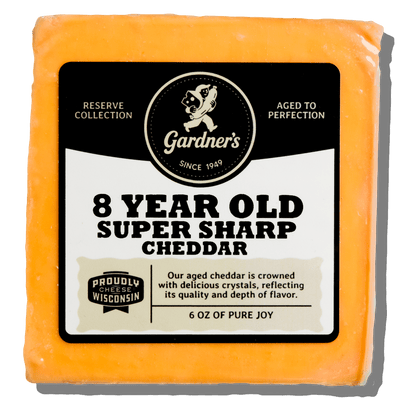
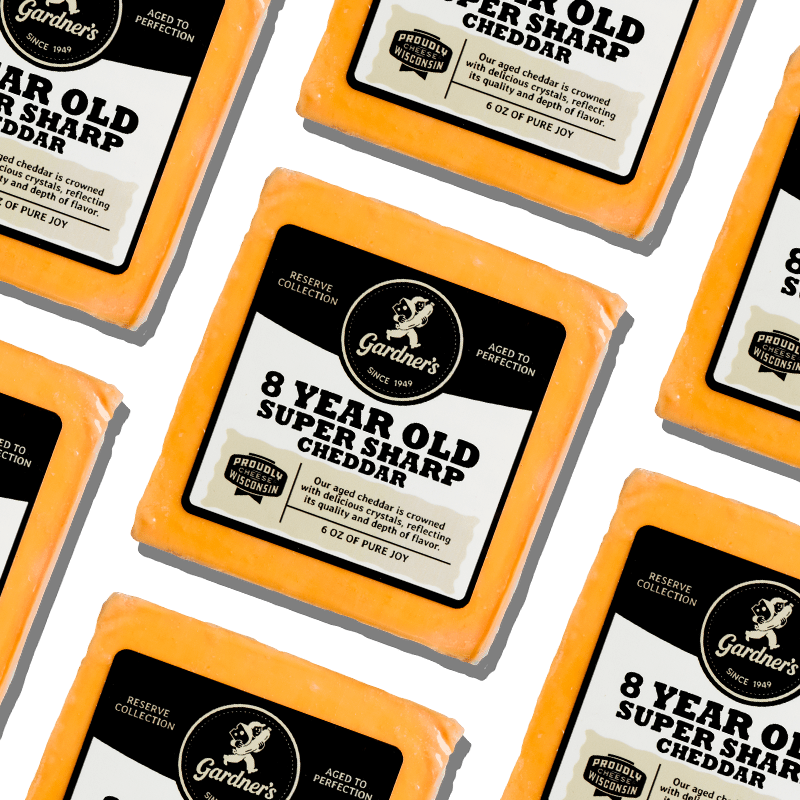
Grate it over pasta, shave it onto a salad, cube it for a board, melt it into a sauce, or just snack it straight off the block. Hard cheese does it all. Pair our 8-Year Super-Sharp Cheddar with a spoonful of Hot Pepper Bacon Jam & you have a five-minute appetizer that punches way above its weight.
The Hard Cheeses Worth Stocking

|
Cheese |
Flavor |
Best For |
|---|---|---|
|
8-Year Cheddar |
Sharp, crumbly, deep |
Boards, crackers, snacking |
|
13 & 17-Year Cheddar |
Intensely sharp, crystalline |
Special occasions, gifting |
|
Aged Gouda |
Nutty, caramel-sweet |
Grating, melting, boards |
|
Aged Parmesan |
Salty, savory, granular |
Pasta, salads, finishing |
|
Dry-Aged Cheddar |
Bold, concentrated, firm |
Cooking & confident snacking |
If you are just getting started, our Super Sharp Cheddar Package is a flight of our aged cheddars in one box, which is the fun way to taste what a few extra years in the cooler actually does. For a wider spread, the Vintage Package brings the heavy hitters together.
How to Store Hard Cheese So It Lasts

Hard cheese is forgiving, but a little care keeps it at its best for months. The golden rule is to let it breathe. Wrap it in parchment or wax paper first, then loosely in foil, & keep it in the warmest part of your fridge, usually a drawer. Tight plastic wrap traps moisture against the cheese, which dulls the flavor & can encourage unwanted surface growth. Give it a gentle layer instead of suffocating it.
A surface spot is not the end
Here is good news that surprises people. On a firm, aged cheese, a small spot of surface mold is not a reason to panic. Unlike soft cheese, you can simply cut about an inch around & below the spot, & the rest of the block is perfectly good to eat. Soft and fresh cheeses are a different story, since mold can spread through them invisibly, so when in doubt with those, let it go. With a dense aged cheddar, though, trim & carry on.
Cooking with hard cheese

For the most even melt, grate hard cheese rather than cubing it, & add it toward the end of cooking so it stays smooth instead of turning stringy. A Wire Cheese Slicer makes clean, even shavings for a board, while a fine grater turns our Aged Parmesan into a savory flourish over pasta, risotto, or soup. For the complete rundown on keeping every cheese fresh, our cheese storage 101 guide has you covered.
A Note for Lactose-Sensitive Cheese Lovers

Here is a happy surprise: the longer a cheese ages, the less lactose it contains. The aging process breaks lactose down over time, which is why hard, aged cheddars are naturally very low in lactose. Our 13-year and older cheddars are explicitly lactose-free, so if dairy usually does you dirty, aged hard cheese may be your friend after all.
We wrote a whole guide on this in our lactose-free & low-lactose aged cheeses post if you want the full breakdown before you build a board.
Frequently Asked Questions
What counts as a hard cheese?
A hard cheese is one with most of its moisture pressed & aged out, giving it a firm texture and a long shelf life. Aged cheddar, parmesan, aged gouda, and dry-aged styles all qualify.
Is cheddar a hard cheese?
Aged cheddar absolutely is. Young cheddar sits more in the semi-hard range, but as it ages past a few years it firms up, crumbles, and becomes a true hard cheese.
Why does hard cheese last so long?
Less moisture means far less for spoilage to act on. Unopened in the fridge, our aged cheddars keep effectively forever and keep improving with age.
Are the white crystals in hard cheese safe to eat?
Yes, and they are a good sign. Those crunchy white specks are calcium lactate crystals, a natural marker of proper aging. Most cheese fans consider them the best bite.
Does hard cheese have less lactose?
It does. Aging breaks lactose down over time, so well-aged hard cheeses are naturally low in lactose. Our 13-year and older cheddars are labeled lactose-free.
Build a Fridge That Always Has the Good Cheese
Hard cheese is the quiet workhorse of any cheese lover's kitchen. It lasts, it grates, it snacks, and it gets better with time, which is more than we can say for most things.
Stock up smart with our aged cheeses collection, grab the 8-Year Super-Sharp Cheddar to start, and do not forget a jar of Hot Pepper Bacon Jam to go alongside. Stocking up is just smart investing, cheese edition.