














· By Daylon Gardner
Low Lactose Cheese: Eat More, Suffer Less, Thank Wisconsin Later
Key Takeaways
-
Lactose intolerance does not have to mean a cheese-free life. Most aged cheeses are naturally very low in lactose or completely lactose free thanks to the fermentation process.
-
The longer a cheese ages, the more lactose gets consumed by bacteria, making aged varieties like cheddar, gouda, and parmesan the best options for sensitive stomachs.
-
Gardner's 13-year and 17-year super-sharp cheddars are explicitly lactose free, making them some of the safest and most delicious options available for dairy-sensitive cheese lovers.
-
Fresh cheeses like cottage cheese and cream cheese retain more lactose and require more caution for people with sensitivity.
-
Wisconsin's commitment to long-aged, naturally crafted cheese makes it the single best source of low lactose options in the country.
A Message to Everyone Who Has Been Avoiding Cheese
We need to talk.
You have been told you cannot eat cheese. Maybe a doctor mentioned lactose intolerance. Maybe you read something online. Maybe you had one too many bad experiences with a cheese-heavy meal and drew your own conclusions. And now you are standing at the cheese counter, eyes full of longing, telling yourself it is not worth it.
Here is the truth: for most people with lactose sensitivity, the problem is not cheese. The problem is the wrong cheese.
Lactose intolerance means your body struggles to digest lactose, the natural sugar found in milk. But here is what nobody tells you loudly enough: during the cheesemaking process, most of that lactose gets eaten by bacteria or drained away with the whey. And in aged cheeses, the tiny amount of lactose that remains continues to break down over months and years until there is virtually none left at all.

Which means that a beautifully aged Wisconsin cheddar is not your enemy. It might actually be your best friend. Wisconsin, as usual, has your back.
Why Aged Cheese Is Naturally Low in Lactose
Here is the science, explained without a chemistry degree requirement.
When cheese is made, starter cultures are added to milk. These bacteria immediately begin consuming lactose and converting it into lactic acid. Simultaneously, the whey drains away, taking a significant portion of the remaining lactose with it. By the time a fresh cheese is formed, much of the original lactose is already gone.
Then aging begins. During the aging process, whatever lactose remains continues to be broken down by the same bacterial activity. The longer the aging period, the more complete that breakdown becomes. By the time you are dealing with a cheese aged for several months, the lactose content is minimal. By the time you are dealing with a cheese aged for years, it is effectively zero.

This is not a trick or a workaround. It is just what aging does to cheese. The flavor gets more complex, the texture gets firmer, and the lactose quietly disappears. Wisconsin cheesemakers have been doing this for over 150 years, which is why their aged lineup is such a goldmine for lactose-sensitive cheese lovers.
For more on how aging transforms cheddar specifically, check out Gardner's blog on what makes sharp cheddar cheese so special and how to pair it.
The Low Lactose Cheese List: What to Eat and What to Watch
Not all cheeses behave the same way when it comes to lactose. Here is an honest breakdown:
Very Low to Zero Lactose (Your Green Light Cheeses):
Aged cheddar is the gold standard for low lactose cheese. The longer it ages, the lower the lactose. A three-month cheddar is already significantly lower than fresh dairy. An eight-year cheddar is dramatically lower still. A 13 or 17-year cheddar? Effectively lactose free.
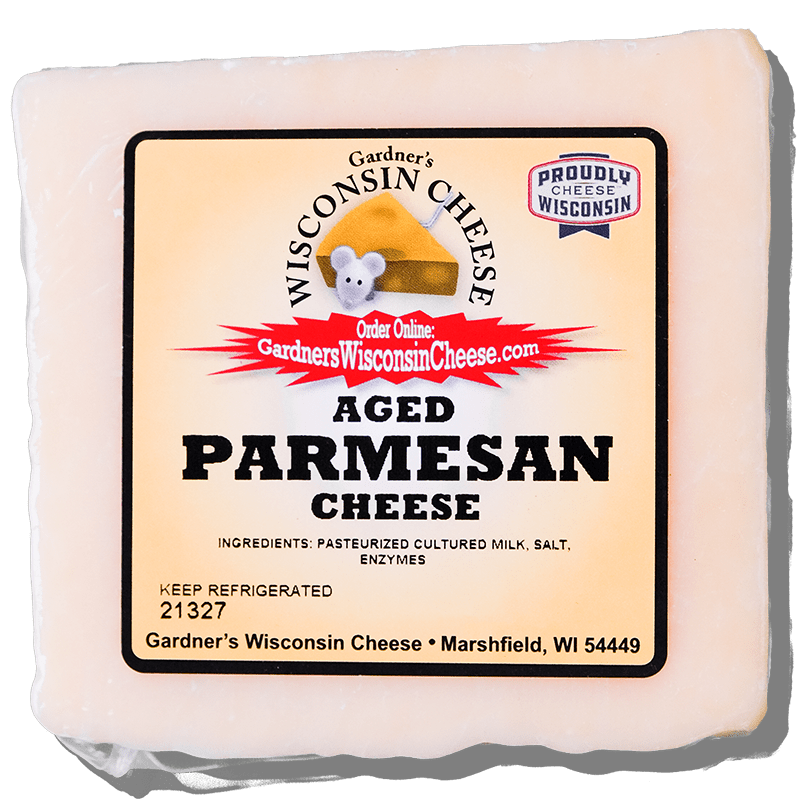
Aged parmesan is another exceptional option. Its long aging period and low moisture content mean it consistently tests at near-zero lactose. It is one of the most reliably tolerated cheeses for sensitive stomachs.
Aged gouda, particularly varieties aged six months or longer, falls into the same category. The nutty, slightly sweet flavor comes with very little lactose burden.
Moderate Lactose (Proceed Thoughtfully):
Fresh mozzarella and younger cheddars aged less than three months retain more lactose than their aged counterparts. Most people with mild sensitivity tolerate these fine in small portions, but they are worth being aware of.
Higher Lactose (Handle With Care):
Cottage cheese, ricotta, and cream cheese retain significantly more lactose because they are fresh, unaged, and high in moisture. Low fat versions can sometimes have even more lactose than their full fat counterparts since more whey is retained. These are the cheeses most likely to cause issues for sensitive individuals and deserve more careful portion management.
Gardner's Low Lactose Lineup: The Good News Gets Better
Here is where Wisconsin's commitment to long aging pays off in a very specific and wonderful way for lactose-sensitive cheese lovers.
Gardner's aged cheddars are not just low in lactose. Several of them are explicitly and completely lactose free, confirmed right on their product pages. This is what happens when you age cheese seriously rather than rushing it to market.
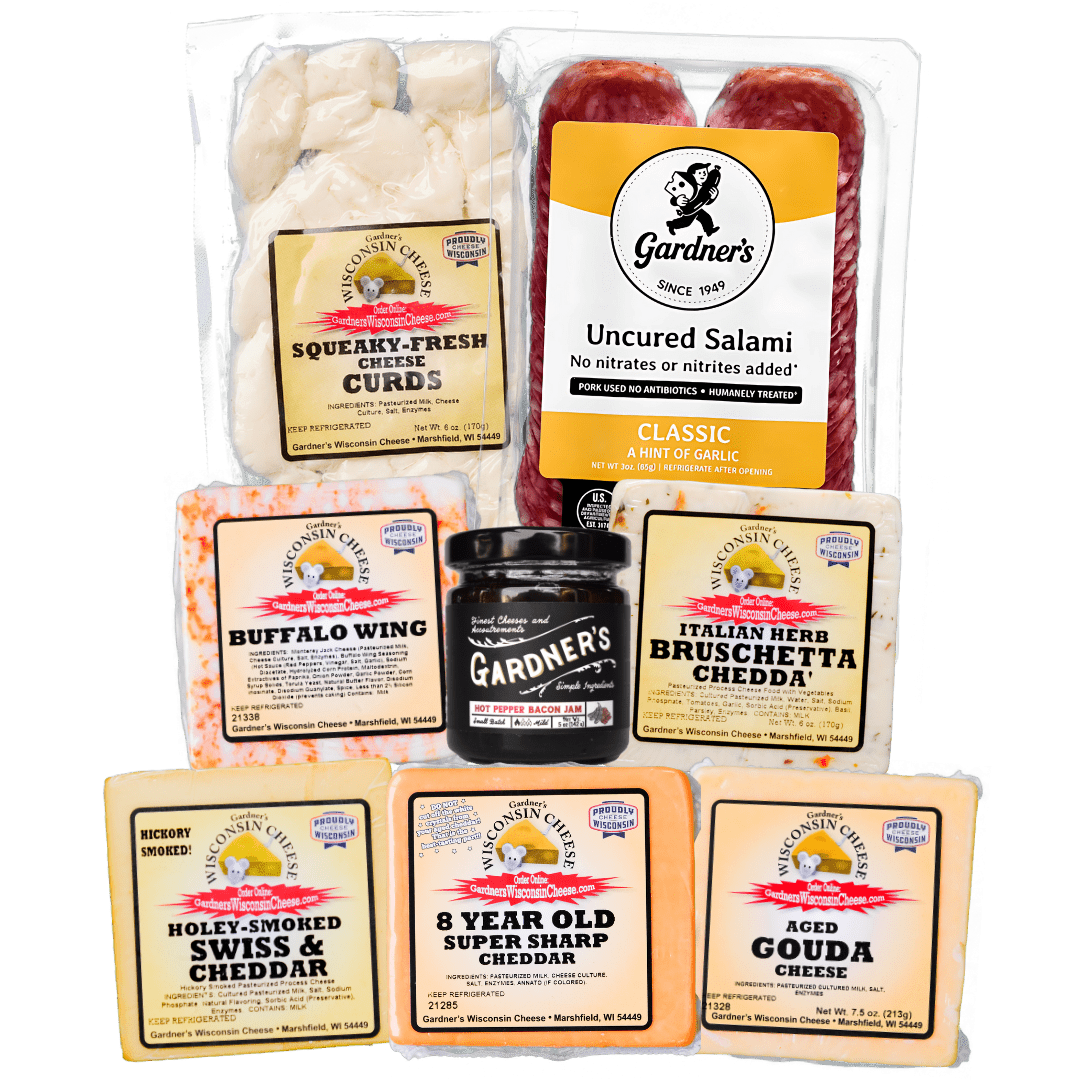
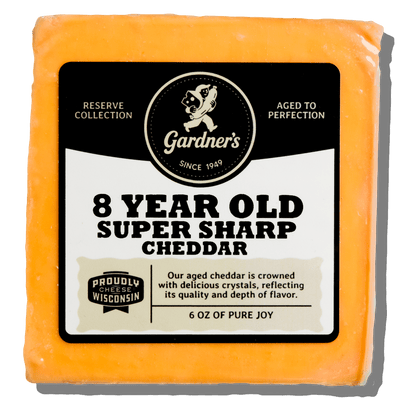
8-Year-Old Super-Sharp Cheddar: Eight years of aging means this smooth, buttery cheddar has had more than enough time to eliminate virtually all lactose. Rich flavor, minimal dairy burden. Their second best seller for very good reason.
13-Year-Old Super-Sharp Cheddar: Explicitly labeled lactose free. One of the sharpest cheddars available anywhere, with a potent complexity that makes every bite worth savoring. For the lactose-sensitive cheese lover who refused to settle for bland alternatives, this is the answer.

17-Year-Old Super-Sharp Cheddar: Also explicitly lactose free. Aged for 17 years, this is as rare as it is impressive. Creamy, smooth, intensely sharp, and completely safe for lactose-sensitive stomachs. It is the kind of cheese that makes people stop mid-bite and reconsider everything they thought they knew about dairy.

Aged Parmesan: Nutty, fruity, complex, and naturally very low in lactose due to its extended aging and low moisture content. Perfect for grating over pasta, eating in thin shards on a cheese board, or snacking on its own.
Aged Gouda: Nutty and slightly sweet with a soft, versatile texture. Aged long enough to bring lactose levels way down while keeping the flavor profile approachable and crowd-pleasing.
All of these ship nationwide with Gardner's custom cold-pack system, free on orders of $69 or more. For the full aged cheese lineup in one place, the Gardner's aged cheeses collection is where to start.
Cheddar Cheese and Low Lactose: A Love Story
Since cheddar is the most searched and most beloved of the low lactose cheeses, it deserves its own moment.
Cheddar cheese and low lactose go hand in hand specifically because of how the cheesemaking process handles lactose during cheddar production. The cheddaring process, where curds are stacked, flipped, and pressed repeatedly to expel whey, is particularly effective at removing lactose-carrying liquid from the final product. Combined with even a modest aging period, cheddar becomes one of the most reliably low lactose cheeses available.

The older the cheddar, the more complete that process becomes. Gardner's aged lineup takes this to its logical conclusion: cheese aged so long that lactose is not even a conversation worth having. You just eat the cheddar and enjoy your life.
For a deeper look at how the carbohydrate and lactose content of various cheeses compares, our blog on Does Cheese Have Carbs? covers the full nutritional picture in detail.
Practical Tips for Lactose-Sensitive Cheese Lovers
A few things worth knowing beyond just which cheeses to choose:
Start with aged varieties and build from there. If you are unsure of your tolerance, begin with Gardner's 8-year cheddar or aged parmesan. Both are excellent, both are extremely low in lactose, and both are genuinely delicious starting points.

Portion size still matters. Even low lactose cheeses can cause issues in very large quantities for highly sensitive individuals. One to three ounces is a reasonable serving to begin with.
Individual tolerance varies. Two people with lactose intolerance can have very different experiences with the same cheese. Your own body is the final authority. Start small, pay attention, and adjust accordingly.
Do not confuse dairy allergy with lactose intolerance. Lactose intolerance is a digestive issue related to the sugar in dairy. A dairy allergy is an immune response to dairy proteins and is a different condition entirely. Low lactose cheese helps with the former but not the latter. If you have a dairy allergy, please consult a healthcare provider rather than a cheese blog, however well-intentioned.
Frequently Asked Questions
What cheeses are lowest in lactose? Long-aged hard cheeses consistently test at the lowest lactose levels. Gardner's 13-year and 17-year super-sharp cheddars are explicitly labeled lactose free. Aged parmesan and aged gouda are also excellent low lactose options. As a general rule, the harder and older the cheese, the lower the lactose.
Is cheddar cheese low in lactose? Yes, particularly aged cheddar. The cheesemaking and aging process removes and breaks down most of the lactose in cheddar, making it one of the most reliably low lactose cheese options available. An 8-year or older cheddar is about as low lactose as cheese gets.
Is cottage cheese low in lactose? No. Cottage cheese is a fresh, unaged, high-moisture cheese that retains significantly more lactose than aged varieties. It is one of the higher lactose options in the cheese world and should be approached carefully by sensitive individuals.
Can I eat low lactose cream cheese? Cream cheese retains more lactose than aged cheeses due to its fresh, unaged nature. Some brands offer lactose-free versions made with added lactase enzyme. For genuinely low lactose options, aged hard cheeses are a more reliable choice than cream cheese alternatives.
How do I know if a cheese is truly low in lactose? Look for aged hard cheeses with minimal ingredient lists: milk, cultures, salt, enzymes. Long aging periods are your best signal. Gardner's explicitly notes lactose-free status on several of their aged cheddar product pages, which takes the guesswork out entirely.
