











· By Daylon Gardner
Low Sodium Cheese: Which Cheeses Are Actually Low in Salt (A Cheesemaker Answers Honestly)
Straight answer first: the lowest-sodium common cheeses are Swiss-style cheeses, at roughly 50 to 75 mg per ounce, followed by fresh mozzarella, goat cheese & ricotta. The highest are feta, blue, parmesan & processed cheeses, which can run 300 to 450 mg per ounce.
Now the honest cheesemaker part: salt isn't an accident in cheese. It's a load-bearing ingredient. Here's why cheese contains sodium, a real ranking by type, & how to keep eating great cheese on a lower-sodium diet without pretending rice cakes are a substitute.
Cheesy Takeaways
- Swiss-style cheese is the low-sodium champion at ~50-75 mg per ounce.
- Salt in cheese isn't seasoning. It controls safety, moisture & texture, so no cheese is truly salt-free.
- Aged cheeses pack more flavor per gram, so a little goes further: a legit low-sodium strategy.
- "Low sodium cottage cheese" is the most-searched version, but regular cottage cheese is one of the saltier picks.
- Numbers below are approximate. Brands vary, so the label always wins.

Why Cheese Has Sodium in the First Place
Real talk: you can't make good cheese without salt. In cheesemaking, salt does three jobs at once. It slows the cultures at exactly the right moment, it pulls moisture out of the curd (which is how cheese gets its texture & keeping quality), & it keeps unwanted microbes from crashing the party. Take the salt out entirely & you don't get healthy cheese, you get a food-safety experiment.
That's why "no sodium cheese" barely exists & why the honest play isn't finding saltless cheese. It's choosing the styles that naturally need less & being smart about how you use the rest.
The Ranking: Cheese Types by Sodium (Approximate mg per 1 oz)
Approximate figures per ounce; check your specific label because recipes vary by maker.
| Cheese Type | Sodium (approx.) | The Read |
|---|---|---|
| Swiss-style | 50-75 mg | The champion. Naturally low-salt process |
| Fresh mozzarella | 85-175 mg | Fresh & mild, wide range by brand |
| Goat cheese (fresh) | ~130 mg | Tangy enough that you don't miss salt |
| Ricotta | ~50-100 mg per 1/4 cup | Great low-sodium cooking cheese |
| Cheddar | 180-200 mg | Middle of the pack, flavor-dense |
| Gouda | ~230 mg | Moderate, big flavor per bite |
| Provolone | ~250 mg | Higher than its mild taste suggests |
| Cottage cheese | 350-400 mg per 1/2 cup | Surprise offender unless labeled low-sodium |
| Feta & blue | 300-380 mg | Brined & bold = salty by design |
| Parmesan | 330-450 mg | Salt is part of the magic here |
| Processed cheese | 350-450+ mg | Emulsifying salts stack on top |
The pattern: the saltiest cheeses are the brined ones (feta), the blues, & the very hard grating cheeses. The gentlest are the Swiss family & the fresh cheeses.
The Swiss Move (& Where Gardner's Fits)
If you're shopping the low-sodium end, Swiss-style is the answer, & the flavor tradeoff is smaller than you'd think: nutty, sweet, & built for melting.
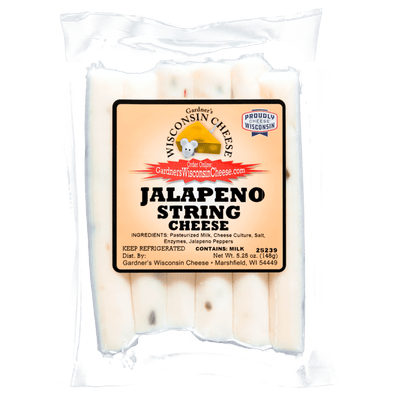
Our angle on it is the Holey-Smoked Swiss & Cheddar, a Swiss-cheddar blend with a smoky edge. Full honesty (that's the theme today): as a blend it carries more sodium than a pure Swiss, but the Swiss half keeps it on the gentler side of the cheddar family while tasting like way more than a diet decision. For a portable option, Mozzarella String Cheese sits in the moderate zone; we broke down its full numbers in our string cheese nutrition post.

Mozzarella String Cheese
The portable pick, sitting in the moderate sodium zone with protein to spare.
Shop String Cheese
The Counterintuitive Aged-Cheese Strategy
Here's the trick nobody tells you: sometimes the lower-sodium move is a SALTIER cheese, used smarter.
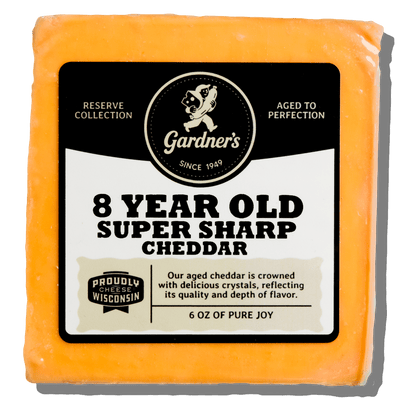
An aged cheddar like our 8-Year Super-Sharp Cheddar carries around 190 mg per ounce, but it delivers several times the flavor of a mild cheese. Half an ounce, shaved thin with a wire slicer or crumbled over a salad, satisfies harder than two ounces of bland. Less cheese, more taste, lower total sodium. The crystals & concentrated sharpness are doing the seasoning work salt would otherwise do. Flavor density is a nutrition strategy. We said what we said.
The Flavor-Density Kit
8-Year Super-Sharp Cheddar
Half an ounce does the work
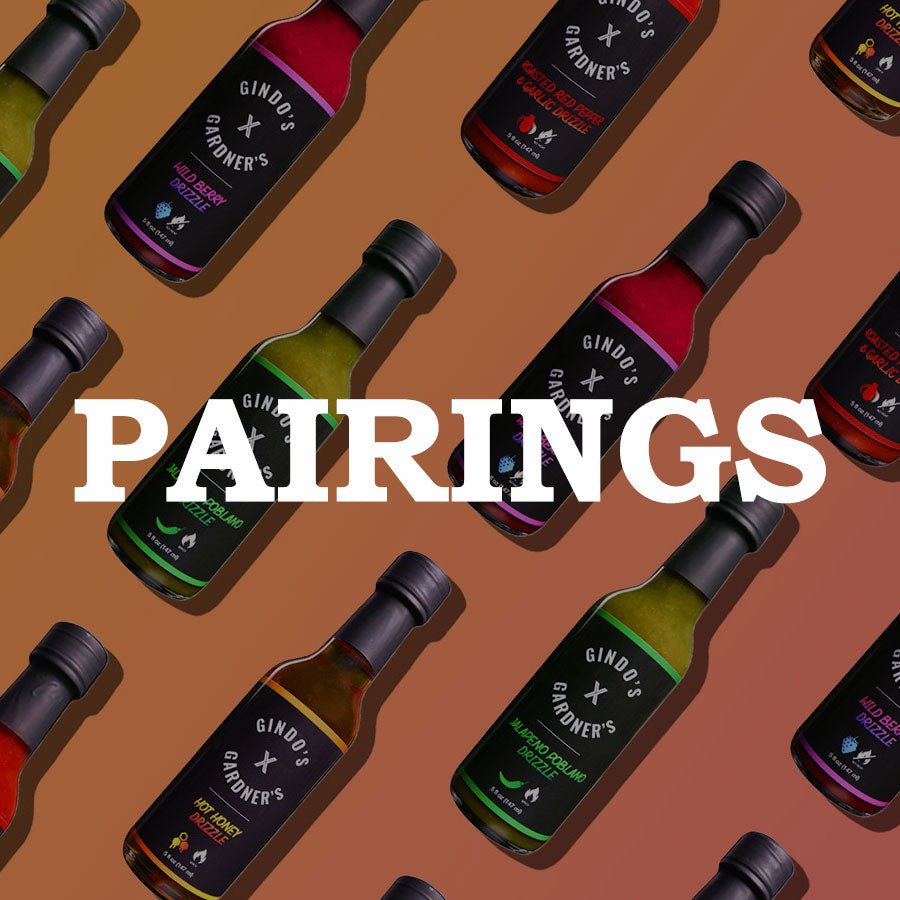
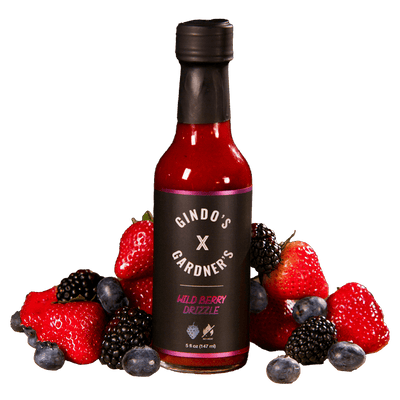
Wild Berry Drizzle
Unsalted sweetness instead of salty crackers
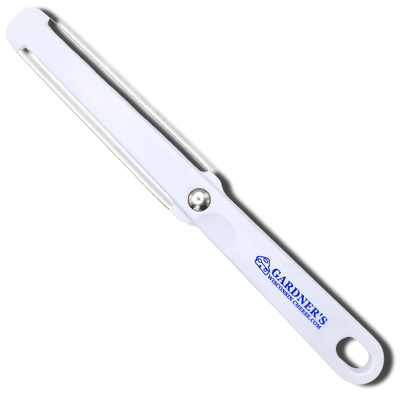
Wire Cheese Slicer
Shave it thin, taste it big
Three more ways to cut sodium without cutting cheese:
- Pair with unsalted sides. Fruit, unsalted nuts & a Wild Berry Drizzle instead of salted crackers keeps the plate's total sodium down while making the cheese taste bigger.
- Grate hard cheeses instead of slicing. A fine grate covers more surface area with less cheese.
- Cook with ricotta & fresh cheeses where recipes allow, & save the bold aged stuff for where you'll actually taste it.
About That Cottage Cheese Thing
The most-searched "low sodium cheese" is actually low sodium cottage cheese, & there's a reason: regular cottage cheese runs a startling 350-400 mg per half cup, higher than most cheeses people think of as salty. Low-sodium & no-salt-added versions exist at most grocery stores & are worth seeking out if cottage cheese is your thing.
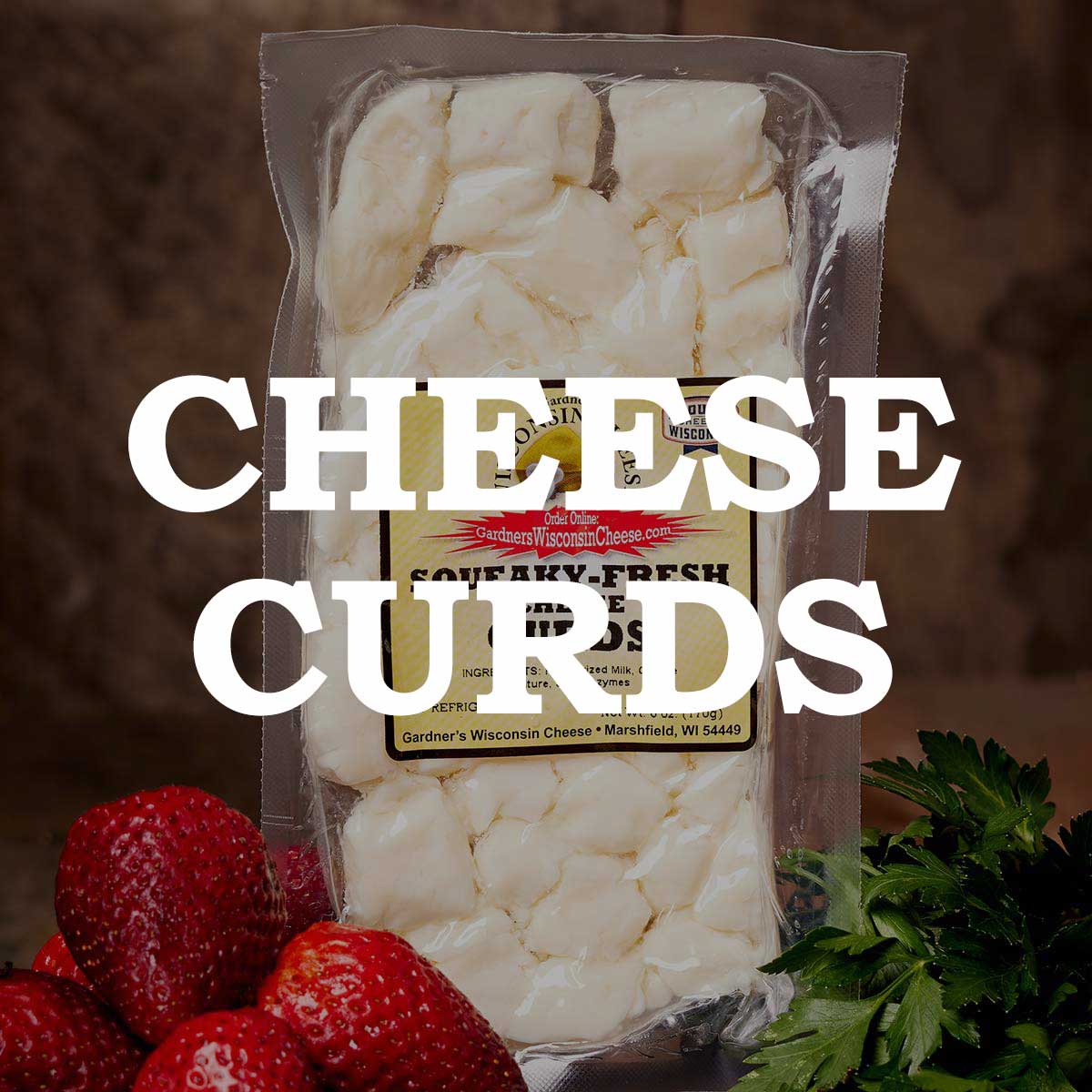
We're a Wisconsin cheddar & curd house, so cottage cheese isn't our lane. But squeaky Cheese Curds scratch a similar fresh-dairy itch at a moderate sodium level, with considerably more squeak per serving.

One more honest note: if a doctor has you on a sodium-restricted diet, these approximations are a starting point, not medical guidance. Labels & your doctor outrank a cheese blog, even ours.
Frequently Asked Questions
What cheese is low in sodium?
Swiss-style cheeses are the lowest common option at roughly 50-75 mg per ounce, followed by fresh mozzarella, ricotta & fresh goat cheese. Brined cheeses like feta & hard grating cheeses like parmesan sit at the high end.
Is there a cheese with no salt?
Almost none, & for good reason: salt controls safety, moisture & texture in cheesemaking. A few specialty no-salt-added fresh cheeses exist, but mainstream cheese always contains some sodium.
Is cottage cheese low in sodium?
Regular cottage cheese isn't. It runs about 350-400 mg per half cup. Look specifically for low-sodium or no-salt-added versions if you're watching salt.
Is cheddar cheese high in sodium?
Middle of the pack: roughly 180-200 mg per ounce. Aged cheddar's advantage is flavor density, so smaller amounts satisfy, which can lower your total sodium versus piling on a mild cheese.
What cheese is best for a low-sodium diet?
Swiss-style for everyday eating, fresh mozzarella & ricotta for cooking, & small amounts of intensely flavored aged cheese where you want impact. Check labels & follow your doctor's targets.
Eat Less Salt, Not Less Cheese
A low-sodium life doesn't have to be a low-cheese life. Lean Swiss, go fresh, & let a little aged Wisconsin cheddar do a lot of work.
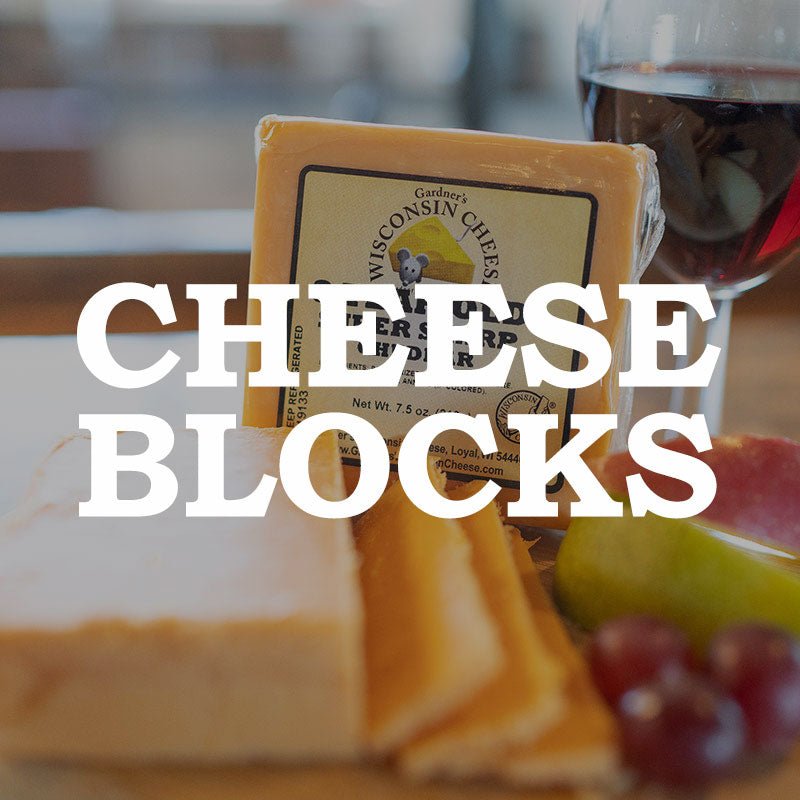
Start with the Holey-Smoked Swiss & Cheddar, keep an 8-Year Super-Sharp Cheddar on hand for the flavor-density trick, & browse the full Cheese Blocks collection from a family-owned central Wisconsin factory that's been salting cheese exactly right for 40+ years.

8-Year Super-Sharp Cheddar
About 190 mg per ounce, & several times the flavor of a mild cheese.
Shop the 8-YearLean Swiss, Keep the Cheese
Family-owned in central Wisconsin, 40+ years of cheesemaking, ranked #1 "Best-Tasting Cheese" four years running.
Shop Cheese Blocks Free cold-pack shipping on orders $69+ · All 50 states