

















· By Daylon Gardner
The Best Cheese Curds for Authentic Poutine (& Why Wisconsin Wins Over Quebec)
Fighting words? Maybe. But hear us out.
Poutine is Canadian. We'll give them that. They invented it, they perfected it, & they take it very seriously. But the cheese curds that make a great poutine? Those don't have to be Canadian. They just have to be fresh, squeaky, & made by people who actually know what they're doing. Wisconsin checks every box.
Here's what makes a poutine cheese curd different from a regular cheese curd, why fresh curds are non-negotiable, & how to source them when you don't live in Quebec.
Cheesy Takeaways
-
Authentic poutine requires fresh cheese curds. Shredded cheese & string cheese do not work.
-
Cheese curds must squeak. If they don't squeak, they're not fresh enough.
-
Fresh Wisconsin curds & fresh Quebec curds are functionally identical.
-
Curds older than 2 weeks lose their squeak & melt poorly on poutine.
-
Gardner's ships curds made the same day, anywhere in the US.
What Cheese Is Used in Poutine?
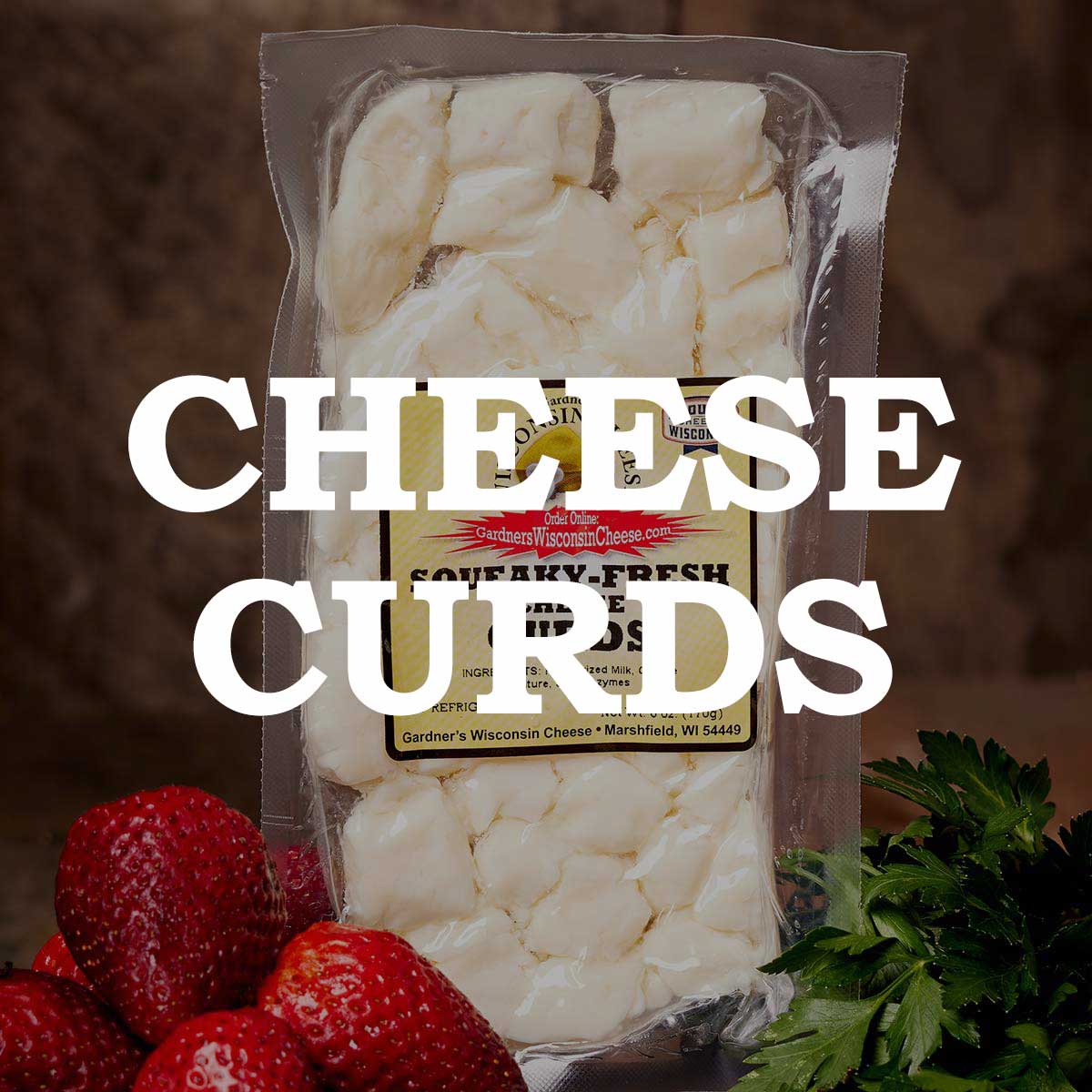
 The answer is fresh white cheddar cheese curds. Not shredded cheddar. Not string cheese. Not mozzarella. Not "cheese product." Real, fresh, squeaky cheese curds, preferably less than 3 days old.
Here's why: poutine works because the curds soften slightly on top of the hot fries & gravy without fully melting. They keep their shape. They stay slightly chewy. They squeak as you bite. If you use shredded cheese, you get a glop. If you use string cheese, it goes stringy & ropy. If you use processed cheese, it melts into a sauce. None of these is poutine.
Our Cheese Curds are made fresh in central Wisconsin & shipped the same day. They're the exact texture & freshness you want for poutine. We also have an authentic Canadian poutine recipe on the blog if you want a full step-by-step.
The Squeak Test: How to Tell If Your Curds Are Fresh Enough
 Real talk: not all cheese curds are created equal. Here is the test cheesemakers use & you should too.
Hold a curd up to your ear. Bite into it. If you hear a tiny squeak as your teeth break the curd's surface, it is fresh enough for poutine. If it is silent, the curd has lost its moisture & the casein protein structure that creates the squeak. It will still taste fine. But it will melt differently on your poutine. Less satisfying texture. Less Quebec-style authenticity.
Cheese curds start losing their squeak about 2 weeks after they're made. They keep tasting good for much longer (you can eat them safely for 4-6 weeks in the fridge), but the squeak is a freshness signal. Frozen curds also lose their squeak permanently unless you bring them back to room temperature carefully.

Pro tip from our cheesemakers: if your curds have gone slightly silent, microwave them for 8-10 seconds. The warmth restores some of the moisture & most of the squeak. Or read our full guide on how long cheese curds last for the science.
Wisconsin Cheese Curds vs Quebec Cheese Curds: An Honest Comparison
 People ask us this all the time. Are Quebec curds different? Better?
Honest answer: no. Fresh white cheddar curds are fresh white cheddar curds. The cheesemaking process is essentially identical, the milk is similar (both Wisconsin & Quebec are major dairy regions with similar climates & breeds), & the resulting product is interchangeable.
|
Trait |
Wisconsin Curds |
Quebec Curds |
|---|---|---|
|
Milk source |
Local dairy, mostly Holstein |
Local dairy, mostly Holstein |
|
Style |
Fresh white cheddar |
Fresh white cheddar |
|
Squeak |
Yes, when fresh |
Yes, when fresh |
|
Shelf life |
~2 weeks for squeak |
~2 weeks for squeak |
|
US shipping access |
Direct from Wisconsin |
Imported, slower |
The differentiator isn't the region. It's the freshness. Quebec curds shipped to the US through customs are typically 1-2 weeks old before they reach you. Wisconsin curds shipped directly from our factory are 1-3 days old when they arrive. That window is the difference between maximum squeak & not.
How to Make Poutine With Wisconsin Cheese Curds
 Here's the cheesemaker version, kept simple. We have a full authentic Canadian poutine recipe on the blog with detailed gravy instructions, but here's the 60-second overview.
What You Need
-
Fresh Wisconsin Cheese Curds (about 6 oz for 2 servings)
-
Russet potatoes, cut into thick fries
-
Good-quality brown gravy (homemade or jarred)
-
Salt & pepper
The Method
1. Fry the potatoes until golden & crisp. Double-fry for the truly authentic texture (fry once at lower temp, drain, fry again at higher temp).
2. Heat the gravy until hot. Keep it ready to pour immediately.
3. Pile the hot fries on a plate. Scatter the cheese curds across the top.
4. Pour the hot gravy over everything. The gravy heats the curds from above without fully melting them. They soften, they squeak slightly less, they go gloriously creamy on the outside while staying intact on the inside.
5. Eat immediately. Poutine waits for no one.
Common Poutine Mistakes (Don't Do These)
 If your poutine isn't working, it's almost always one of these:
-
Wrong cheese. Shredded cheese melts. Mozzarella stretches. Process cheese turns to sauce. Only fresh cheese curds give you the right texture.
-
Cold curds. Curds straight from the fridge will not soften enough. Bring them to room temperature first (or microwave for 10 seconds).
-
Soggy fries. The gravy hits the fries instantly. If the fries weren't crisp to start, they turn to mush. Double-fry & serve immediately.
-
Lukewarm gravy. The gravy is what cooks the curds. If it isn't piping hot when it hits the plate, the curds won't soften enough.
-
Pre-assembling. Poutine assembled more than 30 seconds before eating turns into a sad bowl of soggy. Build it on the plate.
Beyond Classic Poutine: Three Wisconsin Variations
Once you've nailed the classic, branch out.
Smokey Bacon Cheddar Poutine
 Swap half the cheese curds for cubed Smokey Bacon Cheddar. Add crumbled bacon on top. The smoky cheese plays beautifully with the gravy.
Buffalo Wing Poutine
 Use our Buffalo Wing Cheese Curds when they're in stock. Swap brown gravy for a buffalo-style hot sauce gravy. Top with blue cheese crumbles. Wing-night poutine.
Aged Cheddar Poutine
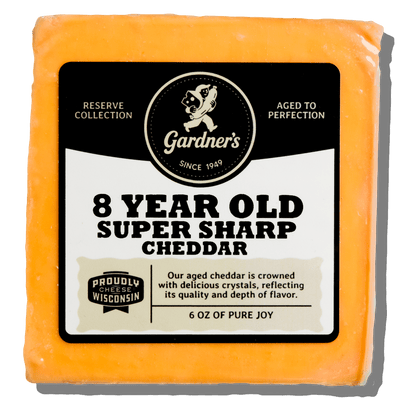
 For grown-up poutine, scatter small cubes of 8-Year Aged Cheddar alongside the fresh curds. The aged cheddar melts more & adds depth. The fresh curds keep the texture intact.
Frequently Asked Questions
What kind of cheese is used in poutine?
Fresh white cheddar cheese curds. Not shredded cheese, not mozzarella, not string cheese. The curds must be fresh enough to squeak when you bite them, which typically means less than 2 weeks old.
Can I use mozzarella for poutine?
No, & please don't. Mozzarella melts into stringy ropes when hot gravy hits it. Authentic poutine requires fresh cheese curds that soften without fully melting.
Where can I buy fresh cheese curds for poutine?
Gardner's ships fresh Wisconsin cheese curds directly from our factory in central Wisconsin. They arrive squeaky & fresh, typically within 2 days of being made. Free cold-pack shipping on orders $69+.
Why do cheese curds squeak?
The squeak comes from the casein protein structure in fresh curds rubbing against tooth enamel. Fresh curds (under 2 weeks) have an intact protein structure that creates the friction & sound. Older curds lose the squeak as the proteins relax.
How much cheese curd do I need per serving of poutine?
About 3 ounces per serving. A standard 6-oz bag of our cheese curds makes 2 generous servings of poutine, or 3 smaller appetizer portions.
Can poutine be made ahead of time?
No. Poutine must be assembled immediately before eating. The fries get soggy & the curds over-melt if it sits more than a few minutes. You can prep the components ahead (fries cooked, gravy ready, curds at room temp), but final assembly happens at the last second.