















· By Daylon Gardner
What Is Fresh Cheese? A Guide to Cheese Before It Grows Up
Before a cheese spends years aging into a crumbly, crystalline legend, it starts out young, soft, and milky.
That is fresh cheese, and it is its own glorious category. No long aging, no rind, no waiting around. Just clean, mild dairy flavor at its most approachable. Here is what fresh cheese actually is, how it differs from the aged stuff, and the freshest cheese we make: the one that squeaks.
Cheesy Takeaways
-
Fresh cheese is unaged cheese, eaten young while it is still soft & high in moisture.
-
It is mild, milky, & meant to be enjoyed quickly rather than stored for months.
-
Cheese curds are the ultimate fresh cheese, & their squeak is the proof.
-
Fresh cheese has a short shelf life, so freshness at the source matters enormously.
-
Our curds are made fresh & shipped cold-packed so they arrive squeaky, not stale.
Fresh Cheese, Defined

Fresh cheese is exactly what it sounds like: cheese that skips the aging step & gets eaten young. Where an aged cheddar spends years losing moisture and building flavor, a fresh cheese is enjoyed within days or weeks, while it is still soft, moist, and mild. Think of it as cheese in its rookie season. Full of potential, light on its feet, and a little less intense than the veterans.
Because fresh cheese holds onto its moisture, it has a delicate, milky flavor & a soft, springy texture. It is the cheese you reach for when you want something clean and gentle rather than bold and funky. And the catch is right there in the name: fresh cheese is best fresh, which means how recently it was made matters more than with almost any other type.
Fresh Cheese vs Aged Cheese

The whole difference comes down to time. Both start from the same milk, the same cultures, and the same basic process. What happens next decides everything.
|
Fresh Cheese |
Aged Cheese |
|
|---|---|---|
|
Moisture |
High |
Low |
|
Texture |
Soft, springy, moist |
Firm, crumbly |
|
Flavor |
Mild, milky |
Bold, sharp, complex |
|
Shelf life |
Days to a couple weeks |
Months to years |
|
Example |
Cheese curds |
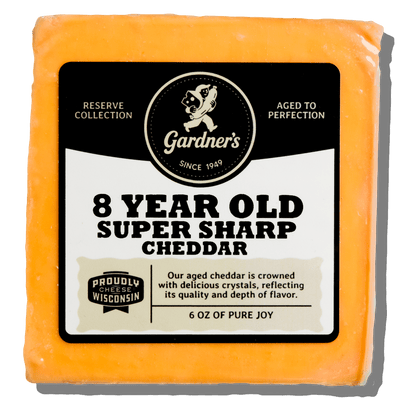
8-Year cheddar |
Neither one wins. They are different tools for different cravings. Some nights you want the gentle squeak of a fresh curd, and some nights you want a 17-Year Super-Sharp Cheddar that tastes like a quiet flex. A well-stocked fridge has both.
The Squeakiest Fresh Cheese of All: Cheese Curds
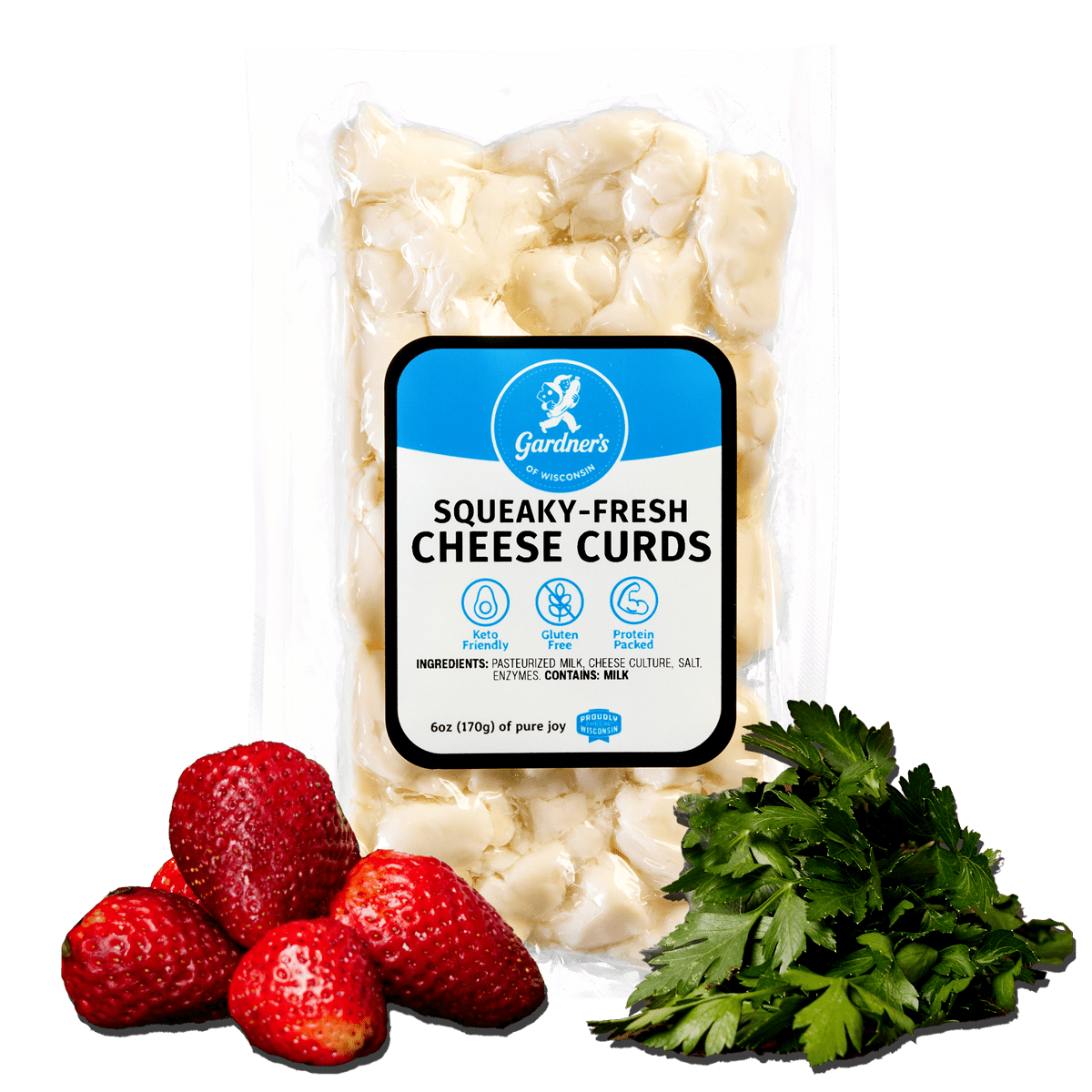
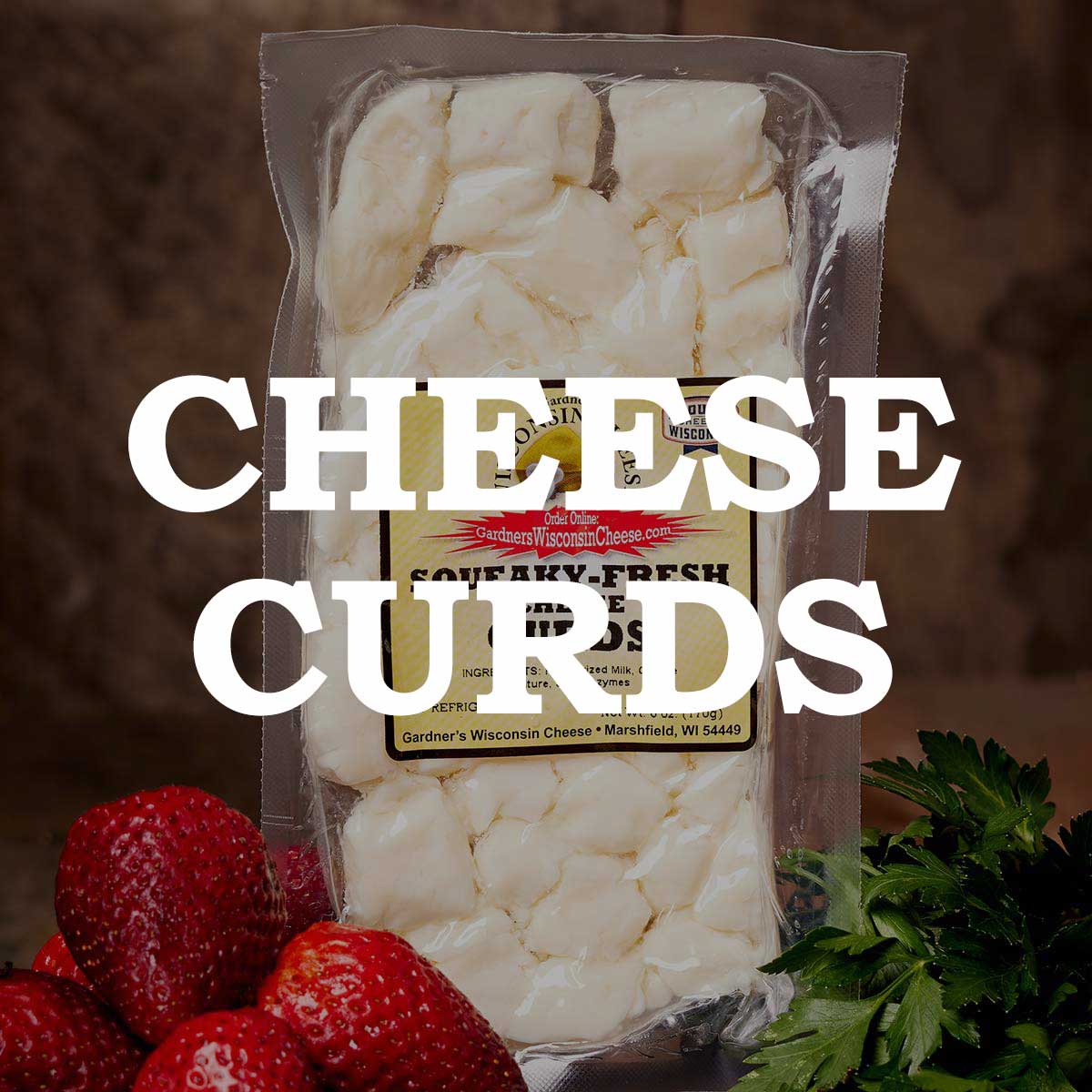
If fresh cheese had a mascot, it would be the cheese curd. Curds are young cheddar plucked out at the curd stage, before they get pressed into a block or aged into sharpness. That is why they are springy, milky, and just a little squeaky against your teeth.
The squeak is the freshness telling on itself. When a curd is extremely fresh, its protein structure is still tight enough to squeak when you bite it. After a day or two, those proteins relax & the squeak fades. That short window is exactly why ordering curds fresh from the source beats grabbing a tired bag off a shelf that has been sitting for who knows how long. Our Cheese Curds are made fresh & shipped cold-packed so they show up still singing. Want the science of the squeak? Our history of cheese curds post has the whole story.
Other fresh-leaning favorites in our case include our Mozzarella String Cheese, a fresh, mild snack the whole family demolishes. Pull a curd, add a drizzle of Hot Honey Drizzle, and you have proof that simple & fresh beats complicated almost every time.
Fun Ways to Eat Fresh Cheese

Fresh cheese is endlessly snackable, but it is also a great cooking partner when you use it right. Because it is mild, it lets other flavors shine instead of stealing the show, & because it is springy, it brings a satisfying texture to a plate. The one rule is to enjoy it young, while that milky flavor & soft bite are at their peak.
Curds three ways
Eat them straight from the bag for the purest squeak, scatter them over a salad or a bowl of chili for cool, milky pockets of cheese, or batter & fry them into the crispy appetizer that made Wisconsin famous. Our deep-fried cheese curds recipe is the gateway, & it is dangerously easy. Feeling adventurous? Our Garlic & Dill Cheese Curds bring a punch of flavor to any of those uses.
Beyond the curd
Fresh Mozzarella String Cheese melts beautifully onto warm flatbread or toast & is the easy answer when the kids descend on the kitchen at snack time. A drizzle of Hot Honey Drizzle over fresh mozzarella or curds adds a sweet-spicy kick that turns a simple bite into something memorable. Fresh cheese rewards simplicity, so do not overthink it.
How to Keep Fresh Cheese, Well, Fresh

Because fresh cheese is high in moisture, it does not have the long runway aged cheese enjoys. Keep it cold, keep it sealed, and eat it on the sooner side. For cheese curds specifically, plan to eat or freeze them within two weeks. Curds are the rare cheese that actually freezes well, so stashing a bag is fair game.
Pro tip: if your curds lose a little squeak in the fridge, bring them back to room temperature or microwave them for about ten seconds. The warmth loosens things up & the squeak returns for an encore. For everything else storage-related, our cheese storage 101 guide covers it.
Frequently Asked Questions
What is considered a fresh cheese?
Fresh cheese is any cheese eaten young, without a long aging period. It is soft, high in moisture, mild in flavor, and meant to be enjoyed quickly. Cheese curds are a perfect example.
Are cheese curds a fresh cheese?
Yes, the freshest. Curds are young cheddar caught at the curd stage before pressing or aging, which is exactly why they squeak when they are fresh.
How long does fresh cheese last?
Much shorter than aged cheese, usually days to a couple of weeks. For our cheese curds, plan to eat or freeze them within two weeks for the best texture and squeak.
Why do fresh cheese curds squeak?
The squeak comes from a tight, fresh protein structure rubbing against your teeth. It fades within a day or two as the proteins relax, which is why freshness at the source matters so much.
Can you freeze fresh cheese?
Most fresh cheeses do not freeze well, but cheese curds are the happy exception. They freeze nicely, so you can stock up and thaw a bag whenever the craving hits.
Fresh Is a Feeling. Also a Cheese.
Fresh cheese is dairy at its most joyful: mild, milky, and best enjoyed while it is still young. The only rule is to get it fresh, which is the one thing a shelf at the grocery store cannot promise.
Start with our squeaky Cheese Curds, made fresh & shipped straight from central Wisconsin, and browse the full cheese curds collection for every flavor we are running right now. Spoiler: they arrive squeaky.