











· By Daylon Gardner
The Best Cheese for Mac & Cheese: A Wisconsin Guide to the Creamiest Bowl
Great mac & cheese is not about one perfect cheese. It is about the right team.
The bowl of your dreams needs a cheese that brings bold flavor & a cheese that brings silky melt, working together so you get both. Pick wrong & you end up with a greasy, grainy, or bland pot of sadness. Here is the cheesemaker's guide to building the creamiest, most flavorful mac & cheese, & the Wisconsin cheeses that get you there.
Cheesy Takeaways
-
The best mac & cheese uses a blend, not a single cheese.
-
Pair a bold cheese for flavor with a smooth melter for creaminess.
-
Aged gouda is the secret weapon that melts silky & tastes nutty.
-
Always shred your own cheese, since pre-shredded melts grainy.
-
Build a proper cheese sauce & add the cheese off the heat for the smoothest results.
The Golden Rule: Blend for Flavor Plus Melt
Here is the single most important mac & cheese lesson. No one cheese does everything. Sharp aged cheddar brings incredible flavor but can turn oily on its own. A mild melter like jack or young gouda goes silky smooth but tastes flat by itself. The answer is to blend them, so one cheese carries the flavor & the other carries the creaminess.
A good working formula is roughly two-thirds flavor cheese to one-third melty cheese, adjusted to taste. Nail that balance & you get a sauce that is rich, gooey, & full of real cheese flavor instead of the flat orange goo that comes from a box.
The Cheeses That Belong in Your Mac
For flavor: aged cheddar
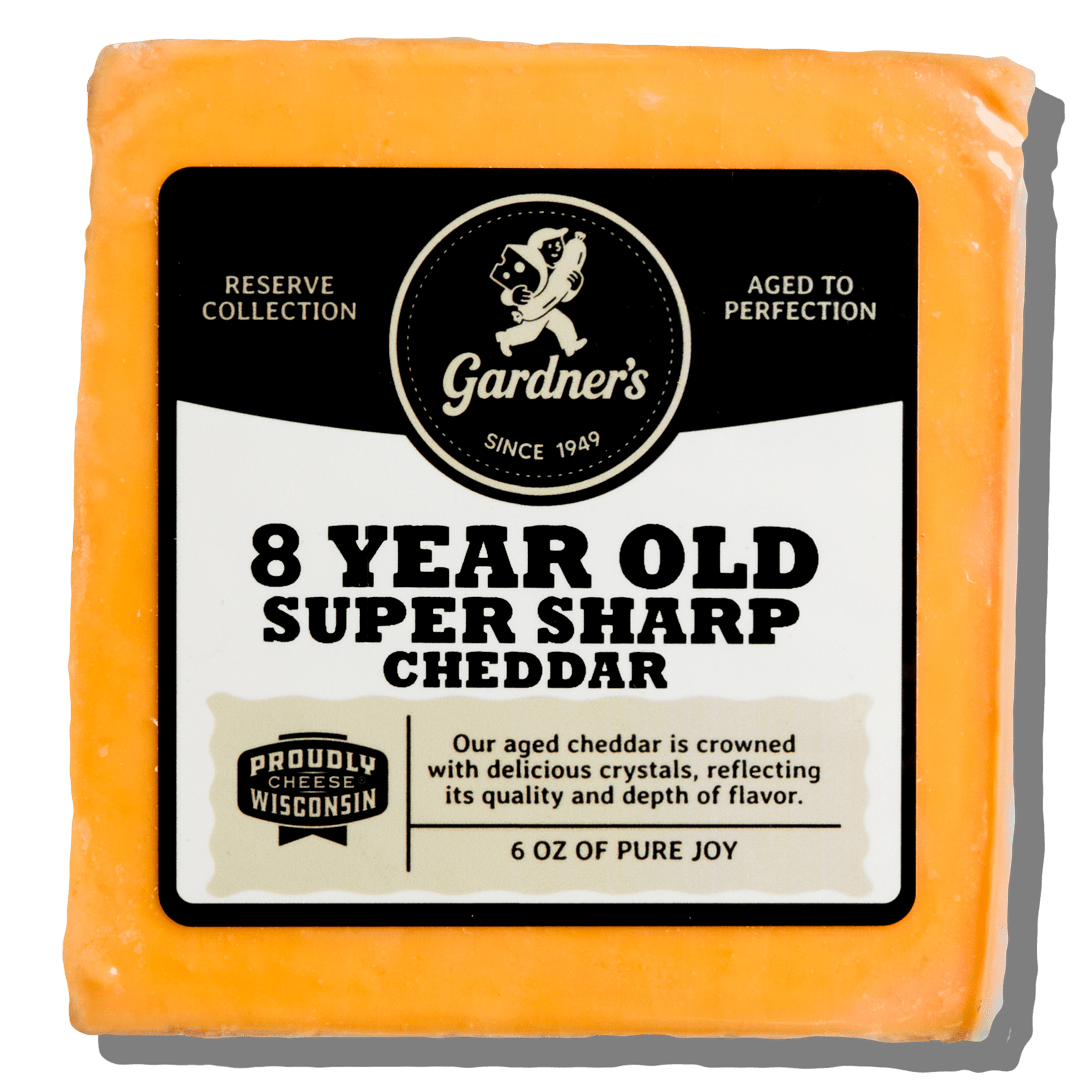
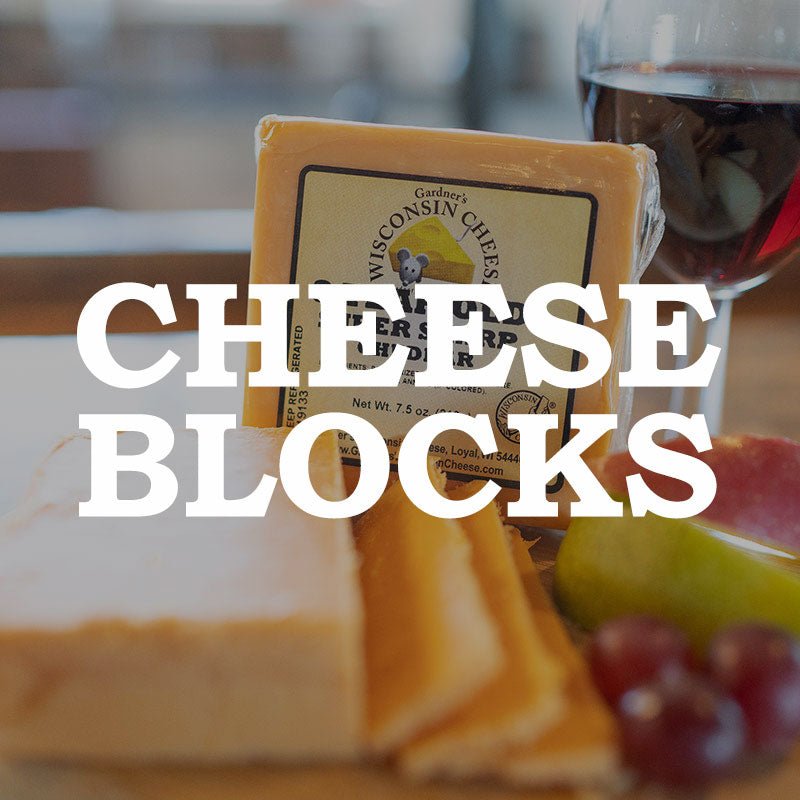
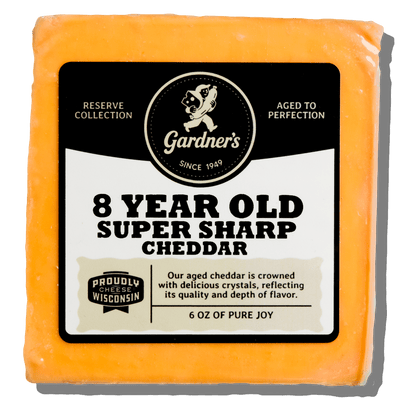
Sharp aged cheddar is the backbone of classic mac & cheese. It brings that tangy, savory punch everyone expects. Our 8-Year Super-Sharp Cheddar delivers bold flavor in a small amount, or reach for our everyday Dry Aged Cheddar, which is smooth, versatile, & made for melting into sauces.
For creaminess: aged gouda
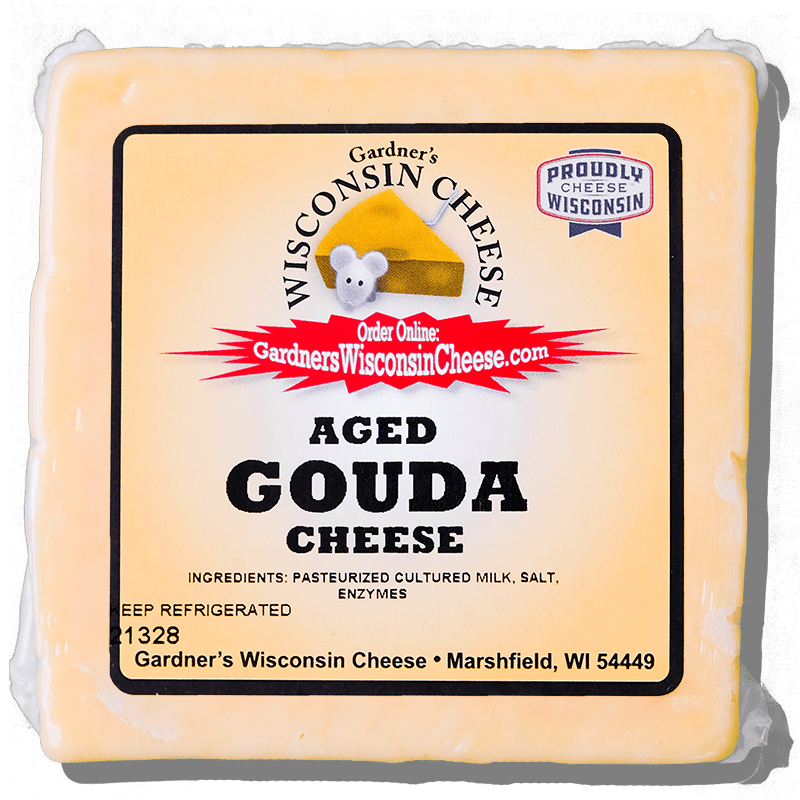
This is the secret weapon. Our Aged Gouda melts exceptionally smooth & adds a nutty, caramel-sweet depth that takes mac & cheese somewhere special. It is the upgrade nobody expects. Our bacon & gouda mac and cheese recipe puts it front & center.
For extra gooey melt: a jack
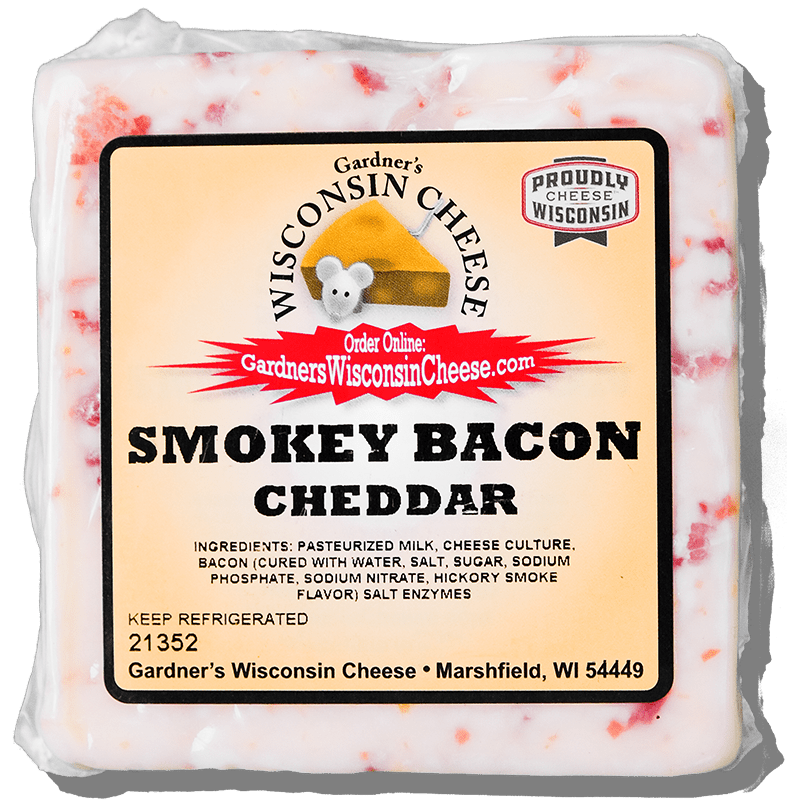
A mild jack cheese like our Blue Marble Jack or Onion & Garlic Jack adds stretch & silkiness without competing with the cheddar. And for a smoky twist, a little Smokey Bacon Cheddar shredded into the mix brings built-in bacon depth.
The Perfect Mac & Cheese Blend
If you want a plug-and-play starting point, here is a blend that hits flavor & melt in one bowl.
|
Cheese |
Role in the Bowl |
|---|---|
|
8-Year Super-Sharp Cheddar |
The flavor anchor, tangy & bold |
|
Aged Gouda |
Smooth melt plus nutty sweetness |
|
Blue Marble Jack |
Extra stretch & gooey texture |
|
Aged Parmesan (on top) |
Salty, crispy baked crust |
Grate everything fresh, build your sauce, & finish with a layer of grated Aged Parmesan on top before baking for a golden, savory crust. That combination is hard to beat.
Cheeses to Use Carefully (& What to Avoid)
Not every cheese belongs in mac. Very old, crumbly cheddars like our 17-Year Super-Sharp Cheddar taste amazing but can break or go grainy if used alone, so treat them as a flavor accent inside a blend rather than the whole sauce. Extremely dry, hard cheeses like parmesan are best as a topping, not the base.
The bigger thing to avoid: pre-shredded bagged cheese. It is coated in anti-caking starch that keeps the shreds from clumping, which also keeps them from melting smoothly, leaving your sauce grainy. Buy blocks, shred them yourself, & your mac will thank you. For a fun twist on the format, our mac n cheese bites recipe turns leftovers into crispy party food.
Stovetop vs Baked: Which Mac Wins?
Once you have your cheese blend, there is one more fork in the road: stovetop or baked. Both make great mac & cheese, they just deliver different things. Stovetop mac is ultra-creamy, saucy, & fast, & it is at its silkiest the moment it comes off the heat. Baked mac trades a little of that creaminess for a firmer texture & a golden, bubbly crust, & it holds up beautifully for a crowd or a potluck. Neither is wrong. It just depends on the moment.
For stovetop, lean into your smoothest melters like Aged Gouda & a mild jack, & serve it right away, since any cheese sauce firms up as it cools. For baked mac, build your sauce a touch looser than you think you need, because it tightens in the oven, then top it with grated Aged Parmesan or buttered breadcrumbs & bake until golden & bubbling.
The pasta matters too
Do not overlook the noodle. Ridged & curly shapes like cavatappi, shells, & elbows grab & hold sauce far better than smooth ones, so every bite comes loaded. Cook the pasta just to al dente, since it keeps cooking in the hot sauce, & save a splash of starchy pasta water to loosen things if the sauce tightens up. Small moves, big difference in the final bowl.
Pro Tips for the Silkiest Sauce

-
Start with a roux. Melt butter, whisk in flour, & cook it a minute before adding milk. This is your creamy base.
-
Warm the milk in gradually & whisk until the sauce thickens & coats a spoon.
-
Pull the pot off the heat before adding cheese. High direct heat is what makes cheese sauce break & turn oily.
-
Add cheese in handfuls, stirring until each melts before adding more.
-
Season at the end. Aged cheeses are salty, so taste before you add more.
-
For baked mac, top with grated parmesan & broil until golden.
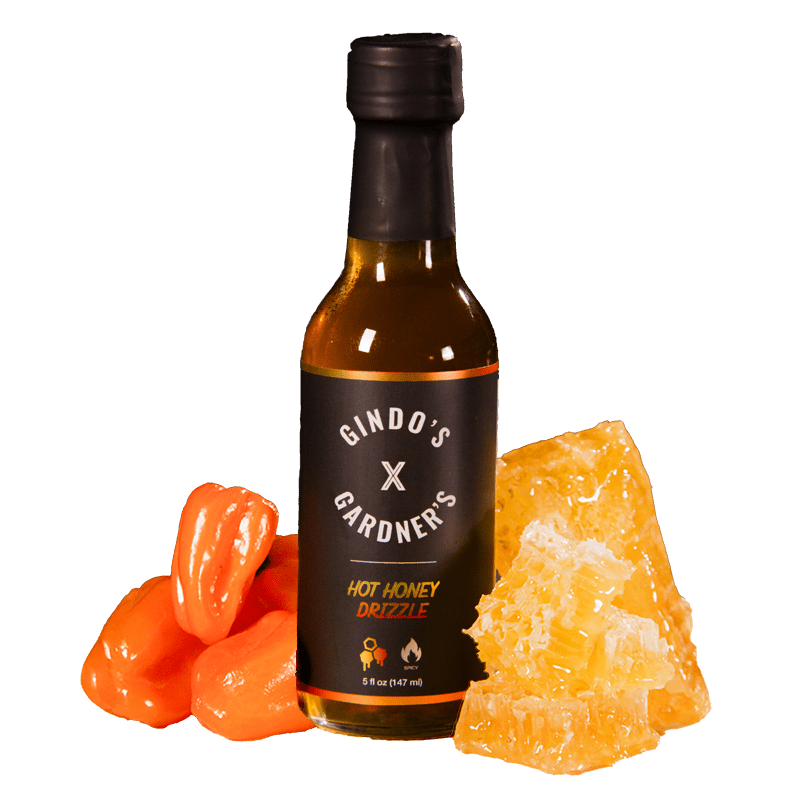
Do those six things & you will get a sauce that is glossy, smooth, & loaded with real cheese flavor. Finish a bowl with a drizzle of our Hot Honey Drizzle for a sweet-heat contrast that sounds strange & tastes incredible.
Frequently Asked Questions
What is the best cheese for mac & cheese?
The best mac uses a blend: a sharp aged cheddar for flavor plus a smooth melter like aged gouda or a mild jack for creaminess. That combination gives you bold taste & a silky sauce at once.
Can you use gouda in mac & cheese?
Absolutely, & you should. Aged gouda melts beautifully & adds a nutty, caramel-sweet depth. It is one of the best secret-weapon cheeses for mac & cheese.
Why is my mac & cheese grainy?
Usually two culprits: pre-shredded cheese (the anti-caking starch prevents a smooth melt) or too much direct heat (which breaks the sauce). Shred your own cheese & add it off the heat.
What cheese makes mac & cheese creamy?
Smooth, higher-moisture melters like aged gouda, mild jack, or younger cheddar create creaminess. Pair one of those with a sharp cheddar so you get creamy texture & bold flavor together.
Should I use white or yellow cheddar for mac & cheese?
It is purely about the look you want. A yellow cheddar gives that classic golden color, while a natural white cheddar looks more elegant. The flavor & melt come from the age of the cheese, not the color.
Build a Bowl Worth Bragging About

The best mac & cheese is a team effort: one cheese for flavor, one for melt, shredded fresh & folded into a proper sauce. Do that & boxed mac becomes a distant memory.
Start your blend with our 8-Year Super-Sharp Cheddar & our secret-weapon Aged Gouda, add a jar of Hot Honey Drizzle for the finishing move, & browse our aged cheeses to stock the fridge for mac night.