















Cheese Storage & Shelf Life Guide
How to Store Cheese & How Long It Really Lasts
Where it goes in the fridge, how to wrap it, how long each type keeps, what freezes & what to do about mold. Straight from a family that has been aging cheese in central Wisconsin for decades.

About 1 YearUnopened Gardner's blocks, sealed in the fridge
About 1 MonthOnce opened, depending on how it's wrapped
2 WeeksEat or freeze fresh cheese curds
About 10 MonthsSummer sausage from receipt, no fridge until opened
The Short Answer
How Do You Store Cheese?
Keep it cold, keep it wrapped, & keep it out of the door. Store cheese at 34 to 38°F in the cheese or crisper drawer, leave it sealed in its original packaging until you need it, & once it's open, wrap it in parchment or cheese paper with a loose outer layer of plastic or foil.
That's most of it. The rest depends on the cheese: aged, hard cheese is forgiving & lasts for months, fresh cheese wants to be eaten within days, & cheese curds are the one cheese we actually recommend freezing.
Below is the whole system, with a shelf-life chart by type. For the step-by-step version, see the best way to store cheese in the fridge, & for the habits that stop waste before it starts, how to keep cheese from going bad.
Key Takeaways
- Unopened Gardner's block cheese keeps about a year in the fridge. Our aged cheddars keep getting better.
- Once opened, most cheese stays good about a month if it's wrapped well. Fresh cheese, days.
- Wrap in paper first, then loosely in plastic or foil. Plastic wrap alone traps moisture & invites mold.
- Don't freeze block cheese. Do freeze cheese curds if you can't eat them within two weeks.
- Mold on hard cheese: cut an inch around & below it. Mold on soft cheese: toss it.


How to Store It
How to Store Cheese in the Fridge, Step by Step
Air, moisture & temperature swings are what spoil cheese. Every step here fights one of the three.
1
Leave it sealed until you need it
Our cheese is vacuum-sealed for a reason. Unopened, a Gardner's block keeps about a year in the fridge, & our aged cheddars keep improving. Don't open three blocks when you'll eat one.
2
Cut only what you'll eat
Every cut face is surface area for air & mold. Slice from one end & leave the rest of the block whole.
3
Wrap it in paper first
Parchment, wax or cheese paper lets cheese breathe without drying out. Plastic wrap pressed straight onto cheese traps moisture & can leave a plastic taste.
4
Add a loose outer layer
Slide the wrapped cheese into a loosely sealed bag, a lidded container or a layer of foil. That keeps fridge odors out & moisture in.
5
Use the drawer, not the door
The cheese or crisper drawer stays cold & a little humid. The door swings warm every time it opens. Aim for 34 to 38°F.
6
Rewrap with fresh paper
After each use, rewrap in clean paper. Damp, reused wrap is where surface mold starts.
01
Hard & aged
Cheddar, parmesanThe most forgiving. Paper, then a loose bag, in the drawer. Aged cheddar & parmesan have so little moisture & lactose left that they keep for months once opened.
02
Semi-hard & flavored
Jacks, gouda, swissPaper plus a loosely sealed bag, checked every few days. These hold a little more moisture, so they need more airflow & a fresh wrap.
03
Fresh & curds
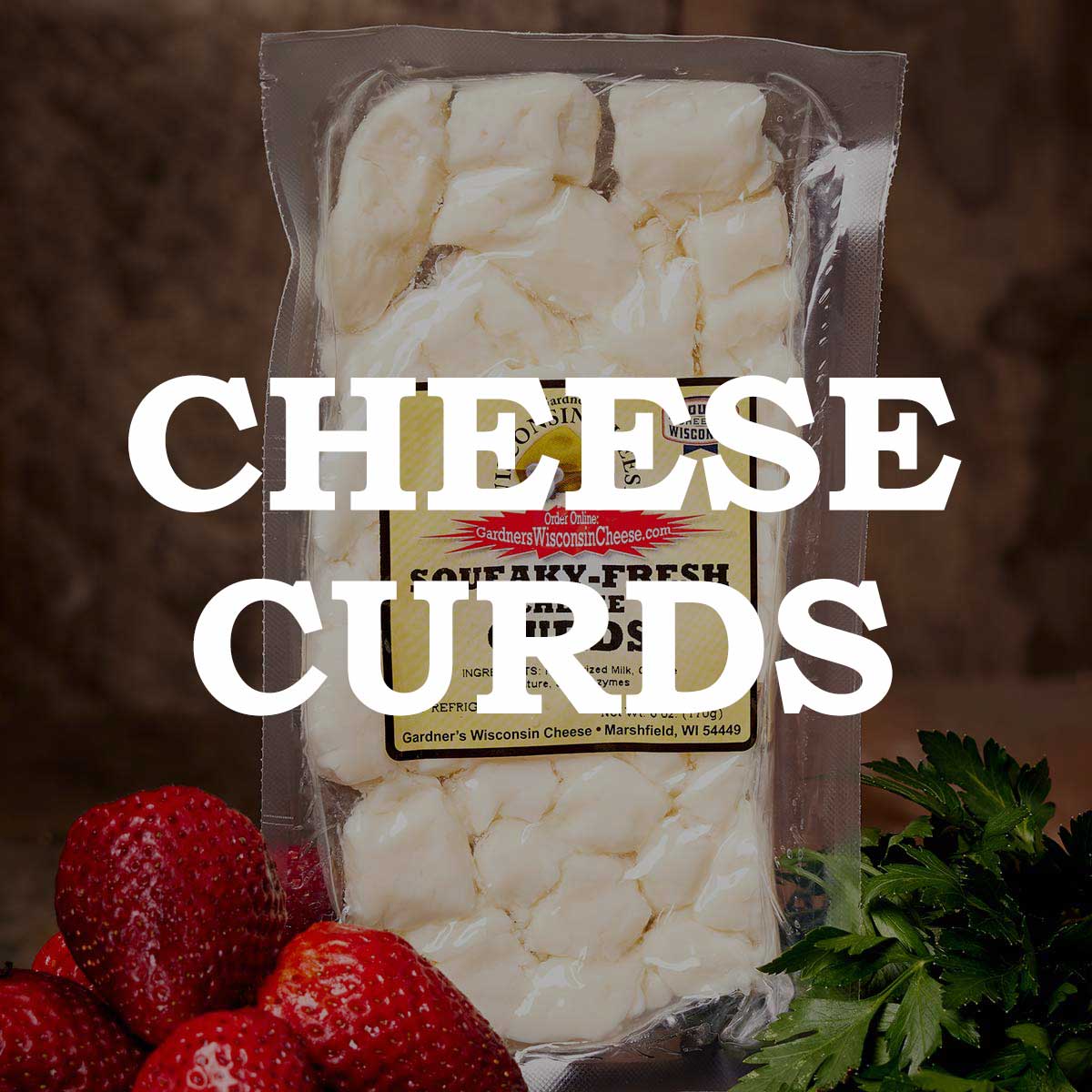
Curds, mozzarellaKeep fresh cheese sealed & cold, & eat it fast. Curds taste best in the first days; see how to store cheese curds to keep the squeak, or freeze them within two weeks.
The Shelf-Life Chart
How Long Does Cheese Last? By Type
Refrigerated at 34 to 38°F & wrapped the way it's described above. Gardner's rows come from our own FAQ; the rest are general guidelines for each style of cheese.
| Cheese | Unopened, in the fridge | Opened, in the fridge | Freezer | The full answer |
|---|---|---|---|---|
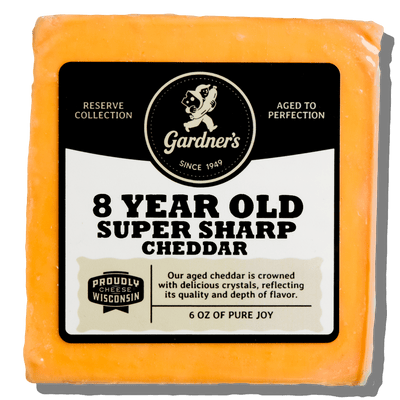
| Gardner's aged cheddars (8, 13, 17 & 20-year) | Keeps indefinitely & gets better | About 1 month, wrapped well | Not recommended | how long does cheese last |
| Gardner's block cheese (jacks, gouda, flavored cheddars) | About 1 year, sealed | About 1 month, wrapped well | Not recommended | how long does cheese last after opening |
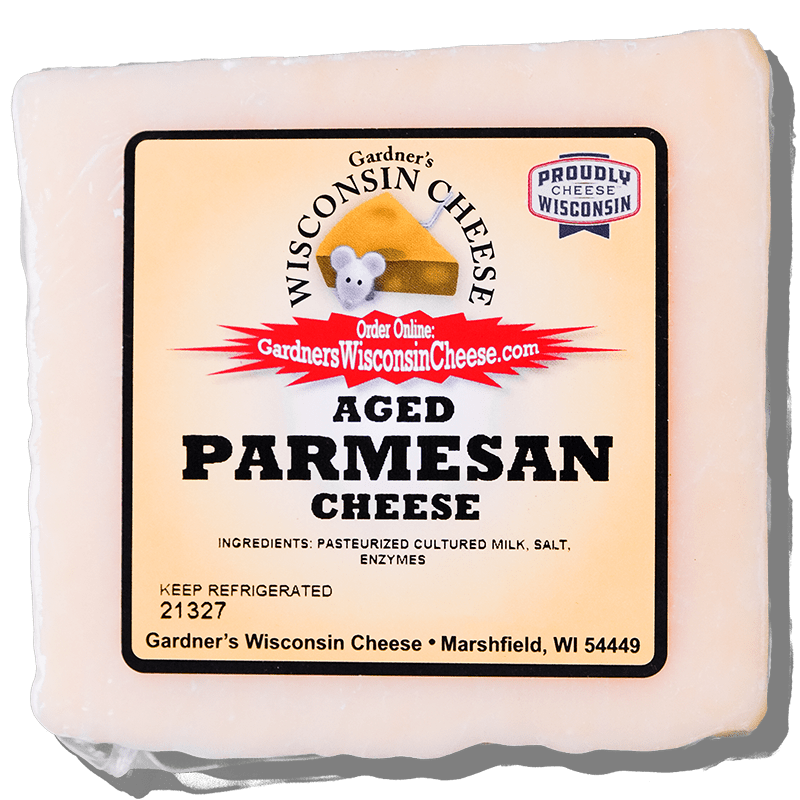
| Parmesan, hard block | 7 to 9 months or longer | 1 to 2 months | For cooking | how long does parmesan last in the fridge |
| Cheese curds | Eat or freeze within 2 weeks | Best within a few days | Yes, freezes well | how long do cheese curds really last |
| Fresh mozzarella | 7 to 10 days | 2 to 3 days | Skip it | how long does fresh mozzarella last in the fridge |
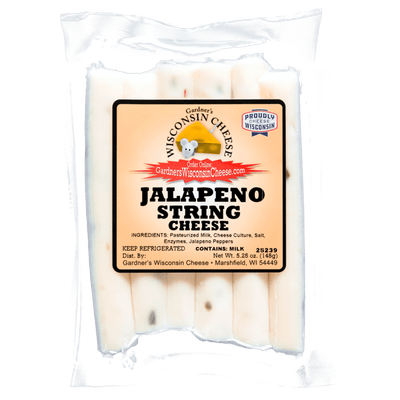
| Low-moisture mozzarella & string cheese | 3 to 4 weeks | About 2 weeks | For cooking | |
| Shredded cheese | 3 to 4 weeks | 5 to 7 days | 3 to 6 months, for cooking | shredded cheese in the freezer |
| Soft cheese (brie, cream cheese, ricotta) | Follow the date | 1 to 2 weeks | Skip it | |
| Summer sausage & meat sticks | About 10 months, no fridge needed | 3 to 4 weeks, refrigerated | 6 to 12 months | how long does summer sausage last in the fridge |
| Sliced salami | About 4 months, no fridge needed | Refrigerate after opening | No need |
"Indefinitely" means unopened & refrigerated: our aged cheddars keep developing flavor for years in the package. Once any cheese is opened, trust your senses over the calendar. Off smells, slime or mold on soft cheese mean it's done.
Why the wide ranges? Moisture. The drier & saltier the cheese, the longer it lasts. That's why a 13-year cheddar outlives a ball of fresh mozzarella by years, & why grating or shredding any cheese shortens its life: more surface, more air.
On the Counter
How Long Can Cheese Sit Out?
The food safety baseline for perishable food is 2 hours at room temperature, or 1 hour above 90°F. Soft & fresh cheese, including curds, should stick to it.
Aged, hard cheese is a different animal. Our all-natural hard & semi-hard cheeses don't technically need refrigeration for safety, which is why aged cheddar & parmesan can sit on a board for hours. We still recommend the fridge for flavor & texture.
Room temperature is also where cheese tastes best: pull hard cheese 45 to 60 minutes before serving. The details, cheese by cheese, are in how long can cheese sit out.
How long it can sit out
At room temperature, on a board. Halve it above 90°F.
Freezing
Can You Freeze Cheese?
In most cases, we don't recommend it. Ice crystals break down the texture, & it doesn't fully come back. The one cheese we tell people to freeze is cheese curds.
01
Freezes well
Curds & shreddedCheese curds freeze beautifully. Thaw, then warm to room temperature or microwave about 10 seconds to bring back the squeak. Shredded cheese keeps 3 to 6 months frozen for cooking.
02
Freezes, but changes
Blocks you will cook withHard & semi-hard blocks survive the freezer but come out crumbly. Fine for melting into mac & cheese, not for a cheese board. Our blocks keep a year in the fridge anyway.
03
Skip the freezer
Soft & freshFresh mozzarella, ricotta, cottage cheese, brie & cream cheese turn grainy or watery. Buy what you will use instead.
The full breakdown, including how to wrap & thaw, is in our guide that answers can I freeze cheese. Cooking ahead? Shredded cheese is the easiest cheese to freeze; the chart above has the timing.
Mold & Spoilage
Mold on Cheese: Cut It or Toss It?
One rule answers most mold questions: hard cheese is safe to trim, soft cheese is not. In dense, aged cheese the mold can't travel far, so cutting 1 inch around & below the spot removes it. In soft, wet cheese it spreads through the whole piece before you can see it.
Some mold is supposed to be there, like the veins in blue cheese & the rind on brie. Everything else follows the hard-or-soft rule. The cheese-by-cheese chart is in our guide to mold on cheese.
Not every strong smell is spoilage, either. Long-aged cheddar gets funky on purpose; here's why super sharp cheddar smells funky & when it's actually a problem.
Is It Still Good?
- Hard or aged cheese with a spot of mold: cut 1 inch around & below it, eat the rest.
- Soft or fresh cheese with any mold: throw the whole thing out.
- Slimy surface or sour, ammonia smell: it's done.
- White crunchy crystals on aged cheddar: that's calcium lactate, a sign of great aging. Not mold.
- Dry, hard edges: safe. Trim them or grate them into something hot.
- When in doubt: throw it out. No cheese is worth getting sick over.
Built to Last


Cheese & Sausage Worth Stocking Up On
Unopened in the fridge, our aged cheddars keep for years & keep getting sharper. Our meats don't need the fridge at all until you open them.
Stocking a whole cheese drawer? The Super Sharp Cheddar Package bundles the 8, 13 & 17-year cheddars with our Dry Aged Cheddar, & the aged cheese collection has every long-keeping block we make.
Keep Reading Cheese Storage 101: Best Way to Store Your CheeseRead
 Don't Let Your Delicious Cheese Go Bad! Master the Art of Perfect Storage TodayRead
 How to Store Cheese Curds and Keep That Squeak AliveRead
 How Long Does Block Cheese Last?Read
 How Long Does Cheese Last After Opening? A Shelf Life Guide by TypeRead
 How Long Does Parmesan Cheese Last? The Fridge, Freezer & Pantry Guide from a Wisconsin CheesemakerRead
 How Long Does Mozzarella Last? Fresh, Shredded, and Block, ExplainedRead
 How Long Do Cheese Curds Really Last?Read
 How Long Does Summer Sausage Last? Storage, Shelf Life & Freezing ExplainedRead
 How Long Can Cheese Sit Out? The Room-Temperature Rules Every Cheese Lover Should KnowRead
The Cheese Storage Library
Every storage & shelf-life post we've written, in one place. Scroll each row sideways.
How to Store It Wrap, drawer, curds
Cheese Storage 101: Best Way to Store Your CheeseReadDon't Let Your Delicious Cheese Go Bad! Master the Art of Perfect Storage TodayReadHow to Store Cheese Curds and Keep That Squeak AliveReadHow Long It Lasts By cheese
How Long Does Block Cheese Last?ReadHow Long Does Cheese Last After Opening? A Shelf Life Guide by TypeReadHow Long Does Parmesan Cheese Last? The Fridge, Freezer & Pantry Guide from a Wisconsin CheesemakerReadHow Long Does Mozzarella Last? Fresh, Shredded, and Block, ExplainedReadHow Long Do Cheese Curds Really Last?ReadHow Long Does Summer Sausage Last? Storage, Shelf Life & Freezing ExplainedReadHow Long Can Cheese Sit Out? The Room-Temperature Rules Every Cheese Lover Should KnowReadFreezing & Mold Save it or toss it


Cheese Storage FAQ
Your Questions, Answered
The storage questions we hear most, answered by the people who make & age the cheese.
What is the best way to store cheese?
Keep it sealed until you need it, then wrap the cut cheese in parchment, wax or cheese paper with a loose outer layer of plastic or foil. Store it in the cheese or crisper drawer at 34 to 38°F, not in the door.
How long does cheese last in the fridge?
Unopened Gardner's block cheese lasts about a year in the fridge, & our aged cheddars keep for years. Once opened, most cheese stays good about a month if it's wrapped well. Fresh cheese like mozzarella lasts days.
How long does cheese last after opening?
About a month for most block cheese, wrapped well. Very hard cheese like parmesan can go 1 to 2 months, soft cheese 1 to 2 weeks, & fresh mozzarella 2 to 3 days.
Does cheese go bad?
Yes, but hard aged cheese goes bad slowly. Signs it's done: mold on soft cheese, a slimy surface, or a sour or ammonia smell. Mold on hard cheese can be trimmed off.
Should you wrap cheese in plastic wrap?
Not by itself. Plastic pressed directly on cheese traps moisture, which speeds up mold. Wrap in paper first, then use plastic, foil or a container as the outer layer.
Can you freeze cheese?
We don't recommend freezing block cheese; the texture turns crumbly. Cheese curds are the exception & freeze well. Shredded cheese can be frozen for cooking for 3 to 6 months.
How long can cheese sit out?
About 2 hours for soft & fresh cheese, including curds, or 1 hour above 90°F. Hard aged cheese like aged cheddar or parmesan holds up for 4 hours or more.
Is it safe to cut mold off cheese?
On hard cheese, yes: cut at least 1 inch around & below the mold. On soft or fresh cheese, throw the whole piece out.
How long do cheese curds last?
Eat them or freeze them within two weeks. They squeak most in the first day or two; to bring the squeak back, warm them to room temperature or microwave about 10 seconds.
Does summer sausage need to be refrigerated?
Not until it's opened. Our summer sausage & meat sticks are shelf-stable for about 10 months from receipt. Once opened, refrigerate & finish within 3 to 4 weeks.
Keep Exploring
More Guides from Gardner's
Sharp Cheddar Cheese GuideMild to 20-year: what changes as cheddar ages.Read the guideWhat Are Cheese Curds?How curds are made, why they squeak & how to eat them.Read the guideTypes of CheeseCheese families, the cheeses worth knowing & a swap chart.Read the guideHow to Make a Charcuterie BoardThe board formula, amounts by guest count & seasonal ideas.Read the guide
Cheese That's Built to Last
Family-owned in central Wisconsin. Cheddars aged for up to 20 years, curds made the morning they ship, & summer sausage that doesn't need the fridge. Stock up with confidence.
Free cold-pack shipping on orders $69+ to all 50 states