












Types of Cheese Guide
Types of Cheese: A Wisconsin Cheesemaker's Field Guide
Fresh, soft, semi-hard, hard, stretched & flavored. How each family tastes, melts & keeps, the cheeses worth knowing by name, & what to use when you run out.

6 FamiliesFresh, soft, semi-hard, hard, stretched & flavored
600+ VarietiesMade in Wisconsin alone
Days to 20 YearsFrom fresh curds to our oldest cheddar
1 Big FactorMoisture, which aging slowly removes
The Short Answer
How Many Types of Cheese Are There?
Hundreds. Wisconsin alone makes more than 600 varieties. But almost every cheese falls into a handful of families, & the thing that sorts them is moisture: how much water stays in the cheese, which mostly comes down to how long it ages.
Fresh cheese is eaten within days & stays soft & milky. Semi-hard cheese ages a few months & melts beautifully. Hard cheese ages for many months or years, loses most of its moisture & gains bold flavor & a long shelf life. Stretched cheeses like mozzarella get their pull from heat, & flavored & smoked cheeses build on any of the above.
Start with the two ends of the scale: what are non-aged cheeses on one side & hard cheese on the other. In between are the aged cheeses worth keeping on hand.
Key Takeaways
- Cheese families are sorted by moisture & age: fresh, soft, semi-hard, hard, stretched, flavored & smoked.
- Younger, moister cheese melts better. Older, drier cheese tastes bolder & lasts longer.
- Most swaps work within a family: jack for colby, aged cheddar for parmesan, swiss for gruyere.
- Wisconsin makes more than a quarter of America's cheese & is the only state that licenses its cheesemakers.
- Gardner's covers the whole range, from curds made the morning they ship to cheddar aged 20 years.


The Types of Cheese, at a Glance
A Types of Cheese List, by Family
Aging times are typical ranges; every cheesemaker does it a little differently.
| Family | Age & moisture | Texture | Examples | Gardner's pick |
|---|---|---|---|---|
| Fresh | Days to a few weeks; very moist | Soft, milky, mild | Cheese curds, ricotta, cream cheese, cottage cheese | Cheese Curds |
| Soft | Weeks; moist, often rinded | Creamy, spreadable | Brie, camembert | |
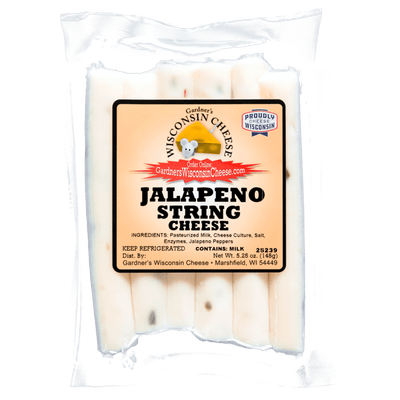
| Stretched | Fresh to a few months | Stretchy, melty | Mozzarella, string cheese, provolone | String Cheese Whips |
| Semi-hard | 2 to 5 months | Smooth, sliceable, great melters | Monterey Jack, colby, young gouda, swiss, havarti | Garlic & Herb Jack |
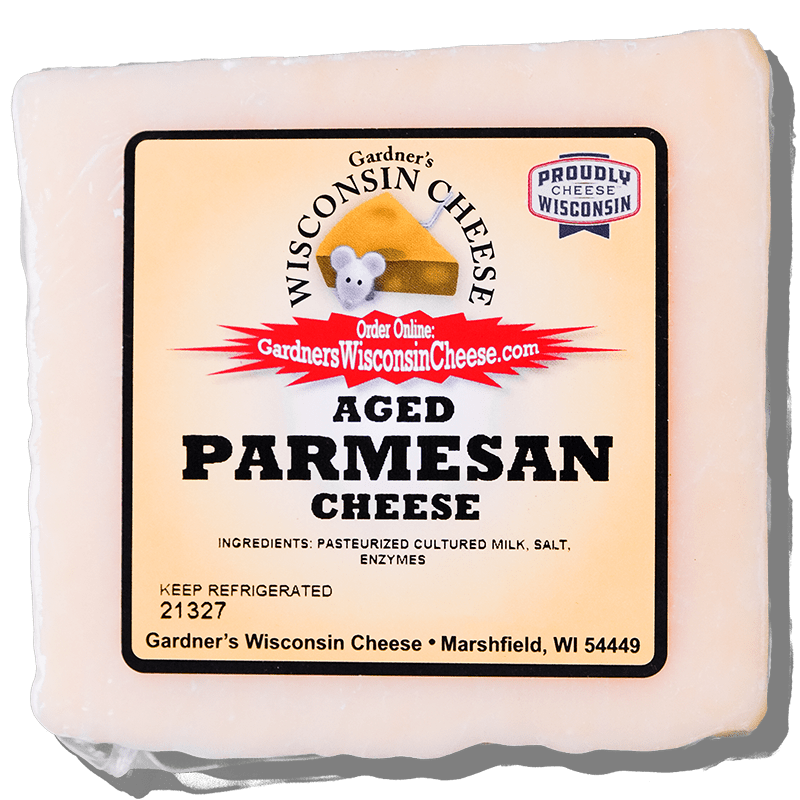
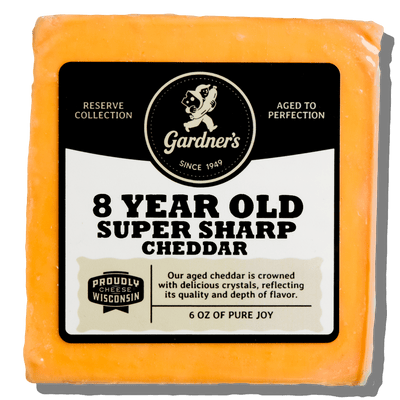
| Hard & aged | 9 months to 20 years | Firm to crumbly, crystalline | Aged cheddar, aged gouda, parmesan, gruyere | 8-Year Cheddar, Aged Parmesan |
| Flavored & smoked | Any age | Depends on the base | Pepper jack, horseradish cheddar, smoked swiss | Smokin' Hot Pepper Jack |
Fresh cheese skips aging entirely, which is why it stays white, mild & short-lived. Our guide to what is fresh cheese covers how it's made & how to use it.
Where cheddar lands surprises people: young cheddar is semi-hard, long-aged cheddar is hard. Here's is cheddar cheese a hard cheese & why the answer changes with age.
Meet the Cheeses


The Cheeses Worth Knowing by Name
Texture, melt, best use & what to swap in, for the cheeses we get asked about most.
Gouda
Semi-hard to hardYoung gouda is mild & buttery; aged gouda turns nutty & caramel-sweet with crunchy crystals. Learn the basics of gouda cheese, why aged gouda belongs on a board, & is gouda an aged cheese.
Ours: Gardner's Aged Gouda, aged 9 to 18 months. Some call it caramel-sweet aged gouda.
Monterey Jack
Semi-hardMild, buttery & the smoothest melter in the case. The base for pepper jack & colby jack. More on Monterey Jack cheese.
Ours: Garlic & Herb Jack adds herbs & zesty garlic to the classic.
Colby Jack
Semi-hardMild colby & creamy jack swirled into one marbled block. Kid-friendly, great in quesadillas, & a soft landing on a board full of sharp cheese. All about colby jack cheese.
Pepper Jack
Semi-hard, flavoredMonterey Jack with peppers mixed in. Melts like jack, finishes with heat. Here's pepper jack cheese & what to do with it.
Ours: Smokin' Hot Pepper Jack, with habanero & jalapeno.
Gruyere & Swiss
Hard & semi-hardAlpine-style cheeses: nutty, slightly sweet & glossy when melted. The full guide to gruyere cheese, plus why swiss cheese has holes (spoiler: bacteria & a little hay dust).
Ours: Holey-Smoked Swiss & Cheddar, hickory smoked.
Cheddar & Parmesan
Hard & agedThe bold, long-keeping end of the scale. Cheddar runs from mild to our 20-year; parmesan is dense, granular & made for grating.
Ours: the 8-Year Super-Sharp Cheddar & Aged Parmesan.
Mozzarella & String Cheese
StretchedFresh mozzarella is soft & wet; low-moisture mozzarella is the pizza melter & the base for string cheese. See cheese whips, our favorite flavored string cheese whips, & smoked string cheese.
Buffalo Wing Cheese
Semi-hard, flavoredOur best seller: creamy Monterey Jack blended with a mild buffalo sauce. Not spicy, great on burgers & in chili. Here's a Wisconsin take on wing night.
Shop Buffalo Wing Cheese.
Cheese Curds
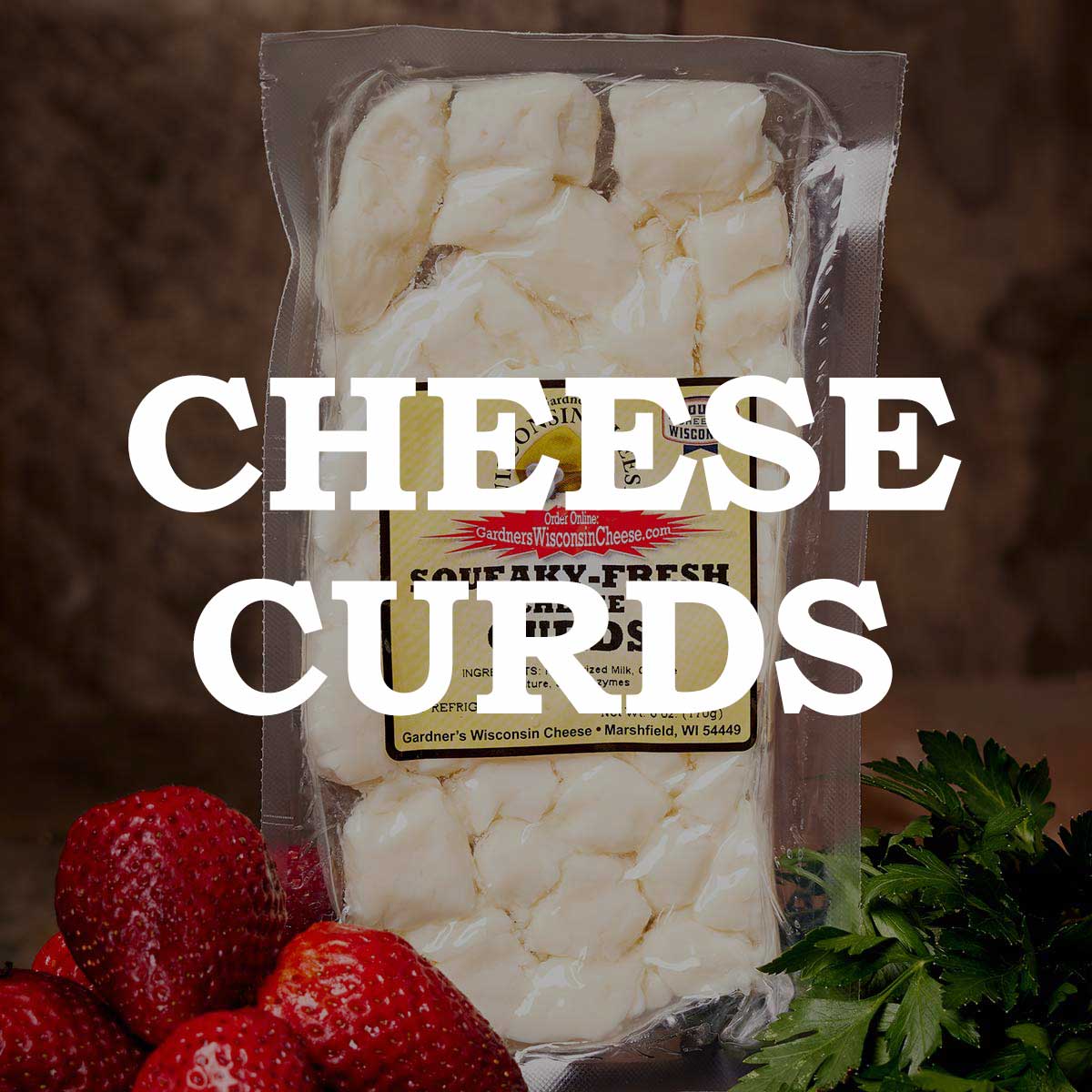
FreshFresh cheddar caught before it's pressed & aged. Mild, milky & squeaky when they're fresh. Ours are made the morning they ship.
Shop Cheese Curds.
The Swap Chart
Cheese Substitutes: What to Use When You're Out
The rule: match the job (melting, grating, slicing, snacking) before you match the flavor. Most swaps work 1:1 within the same family.

| Out of | Reach for | Why it works | The full list |
|---|---|---|---|
| Gruyere | Swiss or emmental, aged gouda, or our Holey-Smoked Swiss & Cheddar | Same nutty flavor & clean melt | gruyere substitutes |
| Parmesan | Aged cheddar (1:1), pecorino romano, grana padano | Hard, aged & salty: it grates the same | ran out of parmesan |
| Monterey Jack | Colby, muenster or mild cheddar (1:1) | Same mild flavor & easy melt | what to use instead of Monterey Jack |
| Provolone | Low-moisture mozzarella, muenster; smoked swiss for smoked provolone | Same family, same thin-slice melt | out of provolone |
| Mozzarella | Provolone for pizza, burrata for caprese, cheese curds for snacking | Match the job, not the name | out of mozzarella |
Our favorite swap on the chart: aged cheddar for parmesan. An 8-year block grates almost the same, tastes bolder & keeps for years unopened in the fridge.
Wisconsin & Artisan Cheese
Why Wisconsin Cheese Is Different
Wisconsin makes more than a quarter of the cheese in the U.S. & more than 600 varieties, & it's the only state that requires cheesemakers to be licensed. That history, & the immigrant cheesemakers who built it, is the story behind why is Wisconsin known for cheese.
A lot of the best of it is artisan cheese: small-batch, made by hand with traditional methods & aged with patience rather than additives. If you're new to the idea, start with what exactly is artisan cheese, then how to identify artisan cheese at the counter. For the case for small batches, see is artisan cheese better, why is artisan cheese special & why artisan cheese is so good.
Curious about the craft? The art of cheesemaking & our guide to traditional cheesemaking walk through the process, & yes, plenty of it comes from cow's milk: here's artisan cheese from cow's milk, explained.
Visiting Wisconsin?
- Our picks for the best Wisconsin cheese stores to visit.
- A guide to where to find artisan cheese in Wisconsin.
- What makes the best cheese in Wisconsin worth the drive.
- And for dinner after: what is a Wisconsin supper club, explained.
- Can't make the trip? Every Gardner's cheese ships cold-packed from central Wisconsin.
Taste the Range


A Gardner's Cheese From Every Family
Build a tasting flight across the scale: one fresh, one semi-hard, one smoked & one long-aged.
Want the whole spread? The Charcuterie Essentials Bundle puts our best-selling cheeses in one box, & the specialty cheese collection has every block we make.
Keep Reading What Are Non-Aged Cheeses? Fresh Cheese ExplainedRead
 What Is Fresh Cheese? A Guide to Cheese Before It Grows UpRead
 Hard Cheese 101: What Counts, Why It Lasts, & Which Ones to StockRead
 Is Cheddar a Hard Cheese? Understanding Its Texture (The Gardner's Way)Read
 Top Aged Cheeses You'll Love: A Gardner's Guide to Flavor, Time, and Cheese WizardryRead
 What Is Gouda Cheese? A Flavor, History & Pairing Guide from WisconsinRead
 Aged Gouda: Flavor, Pairings & Why This Dutch Classic Deserves a Spot on Your BoardRead
 Aged Gouda: The Caramel-Sweet Cheese You Are Probably Sleeping OnRead
 Aged Gouda: The Wisconsin Cheese That Tastes Like Caramel & Crystallized TimeRead
 What Is Monterey Jack Cheese? The Mellow Melter Behind Your Favorite DishesRead
 What Is Colby Jack? The Marble Cheese We All Grew Up OnRead
 What Is Pepper Jack Cheese? Heat, Melt, and What to Do With ItRead
 The Ultimate Guide To Gruyere Cheese: Storage, Flavor, Substitutes, And Why Gardner's Holey Smoked Swiss & Cheddar Is YoRead
 Why Does Swiss Cheese Have Holes? A Wisconsin Cheesemaker Explains the EyesRead
 Buffalo Wing Cheese: A Wisconsin Take on Wing Night Without the WingsRead
 All About Gardner's String Cheese WhipsRead
 Our Favorite Flavored String Cheese WhipsRead
 What is Smoked String Cheese?Read
 The Best Gruyere Substitutes: What to Reach For When You Are Fresh OutRead
 Ran Out of Parmesan? 7 Cheeses That Grate Just As WellRead
 What to Use Instead of Monterey Jack: 7 Cheeses That Do the JobRead
 Out of Provolone? Here's What Belongs on the Sandwich InsteadRead
 Out of Mozzarella? These Cheeses Do the Job (and One Does It Better)Read
 Artisan vs. Industrial Cheese: Understanding the DifferencesRead
 What Exactly IS Artisan Cheese?Read
 What Is Artisan Cheese? (And Why It's So Dangerously Delicious)ReadWhat is Artisan Cheese? A Guide to Traditional CheesemakingReadIs Artisan Cheese Better? Comparing Quality, Flavor, and ValueReadHow to Identify Artisan Cheese: Key Characteristics to Look ForReadCan Artisan Cheese Be Made from Cow's Milk? Exploring Dairy ChoicesReadWhy is Artisan Cheese Special? The Craft Behind the FlavorReadThe Art of Cheesemaking: Crafting Flavor and TraditionRead
 Wisconsin Cheese: A Fun, Flavor-Packed Guide (Featuring Gardner's)Read
 Best Cheese in Wisconsin: Why Gardner's Wisconsin Cheese Steals the ShowReadWhere to Find Artisan Cheese in Wisconsin: A Cheese Lover's GuideRead
 Shop Local: The Best Wisconsin Cheese Stores to VisitRead
 What Is a Wisconsin Supper Club? The Old-Fashioned Night Out That Never Went Out of StyleRead
The Cheese Library
Every cheese-by-cheese post we've written, in one place. Scroll each row sideways.
Fresh, Aged & Hard The families
What Are Non-Aged Cheeses? Fresh Cheese ExplainedReadWhat Is Fresh Cheese? A Guide to Cheese Before It Grows UpReadHard Cheese 101: What Counts, Why It Lasts, & Which Ones to StockReadIs Cheddar a Hard Cheese? Understanding Its Texture (The Gardner's Way)ReadTop Aged Cheeses You'll Love: A Gardner's Guide to Flavor, Time, and Cheese WizardryReadMeet the Cheeses By name
What Is Gouda Cheese? A Flavor, History & Pairing Guide from WisconsinReadAged Gouda: Flavor, Pairings & Why This Dutch Classic Deserves a Spot on Your BoardReadAged Gouda: The Caramel-Sweet Cheese You Are Probably Sleeping OnReadAged Gouda: The Wisconsin Cheese That Tastes Like Caramel & Crystallized TimeReadWhat Is Monterey Jack Cheese? The Mellow Melter Behind Your Favorite DishesReadWhat Is Colby Jack? The Marble Cheese We All Grew Up OnReadWhat Is Pepper Jack Cheese? Heat, Melt, and What to Do With ItReadThe Ultimate Guide To Gruyere Cheese: Storage, Flavor, Substitutes, And Why Gardner's Holey Smoked Swiss & Cheddar Is YoReadWhy Does Swiss Cheese Have Holes? A Wisconsin Cheesemaker Explains the EyesReadBuffalo Wing Cheese: A Wisconsin Take on Wing Night Without the WingsReadAll About Gardner's String Cheese WhipsReadOur Favorite Flavored String Cheese WhipsReadWhat is Smoked String Cheese?ReadThe Swap Chart Substitutes
The Best Gruyere Substitutes: What to Reach For When You Are Fresh OutReadRan Out of Parmesan? 7 Cheeses That Grate Just As WellReadWhat to Use Instead of Monterey Jack: 7 Cheeses That Do the JobReadOut of Provolone? Here's What Belongs on the Sandwich InsteadReadOut of Mozzarella? These Cheeses Do the Job (and One Does It Better)ReadWisconsin & Artisan Cheese The craft & the trip
Artisan vs. Industrial Cheese: Understanding the DifferencesReadWhat Exactly IS Artisan Cheese?ReadWhat Is Artisan Cheese? (And Why It's So Dangerously Delicious)ReadWhat is Artisan Cheese? A Guide to Traditional CheesemakingReadIs Artisan Cheese Better? Comparing Quality, Flavor, and ValueReadHow to Identify Artisan Cheese: Key Characteristics to Look ForReadCan Artisan Cheese Be Made from Cow's Milk? Exploring Dairy ChoicesReadWhy is Artisan Cheese Special? The Craft Behind the FlavorReadThe Art of Cheesemaking: Crafting Flavor and TraditionReadWisconsin Cheese: A Fun, Flavor-Packed Guide (Featuring Gardner's)ReadBest Cheese in Wisconsin: Why Gardner's Wisconsin Cheese Steals the ShowReadWhere to Find Artisan Cheese in Wisconsin: A Cheese Lover's GuideReadShop Local: The Best Wisconsin Cheese Stores to VisitReadWhat Is a Wisconsin Supper Club? The Old-Fashioned Night Out That Never Went Out of StyleReadTypes of Cheese FAQ
Your Questions, Answered
The cheese questions we hear most, answered by Wisconsin cheesemakers.
What are the main types of cheese?
Most cheese falls into six families: fresh (curds, ricotta), soft (brie), stretched (mozzarella, string cheese), semi-hard (Monterey Jack, colby, swiss), hard & aged (aged cheddar, parmesan, aged gouda), & flavored or smoked versions of any of them.
How many types of cheese are there?
Hundreds, & thousands if you count every regional variation. Wisconsin alone makes more than 600 varieties.
What is the difference between hard & soft cheese?
Moisture. Soft cheese keeps more water, so it's creamy, mild & perishable. Hard cheese has aged much of that water out, so it's firm, bold-flavored & keeps much longer.
What are fresh cheeses?
Cheeses eaten without aging, like cheese curds, ricotta, cottage cheese, cream cheese & fresh mozzarella. They're mild & milky & need to be eaten within days to a couple of weeks.
Which cheeses melt best?
Younger semi-hard cheeses: Monterey Jack, colby, young gouda, swiss, gruyere & low-moisture mozzarella. Long-aged cheese has more flavor but melts less smoothly.
Which cheeses last the longest?
Hard, aged cheeses. Unopened in the fridge, our aged cheddars keep indefinitely & keep improving. Parmesan lasts months even after opening.
What is a good substitute for gruyere?
Swiss or emmental for the closest match, aged gouda for nutty sweetness, or our Holey-Smoked Swiss & Cheddar for a smoky twist. All melt cleanly.
What is colby jack?
A marbled blend of mild colby & creamy Monterey Jack. It's mild, melts well & is a favorite for snacking & quesadillas.
Why does swiss cheese have holes?
Bacteria release carbon dioxide during aging, & the gas collects in pockets called eyes. Tiny particles in the milk give the bubbles somewhere to form.
What makes Wisconsin cheese different?
Scale & standards. Wisconsin makes more than a quarter of America's cheese & is the only state that requires cheesemakers to be licensed.
Keep Exploring
More Guides from Gardner's
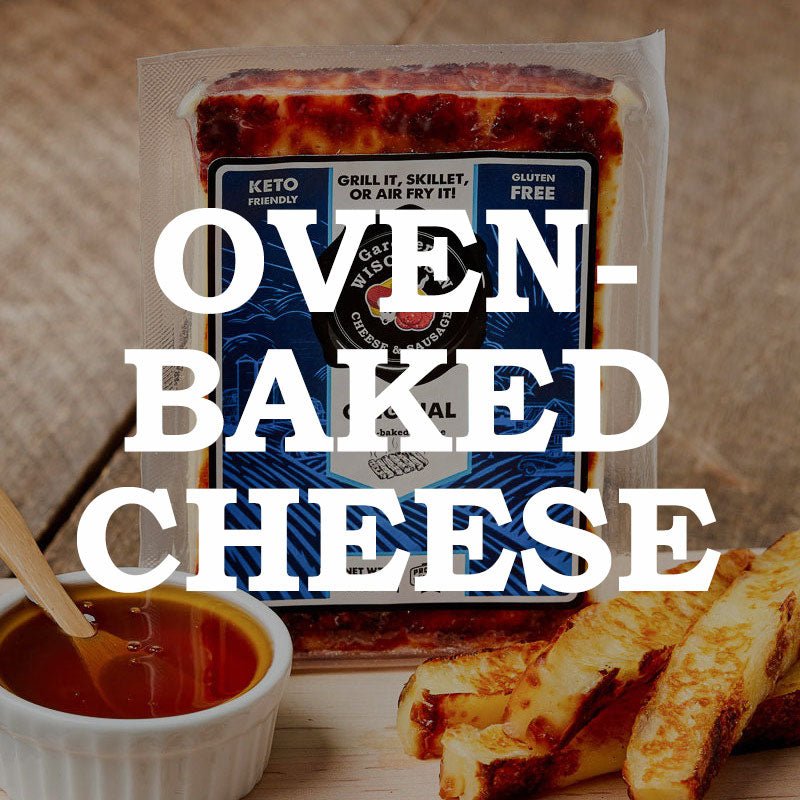
Sharp Cheddar Cheese GuideMild to 20-year: what changes as cheddar ages.Read the guideLactose-Free Cheese GuideWhich cheeses are naturally lactose-free & why aging matters.Read the guideMelting Cheese GuideThe melt chart & the best cheese for every dish.Read the guideBread Cheese GuideWisconsin oven-baked cheese: what it is & how to heat it.Read the guide
Taste Every Family, All Wisconsin
Family-owned in central Wisconsin. Fourth-generation cheesemakers making everything from squeaky curds to 20-year cheddar, shipped cold-packed to your door.
Free cold-pack shipping on orders $69+ to all 50 states