














Lactose-Free Cheese Guide
Lactose-Free Cheese: Which Cheeses Qualify & Why
Most of the lactose in milk never makes it into aged cheese. Here's which cheeses qualify, how aging gets them there, & where fresh cheese still carries some.

Under 0.1 gLactose per serving in long-aged hard cheese
About 5%Lactose in cow's milk, before cheesemaking
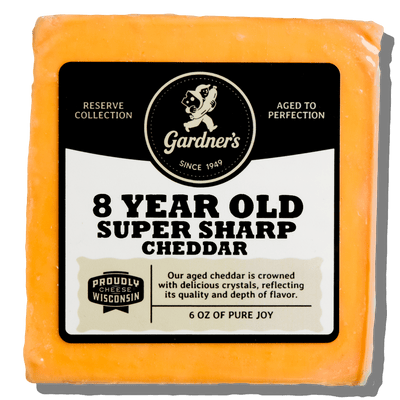
8, 13 & 17 YearsGardner's cheddars labeled lactose-free
12+ MonthsAging that takes hard cheese to effectively zero
The Short Answer
What Cheeses Are Lactose Free?
Long-aged hard cheeses: aged cheddar, parmesan & aged gouda. Most of milk's lactose drains away with the whey during cheesemaking, & the little that's left gets used up by cultures as the cheese ages. After a year or more, a typical serving holds less than 0.1 grams, which most people with lactose intolerance handle without symptoms.
It's still real dairy. Is lactose-free cheese really dairy? Yes: the lactose is gone, the milk proteins & fat are not, so a milk allergy is a different story from lactose intolerance.
Fresh cheese works the other way. Curds, mozzarella, ricotta & cream cheese skip the long aging, so they keep more lactose. Our low-lactose cheese tips & the Wisconsin lover's guide to low lactose cheese walk through how to tell the difference at the counter.
Key Takeaways
- Aging is what removes lactose. The longer & drier the cheese, the less is left.
- Long-aged cheddar, parmesan & aged gouda are effectively lactose-free.
- Our 8, 13 & 17-Year Super-Sharp Cheddars are labeled lactose-free.
- Fresh & soft cheeses carry the most lactose; mozzarella runs about 2.5 g per 100 g.
- Lactose-free isn't dairy-free. If you have a milk allergy, talk to your doctor first.


How It Works
Where the Lactose Goes
Lactose is the natural sugar in milk. Cheese starts with plenty of it & ends, if it's aged long enough, with almost none. Three things happen along the way.
1
The whey drains off
When milk sets & the curds are cut, most of the lactose stays in the liquid whey, which is drained away. That alone removes the bulk of it.
2
Cultures eat what is left
The cheese cultures feed on the remaining lactose & turn it into lactic acid. That is where the tang in aged cheese comes from.
3
Time finishes the job
Over months & years of aging, the last traces break down. By a year or more, hard cheese tests at or near zero.
Lactose is the carb in cheese. That's why the cheeses lowest in lactose are also the lowest in carbs. Ourlow carb cheeseguide runs the same numbers for keto.
Read the label. Packages marked "0g lactose per serving" have tested below what labs can detect. Our 8, 13 & 17-Year cheddars carry a lactose-free claim on the product page.
Not medical advice. Tolerance varies person to person. Start with a small portion, & if you have a milk allergy or severe intolerance, check with your doctor.
The Lactose Chart
Lactose in Cheese, Tier by Tier
Typical ranges by age & style. Labels & your own tolerance are the final word.
| Tier | Typical lactose | Cheeses | Gardner's picks |
|---|---|---|---|
| Effectively lactose-free | Under 0.1 g per serving | Cheddar, parmesan & gouda aged 12+ months | 8-Year, 13-Year & 17-Year Super-Sharp Cheddars |
| Very low | Under 0.5 g per serving | Gouda & parmesan aged 6 to 12 months, multi-year cheddar, swiss | Dry Aged Cheddar, Gardner's Aged Gouda, Aged Parmesan |
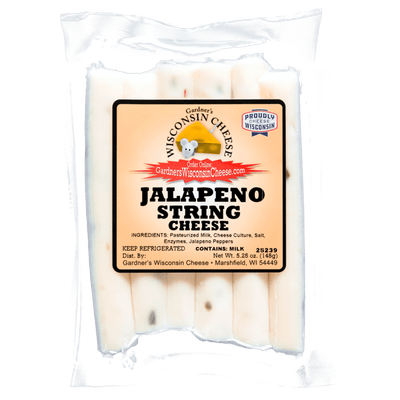
| Moderate | About 2.5 g per 100 g in mozzarella | Young semi-hard cheese, mozzarella, string cheese, fresh curds | String cheese, cheese whips & curds: go easy, or pair with an aged pick |
| Higher | The most of any cheese | Ricotta, cottage cheese, cream cheese | Not on our shelf |
For scale: cow's milk is about 4.8% lactose, roughly 4.8 g per 100 g, before any of it drains off with the whey.
The Lactose-Free Lineup


Aged Cheddar That's Labeled Lactose-Free
Three Super-Sharp Cheddars with a lactose-free claim on the label, plus a parmesan that grates like a dream.
Want the whole aged lineup? Browse our aged cheese collection, or see how each cheddar changes year by year in thesharp cheddar cheeseguide.
Lists & Guides


The Lists Worth Keeping
Three deep dives if you want more than the chart.
The Aged Cheese Guide
Cheese by cheeseOur guide to lactose-free & low-lactose aged cheeses covers parmesan, cheddar, gouda & more, with aging times & lactose for each.
The Short List
Memorize itThe four-tier list of low lactose cheese picks, from eat-freely to handle-with-care, & which Gardner's blocks land where.
Aged Cheese & Intolerance
The scienceThe best cheese for lactose intolerance: why aging works, texture clues that tell you a cheese is well aged, & what to ask before you buy.
Cheese by Cheese


Does It Have Lactose? The Quick Answers
The cheeses we get asked about most, with the full story a click away.
Cheddar
Aged: effectively noneFresh cheddar has some; long-aged cheddar has next to none. Here's does cheddar cheese have lactose by age, & our take on lactose free cheddar cheese for everyday cooking.
Parmesan
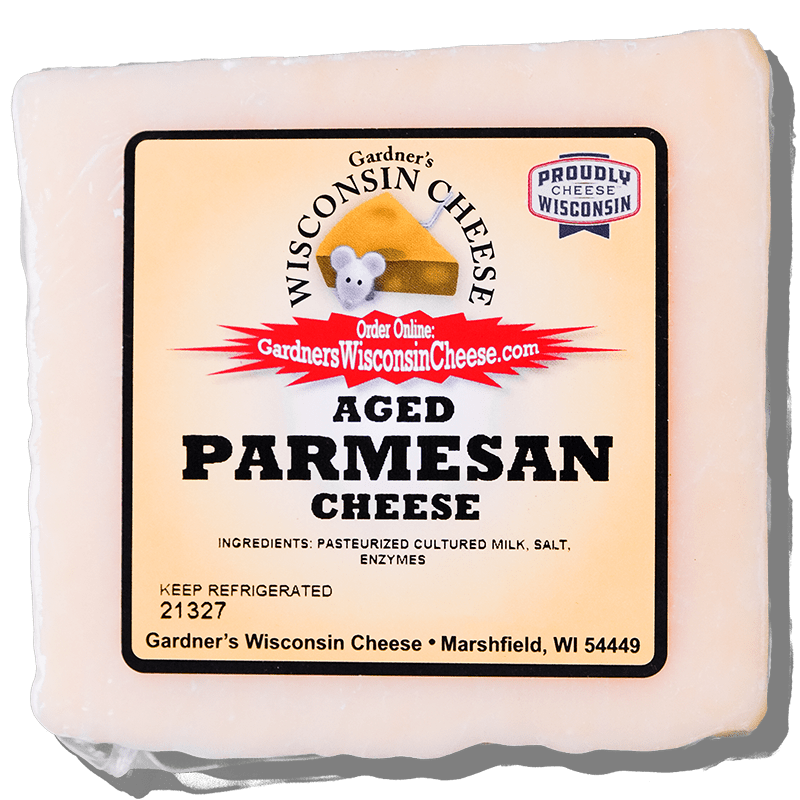
Effectively noneNot dairy-free, but so low in lactose most people never notice. The full answer to is parmesan cheese lactose free & how to use it.
Gouda
Aged: very lowYoung gouda has a little; 12+ months takes it to almost zero. Our straight answer to does gouda have lactose.
Mozzarella
Some: about 2.5 g / 100 gLower than soft spreads, higher than aged cheese. Here's does mozzarella have lactose by type, & what to reach for instead.
Cheese Curds
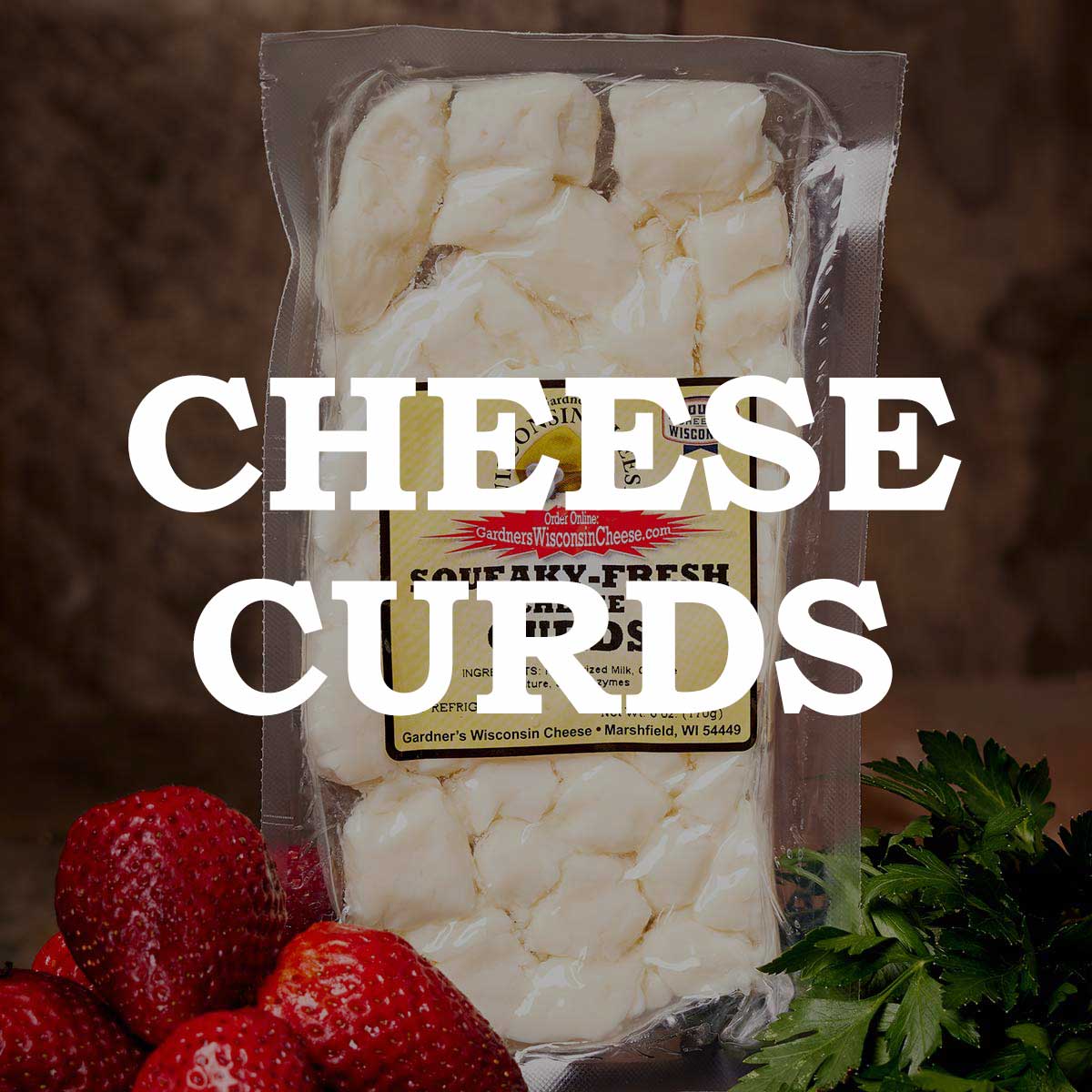
Fresh: more than agedCurds are cheddar before it ages, so they keep more lactose than a block. If you're sensitive, keep the portion small or pair them with aged cheddar.
Swiss & Jack
Low to moderateSemi-hard cheeses aged a few months sit in the middle. Many people do fine with a normal serving; start small & see.

Hosting
The Low-Lactose Cheese Board
Build the board around aged cheese & nobody has to ask what's safe. Our guide to hosting lactose-sensitive guests covers the full plan; the short version:
- Anchor it with two aged cheddars & an aged gouda or parmesan.
- Label the cheeses, or tell guests which ones are aged.
- Cured meats like summer sausage & salami are naturally low in lactose.
- Keep creamy dips & fresh cheese on a separate plate.
The rest of the build, from amounts per guest to the cheese-meat-crunch formula, is inhow to make a charcuterie board.
Keep Reading Cracking the Case of Lactose-Free Cheese: Is It Really Dairy?Read
 Low Lactose Cheese: Eat More, Suffer Less, Thank Wisconsin LaterRead
 A Wisconsin Lover's Guide (That Won't Betray Your Stomach)Read
 A Guide to Lactose-Free and Low-Lactose Aged Cheeses for Dairy LoversRead
 Cheeses Low in Lactose: A List Worth Memorizing (And Then Eating)Read
 Aged Cheese & Lactose Intolerance: Can You Still Enjoy Wisconsin Cheese?Read
 Does Cheddar Cheese Have Lactose? A Gardner's Guide To Staying Cheesy Without the Tummy TurmoilRead
 Lactose Free Cheddar CheeseRead
 Is Parmesan Dairy Free? The Ultimate Cheesy Guide For The Lactose IntolerantRead
 Does Gouda Have Lactose? A Straight Answer for Aged Gouda LoversRead
 Does Mozzarella Have Lactose? Gardner's Guide To Mozzarella, Lactose, And Still Having A Good TimeRead
The Lactose Library
Every post we've written on lactose & cheese, in one place. Scroll each row sideways.
The Short Answer Start here
Cracking the Case of Lactose-Free Cheese: Is It Really Dairy?ReadLow Lactose Cheese: Eat More, Suffer Less, Thank Wisconsin LaterReadA Wisconsin Lover's Guide (That Won't Betray Your Stomach)ReadLists & Guides Deep dives
A Guide to Lactose-Free and Low-Lactose Aged Cheeses for Dairy LoversReadCheeses Low in Lactose: A List Worth Memorizing (And Then Eating)ReadAged Cheese & Lactose Intolerance: Can You Still Enjoy Wisconsin Cheese?ReadCheese by Cheese Quick answers
Does Cheddar Cheese Have Lactose? A Gardner's Guide To Staying Cheesy Without the Tummy TurmoilReadLactose Free Cheddar CheeseReadIs Parmesan Dairy Free? The Ultimate Cheesy Guide For The Lactose IntolerantReadDoes Gouda Have Lactose? A Straight Answer for Aged Gouda LoversReadDoes Mozzarella Have Lactose? Gardner's Guide To Mozzarella, Lactose, And Still Having A Good TimeReadHosting For your guests

Lactose-Free Cheese FAQ
Your Questions, Answered
General information from Wisconsin cheesemakers, not medical advice.
What cheeses are lactose free?
Long-aged hard cheeses: aged cheddar, parmesan & aged gouda. After 12 months or more, they typically hold less than 0.1 g of lactose per serving, which most people with lactose intolerance tolerate well.
Is lactose-free cheese still dairy?
Yes. Aged cheese loses its lactose, not its milk proteins or fat. Lactose-free is not the same as dairy-free, so a milk allergy is a separate question for your doctor.
Which Gardner's cheeses are lactose-free?
Our 8-Year, 13-Year & 17-Year Super-Sharp Cheddars are labeled lactose-free. Aged Gouda, Aged Parmesan & Dry Aged Cheddar are very low in lactose.
Does aged cheddar have lactose?
Fresh cheddar has some. Long-aged cheddar has effectively none, because the cultures use up the last of it during aging.
Is parmesan lactose free?
Parmesan is made from milk, so it is not dairy-free, but its long aging leaves so little lactose that most people with lactose intolerance can enjoy it.
Does mozzarella have lactose?
Yes, about 2.5 g per 100 g. That is less than soft spreads like cream cheese but more than aged cheese.
Can I eat cheese curds if I am lactose intolerant?
Curds are fresh, unaged cheddar, so they keep more lactose than a block of aged cheddar. Keep portions small, or choose aged cheese if you are sensitive.
Does cooking cheese remove lactose?
No. Heat melts cheese but does not break lactose down. Aging is what lowers it.
What is the difference between low lactose & lactose-free?
Low lactose usually means under about 1 g per serving. Lactose-free or "0g lactose per serving" means it tested below what labs can detect.
Is lactose intolerance the same as a milk allergy?
No. Lactose intolerance is trouble digesting milk sugar. A milk allergy is an immune reaction to milk proteins, which are still in aged cheese.
Keep Exploring
More Guides from Gardner's
Low-Carb Cheese GuideCarbs, keto & the cheeses with the fewest.Read the guideSharp Cheddar Cheese GuideMild to 20-year: what changes as cheddar ages.Read the guideTypes of CheeseCheese families, the cheeses worth knowing & a swap chart.Read the guideHow to Store CheeseWrapping, shelf life by type, freezing & mold rules.Read the guide
Real Wisconsin Cheese, Without the Lactose
Family-owned in central Wisconsin. Cheddars aged 8, 13 & 17 years & labeled lactose-free, shipped cold-packed to your door.
Free cold-pack shipping on orders $69+ to all 50 states