









Low-Carb & Keto Cheese Guide
Low-Carb vs No-Carb Cheese: Which Cheeses Have (Almost) Zero Carbs
Carb counts for 20 common cheeses from a Wisconsin cheesemaker. See which cheeses read 0g on the label, which have about a gram, and which ones to measure on keto.
0g CarbsOriginal Oven-Baked Cheese label, per 1 oz
Under 1gMost natural cheese, per 1 oz serving
0.12gLactose in 100g of cheddar (USDA)
100%Gluten-free, every cheese we make
The Short Answer
Does Cheese Have Carbs? Very Few.
Cheese starts as milk, and milk is about 5% sugar in the form of lactose. Making cheese removes almost all of it, so most natural cheese has less than 1 gram of carbs per ounce.
No carb cheeseAged & natural
Aged cheddar, parmesan, Swiss & gruyere all round to 0g per ounce. The best picks for strict keto.
Low carb cheeseMost natural cheese
If you just need cheese low in carbs, most land under 1g per ounce. Watch fresh, processed & pre-shredded cheese.
Want the quick version? Read does cheese have carbs. Keep scrolling for the science, the label math & a carb chart for 20 cheeses.

Key Takeaways
- Most natural cheese has under 1g of carbs per ounce. Aged cheddar, parmesan, Swiss & gruyere round to 0g.
- The carb in natural cheese is lactose, the sugar in milk. Draining the whey removes most of it, and cultures convert the rest as the cheese ages.
- "No carb" on a label means under 0.5g per serving. Our Original Oven-Baked Cheese label reads 0g carbs, 0g sugars.
- Fresh cheeses (cottage, ricotta, cream cheese), processed slices & pre-shredded bags carry more carbs. So do sweet pairings like honey & jam.
- Every Gardner's cheese is gluten-free & keto-friendly, and our 8, 13 & 17-year cheddars are lactose-free.
Cheese vs. common carb sources
Carbs per typical serving. USDA FoodData Central, rounded.
Tier 1: No-Carb Cheese


Zero-Carb Cheese: Our Aged Cheddars & Oven-Baked Cheese
Every cheese in this group comes in at 0g of carbs per ounce. Our aged cheddars get there through years of aging, and our Oven-Baked Cheese has a Nutrition Facts label that reads 0g carbs & 0g sugars.
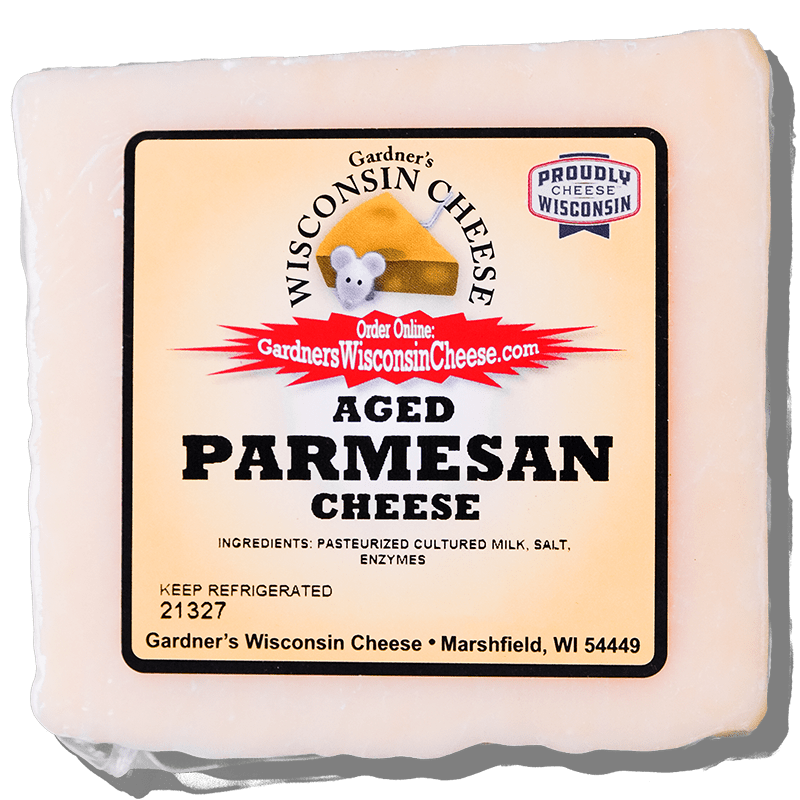
A few more belong in this group. Dry Aged Cheddar is aged 3 to 4 years, with a milder flavor & the most affordable price of our aged cheddars. Holey-Smoked Swiss & Cheddar qualifies too, since Swiss is one of the few cheeses USDA measured at zero lactose. And Aged Parmesan rounds out the group.
Why are the long-aged cheddars at the top of the list? Time. The longer cheddar ages, the more lactose its cultures convert, and after a few years there is nothing left to measure. Our guide to aged cheese explains what those years do to flavor, and story of our 17-year cheddar covers how a block gets that old. If lactose is your main concern, see aged cheese & lactose intolerance.
The Science
Where the Carbs in Cheese Come From
In natural cheese, the carbs are lactose, the natural sugar in milk. How many carbs a cheese has comes down to how much lactose is left by the time it's packaged.
The lactose ladderMilk sugar left at each stage
Whole milkWhere every cheese starts. About 12g of sugar in a cup.
5.0glactose / 100g
Fresh cheese curdsMost of the lactose drains off with the whey on day one.
about 1gcarbs / 1 oz
Cheddar (USDA)Cultures convert most of what remains. Rounds to 0g per ounce.
0.12glactose / 100g
Long-aged cheddarYears of aging convert the rest. Lactose-free.
0gon the label
Draining the whey removes most of it
When milk sets into curd, the liquid whey drains away. Lactose dissolves in that liquid, so most of it leaves with the whey on the first day.
Cultures convert the rest
Starter cultures feed on the remaining lactose and turn it into lactic acid, which also gives cheese its tang. The longer a cheese ages, the less lactose is left, which is why hard, aged cheese is the lowest carb cheese you can buy.
Crystals show the lactose is gone
The small white crystals in aged cheddar are calcium lactate, which forms from lactic acid over time. If you can feel the crunch, the lactose has been converted.
Why fresh cheese has more carbs: fresh cheeses like cottage cheese, ricotta & cream cheese keep more of their whey, so they keep more lactose. They're still low next to bread, just not zero. The same process explains why aged cheddar has almost no lactose. In cheese, low-carb & low-lactose come from the same thing.
Further Reading Does Cheese Have Carbs? (Yes, But Not As Many As Your Pasta)Read
 The Best High-Protein, Keto-Friendly Cheese SnacksRead
 Cheese Curd Nutrition Facts: Calories, Protein, Carbs & KetoRead
 Is Cheese Good for You? We're Not Gouda Lie to YouRead
 Is Parmesan Really Good For You?Read
 Is String Cheese Actually Healthy? The Protein-Packed TruthRead
 Hard Cheese 101: What Counts, Why It Lasts & Which Ones to StockRead
 What Are Cheese Crystals? The White Crunch ExplainedRead
 Top Aged Cheeses You'll LoveRead
 All About Our 17-Year CheddarRead
 What Is Fresh Cheese? Cheese Before It Grows UpRead
 Oven-Baked Cheese: A Wisconsin ClassicRead
 Aged Cheese & Lactose IntoleranceRead
 Does Cheddar Cheese Have Lactose?Read
 Does Gouda Have Lactose?Read
 Low Lactose Cheese: Eat More, Suffer LessRead
 Cheeses Low in Lactose: A List Worth MemorizingRead
 How to Build a Low-Lactose Cheese BoardRead
The Low-Carb Cheese Library
Every Gardner's article this guide draws on, grouped by topic. Scroll each row sideways to see them all.
Carbs & Keto Start here
Does Cheese Have Carbs? (Yes, But Not As Many As Your Pasta)ReadThe Best High-Protein, Keto-Friendly Cheese SnacksReadCheese Curd Nutrition Facts: Calories, Protein, Carbs & KetoReadIs Cheese Good for You? We're Not Gouda Lie to YouReadIs Parmesan Really Good For You?ReadIs String Cheese Actually Healthy? The Protein-Packed TruthReadAged Cheese Why aging lowers carbs
Hard Cheese 101: What Counts, Why It Lasts & Which Ones to StockReadWhat Are Cheese Crystals? The White Crunch ExplainedReadTop Aged Cheeses You'll LoveReadAll About Our 17-Year CheddarReadWhat Is Fresh Cheese? Cheese Before It Grows UpReadOven-Baked Cheese: A Wisconsin ClassicReadLactose The carb in cheese
Aged Cheese & Lactose IntoleranceReadDoes Cheddar Cheese Have Lactose?ReadDoes Gouda Have Lactose?ReadLow Lactose Cheese: Eat More, Suffer LessReadCheeses Low in Lactose: A List Worth MemorizingReadHow to Build a Low-Lactose Cheese BoardReadSnacks & Boards Low-carb ways to eat it


Label Math
No Carb vs Low Carb Cheese: How to Read the Label
Look up the carbs in cheddar cheese on three websites and you may get three different numbers. Here's why that happens, and how to read a cheese label so you know what you're actually eating.
USDA's own entry for cheddar lists 3.37g of carbs per 100g, but only 0.12g of measured lactose. Since lactose is the carb in cheese, the real number sits much closer to the second figure. That gap explains most of the conflicting numbers online.
What we mean by "no carb": the no-carb cheeses on this page are label-zero cheeses. They have less than half a gram of carbs per serving, which FDA rules allow a label to print as 0g. There may be a trace, but it's too small to count.
Nutrition Facts
6 servings per container
Serving size1 oz (28g)
Amount per serving
Calories110
Calories110
% Daily Value*
Total Fat 9g12%
Saturated Fat 6g30%
Trans Fat 0g
Cholesterol 25mg8%
Sodium 210mg9%
Total Carbohydrate 0g0%
Dietary Fiber 0g
Total Sugars 0g
Protein 7g
Gardner's Original Oven-Baked Cheese, as printed on the product page.
1
USDA carbs are calculated, not measured
Food databases list "carbohydrate by difference." They measure water, protein, fat & ash, then subtract the total from 100. Whatever is left, including any measurement error, gets counted as carbs. That's how cheddar ends up listed at over 3g per 100g when its measured lactose is about 0.1g.
2
Labels round under 0.5g to zero
FDA rules let anything under 0.5g per serving print as 0g. Our Original Oven-Baked Cheese label reads 0g total carbs & 0g sugars per ounce. That's what no carb cheese looks like on a real label.
3
Check the Total Sugars line
Lactose is a sugar, so it shows up under Total Sugars. Aged cheese reads 0g. Cottage cheese has about 3g per half cup. When sugars read 0g, any carbs a database lists come from the math above, not from milk sugar.
4
Read the ingredients, not just the panel
Pre-shredded cheese is coated with starch to keep it from clumping. Canister parmesan often contains cellulose. Flavored cheese can contain added sugar. A block of natural cheese lists four ingredients: milk, cultures, salt & enzymes.
The Carb Chart
Carbs in Cheese Chart: 20 Cheeses by Tier
Pick a tier to see its cheeses. Start with No Carb for the lowest carb cheeses. Values are carbs & sugars per one-ounce serving (28g), from USDA FoodData Central and our own Nutrition Facts panels where we have them.
No carbRounds to 0g on a Nutrition Facts label. Mostly aged cheeses, where the lactose has been converted.
| Cheese | Carbs per 1 oz | Sugars per 1 oz |
|---|---|---|
| Aged cheddar (Gardner's 8, 13, 17 yr)Lactose-free after years of aging | 0g | |
| Original Oven-Baked CheeseFrom the Gardner's label, per 1 oz | 0g | |
| Swiss / Holey-Smoked Swiss & CheddarUSDA measured lactose: 0 | 0g | |
| GruyereOne of the lowest-carb cheeses there is | 0.1g | |
| Parmesan, hard blockSugars 0.11g per 100g; rounds to 0 | 0g | |
| BrieSoft-ripened; very little lactose left | 0.1g | |
| Goat cheese, softUSDA lists 0 carbs | 0g | |
| Monterey Jack / Blue Marble JackMild & meltable | 0.1g |
Low carbAbout 1g or less per ounce. Younger cheeses that still hold a trace of lactose.
| Cheese | Carbs per 1 oz | Sugars per 1 oz |
|---|---|---|
| Cheese curds (fresh)Young cheddar; most lactose already gone | trace | |
| Aged goudaOlder database entries overstate this one | trace | |
| Mozzarella, whole milkUSDA measured lactose: 0 | 0g | |
| String cheeseSame cheese as low-moisture mozzarella | trace | |
| Colby / provoloneCommon sandwich & melting cheeses | 0.2g |
WatchFresh & processed cheeses with real lactose left. Fine on low-carb; measure portions on keto.
| Cheese | Carbs per 1 oz | Sugars per 1 oz |
|---|---|---|
| FetaBrined; sugars measured at 0g | 0g | |
| Cream cheeseContains real lactose; measure portions | 1.1g | |
| Cottage cheeseAbout 4g per half cup, a more typical serving | 0.8g | |
| Ricotta, whole milkAbout 9g per half cup; highest natural cheese here | trace | |
| American, processedEmulsifiers & milk solids | 0.6g |
TrapThe carbs come from additives, not the cheese. Starch & cellulose push these past 2g per ounce.
| Cheese | Carbs per 1 oz | Sugars per 1 oz |
|---|---|---|
| Mozzarella, pre-shreddedStarch anti-caking agent | 0.6g | |
| Parmesan, grated canisterCellulose & fillers added | 0g |
Sources: USDA FoodData Central SR Legacy per-100g values multiplied by 0.2835, plus Gardner's product labels for Oven-Baked Cheese. Cottage cheese & ricotta also list a half-cup figure in the notes, since that's closer to a typical serving. Full nutrition for curds is in our cheese curd nutrition facts post.
Tier 2: Low-Carb Cheese


Low-Carb Cheese: About 1 Gram or Less
Younger cheeses still hold a trace of lactose, so they land at about a gram per ounce instead of zero. On a typical keto budget of 20 to 50g a day, that barely registers.
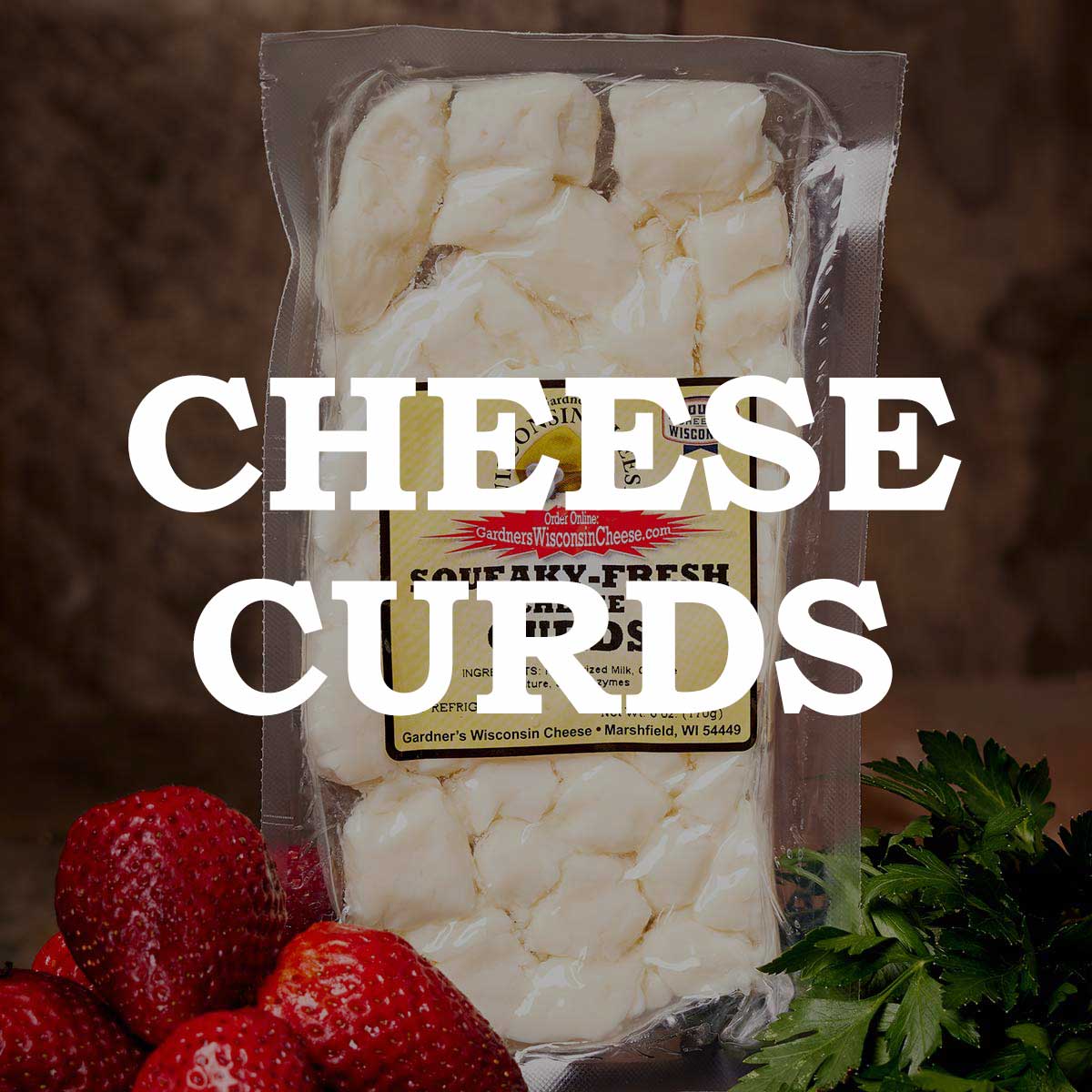
A note on cheese curds: they're fresh cheddar, made before the cheese is pressed into blocks & aged. Because they're so young, people often assume curds are high in carbs. They aren't. Most of the lactose drains off with the whey while the curds are being made, so they land around 1g per ounce. The full breakdown is in cheese curd nutrition facts. For gouda & string cheese, see does gouda have lactose? and is string cheese actually healthy? All three fit easily on a low-carb diet.
Tier 3: Watch & Trap
Higher-Carb Cheeses to Watch on Keto
None of these are off-limits. But if you're keeping carbs under 20g a day, these are the ones that can add up without you noticing.
01
Cottage cheese
About 4g of carbs per half cup, and a typical bowl is often closer to a full cup. USDA measures 2.67g of lactose per 100g, far more than aged cheese. Fine on a low-carb diet; measure it on strict keto.
02
Cream cheese
About 1.6g of carbs per ounce, most of it lactose. A tablespoon or two is easy to fit in. Recipes that use whole blocks, like cheesecake, add up fast.
03
Ricotta
The highest-carb natural cheese on our chart, at roughly 9g per half cup. It's a fresh, whey-rich cheese, so portion it in lasagna & baked dishes.
04
Processed slices
Emulsifiers, added milk solids & sometimes sugar push American-style slices to 1 to 2g each. Check the ingredient list: natural cheese has four ingredients.
05
Pre-shredded bags
Potato starch or cellulose keeps shreds from clumping and adds carbs. Buy a block and shred it yourself. It melts more smoothly, too.
06
Sweet pairings (ours included)
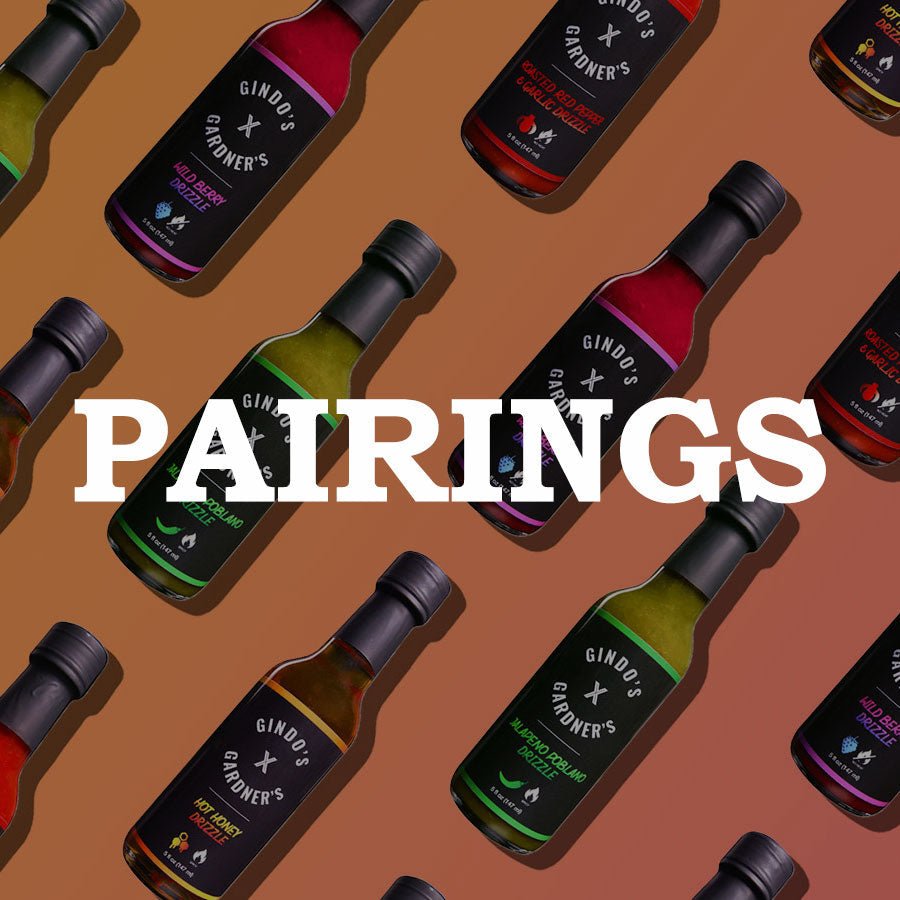
Our Hot Honey Drizzle has 6g of sugar per teaspoon, and Hot Pepper Bacon Jam has 9g per tablespoon. Both are great with cheese, just not on a strict keto day. Pair cheese with cured meats instead.
Keto & Carnivore
Is Cheese Keto? Yes. Here's the Math.
Most keto plans allow 20 to 50g of net carbs a day. An ounce of aged cheddar uses almost none of that, and even a generous cheese board adds only a gram or two. Each ounce also brings about 7g of protein & 9g of fat, which fits the high-fat, moderate-protein balance keto is built around.
The best cheese for keto is aged, natural cheese, and everything in Tier 1 & Tier 2 is keto-friendly cheese. The ones you need to count are the fresh & processed cheeses above. For snack ideas, see our keto-friendly cheese snacks post.
On a carnivore diet, the question is whether your version allows dairy. If it does, aged cheese is the usual choice because the lactose is gone and the ingredient list is short: milk, cultures, salt & enzymes.
Beyond carbs, cheese brings calcium & protein along with the fat. We cover the full nutrition picture in Is cheese good for you? and Is parmesan good for you?
Keto Cheat Sheet
- Aged cheddar, parmesan, Swiss, gruyere & Monterey Jack: about 0g per ounce.
- Curds, gouda, string cheese & mozzarella: about 1g or less per ounce.
- Cottage cheese, ricotta & cream cheese: measure your portions.
- Pre-shredded, canister grated & processed slices: read the ingredients first.
- Pair with Spicy Beef Snack Sticks (1g carbs) or Classic Sliced Salami (0g sugar) instead of drizzles & jams.
- Every Gardner's cheese is gluten-free.

Spotlight: Oven-Baked Cheese
Oven-Baked Cheese: 0g Carbs & 7g Protein per Ounce
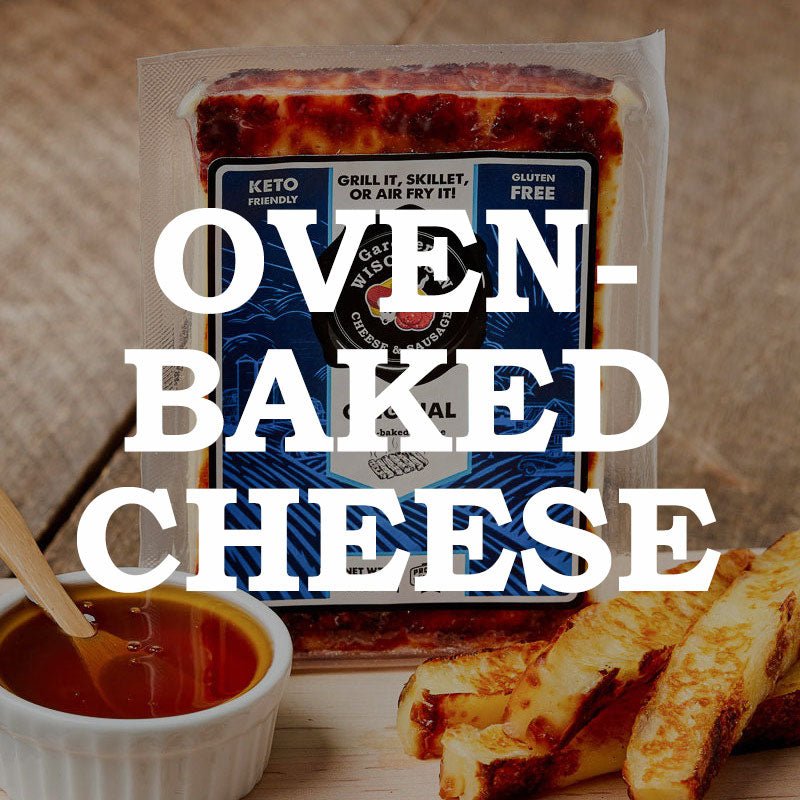
Known in Wisconsin as "bread cheese," oven-baked cheese is baked during production, so it holds its shape when you heat it. Like halloumi, it browns on the outside and stays soft & squeaky inside instead of melting. The label reads 0g carbs, 0g sugars & 7g protein per ounce, so it works as a keto appetizer or a main dish.
Brown it in a dry skillet for about 5 minutes per side, or air-fry it at 400 degrees for about 4 minutes per side, and serve it hot. Our guide to oven-baked cheese has more serving ideas, and the ideal temperature for baking cheese helps you avoid burning it.
Shop Oven-Baked CheeseLow-Carb Snacks & Boards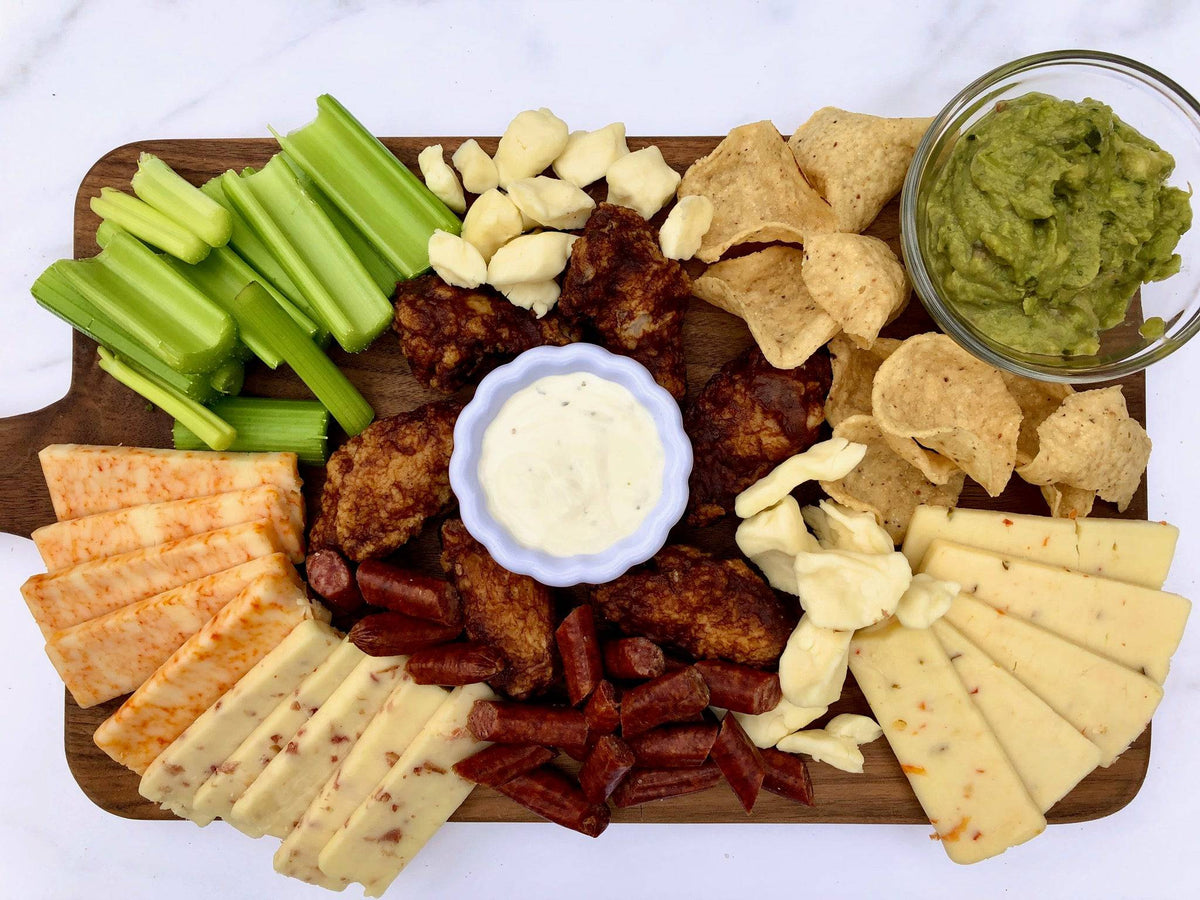


Low-Carb Cheese Snacks & Boards: 6 Easy Ideas
Eating curds straight from the bag works fine. Here are six more low-carb cheese snack & board ideas that keep carbs to a gram or two.
01
Curds & sticks
Pair an ounce of Cheese Curds with an ounce of Spicy Beef Snack Sticks for about 2g of carbs & 12g of protein. Easy to pack for work or the road.
02
An aged cheddar plate
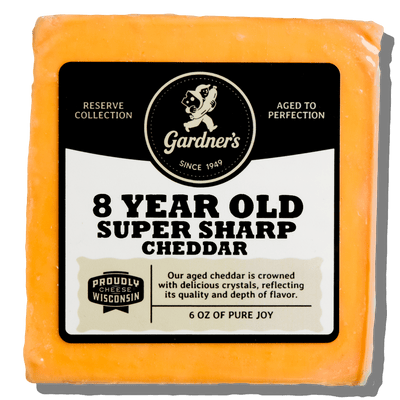
Start with 8-Year Cheddar & Classic Sliced Salami, then add pickles, olives & a few nuts. For more meat options, see our guide to the best meats for a charcuterie board.
03
Pan-seared oven-baked cheese
Brown Oven-Baked Cheese in a dry pan & serve it hot, no bread needed. 0g carbs & 7g protein per ounce. It also goes on the grill.
04
Marinated curds
Toss curds in olive oil, garlic, herbs & a squeeze of lemon. Our Mediterranean marinated cheese curds recipe is an easy make-ahead party snack at about 1g of carbs per ounce.
05
Skewers, two ways
Caprese skewers with oven-baked cheese, or cheese curd skewers with salami. Both are easy party food for a low-carb crowd.
06
A low-carb charcuterie board
Whether you call it a keto charcuterie board or a cheese plate, skip the crackers & fruit spreads and build around aged cheese & cured meat. Our how to make a charcuterie board guide and the low-lactose board both work as low-carb templates.
Low-carb and lactose-free aren't the same thing, but they overlap almost completely. In natural cheese, lactose is the carb, so the cheeses lowest in one are lowest in the other. If you're cooking for someone who is lactose-sensitive, see our low lactose cheese guide and the cheeses low in lactose list.
Low-Carb Cheese FAQ
Low-Carb Cheese Questions, Answered
Straight answers to the most common questions about cheese, carbs & keto, from a family that makes cheese for a living.
Does cheese have carbs?
Very few. Most natural cheese has under 1g of carbs per ounce, and long-aged cheese rounds to 0g. The carbs come from lactose, and cheesemaking removes almost all of it. For a per-cheese breakdown, see does cheese have carbs?
Is cheese keto-friendly?
Yes. Aged natural cheese is close to zero carbs and high in fat & protein, which fits the keto profile. The exceptions are fresh cheeses like cottage cheese & ricotta (measure them) and processed products with starch or added sugar (read the ingredients).
Is cheese a carb or a protein?
Cheese is a protein & fat food, not a carb. One ounce of cheddar has about 7g of protein, 9g of fat & under 1g of carbohydrate. Nutritionally it belongs with meat & eggs, not bread.
What cheese has no carbs?
Label-zero cheeses: long-aged cheddar, parmesan, Swiss, gruyere, brie, soft goat cheese & Monterey Jack all round to 0g per ounce. Our 8-Year Cheddar & Original Oven-Baked Cheese are the two we recommend first for keto.
Is cottage cheese keto?
It can be, in measured amounts. Creamed cottage cheese has about 4g of carbs per half cup, mostly lactose, so a big bowl adds up. On strict keto, treat it as a cheese to measure, not one to eat freely.
Is cream cheese keto?
Yes, in normal portions. Cream cheese has about 1.6g of carbs per ounce, most of it lactose. A tablespoon or two is easy to fit in; recipes that use whole blocks, like cheesecake, add up quickly.
How many carbs are in cheddar cheese?
Standard cheddar has under 1g of carbs per ounce. Sharp cheddar aged several years reads 0g on a label because the lactose has been fully converted. Our 8, 13 & 17-year aged cheddars are lactose-free.
Does cheese have sugar in it?
Only lactose, the natural sugar in milk, and aged cheese has almost none. Check the Total Sugars line: aged cheese reads 0g. Fresh cheese & flavored cheese are where sugar shows up.
Can you eat cheese on a carnivore diet?
It depends on your version of carnivore. If yours allows dairy, aged cheese is the usual pick because the lactose is gone and the ingredient list is just milk, cultures, salt & enzymes.
Are cheese curds keto?
Yes. Fresh cheese curds have about 1g of carbs, 7g of protein & 8 to 9g of fat per ounce. Fried curds are a different story, since the breading adds carbs. Full numbers are in cheese curd nutrition facts.
Is Gardner's cheese gluten-free?
Yes. Every cheese we make is gluten-free, and our oven-baked cheeses & meats have full Nutrition Facts panels on their product pages.
Low-Carb Cheese, Straight From Wisconsin
Family-owned in Marshfield, Wisconsin, with 20,000+ five-star reviews. Cheddar aged for years, fresh curds that still squeak & every order custom cold-packed for the trip.
Free cold-pack shipping on orders $69+ to all 50 states